
Reviewed · HOT AIR BALLOON & HELICOPTER RIDES
Angkor Wat: Small-Group Tour with Balloon Ride and Lunch
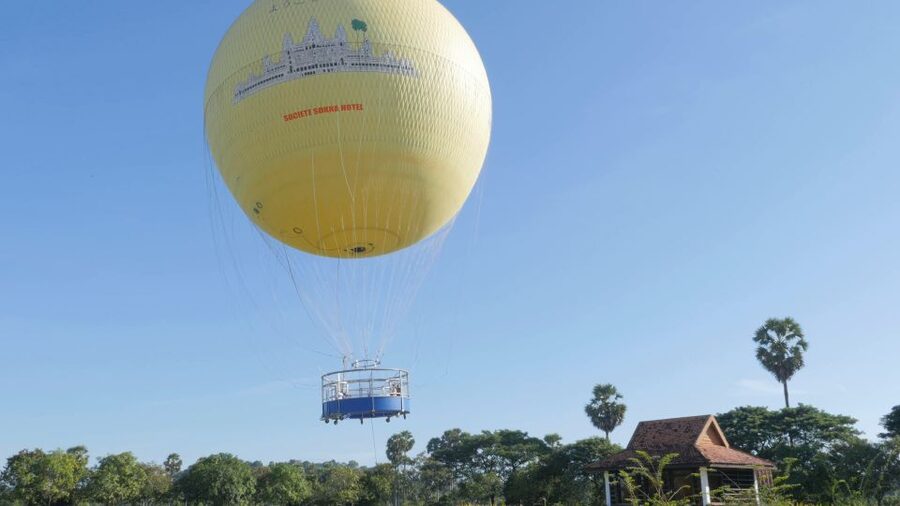
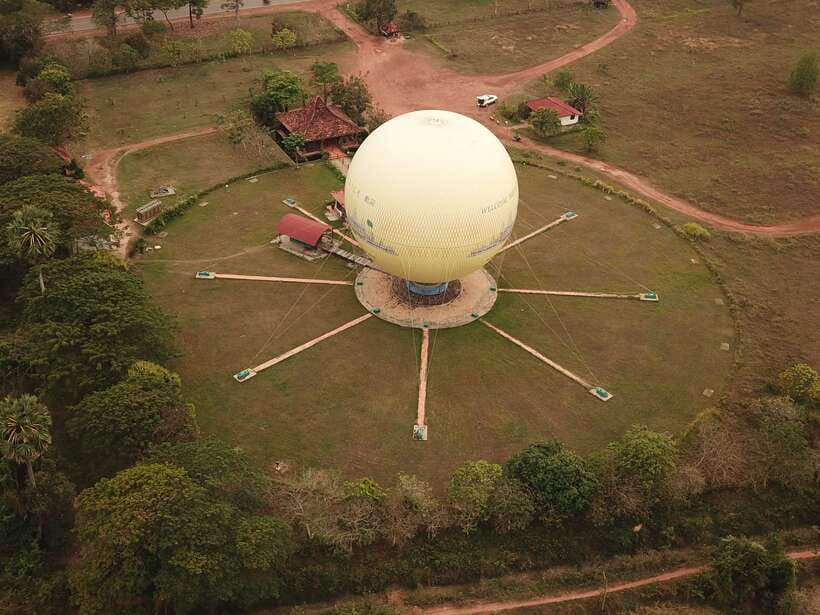
Angkor Wat is the main event, but the tethered helium balloon ride gives this tour an unusual second act. After walking through temples and shaded forest paths, you may rise about 200 meters for wide views of Angkor Wat and the surrounding park. The ride lasts only 10 minutes, and weather decides if it runs, but it adds a memorable change of pace.
I like two things here: you get a Cambodian English-speaking guide to explain the carvings rather than simply point at them, and the route covers the big four sights in one day: Angkor Wat, Angkor Thom, Bayon, and Ta Prohm. The Khmer set lunch and hotel transport also keep the day simple.
The main catch is price. At $111, you still pay the Angkor Pass separately, adding $37 per person, and drinks at lunch are extra. You are paying for the guide, transport, meal, and balloon ride, so the value is strongest if you want an organized day rather than a cheap temple transfer.
Key points at a glance
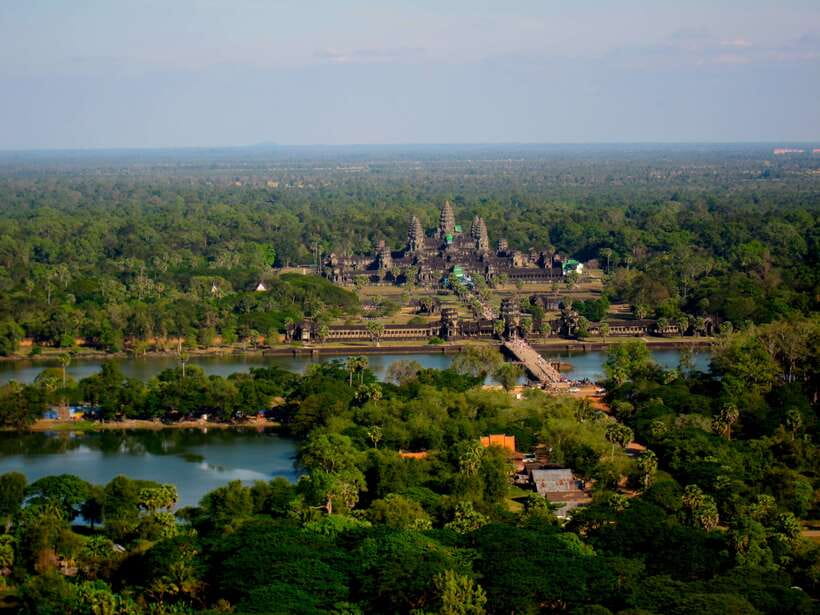
- The balloon is tethered, not a free-flight balloon: You rise above the site for about 10 minutes while remaining connected to the ground.
- Four major Angkor sights fit into seven hours: The day includes Angkor Wat, Angkor Thom’s South Gate, Bayon, and the Terraces of the Elephants and Leper King.
- The guide matters here: The best part of the walking tour is the explanation of Khmer symbols, carvings, and temple design.
- Your Angkor Pass costs extra: Budget another $37 per person before the tour begins.
- Dress rules are strict: Wear pants or a knee-length skirt or dress, and avoid sleeveless shirts.
- Walking and heat are part of the deal: Bring good shoes, sun protection, and water, even though bottled water is supplied.
Why the balloon ride changes the Angkor day
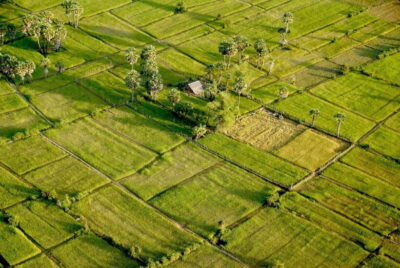
Most Angkor tours keep your eyes at ground level. This one gives you a short aerial view of the temple zone from a tethered helium balloon. You are not drifting across the park or taking a long flight. You rise roughly 200 meters, remain attached to the ground, and spend about 10 minutes looking over Angkor Wat and the National Park.
That difference matters because the temple complex can feel visually dense from the paths. From above, you can better appreciate the scale of the site and the way the temple rises from the surrounding trees. The ride is also a welcome break after several hours of walking.
Treat the balloon as a bonus, not the main reason to book. It depends on weather, and the operating time can be adjusted between 6 AM and 5 PM according to conditions. The schedule says you may see the sun setting from the balloon, but the ride is not guaranteed and timing can change. If the weather turns, the temple portion remains the heart of the day.
The ride is covered by insurance, according to the tour details. Still, it is not suitable for pregnant women, and children must be accompanied by an adult.
Other views from above Siem Reap:
- Angkor Stunning Hot Air Balloon
★ 4.7 · 114 reviews - Angkor Wat plus Balloon Ride with Khmer Lunch
★ 5.0 · 46 reviews - Sky Venture Microlight Siem Reap
★ 4.9 · 18 reviews
Starting in Siem Reap and buying your Angkor Pass
Hotel pickup is included within Siem Reap city center. The timing needs attention because the information gives both an 8:00 AM pickup and an 8:30 AM tour departure, with a request to be ready by 7:30 AM. I would follow the earliest instruction and wait at your hotel by 7:30 AM so you are not rushing at the start.
Your first stop is the Angkor Pass ticket office. The admission fee is not included, so you pay $37 per person yourself. This is an important part of the real cost: the advertised $111 tour price becomes $148 before lunch drinks and personal expenses.
You then ride in a shared air-conditioned car, van, or bus. That is useful in Cambodia’s heat, especially when you have several temple stops ahead. The exact group size is not stated, and the experience can sometimes feel more private than expected. One participant attended alone and received an individual tour, while another described the tour as effectively private. You should not assume that result, but a small group may allow more time for questions.
Angkor Wat, where the details demand a guide
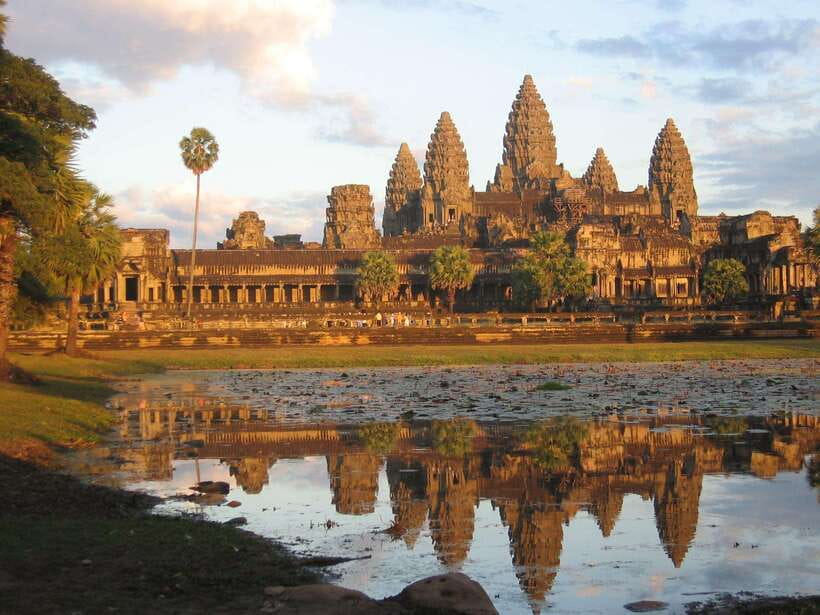
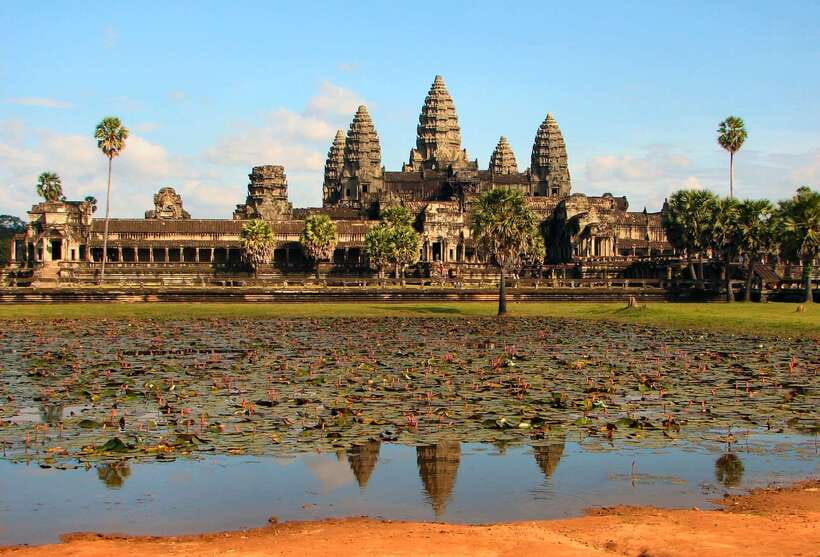
Angkor Wat is the first major stop and the anchor of the day. It is one of Southeast Asia’s best-preserved archaeological sites, famous for its enormous scale, carefully ordered architecture, carved walls, columns, and chambers.
The size can make a first visit confusing. A guide helps turn the stonework into a story. You will hear about the symbolic meaning behind the architecture and the fine bas-relief carvings, rather than simply walking past long walls covered in figures.
Give yourself time to look closely. The carvings are not decoration in the modern sense. They help explain religious ideas, royal power, and Khmer culture. A guide can point out details that you might miss while trying to keep up with the group.
This is also where comfortable shoes matter most. The day involves a moderate amount of walking, and the ground around historic temple sites is not a place for flimsy footwear. Bring sunglasses, a sun hat, and sunscreen. Bottled water is supplied, but you should still use every shaded pause you get.
Entering Angkor Thom through the South Gate
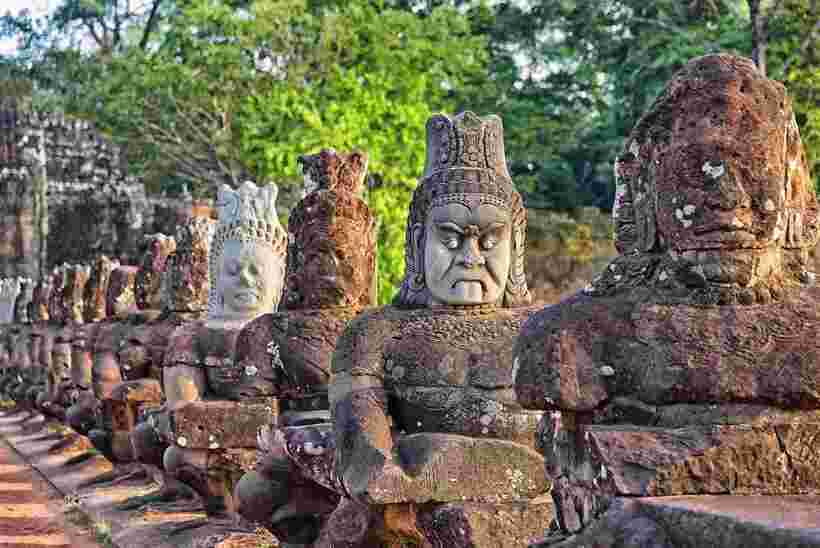
After Angkor Wat, the tour moves to Angkor Thom, the fortified city built within the wider Angkor area. You enter through the South Gate along a causeway lined with symbolic statues of gods and demons.
The causeway is one of the day’s best visual introductions. The statues create a strong sense of arrival, and the 108 mythical figures are tied to the religious imagery of the site. This is a good moment to ask your guide to explain what the figures represent, since the meaning is easy to lose if you focus only on taking photographs.
The stop also shows how different Angkor Thom feels from Angkor Wat. Angkor Wat is often read as a monumental temple complex, while Angkor Thom gives you a stronger sense of a fortified royal city. You get both within one morning, without needing to arrange separate transport.
A few more things to do in Siem Reap worth a look
- Angkor Wat Sunset Small Group Tour with Lunch Included
★ 5.0 · 3,059 reviews - Kulen Waterfall Join-in Tour (local Picnic lunch)
★ 5.0 · 2,434 reviews - Kulen Mountain: Small-Group Tour and Picnic lunch
★ 4.9 · 1,802 reviews - Phnom Kulen Waterfall & the Sacred 1000 Lingas (with Lunch)
★ 4.8 · 974 reviews
Bayon’s 200 stone faces
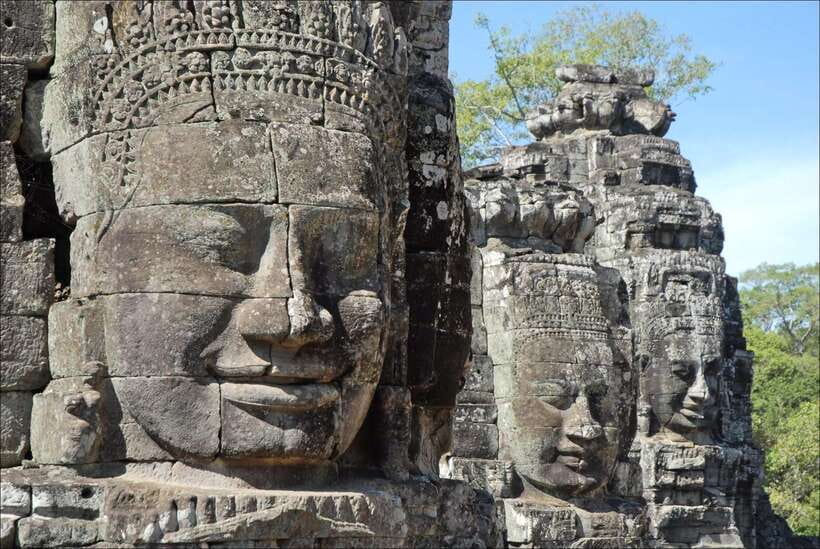
Inside Angkor Thom, Bayon is the visual surprise. More than 200 large faces look out from 54 towers, creating one of the most recognizable scenes in Cambodia.
The faces are impressive from a distance, but the closer you get, the more crowded and layered the temple feels. Towers overlap, passages narrow, and faces appear at different angles. A guide can help you understand why the towers were linked with the provinces of the Khmer Empire and how the monument fit into the wider royal city.
This is one of the places where a small group has real value. You will want to pause, look up, and take photographs without being hurried. Guide Chou was specifically praised for combining strong explanations with attentive service, while guides such as Chantorn, Nak Chum, and Phy were also singled out for clear historical help or thoughtful assistance. The actual guide assigned to you may be different, but the quality of the day depends heavily on who leads it.
The Terraces of the Elephants and Leper King
The tour continues to the Terrace of the Elephants and the Terrace of the Leper King. These are shorter stops than Angkor Wat or Bayon, but they help fill out the picture of Angkor Thom as a royal center.
The name Terrace of the Elephants comes from its carved elephant imagery. The Terrace of the Leper King adds another set of stone figures and relief work. Together, the terraces show how public spaces in the royal city carried political and religious meaning.
Do not expect long, separate visits at every monument. A seven-hour tour must keep moving, especially with lunch and the balloon ride included. The advantage is that you see a broad range of major sites in one outing. The tradeoff is less freedom to linger at one favorite corner.
Ta Prohm and the trees reclaiming the stone
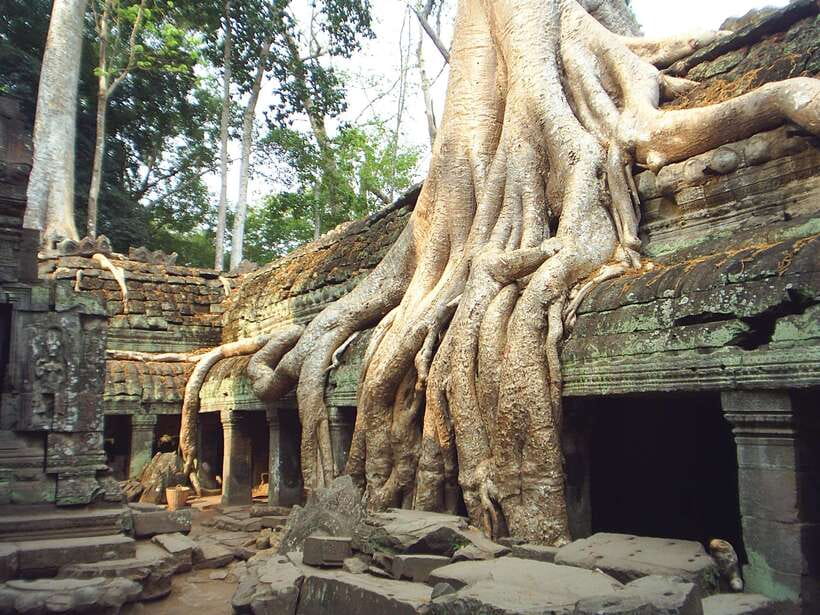
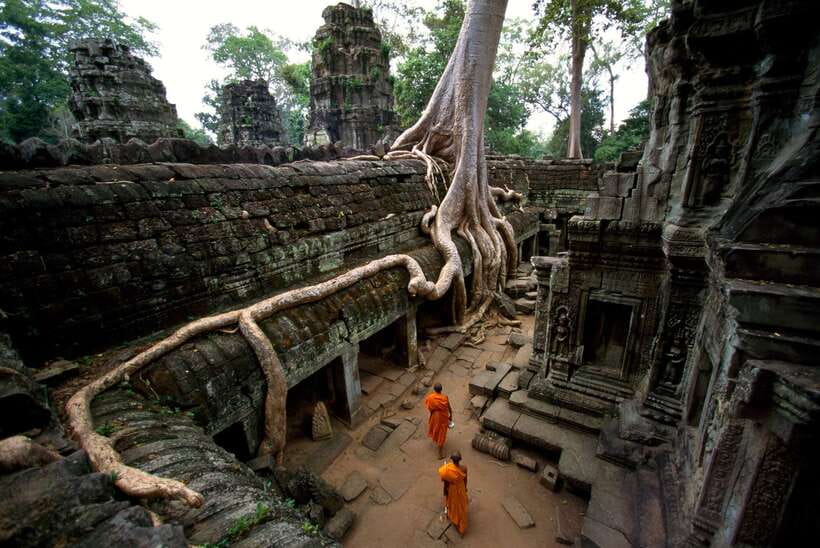
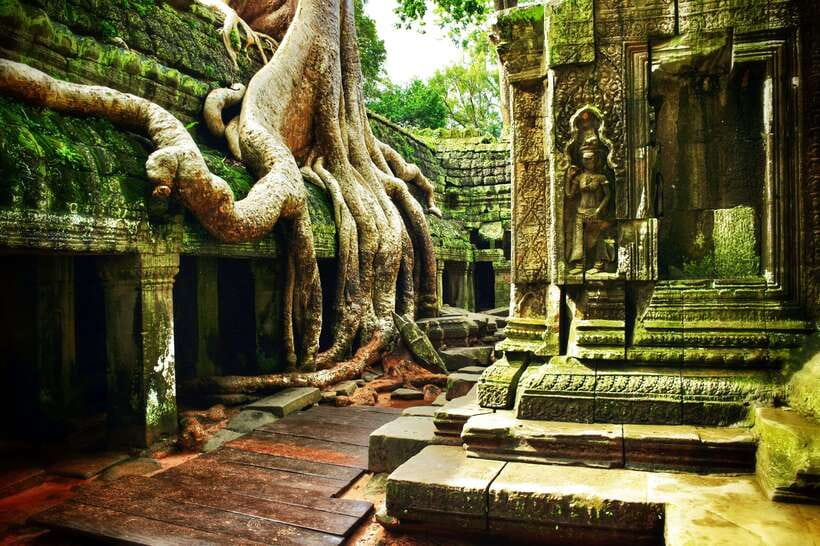
In the afternoon, you visit Ta Prohm, built in AD 1186 by King Jayavarman VII. Its appeal comes from the uneasy meeting of architecture and forest. Tree trunks appear to grip, cover, and push into the temple structures.
Ta Prohm feels different from the more ordered spaces at Angkor Wat and Bayon. Here, the trees are part of the visual experience. The result is atmospheric, but it can also make the pathways feel uneven and crowded at busy times. Good walking shoes are not optional.
Your guide can help separate the romantic image from the actual history. The temple was built as part of a major royal building program, and the surviving carvings and structures still need careful reading. You get the best experience by spending less time trying to photograph every tree and more time noticing how the temple’s design survives among them.
A Khmer lunch between temple stops
A Khmer set lunch is included, but drinks are not. This keeps the day easy because you do not need to arrange a separate midday meal, and it gives you a chance to try local food in the middle of a long sightseeing day.
The menu is not specified, so do not book this expecting a particular dish. If you have dietary restrictions, the supplied information does not confirm special meal arrangements, so ask before booking.
Food in the middle of the itinerary also affects the pace. You are not spending the whole day on foot, and the air-conditioned vehicle gives you a place to cool down between sites. Food is served as a set menu, which is convenient but gives you less choice than ordering independently.
What the guide adds to the experience
The strongest reason to choose this tour over a basic driver hire is the guide. Angkor’s carvings and architecture carry layers of meaning that are difficult to pick up from a quick visit. The tour promises a professional local English-speaking guide who explains Khmer history and the symbolic details of the temples.
Several guides have been praised by name for useful qualities. Phy was noted for historical explanations and taking strong photographs on a phone. Chou was described as attentive and informative, while Chantorn was praised for detailed explanations. Nak Chum was also credited with responding to individual needs, and drivers including Vong and Pola received positive comments for helpful service.
That does not mean you should expect a named guide in advance. Assignments can vary. It does tell you what to look for: a guide who explains the carvings, gives you time to see the important details, and helps you avoid unnecessary walking in the heat.
Is $111 a fair price?
At first glance, $111 per person is not a bargain for a seven-hour group tour. Add the $37 Angkor Pass, and your basic cost reaches $148. Lunch drinks and personal expenses add a little more.
The value improves if you would otherwise need to arrange several separate services. The price includes hotel pickup and drop-off within the city center, an air-conditioned shared vehicle, an English-speaking guide, bottled water, a Khmer set lunch, and the tethered balloon ride. You also get a route that covers the essential Angkor sights without negotiating transport at every stop.
The price is less appealing if you mainly want a driver and plenty of free time. You are paying for structure and interpretation, not just a ride between temples. A private arrangement might give you more control, but this tour can occasionally operate with very few participants, which may narrow the price gap.
The 4.6 rating from 13 bookings suggests a strong overall response, but the small number of ratings means I would treat it as a useful signal rather than a guarantee.
Practical clothing and comfort advice
Angkor requires more than casual sightseeing clothes. Shorts and sleeveless shirts are not allowed, and only pants or knee-length skirts and dresses are permitted. Dress for heat while still covering your knees and shoulders.
Bring:
- Comfortable walking shoes
- Sunglasses
- A sun hat
- Sunscreen
- Extra money for the Angkor Pass and lunch drinks
Food is not allowed in the vehicle, so finish snacks before boarding or wait until a scheduled stop. Drones are also prohibited. The tour is not wheelchair accessible, and it is not suitable for pregnant women.
The day is not designed for unaccompanied minors. Children must have an adult with them. Anyone joining should be ready for a moderate amount of walking, uneven temple surfaces, sun, and warm conditions.
Who should book this Angkor tour?
I would choose this experience if you have one main day for Angkor and want the major sights explained in plain English. It suits first-time visitors who prefer a set route, hotel transport, lunch, and a guide rather than handling every detail themselves.
It is also a good fit if the balloon appeals to you as a special extra. Just keep your expectations sensible: the ride is short, tethered, and weather-dependent.
I would look elsewhere if you want to spend a full day at only Angkor Wat, move at your own pace, or avoid paying separately for admission. The route is broad rather than slow, and the $111 price is easier to justify when you value the guide and included transport.
The best booking decision is simple: choose this tour for convenience plus interpretation, not for the lowest price. If that combination suits you, the temples, lunch, and aerial view make a well-rounded first day at Angkor.
FAQ
Is the Angkor Pass included in the tour price?
No. The Angkor Pass costs $37 per person and must be purchased at your own expense at the ticket office.
How long does the tour last?
The tour duration is about seven hours.
What time is hotel pickup?
The information gives an 8:00 AM pickup and an 8:30 AM departure, while also asking you to be ready by 7:30 AM. Be ready by 7:30 AM to allow for the earliest pickup.
Is hotel pickup included?
Yes. Pickup and drop-off are included for hotels within Siem Reap city center.
Is the balloon ride guaranteed?
No. The tethered balloon ride depends on weather conditions. It operates at a time between 6 AM and 5 PM according to the weather.
How long is the balloon ride?
The tethered helium balloon ride lasts about 10 minutes.
Is lunch included?
Yes. A Khmer set-menu lunch is included. Drinks during lunch are not included.
What language is the tour conducted in?
The live tour guide speaks English.
What should I wear to the temples?
Wear pants or a knee-length skirt or dress. Shorts and sleeveless shirts are not permitted.
Is the tour wheelchair accessible?
No. The tour is not wheelchair accessible and involves a moderate amount of walking.
Just added in Siem Reap
- 1-Day Angkor Wat Private Tour with Spanish Tour Guide.★ 5.0 · 9 reviews
- Sky Venture Microlight Siem Reap★ 4.9 · 18 reviews
- Angkor Wat plus Balloon Ride with Khmer Lunch★ 5.0 · 46 reviews
- Private Angkor Wat Temple Tour★ 5.0 · 76 reviews
- Siem Reap: 3-Hour Ancient Trails Motorbike Tour★ 4.8 · 71 reviews
- Angkor Wat Private Tour in a Tuk Tuk★ 5.0 · 69 reviews
- Angkor Silk Farm & Lotus Silk Farm: Siem Reap Discovery Tour★ 4.8 · 68 reviews
- Angkor Wat Sunrise Tour By E-Bike Experience With Breakfast Included★ 5.0 · 76 reviews
Hot Air Balloon & Helicopter Rides, compared.
Browse the lists this tour appears in