
Reviewed · ANGKOR TEMPLE TOURS
Angkor Wat one Day Private Tour for All Highlight Angkor Temples
Angkor Wat is only the headline. The real reward here is a full day moving through the old Khmer capital, from the smiling stone faces of Bayon to the tree-covered ruins of Ta Prohm, then finishing with Angkor Wat and a sunset view from Phnom Bakheng. A private guide and vehicle keep the day personal and spare you the trouble of arranging each ride.
I like the hotel pickup and the comfortable air-conditioned transport, especially in Cambodia’s heat. I also like the range of stops: you get major monuments such as Angkor Wat and Bayon, plus quieter Ta Nei. The main caution is the pace. Eleven listed stops in 7 to 9 hours leaves limited time at several temples, and the Angkor Pass and lunch are extra.
Key points to know before booking
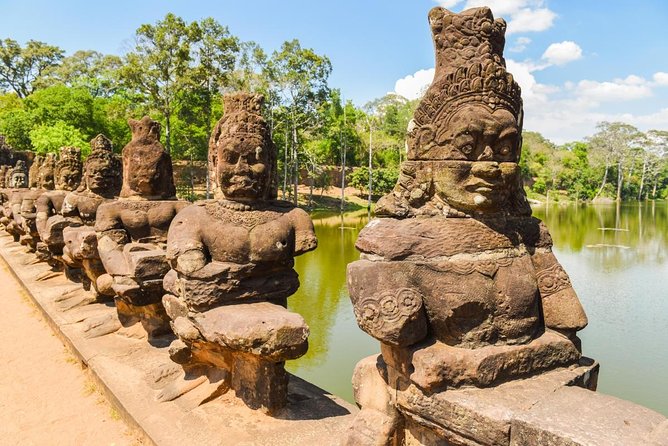
- A full small-circuit day: The route covers Angkor Thom, Bayon, Ta Prohm, Angkor Wat, and Phnom Bakheng.
- Private attention: Only your group joins the tour, so you can ask questions and request a short rest stop.
- Flexible transport choice: The price option can provide either an air-conditioned vehicle or tuk-tuk.
- The ticket is separate: You must buy the Angkor Pass before entering the park.
- Sunset is part of the plan: Phnom Bakheng is scheduled for the final hour, though exact timing can vary.
- Dress for temple rules: Cover your knees and shoulders, or entry may be refused.
What this Angkor day is really designed to do
This is a highlights tour, not a slow archaeological study. The route gives you a strong first look at the Angkor area in one long day, with a guide explaining the temples as you go.
You will be collected at your Siem Reap hotel lobby and returned there afterward. Give the operator your hotel name and address when booking. The tour includes an English-speaking licensed guide, private transfers, drinking water, cool towels, service charges, and current government VAT.
You choose between a private air-conditioned vehicle and a tuk-tuk through the selected price option. I would favor the car if you want relief from heat, dust, and long hours on the road. A tuk-tuk gives you more open-air feeling, but this itinerary can be tiring, and the air-conditioned option is the more comfortable choice for most people.
The listed cost is $61.75 per person, with group discounts available. That is a fair price for a private guide, driver, hotel transfers, and an entire day of transport, but it is not the final cost. You still pay for the Angkor Pass, lunch, and tips. Local restaurant meals are listed at about $3 to $10 per dish.
More temples within reach of Siem Reap:
- Siem Reap Tour: Angkor Wat Sunrise, Bayon, Ta Prohm, Banteay Srei
★ 5.0 · 931 reviews - Siem Reap: Bike the Angkor Temples – Full-Day 30km Tour
★ 5.0 · 463 reviews - Preah Vihear: Full-Day Preah Vihear and Koh Ker Temple Tour
★ 4.9 · 263 reviews
Angkor Thom begins with a row of stone faces
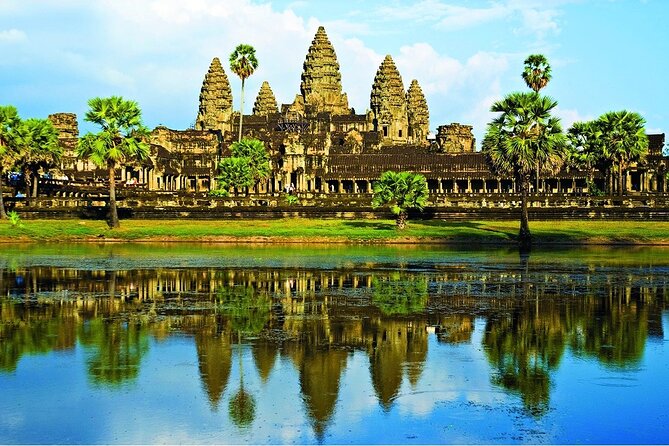
Your first stop is the South Gate of Angkor Thom, one of the most recognizable entrances in the park. The gate has been restored, and many of its carved heads remain in place. It sits on the main road from Angkor Wat into Angkor Thom, so you get an immediate sense of entering a planned royal city rather than visiting one isolated temple.
The stop lasts about 30 minutes. That is enough for photographs and a guide’s explanation, but not enough for a close study of every carving. Take a moment to look along the approach road, not only at the gate itself. The scale of the entrance helps you understand the city’s power before you reach its central temples.
Bayon follows, with about an hour to explore. Built roughly a century after Angkor Wat, it is famous for its serene stone faces and crowded towers. The temple sits at the center of Angkor Thom, and its tight passages can feel confusing without someone pointing out what you are seeing.
This is one of the tour’s strongest stops for guided interpretation. A good guide can explain how Bayon differs from Angkor Wat and why its location inside the royal city matters. Guides named Rain and Mr Sara have been praised for clear explanations and help with photographs, while Leap and Thoun have also led highly rated outings. Your assigned guide may differ, so do not book on the assumption that one particular person is guaranteed.
Angkor Thom reveals the royal city beyond Bayon
After Bayon, you spend about 30 minutes within Angkor Thom itself. The city was not simply a collection of shrines. Its walls, gates, terraces, and central temple formed a large royal and religious center.
The short stop works well as a pause between major temples, but the label Angkor Thom can be confusing because you have already entered it at the South Gate and visited Bayon inside it. Use this time to connect the pieces: the gate, city enclosure, central temple, and ceremonial terraces all belong to one grand plan.
Baphuon gets another 30 minutes. This temple rises on a long rectangular sandstone base with several levels of similar size. It has a different shape from temples that narrow dramatically toward the top, and its elevated position gives you a useful sense of how Khmer builders handled scale.
Phimeanakas is also allotted 30 minutes. It sits near the center of the former Royal Palace area and was likely topped by a golden pinnacle, according to an account from the Chinese visitor Zhou Daguan. Much of the appeal here is its place within the royal compound, rather than a single famous view or carving.
Terraces turn royal power into stone
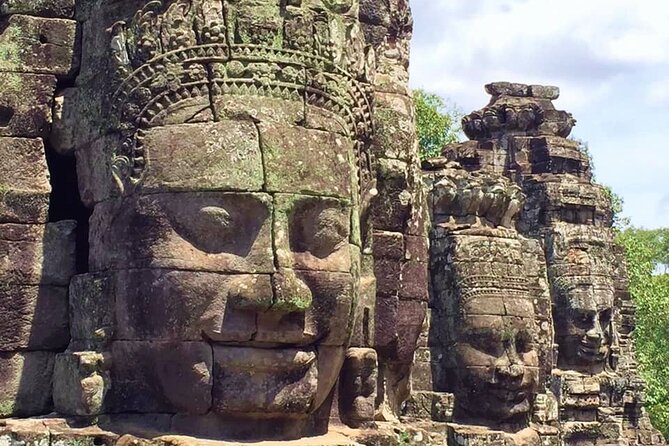
The Terrace of the Elephants receives about 45 minutes, giving you a little more time than several earlier stops. Its name comes from elephant carvings and scenes connected with servants, princes, and royal ceremony.
The terrace was built for display. Its long frontage is easier to understand when your guide explains how it related to processions and public events. It is not a temple in the same sense as Bayon or Angkor Wat, so visitors who expect towers may find it less immediately dramatic. I like it as a way to see how Angkor’s rulers used architecture for public theater.
The Terrace of the Leper King follows for about 30 minutes. Its carved surfaces include dramatic bas-reliefs on both the inner and outer faces. The terrace carries the grandeur associated with the reign of Jayavarman VII, but its details reward careful attention more than a quick photograph.
Here, your guide’s skill matters. The carvings can look like a dense wall of figures if you do not know what to look for. Ask your guide to point out the interior reliefs as well as the outer face, since the less obvious side may hold the more interesting details.
A few more things to do in Siem Reap worth a look
- 1-Day Amazing Angkor Wat Tour with Sunset & All Interesting Major Temples
★ 5.0 · 308 reviews - 1-Day private Angkor Temple Tour from Siem Reap
★ 4.9 · 178 reviews - 1-Day Angkor Wat Sunrise & All Interesting Temples Private Tour
★ 5.0 · 174 reviews - Angkor Wat Sunrise Small-Group 1-Day Tour from Siem Reap
★ 5.0 · 107 reviews
Ta Nei provides a quieter change of pace
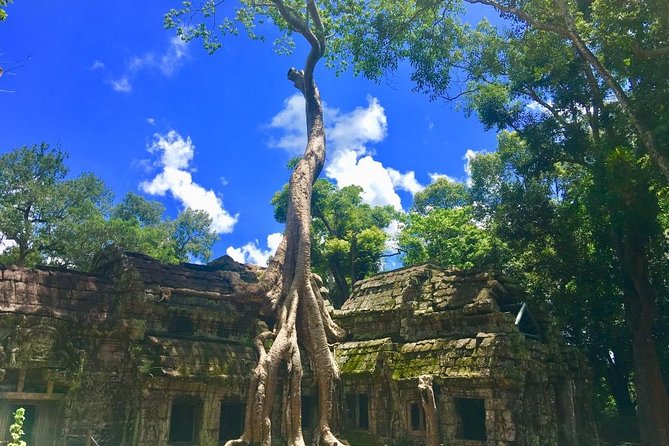
Ta Nei is a late 12th-century stone temple built during the reign of Jayavarman VII and dedicated to the Buddha. It lies near the northwest corner of the East Baray, a large sacred reservoir.
The planned 30-minute visit gives the day a useful change of rhythm. After the formal terraces and busy main monuments, Ta Nei offers a smaller setting. The tour information does not promise a long, unhurried exploration, so consider this a brief stop that adds variety rather than a full afternoon at a remote ruin.
This is also where the schedule can feel tight. The listed visits total about eight and a half hours before allowing for hotel pickup, driving, meals, or delays. The advertised duration is 7 to 9 hours, so the guide may need to adjust time at individual sites. If a particular temple matters most to you, say so early in the day.
Ta Prohm is the day’s most atmospheric ruin
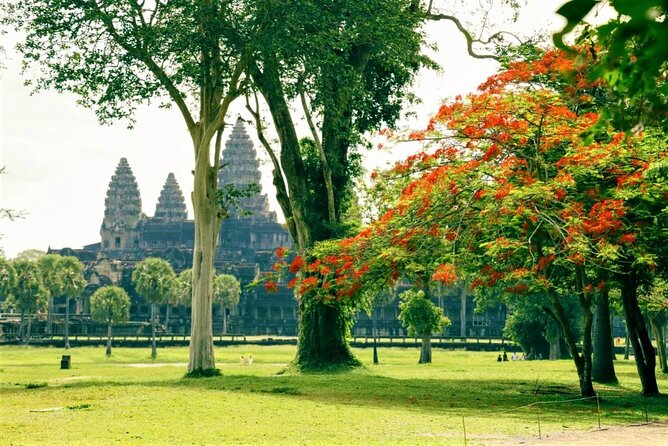
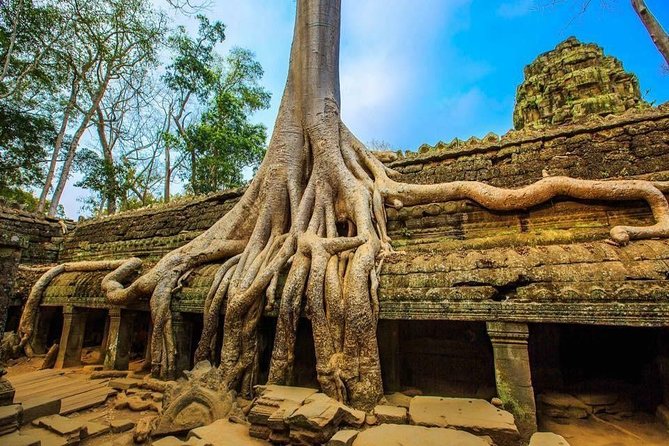
Ta Prohm receives about an hour, and that time is well spent. The temple is famous for trees growing through and over the stone, creating the impression of a ruin being reclaimed by the forest.
The site has been left largely untouched apart from clearing visitor paths and adding structural support. That gives Ta Prohm a different feeling from the more orderly Angkor Wat. You see fallen stones, roots, narrow passages, and carved galleries in a setting that feels less controlled.
The word untouched needs a little care. Ta Prohm has been stabilized for safety, and paths guide you through the complex. Still, its rough edges make it one of the most memorable stops on the route.
Your guide can help you avoid treating the temple as only a photo backdrop. Look for the remaining carvings and ask about the temple’s original religious purpose. Allow time to walk slowly instead of rushing from one famous tree to the next.
Angkor Wat deserves the longest visit
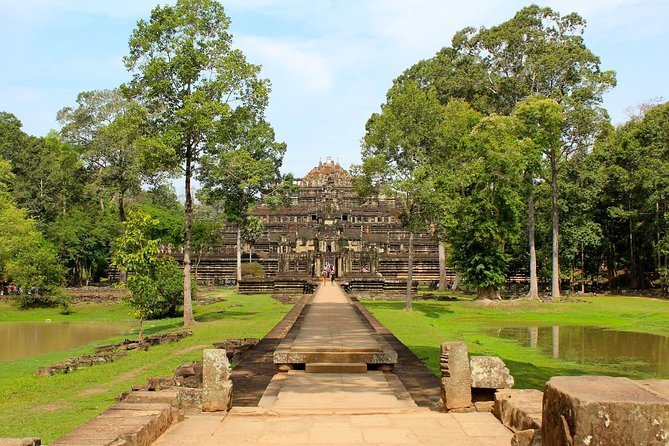
The itinerary allows two hours at Angkor Wat, the longest stop of the day. That is appropriate. Angkor Wat is the largest and best-preserved monument in the Angkor group, with carefully balanced proportions, galleries, sculpture, and reliefs.
Two hours is enough for a meaningful first visit, but it is not enough to inspect every corridor. You will want to see the approach, outer galleries, central structure, and major carvings while also listening to your guide. Wear shoes suitable for uneven surfaces and keep water close.
The temple is a place of worship, not just an ancient monument. Cover your shoulders and knees. The dress rule applies to men and women, and failure to follow it can lead to refused entry at selected temples.
The order of the day may matter here. Angkor Wat is listed after Ta Prohm, with Phnom Bakheng at the end for sunset. That arrangement gives you the monument after several other sites have supplied context, but the exact light and crowd conditions are not guaranteed. If you want a sunrise visit at Angkor Wat, this tour description does not promise one.
Phnom Bakheng finishes the route with a broad view
The final listed stop is Phnom Bakheng, a temple mountain dedicated to Shiva and the highest temple in the Angkor Archaeological Park. The site offers broad views across the area and is timed for sunset over the ancient city.
You have about an hour here. That allows time to reach the viewpoint, see the temple, and wait for the light to change. Sunset timing can be affected by traffic, the length of earlier stops, and conditions at the site, so treat the schedule as an aim rather than a guarantee.
The appeal is the view rather than detailed carving. After a day spent examining doorways, reliefs, and towers, Phnom Bakheng lets you step back and see how much of the Angkor area lies around you. It is a fitting last stop, though anyone who dislikes crowded viewpoints may prefer to spend more time at a temple earlier in the day.
What the guide adds, and where the tour can vary
A private guide changes the day more than the vehicle does. You can ask why a temple was built, request help with photographs, or explain that someone in your group needs a break. One booking continued after a participant became unwell, with the guide helping return that person to the hotel before the rest of the tour went on.
Several guides have received especially strong praise for friendliness, explanations, and assistance with photos. Mr Sara has been described as patient and helpful, while Rain has led an outing covering the major sites and helping with pictures. Leap and Thoun have also been named as an effective guide and driver team.
English ability may vary by guide. One otherwise positive experience found the guide’s pronunciation difficult to follow and wanted fuller explanations. That is worth keeping in mind if detailed interpretation is your main reason for booking a private tour.
Is $61.75 good value for a private Angkor day?
For a solo visitor, $61.75 is a reasonable convenience price if you value a private vehicle, guide, and hotel transfers. For two or more people, the price becomes easier to justify because you are sharing the private service within your own group.
The price is less attractive if your only goal is transport. Local tour stalls and independent arrangements may cost less, but you would need to organize the driver and guide yourself. This tour removes that work and gives you a planned route through the main monuments.
Budget separately for the Angkor Pass, lunch, and tips. The guide assists with buying the pass at the entrance to Angkor Park, but the ticket itself is not included. Lunch is also on your own, with local restaurant dishes listed around $3 to $10.
Who should book this private temple tour?
I would recommend it for a first visit to Siem Reap, especially if you have one full day for Angkor and want the main sights covered without negotiating with drivers. It suits couples, families, and small groups who like having their own guide and the option of an air-conditioned car.
It is also a good fit if you want practical help with photographs, temple orientation, and the day’s transport. The private format gives you more control than a large group bus, although the packed schedule still limits how much time you can spend at each place.
I would hesitate if you want a slow, scholarly visit to only two or three temples. You may prefer a custom private day with fewer stops. I would also think twice if the separate ticket and meal costs push the total beyond your budget.
Should you book it?
Book this tour if you want Angkor’s major highlights in one organized day, with a private guide, hotel pickup, and sunset views built into the plan. The strongest parts are Bayon, Ta Prohm, Angkor Wat, and the freedom of traveling with only your group.
Before paying, decide which transport you want, check that your clothing covers knees and shoulders, and budget for the Angkor Pass, lunch, and tips. Free cancellation is available up to 24 hours before the start time. If you accept the quick pace and extra costs, this is a practical first introduction to Angkor.
FAQ
Is hotel pickup included?
Yes. Pickup and drop-off at your Siem Reap hotel are included. You need to provide the hotel name and address so the guide and driver can meet you in the lobby.
How long does the tour last?
The tour lasts approximately 7 to 9 hours.
Is this a private tour?
Yes. Only your group participates in the activity.
Is the Angkor Pass included?
No. The Angkor Pass is not included. Your guide assists you with purchasing it at the entrance to Angkor Park.
Are meals included?
No. Lunch is paid separately. Local restaurants offer vegetarian and non-vegetarian choices, with dishes listed at about $3 to $10 each.
What should I wear to the temples?
You must cover your knees and shoulders at places of worship and selected temples. This applies to both men and women, and you may be refused entry if you do not follow the dress code.
Just added in Siem Reap
- 1-Day Angkor Wat Private Tour with Spanish Tour Guide.★ 5.0 · 9 reviews
- Sky Venture Microlight Siem Reap★ 4.9 · 18 reviews
- Angkor Wat plus Balloon Ride with Khmer Lunch★ 5.0 · 46 reviews
- Angkor Wat: Small-Group Tour with Balloon Ride and Lunch★ 4.6 · 13 reviews
- Private Airport Transfer: Siem Reap Angkor (SAI) ↔ City Hotels★ 5.0 · 63 reviews
- Private Angkor Wat Temple Tour★ 5.0 · 76 reviews
- Siem Reap: 3-Hour Ancient Trails Motorbike Tour★ 4.8 · 71 reviews
- Angkor Wat Private Tour in a Tuk Tuk★ 5.0 · 69 reviews
Angkor Temple Tours, compared.
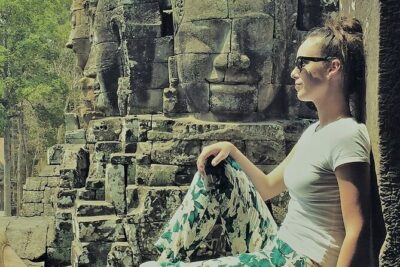
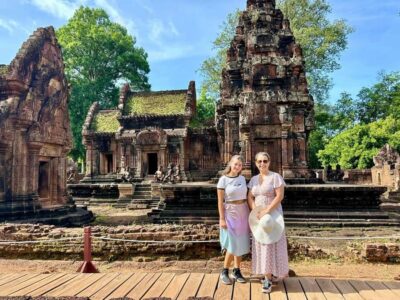
Siem Reap Tour: Angkor Wat Sunrise, Bayon, Ta Prohm, Banteay Srei
Read our review →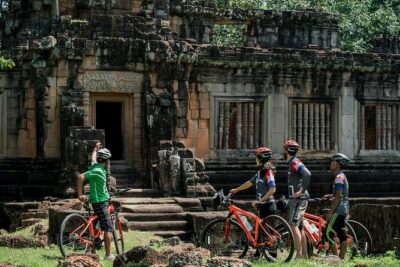
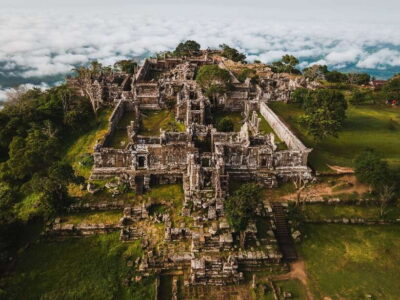
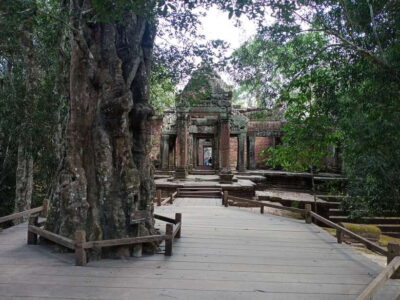
1-Day private Angkor Temple Tour from Siem Reap
Read our review →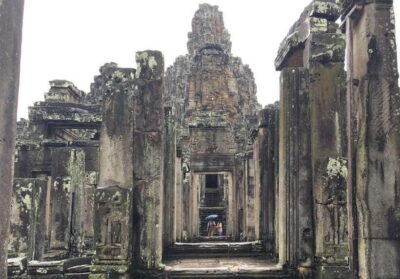

Private one-day tuktuk ‘small tour’ of the oldest Angkor temples
Read our review →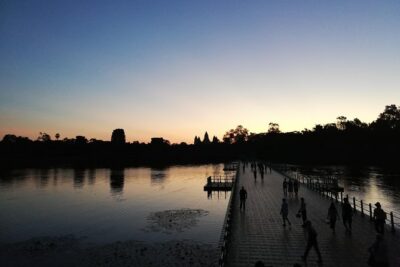
Angkor Wat Private Driver Tours to Angkor Wat Sunrise, Angkor Thom & Ta Prohm
Read our review →Browse the lists this tour appears in