
Reviewed · KHMER COOKING CLASSES
Cambodian Village Cooking Class
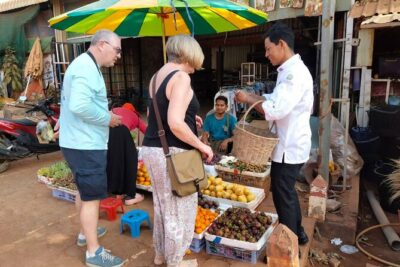
The best part of this Siem Reap cooking class begins before you reach the kitchen. At Psar Chaa, also called the Old Market, Sophia guides you through Cambodian produce, herbs, fruit, fish, and other everyday ingredients before you cook with them yourself. You then trade the market noise for a peaceful open-air pavilion beside a lake.
I like the small group of no more than eight, since cooking instruction works best when the chef can watch your knife work and answer questions. I also like the full package: tuk-tuk pickup, a market visit, three hands-on dishes, drinks, a recipe booklet, and hotel drop-off for $32.
The main consideration is timing. The class is advertised at about three hours, but the market visit and cooking can take longer, especially if a late arrival holds up the group. Leave a little space in your schedule rather than booking a temple tour immediately afterward.
Key points to know before booking
- Start at Psar Chaa: You shop and learn about ingredients in a working local market, not just a demonstration kitchen.
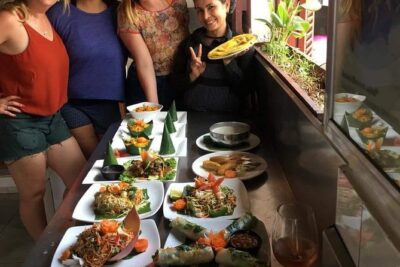
- Cook three Cambodian dishes: The menu includes fresh rice-paper spring rolls, Cambodian curry, and bananas in palm sugar.
- Small groups matter: The maximum is eight people, giving you more direct help from the chef.
- Eat what you prepare: Your finished dishes become a three-course meal, served with a local beer or soft drink.
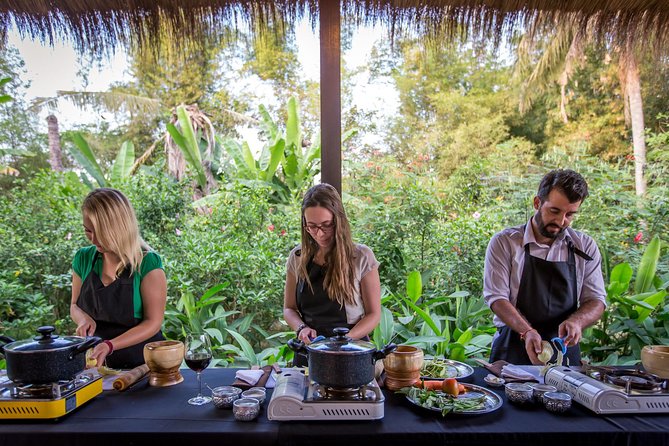
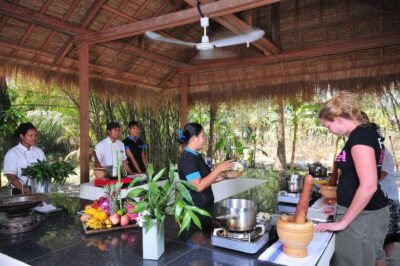
- Enjoy a quiet rural setting: The cooking pavilion overlooks a lake and provides a welcome change from central Siem Reap.
- Take the lesson home: A recipe book is included, so you can try the dishes again after Cambodia.
Why this cooking class is more than a meal
Siem Reap is filled with cooking classes, but this one combines three useful pieces in a sensible order: see the ingredients, learn the techniques, then eat the results. I find that structure far more useful than simply watching a chef prepare a dish.
The class also gives you a brief look beyond the temple circuit. You begin in town, but the cooking takes place in a rural setting outside Siem Reap. That change of scene helps the experience feel connected to everyday Cambodian food rather than designed only for tourists.
You are not expected to arrive as a skilled cook. The class is built around guidance, and the chefs explain the ingredients and steps as you work. Several dishes use different techniques, so you get more than one recipe to remember when you return home.
More Cooking Classes in Siem Reap
- Khmer Cooking Class at a Local’s Home in Krong Siem Reap
★ 5.0 · 2,731 reviews - Siem Reap: Khmer Cooking Class at a Local’s Home
★ 5.0 · 1,108 reviews - Award-Winning Cooking Class Experience with Professional Teacher
★ 5.0 · 745 reviews
The tuk-tuk ride sets the pace
Pickup and drop-off by tuk-tuk are included from your hotel. That is a useful detail in Siem Reap, where arranging separate transport can add time and cost to a short activity.
The ride takes you first to the market, then onward to the cooking site. The driver is part of the service, not simply an afterthought, and one driver was praised for arriving on time and speaking excellent English. Still, confirm your pickup details when booking and be ready at your hotel.
The activity is offered in the morning or afternoon. A morning session fits well before a late lunch, while an afternoon class can work after a relaxed start to the day. Since the tour lasts about three hours, check the timing against your other plans.
Psar Chaa: the useful first stop
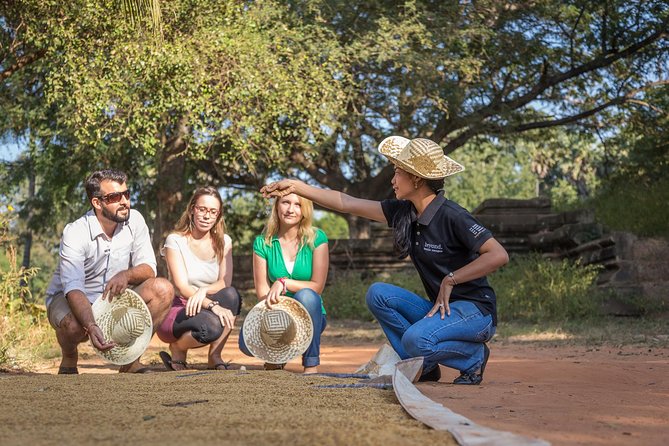
The market visit is one of the strongest parts of the experience. You walk through Psar Chaa with a guide who explains the fruit, vegetables, herbs, meats, fish, and other ingredients used in Cambodian kitchens.
This is not just a quick photo stop. The market provides the setting for learning how Cambodian cooks choose and use food. You may see ingredients that are unfamiliar, and the guide can explain how they fit into local dishes. Tastings of local items have also been part of the market visit.
I particularly like this step because it gives you a reason to notice details. A pile of herbs becomes part of a curry. A fruit you might otherwise pass becomes dessert. The class connects what you see on the stall to what later appears on your plate.
The market is a working place, so it may feel crowded and lively. That is part of its value, but it also means you should expect an active public market rather than a polished food hall. Wear comfortable shoes and keep your belongings secure.
The market visit usually takes about 45 minutes, though the exact pace can change with the group. If you enjoy food shopping and questions, this may be the most informative part of the morning. If you only want to cook, remember that the market tour is a real part of the experience, not filler before the lesson.
From market stalls to the lakeside pavilion
After Psar Chaa, you head by tuk-tuk to the purpose-built cooking area. The setting is an open-air kitchen pavilion beside a lake, with a calm view that contrasts nicely with the market.
The facilities have been described as clean and modern, and the cooking area is arranged for hands-on work. You receive refreshments, bottled water, and a cold towel, which are small but welcome touches in Cambodia’s heat.
Heat is a reasonable concern when booking a cooking class in Siem Reap. The open-air design means you are not in a sealed restaurant kitchen, but the setting has been arranged so the heat is manageable. Even so, bring water, use sun protection, and choose light clothing.
The rural setting is also part of the meal. Once the cooking is finished, you eat beside the water rather than rushing away from the worktop. It gives the class a gentle finish and makes the meal feel like an occasion.
Other classes where you cook in Siem Reap:
- Cambodian Cooking Class from Siem Reap
★ 4.9 · 190 reviews - Siem Reap Cooking Class
★ 5.0 · 170 reviews - Khmer Gourmet Cooking Class
★ 5.0 · 145 reviews - Khmer Cooking Class Half Day (AM or PM)
★ 5.0 · 316 reviews
The three dishes you prepare
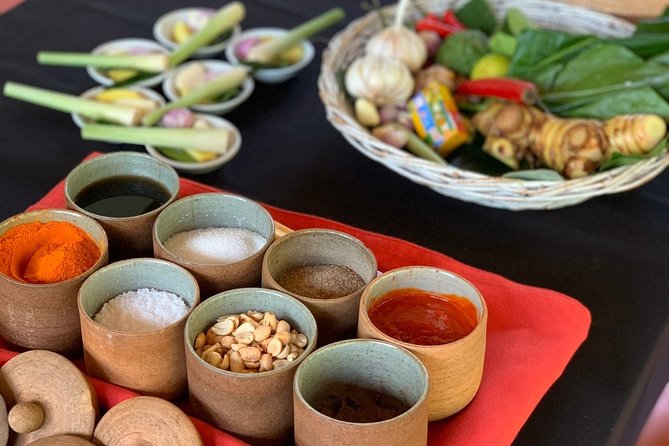
The menu is compact but well chosen. Each dish gives you a different kind of task, and together they create a full three-course meal.
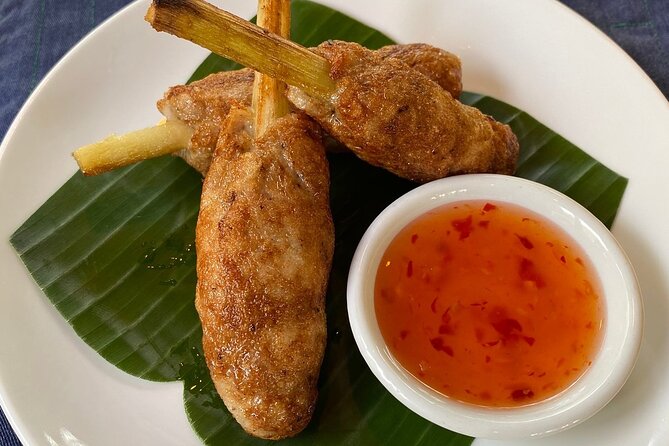
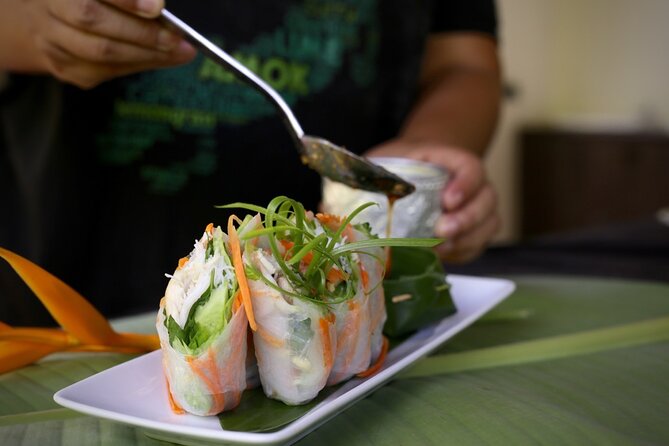
Fresh rice-paper spring rolls
You begin with fresh rice-paper spring rolls. This is a good introductory dish because it involves assembling ingredients and learning how to handle delicate rice paper.
The focus is on balance and preparation rather than heavy cooking. You get to work with fresh components and see how Cambodian flavors can be clean and light. The dish also makes a practical first recipe to repeat at home.
Cambodian curry
The curry provides the central cooking lesson. Here you work with Cambodian spices and ingredients gathered after the market tour, following the chef’s instructions step by step.
The value is not only the finished bowl. You learn how ingredients are combined and how a local curry differs from versions you may have eaten elsewhere in Southeast Asia. The exact pace depends on your group, but the chef provides support for beginners.
If you are new to cooking, pay attention to the preparation stage. Good knife skills and careful handling make the later steps easier. One account specifically praised the chance to learn recipes and knife work, which is useful if you want something practical rather than a purely social activity.
Bananas in palm sugar
Dessert is bananas in palm sugar. This gives the meal a distinctly Cambodian finish and introduces a simple sweetener with a flavor different from ordinary white sugar.
It is also an approachable recipe to recreate. The dessert does not require a long list of unusual ingredients, and the recipe book helps you remember the method.
How hands-on is the class?
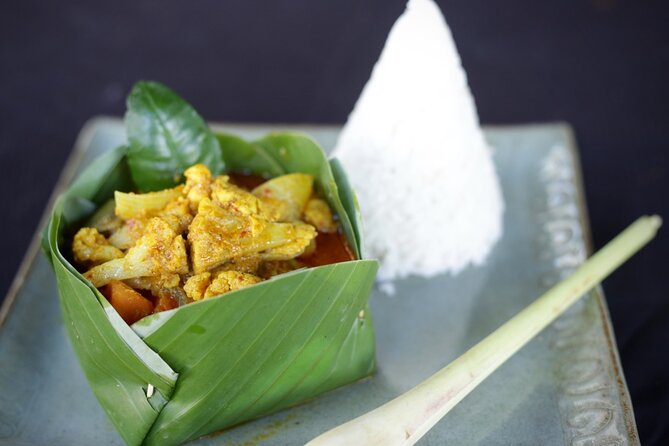
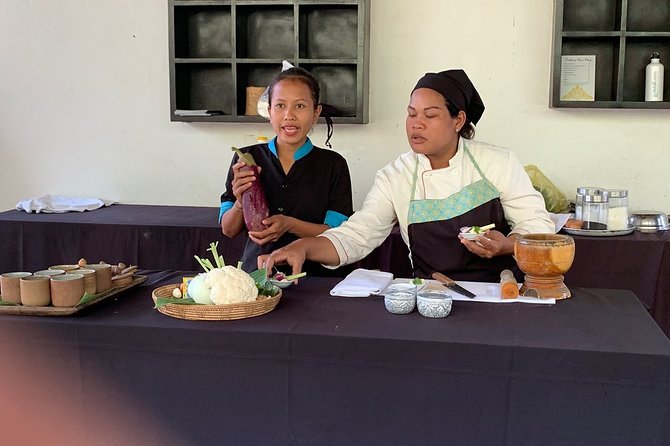
This is a participation-based lesson, not a chef demonstration where you watch from a chair. You prepare the dishes yourself with help from the chef and assistant.
That matters because the finished meal feels earned. You are not simply served Cambodian food. You have handled the ingredients, followed the instructions, and seen the cooking process from market to plate.
The small-group limit of eight is a real advantage. A large class can leave you waiting for help, especially during chopping or cooking. Here, the chef can give more direct attention, which is useful for first-time cooks and families.
The class also works for people with different skill levels. Beginners can follow the steps with help, while experienced home cooks can ask more detailed questions about ingredients and technique. The instructors have been praised for patience, humor, and clear explanations.
Names connected with the class include Sophia or Sofia as host and guide, and chefs listed in accounts as Sinat, Pry, Prey, Grey, and Not. Spelling varies, so do not worry if the name you receive at pickup looks slightly different. The important point is that the guide handles the market portion and the chef leads the cooking.
The meal and what you take home
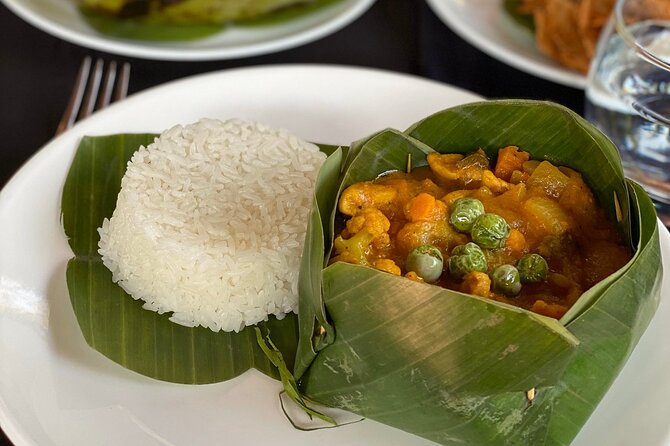
Once the dishes are ready, you sit down to eat the meal you prepared. The three courses are served in the lakeside setting, and a local beer or soft drink is included.
Bottled water and a cold towel are also provided. These details are especially useful after walking through the market and working in an open-air kitchen.
The recipe book is one of the best practical extras. It turns the class into something you can use after your trip. You can try the spring rolls, curry, and banana dessert at home, then adjust the recipes to suit your own kitchen.
Do not expect a professional culinary certificate or an advanced chef curriculum. This is a friendly half-day introduction to Cambodian food. Its strength is the combination of shopping, cooking, and eating in one outing.
Is $32 good value?
At $32 per person, the price is fair for what is included. You are paying for about three hours of activity, hotel tuk-tuk transfers, a market tour, instruction, ingredients, a three-course meal, drinks, bottled water, a cold towel, and the recipe book.
Booking separate transport and a restaurant meal could quickly reduce the price difference. More important, you would miss the guided market walk and the chance to prepare the food yourself.
The value is strongest if you plan to cook again at home. The recipe book and practical instruction give the experience a life beyond one lunch. It is also good value for couples, families, and small groups who want an activity that is social but still focused.
The price may feel less compelling if you want a long, technical cooking course or a highly specialized menu. The class is designed for a broad audience, so expect clear instruction and approachable dishes rather than advanced culinary theory.
Who should book this experience?
I would recommend it to anyone who enjoys food and wants a break from temple visits. It is especially suitable for first-time visitors who want a direct introduction to Cambodian ingredients without committing to a full-day course.
Families can also do well here. The instructors are supportive, and the hands-on format gives children and adults something to work on together. The maximum group size helps keep the class manageable.
It suits solo visitors, too. One booking has been accommodated rather than canceled, with the company providing the class for a single participant. That shows some flexibility, though you should confirm the arrangements if you are the only person booked.
The class is less suitable if you dislike markets, open-air cooking, or short rides in a tuk-tuk. It is also not ideal for a tightly packed itinerary. Allow extra time beyond the three-hour estimate so a late group member or a longer market visit does not disrupt your day.
Most dietary needs and allergies can be catered for, but you must provide those details when booking. Service animals are allowed. If food restrictions are important to you, state them clearly in advance rather than waiting until the class begins.
Small details that can improve the day
Arrive ready for warm conditions, even though the cooking site is designed to be comfortable. Light clothing, secure footwear, and sun protection will make the market walk and outdoor lesson easier.
Keep your schedule flexible. The experience is advertised as approximately three hours, but the full outing can stretch longer. The market portion is worth taking at a relaxed pace, and cooking groups do not always move at exactly the same speed.
If punctuality matters to you, be at the hotel pickup point early. A late arrival can affect the rest of the group, particularly during the market visit. This is a small-group activity, so each person’s timing has more impact than it would on a large bus tour.
The tour offers free cancellation if you cancel at least 24 hours before the start time. Inside that window, you will not receive a refund, and changes are not accepted. The cut-off follows local time in Siem Reap.
Should you book the Cambodian Village Cooking Class?
Book it if you want Cambodian food to become more than something you order at a restaurant. The market visit, patient instruction, lakeside setting, and recipe book give you a useful, well-paced introduction to Khmer cooking.
I especially recommend it for a free morning or afternoon between temple visits. The class adds local food, a rural setting, and a relaxed social activity to a Siem Reap itinerary without taking a full day.
Skip it only if you want an advanced culinary course, dislike market visits, or have no room for a flexible three-hour outing. For most food-focused visitors, the $32 price is sensible, and the chance to cook and eat your own three-course Cambodian meal makes this one of the better short activities in Siem Reap.
FAQ
How long does the Cambodian Village Cooking Class last?
The experience lasts approximately three hours, though the actual timing can vary. Some sessions may run longer, so avoid scheduling another activity immediately afterward.
What dishes will I cook?
You will prepare fresh rice-paper spring rolls, Cambodian curry, and bananas in palm sugar.
Is hotel pickup included?
Yes. Hotel pickup and drop-off by tuk-tuk are included.
Where does the market visit take place?
The market stop is Psar Chaa, also known as the Old Market in Siem Reap.
How many people can join the class?
The activity has a maximum of eight participants.
Is a meal included?
Yes. You eat the three-course meal you prepare during the class. A local beer or soft drink is included as well.
Do I receive anything to take home?
Yes. You receive a detailed Cambodian recipe book.
Can dietary requirements and allergies be accommodated?
Most dietary needs and allergies can be catered for. You must provide your requirements when booking.
What is the cancellation policy?
You can cancel at least 24 hours before the start time for a full refund. Cancellations or changes made less than 24 hours before the experience are not accepted and are not refunded.
More hands-on workshops in Siem Reap
- Siem Reap: Cambodian Pottery Class
★ 4.9 · 339 reviews - Cambodian Pottery Class in Siem Reap
★ 4.5 · 157 reviews - Workshop Visit and Sombai Liqueur Tasting
★ 5.0 · 90 reviews - Battambang: Cooking Class and Market Touring
★ 4.8 · 80 reviews
Just added in Siem Reap
- 1-Day Angkor Wat Private Tour with Spanish Tour Guide.★ 5.0 · 9 reviews
- Angkor Wat: Small-Group Tour with Balloon Ride and Lunch★ 4.6 · 13 reviews
- Sky Venture Microlight Siem Reap★ 4.9 · 18 reviews
- Angkor Wat plus Balloon Ride with Khmer Lunch★ 5.0 · 46 reviews
- Siem Reap: 3-Hour Ancient Trails Motorbike Tour★ 4.8 · 71 reviews
- Angkor Wat Private Tour in a Tuk Tuk★ 5.0 · 69 reviews
- Angkor Silk Farm & Lotus Silk Farm: Siem Reap Discovery Tour★ 4.8 · 68 reviews
- Angkor Wat Sunrise Tour By E-Bike Experience With Breakfast Included★ 5.0 · 76 reviews
Khmer Cooking Classes, compared.
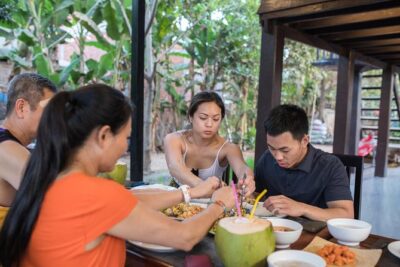
Khmer Cooking Class at a Local’s Home in Krong Siem Reap
Read our review →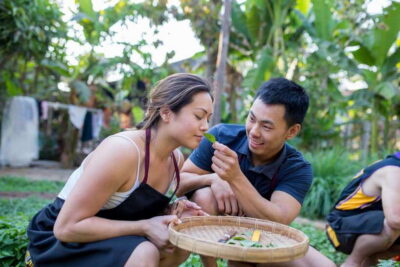
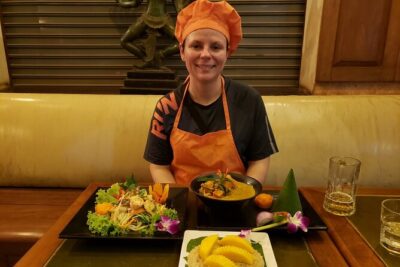
Award-Winning Cooking Class Experience with Professional Teacher
Read our review →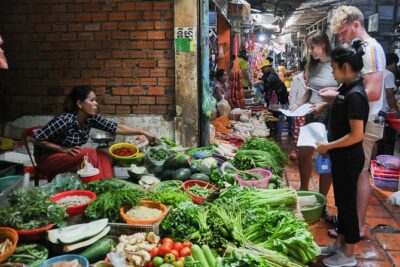
Browse the lists this tour appears in