
Reviewed · ANGKOR TEMPLE TOURS
Exclusive Angkor temples and Small group temples tours
The best part of this full-day outing is its sweep through the main Angkor sights, ending with sunset at Phnom Bakheng. You move from the great South Gate and the giant stone faces of Bayon to the tree-covered ruins of Ta Prohm, then give Angkor Wat the time it deserves.
I like the hotel pickup and air-conditioned van or bus, especially in Siem Reap’s heat. I also like the guide’s practical role: the guide explains Khmer history and can help with photo positions, while the driver keeps the day moving. The main drawback is cost clarity: the advertised $19 does not include the $37 temple entrance fee, lunch, or dinner.
Key points at a glance
- Angkor Wat gets three hours, giving you more than a rushed photo stop.
- Bayon’s stone faces and Ta Prohm’s jungle-covered walls bring two very different moods.
- Phnom Bakheng sunset gives the day a clear finish before your hotel transfer.
- Air-conditioned transport and hotel pickup make a long temple day easier in Cambodia’s heat.
- Groups can reach 25 people, so this is smaller than a big coach tour but not a private trip.
- Mineral water is included, while meals and the temple pass are extra.
A long day built around Angkor’s great hits
This is a classic Angkor circuit, but it is arranged well for a first visit. You see the former royal city, state temples, ceremonial terraces, a famous monastery, and Angkor Wat itself before finishing at a hilltop temple.
The planned duration is about 6 to 10 hours. That wide range matters. Pickup times, walking pace, time spent at each ruin, and the sunset schedule can all affect the day. You should treat this as a full outing rather than a quick morning tour.
The tour is designed for a group of no more than 25 people. That helps keep the price low and gives you transport and a guide without paying for a private vehicle. Still, 25 is a moderate group, not an intimate one. If you want to stop whenever you like or spend a long time photographing one carving, a private tour would give you more control.
More temples within reach of Siem Reap:
- Siem Reap Tour: Angkor Wat Sunrise, Bayon, Ta Prohm, Banteay Srei
★ 5.0 · 931 reviews - Siem Reap: Bike the Angkor Temples – Full-Day 30km Tour
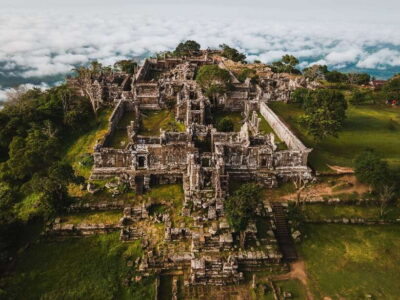
★ 5.0 · 463 reviews - Preah Vihear: Full-Day Preah Vihear and Koh Ker Temple Tour
★ 4.9 · 263 reviews
Entering Angkor Thom through the South Gate
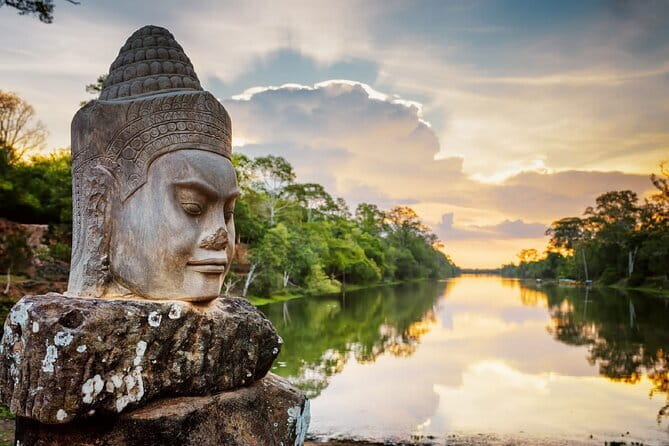
The first stop is the South Gate of Angkor Thom, with about 30 minutes planned here. This is a good introduction because the approach gives you a sense of scale before you begin walking among the temples.
Angkor Thom means great city, and it served as the Khmer capital. The South Gate is part of the city’s defensive and ceremonial entrance, so your guide can set the scene for the larger complex. This early stop also helps you understand that Angkor is not one isolated temple. It is a huge former capital with roads, gates, terraces, religious buildings, and royal spaces.
Thirty minutes is enough for an introduction and photographs, but not for a long exploration. Keep your expectations in check. The stop is about orientation and the gateway itself, not a full tour of every corner of Angkor Thom.
Bayon and the stone faces of the royal city
The itinerary allows an hour for Bayon Temple, one of the day’s most memorable stops. Built in the late 12th or early 13th century as a state temple, Bayon is known for its carved towers and large serene faces.
This is where a local English-speaking guide adds real value. At Bayon, it is easy to focus only on the faces and miss the wider story told by the reliefs and layout. A guide can help you connect the temple to King Jayavarman VII and the role of the site within Angkor Thom.
The passageways can feel confusing, with towers appearing and disappearing as you move through the stonework. An hour gives you time to see the central features without turning the visit into a long architectural study. Wear shoes suited to uneven ground, and keep some water close by. A bottle is supplied during the tour, which is useful on a warm day.
The Elephants and Leper King terraces
Next come the Terrace of the Elephants and the Terrace of the Leper King, with about 30 minutes planned for each. These are open ceremonial spaces rather than enclosed temple interiors, so the visit changes pace after Bayon.
The Terrace of the Elephants is linked to royal ceremonies and public displays. Its long carved frontage makes more sense when you view it as part of a former capital, not as a standalone monument. The Terrace of the Leper King offers a different experience, with detailed carvings and a name tied to the statue and later local interpretation.
These stops are useful for seeing how Angkor’s rulers used architecture beyond worship. The time allowance is fairly short, so your guide will likely focus on the key features. If you prefer long, quiet walks, these terraces may feel brief. If you like a varied route, they prevent the day from becoming a string of similar temple interiors.
Same base, a different kind of day out:
- Angkor Wat Sunrise or Sunset Tour with Guide from Siem Reap
★ 5.0 · 12,109 reviews - Siem Reap: Angkor Wat: Small-Group Sunrise or Sunset Tour
★ 5.0 · 9,444 reviews - From Siem Reap: Kampong Phluk Floating Village Tour by Boat
★ 4.9 · 6,979 reviews - Sunset tour of Kampong Phluk stilts home village on the Tonle Sap
★ 5.0 · 4,865 reviews
Ta Prohm, where stone meets trees
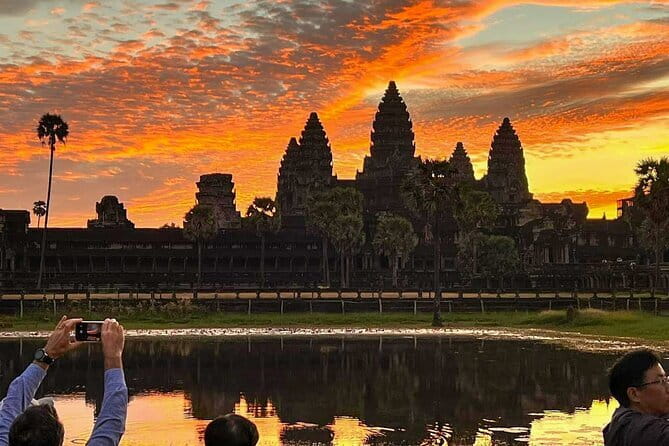
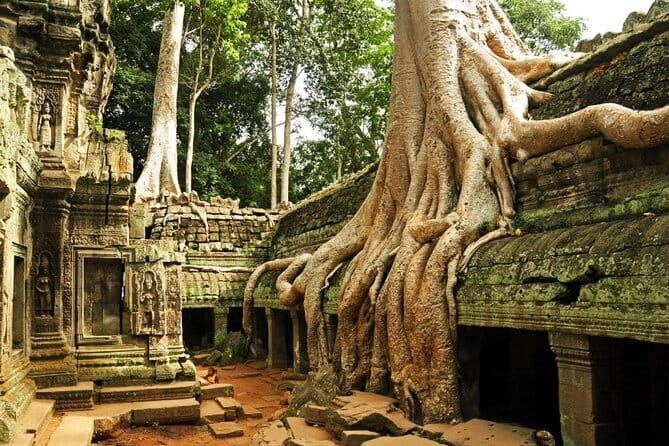
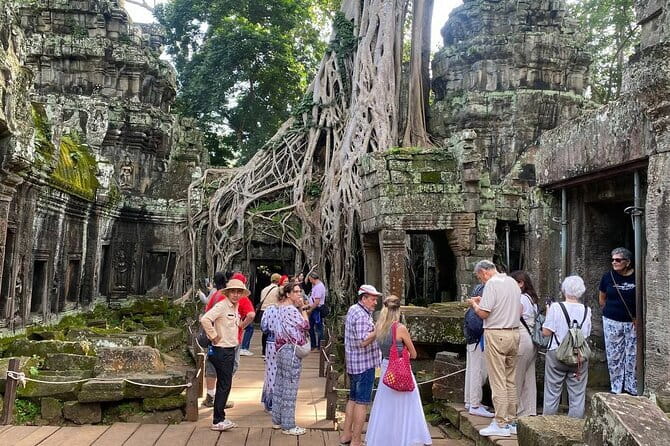
The hour at Ta Prohm is one of the tour’s strongest sections. King Jayavarman VII founded it as a Mahayana Buddhist monastery and university. Unlike many Angkor sites, Ta Prohm is closely associated with trees growing around and over the old stonework.
The appeal is visual, but the site also raises useful questions about preservation. You see a temple shaped both by Khmer builders and by centuries of exposure to nature. Your guide can explain its religious purpose and place it within the reign of Jayavarman VII.
An hour should let you see the most important parts without making the stop too tiring. Ta Prohm can also be one of the more demanding places for photography because the stone corridors, roots, and narrow spaces create a busy mix of light and shadow. Give yourself time to look up and around rather than taking only the obvious tree-and-wall picture.
The tour description presents this outing as a way to avoid packed buses and crowded sightseeing. The maximum group size is 25, so the vehicle should be more manageable than a large coach, but you should not expect private access to the temples or complete freedom from other groups.
Three hours at Angkor Wat
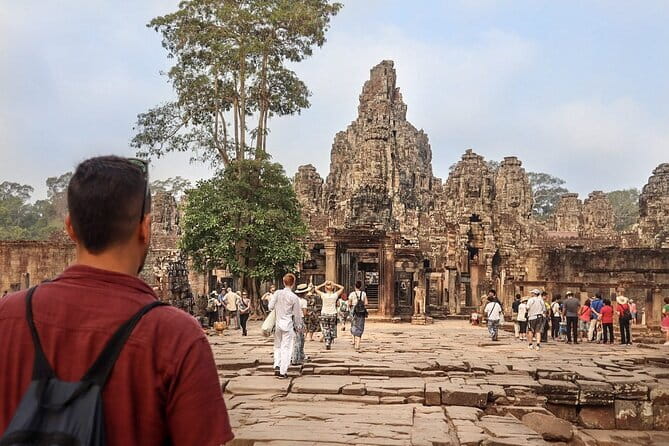
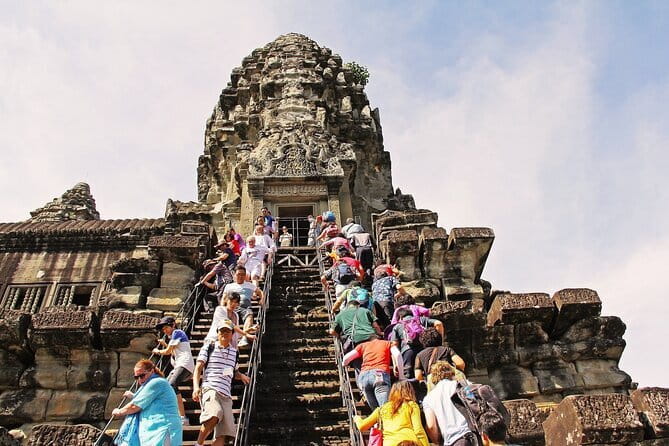
The longest scheduled visit is Angkor Wat, at about three hours. That is the right priority. Angkor Wat is the largest religious monument in the world, and a short stop would reduce it to a few exterior photographs.
You can use this time to take in the scale of the site, examine the galleries, and hear how the temple fits into Khmer religious and political life. The guide’s explanations matter here because Angkor Wat is easy to admire without understanding how its design, carvings, towers, and processional spaces work together.
Three hours may sound generous after a full day, but it will pass quickly. Walking across the grounds and through the temple requires energy, especially after Bayon, the terraces, and Ta Prohm. The air-conditioned vehicle provides a welcome break between sites, but the main visits still involve outdoor walking.
The temple pass is not included. You need to add $37 per person to the $19 tour price. That makes the practical base cost $56 before food, assuming the listed entrance price applies to your visit. The tour price looks inexpensive at first, but this combined figure is the one to use when comparing options.
Finishing at Phnom Bakheng
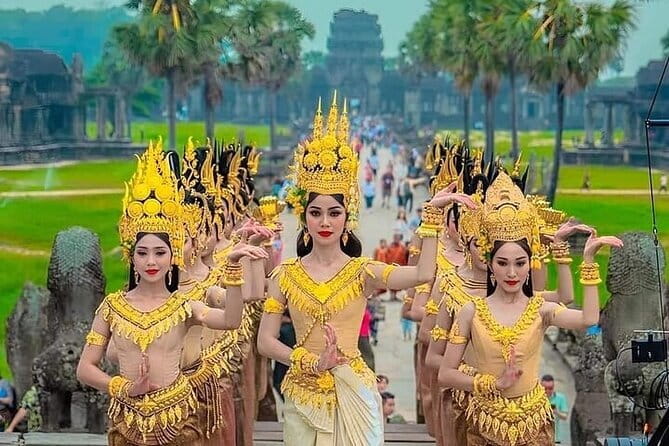
The day ends with sunset at Phnom Bakheng, a Hindu and Buddhist mountain temple. This gives the tour a natural closing moment after the larger temple complex.
The hilltop setting is different from the broad, ground-level spaces earlier in the day. You finish with a view and a quieter change of mood rather than another large temple circuit. Sunset timing also means the day’s length depends on the season and the schedule set by the operator.
The supplied details do not state how long the climb or sunset stop lasts, so plan for a final walk and allow some flexibility. By this point, comfortable footwear and water matter even more. After sunset, the driver takes you back to your Siem Reap hotel, which is a practical benefit after a long day on your feet.
What the guide and driver add
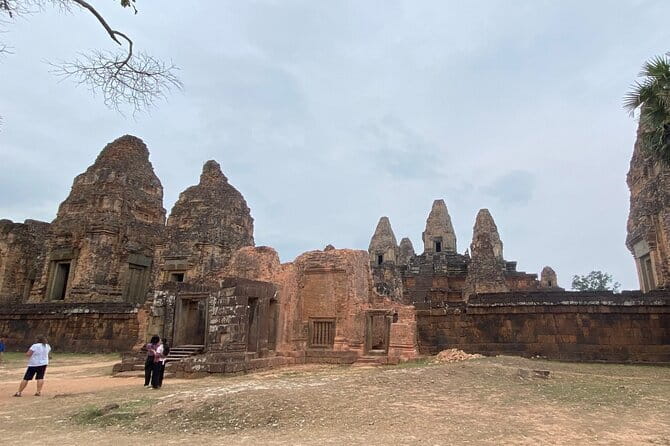
The guide is an English speaker who explains the Khmer empire and the purpose of the temples. That is important at Angkor because the complex is too large for signs alone to give you a clear story.
A particularly useful service is help with photographs. The guide and driver are described as suggesting good places to stand and taking pictures for the people in the group. That can save you from returning home with only selfies or hurried snapshots. It is a small touch, but it matters when you are traveling without someone who can frame the shot.
The guide also helps with the rhythm of the day. Angkor can become tiring when every stop feels like a separate puzzle. A guide can point out what deserves your attention and keep the group moving toward the longer visits at Ta Prohm and Angkor Wat.
Do not expect a private historian or a custom schedule at this price. The experience is built around shared transport and a shared route. Its strength is practical coverage, not total flexibility.
Transport, food, and the true price
Hotel pickup and drop-off are included for the hotel where you stay. The vehicle is air-conditioned and may be a van or bus. That is a major comfort in Siem Reap, where a full temple day includes long periods outside.
Mineral water is included during the tour. Meals are not. You need to budget for lunch and dinner, since the day may run from morning through sunset. The information provided does not name a restaurant or specify a meal stop, so do not assume food is part of the schedule.
The $19 headline price is attractive, but it is only part of the budget. Add the $37 temple entrance fee, then allow money for meals. For a first-time Angkor visit, the value is still good if you want the main sights, transport, a guide, and a sunset finish in one day.
The free cancellation rule is also fairly flexible: you can cancel up to 24 hours before the start time for a full refund. Changes or cancellations made less than 24 hours before the start time are not accepted for a refund. Cut-off times use local time.
Who should book this Angkor tour?
I would choose this tour if you are staying in Siem Reap and want a well-priced first look at Angkor’s major temples without arranging transport yourself. It suits couples, solo visitors, and small groups who value a guide, hotel transfers, and a clear route.
It is also a good fit if you want Angkor Wat to receive proper attention. Three hours there is more satisfying than a route that tries to squeeze in every possible ruin.
I would think twice if you dislike fixed schedules or shared vehicles. A group of up to 25 can limit how long you linger, and the 6 to 10 hour duration makes this a demanding day. You also need to organize your own meals and pay separately for the temple pass.
Should you book it?
Book it if your priority is seeing Angkor Thom, Bayon, Ta Prohm, Angkor Wat, and Phnom Bakheng in one guided day, with hotel transport and water included. The driver’s help with photos and the air-conditioned vehicle add practical value, while the guide gives the temples a human and historical frame.
Skip it if you want a private pace, a tightly customized itinerary, or included meals. For most first visits, though, the low tour price, broad coverage, and three-hour Angkor Wat stop make this a sensible way to begin exploring Siem Reap.
FAQ
What does the $19 tour price include?
The price includes an English-speaking guide, an air-conditioned van or bus, mineral water during the tour, and pickup and drop-off at your hotel.
Is the Angkor temple entrance fee included?
No. The temple entrance fee is listed as $37 per person and must be paid separately.
Are lunch and dinner included?
No. Meals are not included, so you should budget separately for lunch and dinner.
How long does the tour last?
The tour lasts approximately 6 to 10 hours. The exact length can vary with the day’s schedule and sunset timing.
Which temples and sites are visited?
The route includes Angkor Thom South Gate, Angkor Thom, Bayon Temple, the Terrace of the Elephants, the Terrace of the Leper King, Ta Prohm Temple, Angkor Wat, and sunset at Phnom Bakheng.
How many people can join the tour?
The maximum group size is 25 people. It is a shared small-group tour rather than a private experience.
Just added in Siem Reap
- Twilight Tastes of Siem Reap Include Dinner★ 5.0 · 13 reviews
- Ultimate Sunrise to Angkor Wat, Angkor Thom and Bayon Temple★ 5.0 · 3 reviews
- Trekking Tour at Phnom Kulen National Park from Siem Reap★ 5.0 · 3 reviews
- Full-Day Private Tour of Angkor Wat with Pick Up★ 5.0 · 12 reviews
- Private Day Trip to Angkor Temples with Expert Guide★ 5.0 · 4 reviews
- Siem Reap City Tour with War Museum and Killing Field★ 5.0 · 27 reviews
- Waterfall & River of 1000 Siva Linga- Kulen Mountain Private Tour★ 5.0 · 3 reviews
- Angkor Wat Experience Temple Pass and Siem Reap Food Tour★ 5.0 · 13 reviews
Angkor Temple Tours, compared.
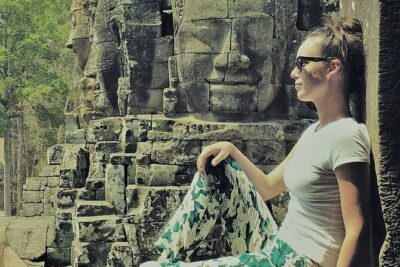
Siem Reap Tour: Angkor Wat Sunrise, Bayon, Ta Prohm, Banteay Srei
Read our review →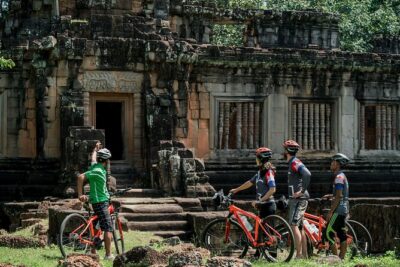
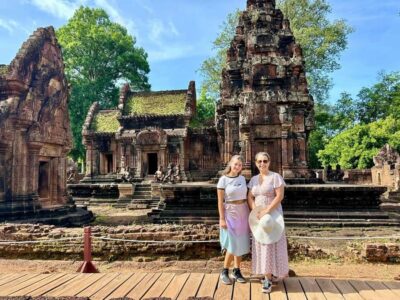
Angkor Wat one Day Private Tour for All Highlight Angkor Temples
Read our review →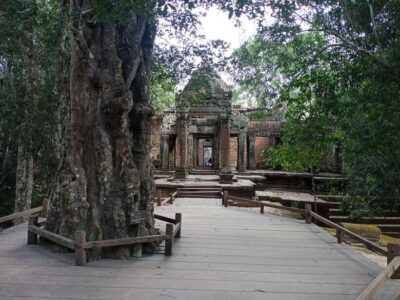
1-Day private Angkor Temple Tour from Siem Reap
Read our review →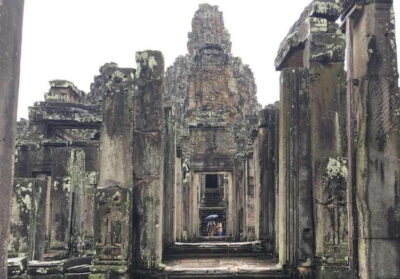

Private one-day tuktuk ‘small tour’ of the oldest Angkor temples
Read our review →Browse the lists this tour appears in