
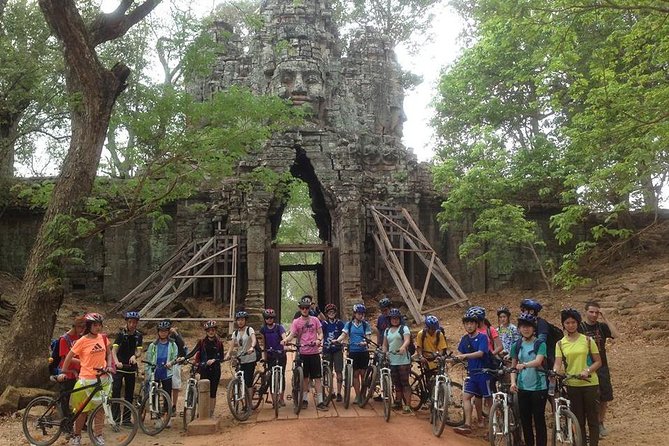
Reviewed · ANGKOR TEMPLE TOURS
Angkor Wat & Bayon: the Smiling Temple
Angkor Wat and Bayon are far more rewarding when you have time to notice the forest, flowers, butterflies, and old walls between the big monuments. This five-hour mountain bike tour keeps the pace gentle and adds a local English-speaking guide to explain what you are seeing.
I like the small group of no more than 10 people, along with the included Trek bike, helmet, lunch, coconut water, and drinking water. The drawback is practical: you must buy the $37 temple pass separately, arrange your own way to the 7:30 a.m. meeting point, and cope with some off-road cycling in Siem Reap heat.
Key points to know before booking
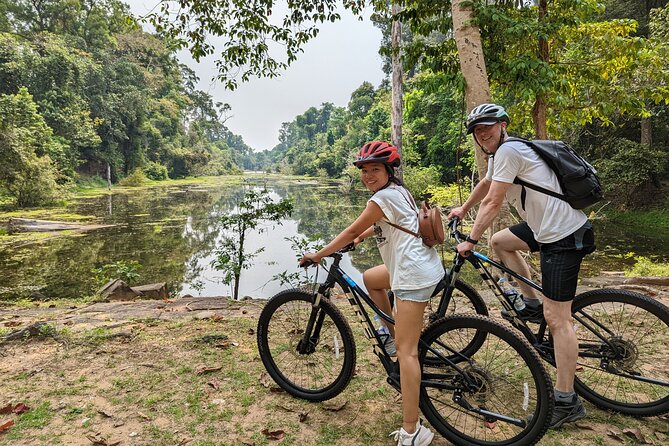
- Two major temples by bicycle: Visit Angkor Wat and Bayon, with Angkor Thom gates and Prasat Chrung added to the route.
- A small, easygoing group: The maximum is 10 people, which suits travelers who want guide time without a large tour crowd.
- Quiet trails between monuments: The ride includes forest paths, flowers, butterflies, and the sounds of nature, not just paved temple roads.
- Useful inclusions: A Trek mountain bike, helmet, guide, lunch, coconut water, and drinking water are provided.
- Budget for the temple pass: The one-day Angkor entry pass costs $37 and is not included in the $50 tour price.
- Heat can affect the plan: A family had to stop early on a very hot day and was collected by car, while another child used a tuk tuk for the ride back.
Why cycling works well at Angkor
The usual way to see Angkor is by tuk tuk or car. That is convenient, but a bicycle changes the pace. You move slowly enough to notice the trees, stone walls, small paths, and open spaces around the temples. You also avoid spending every minute stepping in and out of a vehicle.
This is not a hard-core cycling trip. The ride is described as leisurely and suitable for all fitness levels, with no professional or adventurous standard expected. That makes it a good fit if you want exercise and fresh air, but do not want a demanding day in the saddle.
You should still take the word off-road seriously. The route includes quieter trails, and one family found the return ride too much for younger children. Heat is another real factor. The tour begins at 7:30 a.m., which helps, but Cambodia can become very hot before the five hours are over.
The route begins and ends at Angkor Cycling Tour on Taphul Road in Siem Reap. Hotel pickup and drop-off are not included, so allow time to reach the meeting point before the early start.
More temples within reach of Siem Reap:
- Siem Reap Tour: Angkor Wat Sunrise, Bayon, Ta Prohm, Banteay Srei
★ 5.0 · 931 reviews - Siem Reap: Bike the Angkor Temples – Full-Day 30km Tour
★ 5.0 · 463 reviews - Preah Vihear: Full-Day Preah Vihear and Koh Ker Temple Tour
★ 4.9 · 263 reviews
Angkor Wat first, with time to look around
The ride heads toward Angkor Wat, Cambodia’s best-known temple and the largest architectural stop on this outing. You will approach it by bicycle rather than being dropped at the entrance, so the temple forms part of a wider morning in the old capital.
The value here is not only getting to the main photo stop. Your guide can add historical context as you ride, and the quiet sections between stops help you understand the scale of the Angkor site. You are not simply moving from one ticket gate to another.
Angkor Wat itself can be a full morning for some visitors. On this tour, it shares the schedule with Bayon, Angkor Thom, Prasat Chrung, and several gates. If you want an extremely slow, detail-heavy visit inside every temple, five hours may feel tight. If you want a clear first look at the two principal monuments with a pleasant ride connecting them, the timing makes sense.
Bring sunscreen, sunglasses, and a camera. Dress with the temples in mind, not just the bicycle. Angkor remains an active spiritual site, and shorts or skirts above the knees and bare shoulders are not permitted in sacred palaces. Respectful clothing is the sensible choice.
Angkor Thom’s south gate and defensive walls
After Angkor Wat, the route includes the south gate of Angkor Thom. This is one of the most appealing defensive parts of the ancient city, and approaching it by bicycle gives you a useful sense of the old enclosure rather than presenting it as an isolated monument.
You will also ride toward the protection wall and climb up to Prasat Chrung for a broad view. This is one of the more unusual parts of the route because it moves beyond the standard temple circuit. The ride itself becomes part of the sightseeing.
The climb is worth noting for families and anyone who is unsure about their fitness. The overall tour is easy, but easy does not mean flat or effortless at every moment. If a short climb or uneven trail sounds uncomfortable, tell the guide at the start so the pace and route can be handled sensibly.
The quieter setting is a major reason to choose this experience over a simple vehicle tour. You get flowers, butterflies, and natural sounds around the old walls. That break from the grand stone buildings gives the morning a calmer rhythm.
The west gate and Bayon’s stone faces
The west gate of Angkor Thom is described as never restored. That gives it a different feel from the more polished and familiar temple stops. You can see another side of the old city, one shaped by age and weather rather than a fully repaired presentation.
The main finish is Bayon, the temple famous for its large stone faces. It is described as having 54 towers and 216 smiling faces, making it the second major temple on this route after Angkor Wat.
Bayon can be confusing without some explanation. Towers rise close together, passages turn unexpectedly, and the faces appear from several angles. A guide is especially useful here because the temple is not simply a single straight walk with one obvious viewpoint.
The bicycle also helps with the wider setting. After riding through the old city, Bayon feels like part of Angkor Thom rather than a monument placed on its own. You have already seen the gates, wall, and surrounding paths, so the temple connects to the larger plan of the ancient capital.
Same base, a different kind of day out:
- Angkor Wat Sunrise or Sunset Tour with Guide from Siem Reap
★ 5.0 · 12,109 reviews - Siem Reap: Angkor Wat: Small-Group Sunrise or Sunset Tour
★ 5.0 · 9,444 reviews - From Siem Reap: Kampong Phluk Floating Village Tour by Boat
★ 4.9 · 6,979 reviews - Sunset tour of Kampong Phluk stilts home village on the Tonle Sap
★ 5.0 · 4,865 reviews
What the $50 price really covers
The tour costs $50 per person. That price includes the English-speaking guide, a premium Trek mountain bike, helmet, lunch, coconut water, and pure drinking water.
The $37 one-day Angkor pass is extra, bringing the basic cost to $87 per person before you arrange transportation to and from the meeting point. That is the figure to use when comparing this with a tuk tuk or car tour.
The included equipment matters. You do not need to find a bike shop, negotiate a rental, or carry your own helmet. Lunch and drinks also reduce the need to stop and organize food during a short morning schedule.
The value depends on what you want from Angkor. If your priority is the cheapest possible visit, the extra tour cost may not appeal. If you value a guide, a small group, a planned route, and the chance to travel between temples under your own power, the fee is reasonable.
There is also a practical benefit to the small group. With a maximum of 10 people, the guide can keep an eye on the pace and explain things without addressing a large crowd. That does not guarantee a private experience, but it is a much more manageable size than a big bus outing.
Heat, families, and the return ride
The strongest caution is physical comfort. The tour is labeled easy and suitable for most people, but cycling for several hours in Cambodian heat is different from riding casually for 30 minutes. You should be comfortable spending the morning outdoors and cycling on some uneven or off-road surfaces.
Families need to think carefully about the youngest rider. One child could not manage the ride back from the temple, and the leader arranged a tuk tuk home. On another very hot day, the group did not complete the full tour, and the company sent a car to collect them.
Those examples show two things. First, the operator can respond when a participant is struggling. Second, you should not treat the five-hour schedule as guaranteed if weather or energy becomes a problem.
Tell the operator about dietary requirements when booking. Carry the recommended sunscreen, sunglasses, and camera, and use the supplied drinking water. A light, respectful outfit is better than heavy clothing, but exposed shoulders and clothing above the knee are not suitable for the sacred areas.
Who will enjoy this Angkor tour most
I would choose this tour if you want to see the two headline temples while also getting a sense of the roads and woodland around them. It suits active couples, friends, solo visitors who like a small group, and families with older children who can handle several hours of relaxed cycling.
It is also a good choice if you find vehicle sightseeing too passive. The bike gives you a closer connection to the distance between monuments, and the quiet paths are a real part of the experience.
I would hesitate if you have very limited time and want only a brief visit to Angkor Wat. I would also think twice if you dislike heat, uneven trails, or early starts. In those cases, a car or tuk tuk may be more comfortable, though this particular experience is designed around cycling.
The tour is not presented as an athletic challenge. You do not need professional cycling ability. Still, basic comfort on a bike matters, and children should be judged by their stamina, not only by their enthusiasm at breakfast.
Timing, group size, and meeting point
The tour starts at 7:30 a.m. and lasts about five hours. It ends back at the Angkor Cycling Tour meeting point on Taphul Road in Siem Reap.
Because hotel transfers are not included, you need to arrange your own way there. That is easy to overlook when comparing the headline price. The early start also means you should confirm your route to the meeting point before the morning of the tour.
The maximum group size is 10. That number is small enough for a personal feel, while still being a shared outing rather than a private guide service. The guide speaks English and leads the ride through the temple area, with stops for history and views.
The tour has a mobile ticket and confirmation is provided when you book. Free cancellation is available if you cancel at least 24 hours before the start time. Changes or cancellations inside that period are not accepted for a refund.
Should you book Angkor Wat and Bayon by bike?
Book it if you want a gentle, active way to connect Angkor Wat and Bayon, and if the idea of forest paths, old walls, and temple roads appeals as much as the monuments themselves. The small group, included bike, guide, lunch, coconut water, and flexible help when someone tires make this a well-planned option.
Before paying, add the $37 temple pass and your own transport to the meeting point. Families with young children should be ready for the possibility of a tuk tuk or car if the return ride becomes too much.
For most reasonably fit visitors who want more than a vehicle ride, I think the bicycle adds real value. For anyone seeking the shortest, coolest, or least physical visit, choose a different way to see Angkor.
FAQ
How long does the Angkor cycling tour last?
The tour lasts approximately five hours and starts at 7:30 a.m.
Where does the tour begin and end?
It begins at Angkor Cycling Tour on Taphul Road in Siem Reap and ends back at the same meeting point.
Is the Angkor temple pass included?
No. The one-day Angkor pass costs $37 and must be purchased separately.
Does the tour include hotel pickup and drop-off?
No. Hotel pickup and drop-off are not included, so you must arrange your own transport to and from the meeting point.
What equipment is provided?
A premium Trek mountain bike and helmet are included.
Are food and drinks included?
Yes. The tour includes lunch, coconut water, and pure drinking water. You should advise the operator of any dietary requirements when booking.
How large is the group?
The maximum group size is 10 people.
Is the ride suitable for beginners?
The tour is described as a leisurely, easy ride suitable for all fitness levels. It does include some off-road cycling and can be difficult in very hot weather.
What should I wear and bring?
Wear respectful clothing that covers your shoulders and does not expose the knees. Bring a camera, sunglasses, and sunscreen. Revelatory clothing, shorts or skirts above the knees, and bare shoulders are not permitted in sacred palaces.
Just added in Siem Reap
- Twilight Tastes of Siem Reap Include Dinner★ 5.0 · 13 reviews
- Ultimate Sunrise to Angkor Wat, Angkor Thom and Bayon Temple★ 5.0 · 3 reviews
- Trekking Tour at Phnom Kulen National Park from Siem Reap★ 5.0 · 3 reviews
- Full-Day Private Tour of Angkor Wat with Pick Up★ 5.0 · 12 reviews
- Private Day Trip to Angkor Temples with Expert Guide★ 5.0 · 4 reviews
- Siem Reap City Tour with War Museum and Killing Field★ 5.0 · 27 reviews
- Waterfall & River of 1000 Siva Linga- Kulen Mountain Private Tour★ 5.0 · 3 reviews
- Angkor Wat Experience Temple Pass and Siem Reap Food Tour★ 5.0 · 13 reviews
Angkor Temple Tours, compared.
Siem Reap Tour: Angkor Wat Sunrise, Bayon, Ta Prohm, Banteay Srei
Read our review →
Angkor Wat one Day Private Tour for All Highlight Angkor Temples
Read our review →
1-Day private Angkor Temple Tour from Siem Reap
Read our review →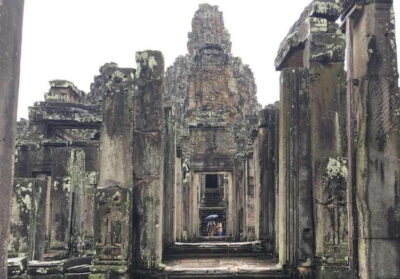
Private one-day tuktuk ‘small tour’ of the oldest Angkor temples
Read our review →Browse the lists this tour appears in