
Reviewed · CAMBODIA
Elephant Sanctuary Cambodia, Pickup and drop off included
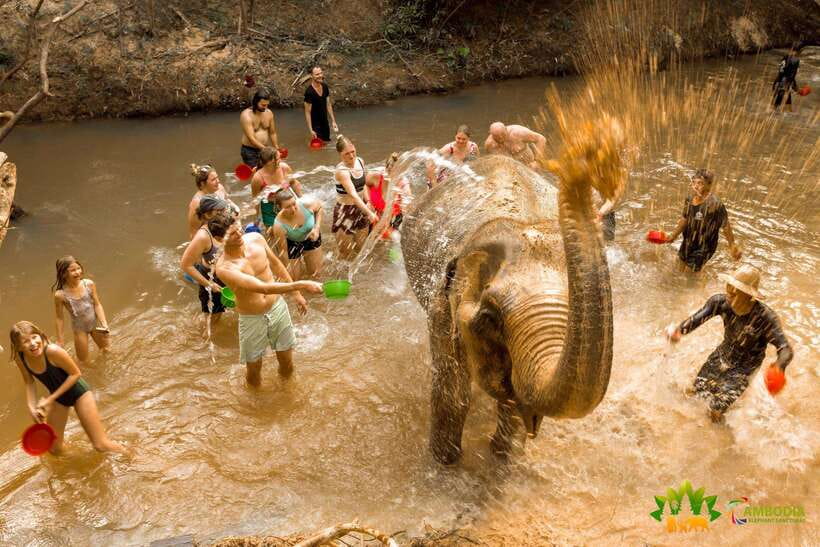
The best part of this Siem Reap outing is the chance to meet elephants during ordinary care routines, not a staged show. You prepare food, feed them, watch their habits, rub mud onto their skin, and help rinse them in the river. The experience is hands-on, but the elephants set the pace.
I like the small, personal feel and the way guides explain each elephant’s personality and background. I also like that the day includes real care tasks, especially feeding and bathing, rather than tricks or rides. The main consideration is the three-hour schedule, which includes about an hour each way in the van, so your time at the sanctuary is focused and fairly brisk.
Key points to know before you book
- About one hour from Siem Reap: You ride in an air-conditioned minivan through the Cambodian countryside.
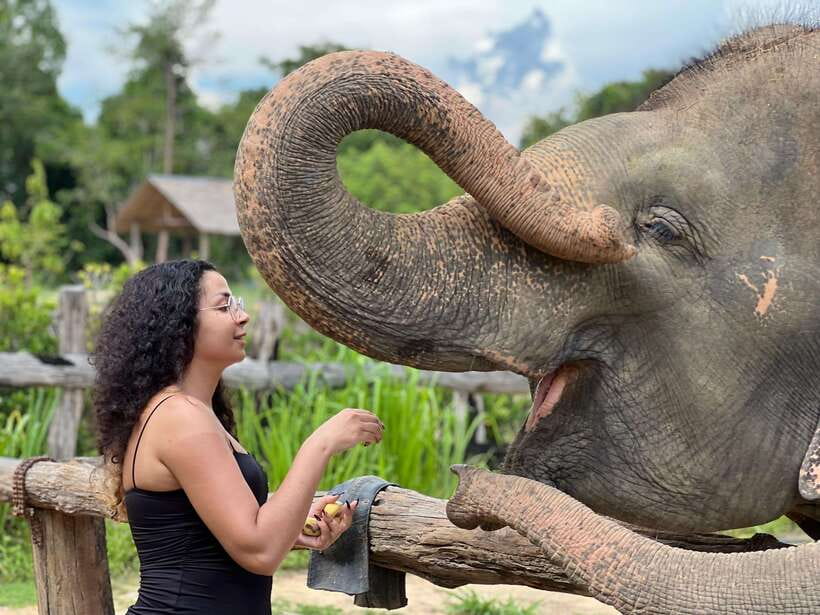
- Feeding comes first: You make healthy elephant snacks and a food mixture before meeting the animals up close.
- Mud and river water are part of the deal: Wear clothes and shoes you do not mind getting wet and dirty.
- The elephants lead the contact: The aim is to observe and assist with care, not make the animals perform.
- English-speaking guidance: Guides including Anne, An, and Dina have been praised for calm explanations and personal attention.
- $58 includes transport: Hotel pickup and drop-off, guide service, water, coffee, and fruit are included.
The one-hour ride from Siem Reap
Your morning or afternoon starts with hotel pickup in Siem Reap. The exact starting time depends on availability, so check the schedule when you book and wait in your hotel lobby for the local team.
The ride to the sanctuary takes about an hour in an air-conditioned minivan. That transfer is not a minor detail. It makes this more than a quick animal encounter beside the main tourist sights, but it also means roughly two hours of the three-hour activity are spent on the road.
I like the change of pace. The route passes through the countryside, away from Siem Reap’s busy core, and gives you a look at a quieter side of the province. You will want to keep expectations sensible, though. This is transport to a sanctuary, not a sightseeing drive with planned stops.
The driver and guide handle the transfer, and the package includes return service to your hotel. That is useful after a muddy afternoon, especially if you are staying in Siem Reap and do not want to arrange a separate taxi.
Other trips people book in Cambodia:
- Angkor Wat Sunrise or Sunset Tour with Guide from Siem Reap
★ 5.0 · 12,109 reviews - Siem Reap: Angkor Wat: Small-Group Sunrise or Sunset Tour
★ 5.0 · 9,444 reviews - From Siem Reap: Kampong Phluk Floating Village Tour by Boat
★ 4.9 · 6,979 reviews
Meeting the elephants and learning their stories
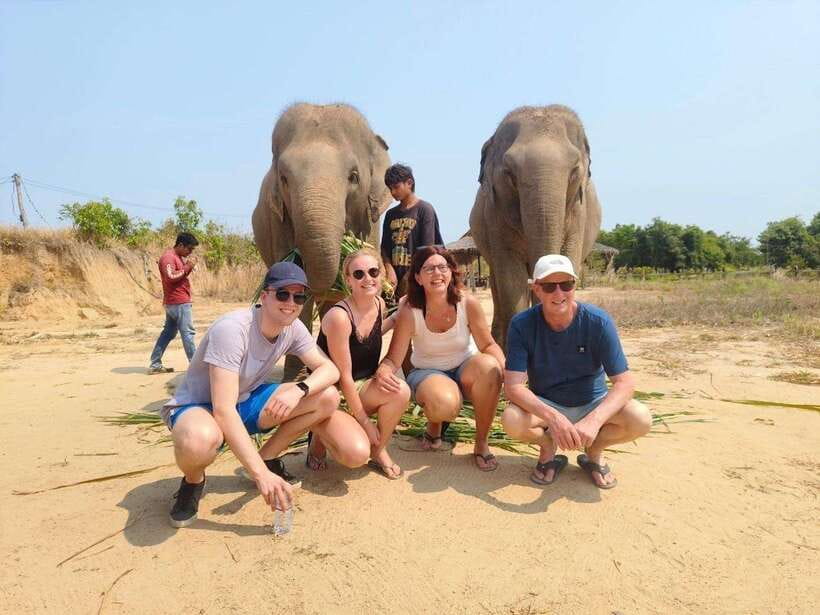
At the sanctuary, an English-speaking guide introduces the animals, the care program, and the site’s purpose. You learn about rescued elephants, their former situations, their daily routines, and the effort to care for them in a more natural setting.
The most useful part of this introduction is the focus on individual animals. Guides such as Anne, An, and Dina have been praised for explaining each elephant’s preferences and behavior. That helps you read the situation properly. One elephant may be curious and eager for food, while another may prefer a little more room.
Several accounts describe a small-group feel, including time with three female elephants. The exact animals and group arrangement may vary, so you should not assume that every visit will be identical. What matters is that the program is built around observing elephants as they socialize, walk, and play, rather than arranging a performance for a crowd.
I especially appreciate the emphasis on calm contact. You are shown how to approach and interact safely, and the activities are presented as part of the elephants’ care. The animals are not there to dance, carry riders, or perform tricks.
That does not mean the visit is completely hands-off. You will get remarkably close, but you should follow the guide’s instructions and let the elephant decide how much contact it wants. This is both safer and more respectful.
Making food before the feeding session
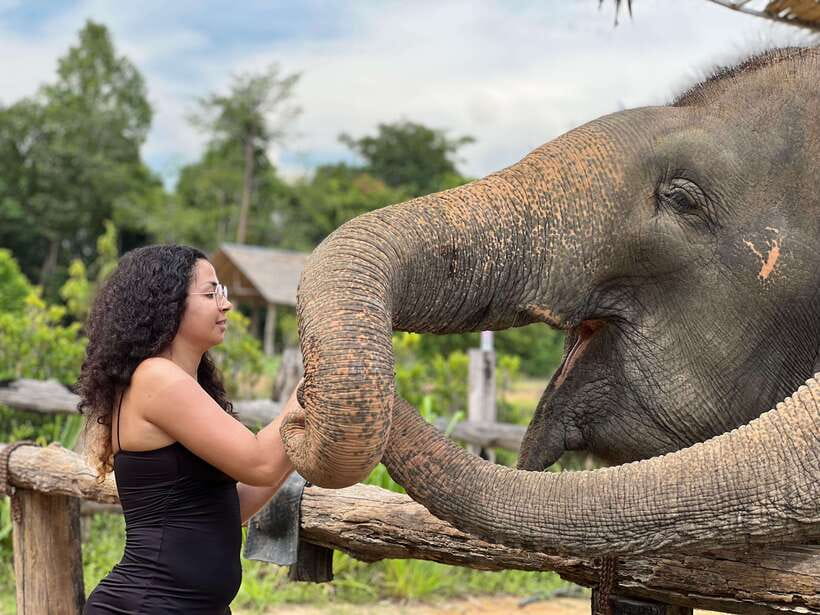
The first hands-on task is preparing food. You help make handmade snacks and a special mixture using ingredients such as bananas, rice, and grain. The guide explains what elephants eat and why the food supports their health and digestion.
This preparation adds value to the feeding session. Instead of simply handing over a piece of fruit, you see one small part of the daily work involved in caring for a large animal. It also gives you something useful to do while the guide explains the elephants’ nutritional needs.
Once the food is ready, you feed the elephants directly. This is one of the easiest parts of the visit for children and adults to enjoy, but it is not just a photo opportunity. You can watch the animals use their trunks, notice their different manners, and learn which foods each one prefers.
Keep your hands steady and listen to the guide. A trunk reaching for a snack can feel surprisingly powerful, even when the elephant is gentle. The close contact is exciting, but the best moments come when you slow down and pay attention to the animal rather than rushing for a photograph.
You may get another chance to feed the elephants near the end of the visit. That gives the experience a pleasant full circle, from preparing food to seeing the animals relaxed after their bath.
The muddy part of the afternoon
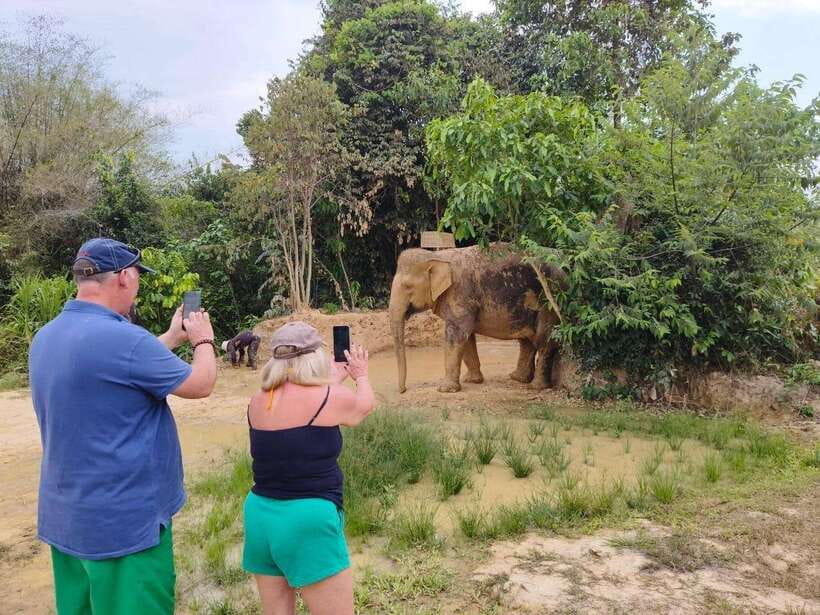
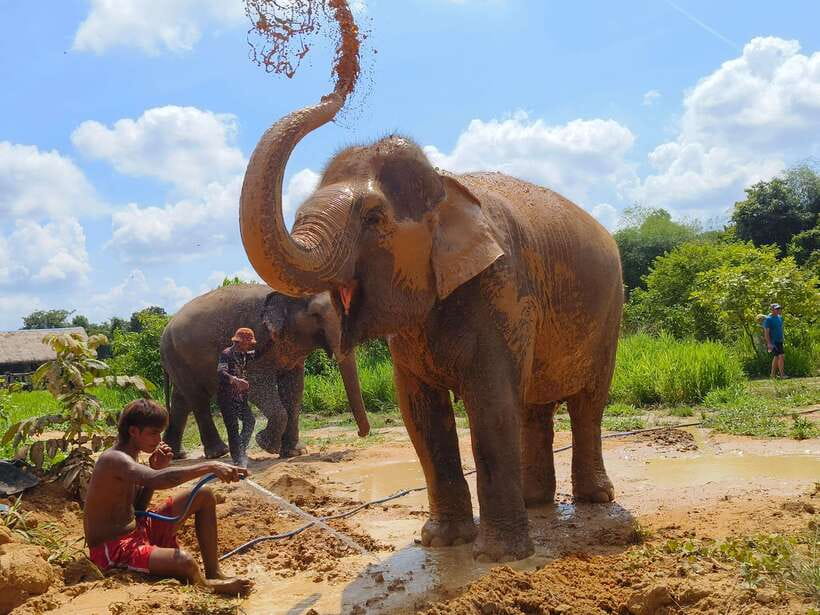
Next comes the mud bath. You help apply mud to the elephants’ skin while they splash, relax, and shift around in the mud.
The mud serves a practical purpose. It helps protect the elephants from sun and insects, so this is a care routine rather than a novelty activity invented for visitors. Watching the elephants enjoy it makes the task fun, but the animal’s comfort remains the reason for the activity.
This is the point where your clothing matters. You should expect to get muddy, and one previous visitor’s advice is worth following: bring a bathing suit and water shoes. Quick-drying clothes are a sensible choice too, though the supplied information does not specify changing rooms or storage, so keep your personal arrangements simple.
The mud bath can also be the least polished part of the experience. Your hands will get dirty, the ground may be slippery, and the elephants will not pose neatly whenever a camera is ready. That is part of the appeal, but anyone looking for a clean, dry, tightly controlled animal encounter should choose a different activity.
Same base, a different kind of day out:
- Sunset tour of Kampong Phluk stilts home village on the Tonle Sap
★ 5.0 · 4,865 reviews - Siem Reap: Angkor Wat 2-Day Tour with Sunrise and Sunset
★ 4.9 · 4,429 reviews - Siem Reap: Kampong Phluk Floating Village Tour with Boat
★ 4.9 · 3,843 reviews - Siem Reap: Full-Day Angkor Wat Guided Tour with Sunset
★ 4.9 · 3,803 reviews
Washing the elephants in the river
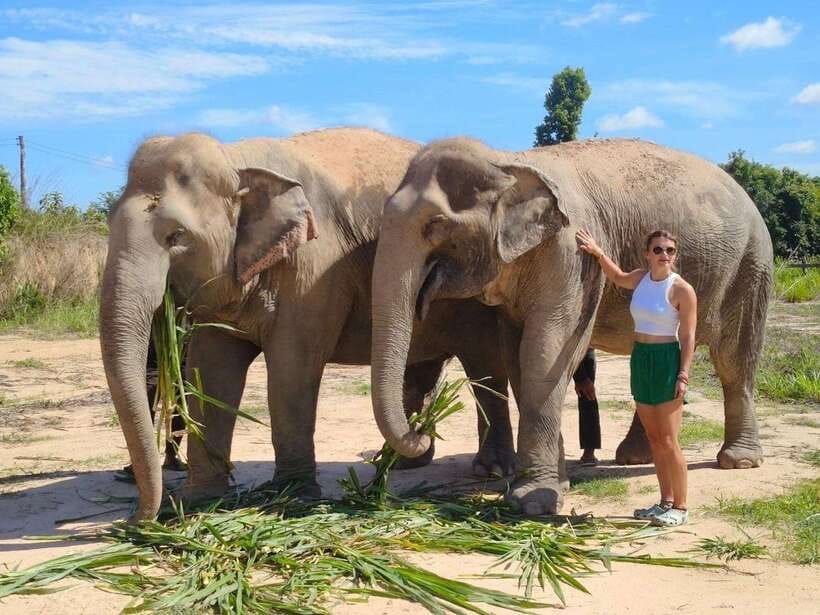
After the mud bath, you head to the river or pond for a bathing session. You help rinse the mud from the elephants while they cool off in the water.
This is the highlight for many people because it feels active without requiring the animals to perform. You stand near the elephants, scrub or rinse under the guide’s direction, and watch them enjoy the water. It also creates the best chance for photographs, although you should protect your phone and expect splashes.
Bring a bathing suit and water shoes if you plan to take part fully. You may get wet even if the elephants are not trying to splash you. The river session is playful, and people can end up splashing one another while trying to reach the elephants.
A useful point about this activity is that bathing is not guaranteed to unfold in exactly the same way each time. The elephants may stay close, move away, or spend only a short time in the water. The description of the experience makes clear that contact is guided by the animals, so do not treat the river as a guaranteed photo setup.
Watching the elephants after the activities
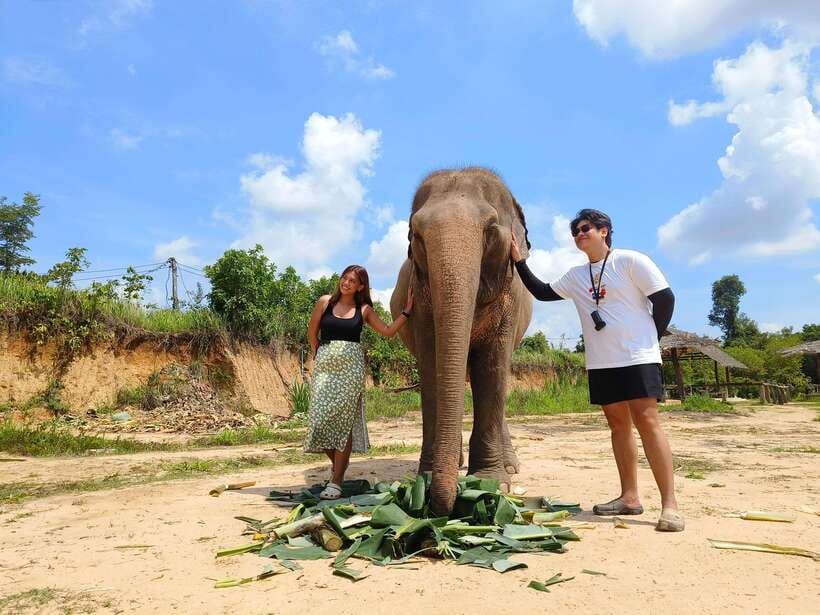
Once feeding, mud, and bathing are finished, you spend time observing the elephants in their surroundings. They may roam, socialize, or play while the guide continues explaining their behavior and the sanctuary’s conservation work.
This quieter period is important. The most meaningful part of an elephant sanctuary visit is often watching what the animals do when nobody is asking them to do anything. You can notice social bonds, feeding habits, and small personality differences that disappear if the schedule moves from one photo stop to the next.
The three-hour duration keeps this observation period limited. You will not have an entire day to sit with the elephants, and the ride from Siem Reap takes a substantial part of the outing. Still, the schedule includes more than a quick feeding line. You get several forms of contact and a period to watch the animals at rest.
If you want a slower, more reflective sanctuary visit, check whether a longer option is available before booking. Based on the supplied details, this particular experience is a compact half-day-style outing with a clear sequence of activities.
What the ethical claims mean in practice
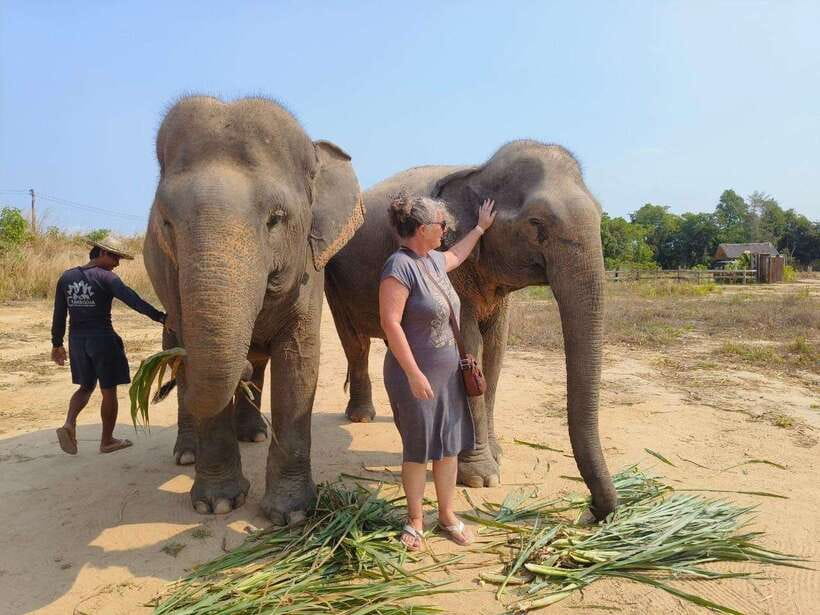
The sanctuary’s stated mission is to protect and care for rescued elephants in a natural and ethical setting. The practical signs described here are encouraging: no riding is included, no tricks are listed, and the interaction centers on food, mud, water, and observation.
The animals are not presented as entertainers. The program says the interactions are led by the elephants, and the guides explain how to behave safely and respectfully. That is the right standard to look for in an elephant experience.
I would still keep your expectations grounded. A short visit cannot tell you everything about an organization’s finances, rescue history, veterinary care, or long-term plans. You can ask the guide about those subjects when you arrive, especially if elephant welfare is the main reason you are booking.
The strongest part of this visit is the behavior-based format. You get close enough to understand how large and expressive elephants are, but you are also asked to watch, wait, and follow their signals. That makes the experience feel less like a show and more like a guided introduction to daily care.
Is $58 a fair price?
The current price is $58 per person, including hotel pickup and drop-off, the English-speaking guide, water, coffee, and fruit. For a three-hour experience with an hour-long transfer each way, that is not a bargain in the same sense as a simple local attraction, but transport and guided care are built into the price.
I think the value is strongest if you want a complete, organized outing. You do not need to arrange a tuk-tuk or taxi, find the sanctuary yourself, prepare food, or work out how to approach the elephants. The guide also gives context that you would miss by simply seeing the animals from a distance.
The value is weaker if you mainly want a long period of quiet observation. The return drive takes time, and the visit includes several activities in sequence. You are paying for access, transport, instruction, and the chance to take part in feeding and bathing, not for an all-day stay.
Prices can change, so confirm the amount at booking. A past special price was lower, but the price provided for this experience is $58. Free cancellation up to 24 hours before the activity and reserve-now, pay-later terms add useful flexibility, especially if your Siem Reap plans are still shifting.
What to wear and bring
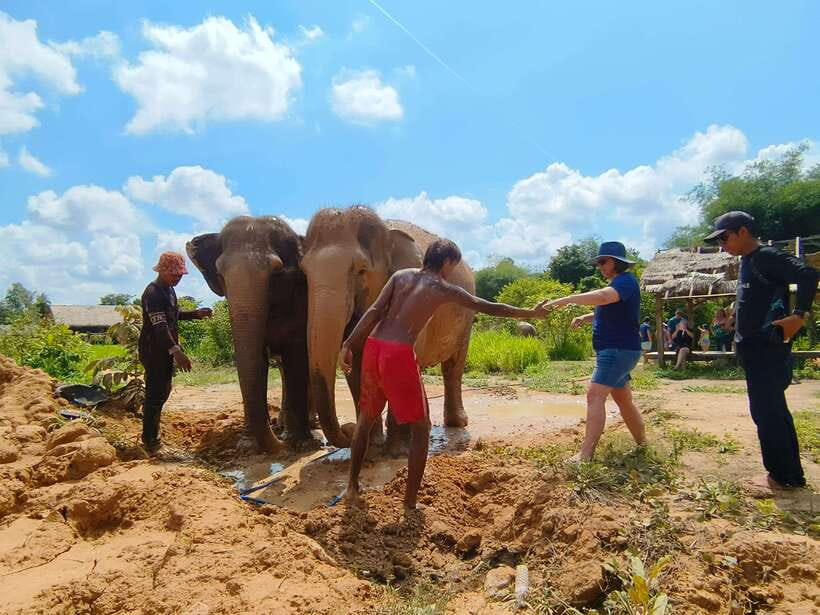
You should dress for mud and water, not for a polished sightseeing stop. A bathing suit, water shoes, and clothes that can get dirty are the most useful items to pack.
You will receive drinking water, coffee, and seasonal fruit, but bring any extra water you personally need for the transfer or warm weather. A phone or camera is worthwhile, especially for the river session, but use a waterproof case or keep it protected around the water.
Follow the guide’s instructions around the elephants. Do not crowd them for a picture, and let the handlers decide when it is safe to touch, feed, scrub, or rinse. The goal is a good encounter for you and a calm routine for the animals.
Who will enjoy this sanctuary visit most?
I would recommend it to you if you want close contact with elephants but prefer feeding and care activities to riding or performances. It also suits families, couples, and solo visitors who like a structured outing with plenty of guidance.
It is a good fit if you enjoy hands-on experiences and do not mind getting muddy. The feeding, mud bath, and river session give you more to do than a standard observation visit.
You may want to skip it if you dislike wet clothes, muddy ground, animal contact, or a long road transfer for a short activity. It may also disappoint you if you expect guaranteed swimming, extensive free time, or a private session with one elephant.
The English-speaking guides are a major part of the experience. Anne, An, and Dina are among the guides associated with visits described in the supplied information, and their calm explanations help nervous visitors feel more at ease around such large animals.
Should you book the Cambodia Elephant Sanctuary?
Yes, if your priority is a close but respectful introduction to rescued elephants near Siem Reap. The strongest reasons to book are the caring format, the personal guide attention, and the chance to take part in feeding, mud bathing, and river rinsing.
Before booking, make sure you are comfortable with the tradeoff: about an hour of driving each way for a focused three-hour visit. Pack for water and mud, protect your camera, and approach the experience as animal care rather than entertainment.
At $58, I think it offers solid value for an organized outing with transport and several hands-on activities. Book it if you want an active, memorable encounter that gives the elephants room to behave like elephants.
FAQ
How long does the elephant sanctuary experience last?
The activity lasts three hours. The journey from Siem Reap to the sanctuary takes about one hour each way in an air-conditioned minivan.
Is hotel pickup and drop-off included?
Yes. Pickup and return transfer to your hotel in Siem Reap are included. You should wait for the team in your hotel lobby.
What activities are included with the elephants?
You prepare handmade food, feed the elephants, learn about their diet and behavior, help with a mud bath, and rinse them during a bathing session by the river or pond. You also have time to observe them in their surroundings.
Do I need to bring swimwear?
Swimwear is not listed as a required item, but a bathing suit and water shoes are practical because the mud bath and river session can make you wet and dirty.
Is an English-speaking guide included?
Yes. An English-speaking live guide is included. Guides named in the supplied information include Anne, An, and Dina.
What is included besides the sanctuary visit?
The price includes hotel pickup and drop-off, an English-speaking guide, drinking water, coffee, and fruit snacks.
Can I cancel the booking?
You can cancel up to 24 hours in advance for a full refund. The reserve-now, pay-later option lets you hold your place without paying immediately.
Just added in Cambodia
- Bamboo Train, Banann Temple, Fruit Bat, Bat Cave, Sunset★ 4.2 · 3 reviews
- Twilight Tastes of Siem Reap Include Dinner★ 5.0 · 13 reviews
- Ultimate Sunrise to Angkor Wat, Angkor Thom and Bayon Temple★ 5.0 · 3 reviews
- Trusty Tuk Tuk★ 5.0 · 4 reviews
- Koh Rong Tour: A Snorkeling, Fishing, Sunset, Plankton★ 4.0 · 4 reviews
- Trekking Tour at Phnom Kulen National Park from Siem Reap★ 5.0 · 3 reviews
- Cooking Class at La Plantation★ 5.0 · 16 reviews
- Trip with Local tuk tuk to Country side & Pepper farm…★ 5.0 · 13 reviews