
Reviewed · KAMPOT PEPPER FARM TOURS
Khmer Food Culture Cooking Class in Kampot
The best part of this Kampot experience is that it starts before you reach the stove. You visit a local Khmer market with a professional chef, then return to a colonial house near the river to turn those ingredients into a three-course meal. It is a practical way to understand Cambodian food, not just eat it.
I like the choice of three dishes, since you can shape the class around your appetite. I also like the small-group setup: one session had six people, while another became a one-on-one lesson with Lyna. The main consideration is that the menu is flexible rather than fixed, so the exact dishes depend on your choices and what the class arranges.
Key points at a glance
- Market visit first: Shop with your English-speaking chef and see the ingredients before cooking.
- Three Khmer dishes: Choose a starter, main course, and dessert, with options such as larb, papaya salad, amok, lok lak, and mango sticky rice.
- Kampot pepper focus: Learn how the province’s famous pepper is used in Cambodian cooking.
- Colonial-house setting: Cook in a traditional house in central Kampot, close to the river.
- Private-group format: Group size can be small, and a solo booking may become a personal lesson.
- Useful all-in price: At $42 per person, the fee includes transfers, food, ingredients, water, the market tour, Wi-Fi, and VAT.
Starting at Kampot’s local market
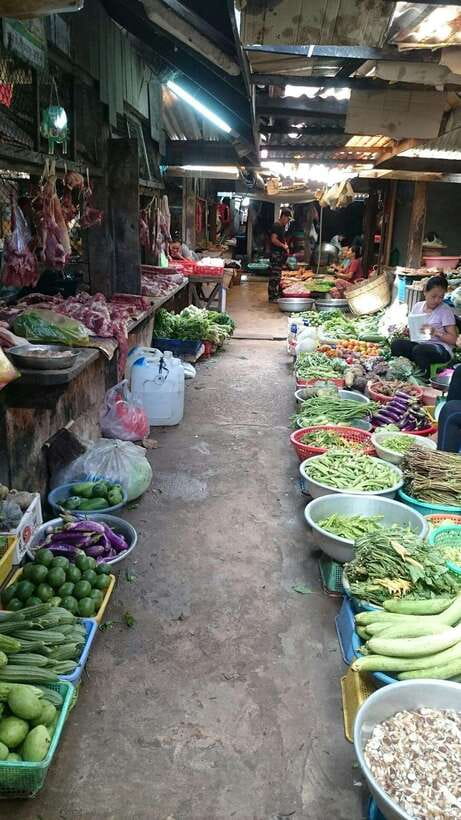
The class begins with a market visit led by your chef. This is more than a quick stop to collect supplies. You get a chance to see the raw materials behind Khmer cooking and ask how they will be used once you return to the kitchen.
That guidance matters if you are not familiar with Cambodian ingredients. A market can be easy to misread on your own, especially when several herbs, vegetables, spices, and sauces look unfamiliar. With the chef beside you, the shopping becomes part of the lesson rather than a visual detour.
The market also gives the cooking class a stronger local feel. You are not simply handed a premeasured box of ingredients. You see where the meal begins, then follow it through preparation and cooking. That connection is one of the better reasons to choose this class over a standard cooking demonstration.
The available information does not specify the market’s name or the exact shopping route, so you should not expect a set list of stalls or a detailed market tour schedule. Think of it as a guided ingredient visit tied directly to your recipes.
More pepper country trips from Kampot:
- Kampot: Pepper Farm Tours, Salt, Lake & Phnom Chhngok Temple
★ 4.8 · 432 reviews - Kampot: Full-day Countryside Tour with Pepper Farm and Kep
★ 4.9 · 245 reviews - Kampot: Bokor Mountain Classic or Sunset Tour
★ 4.7 · 147 reviews
Choosing your starter, main dish, and dessert
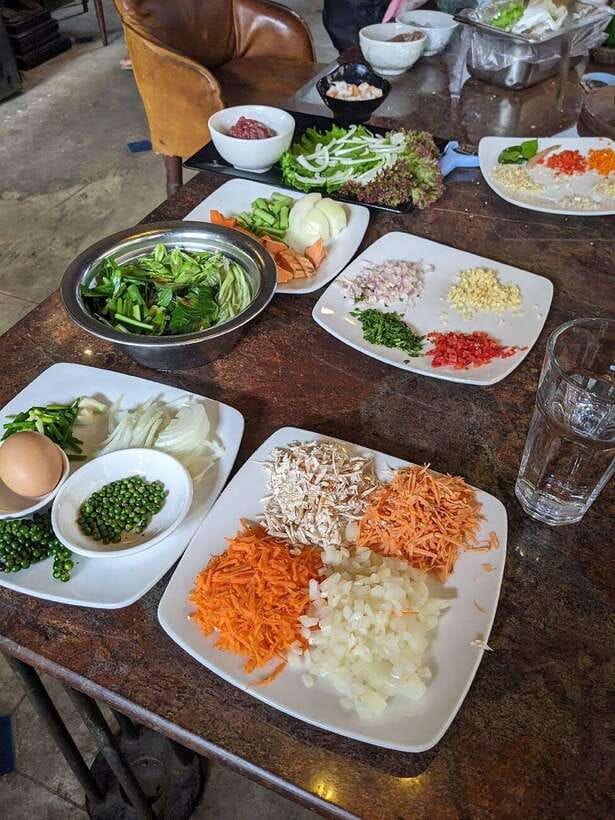
After the market, you return to a traditional colonial house in central Kampot, near the river. The setting gives the lesson a sense of place without requiring a long trip outside town. You are cooking in a Khmer home-style setting, not attending a formal restaurant kitchen show.
You choose three dishes: one starter, one main course, and one dessert. The choices can include Cambodian favorites such as larb, papaya salad, and amok. The cooking experience also features Kampot pepper, an important local ingredient that gives the class a clear connection to the province.
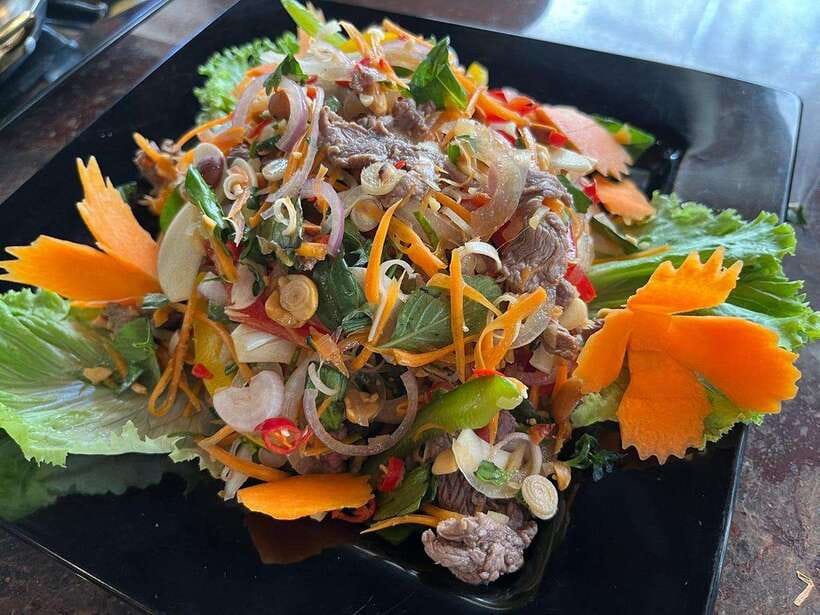
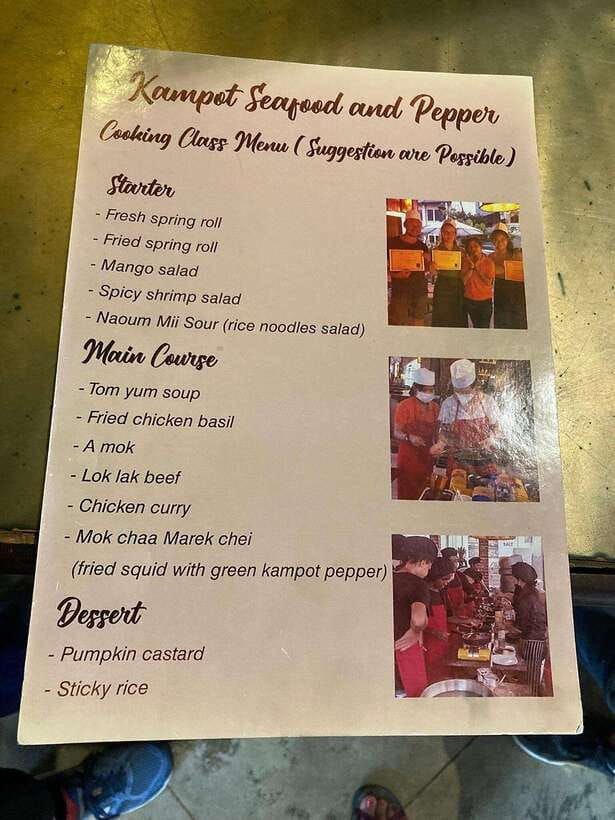
The choice system is a real strength. In one private lesson, the menu included spicy beef salad, lok lak beef, and mango sticky rice. In another class, each person could select a starter and a main dish. That means you have a better chance of preparing food you genuinely want to eat instead of being locked into a menu that may not suit you.
There is one small catch. The information describes possible dishes rather than promising one exact set menu. If amok is the dish you have been waiting for, ask about its availability when booking or at the start of the class. The menu is part of the appeal, but it also means the experience may vary.
Cooking with Kampot pepper and Khmer flavors
Cambodian cooking often depends on balance rather than heavy seasoning. Salty, sweet, sour, spicy, fresh, and savory notes can all appear in the same meal. This class gives you a chance to work with those contrasts instead of only hearing about them.
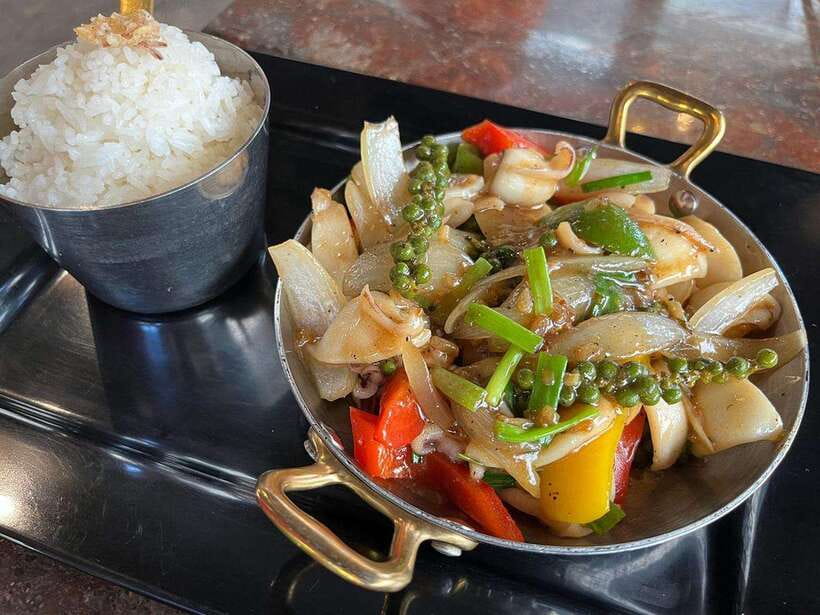
Kampot pepper is the local star ingredient. The class teaches you how to use it in Khmer dishes, which gives the meal a specific connection to Kampot Province. You will not just hear that the pepper is famous. You will learn how it fits into the food you prepare.
The dishes also cover a useful range of textures and techniques. Papaya salad brings crispness and fresh flavors. Larb introduces a seasoned salad format with a stronger savory profile. Amok offers a more substantial Cambodian main course, while lok lak gives you another well-known beef dish to try. Mango sticky rice provides a sweet finish and a recipe that is easy to remember after the trip.
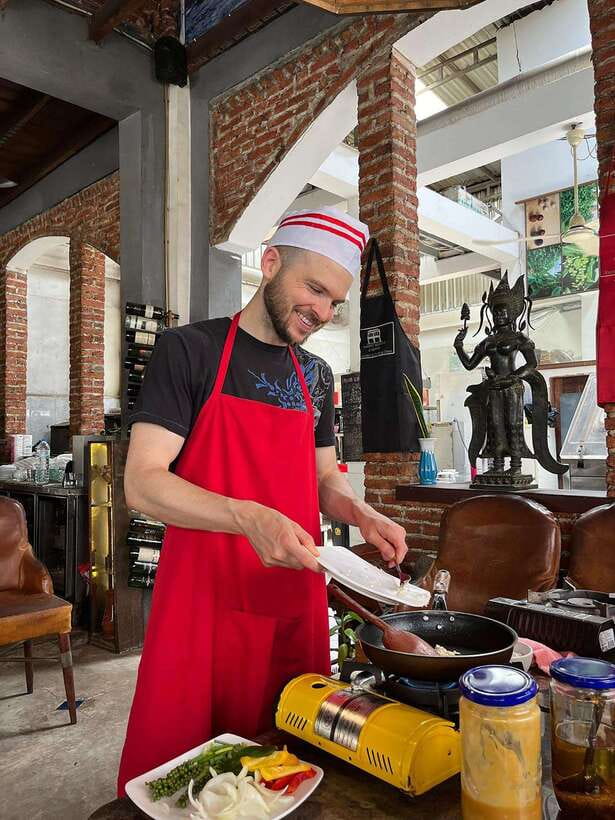
The lesson is conducted in English. Previous sessions included calm, step-by-step instruction, with the chef explaining and showing each stage. That approach should suit you if you want to take notes, ask questions, or repeat the recipes at home.
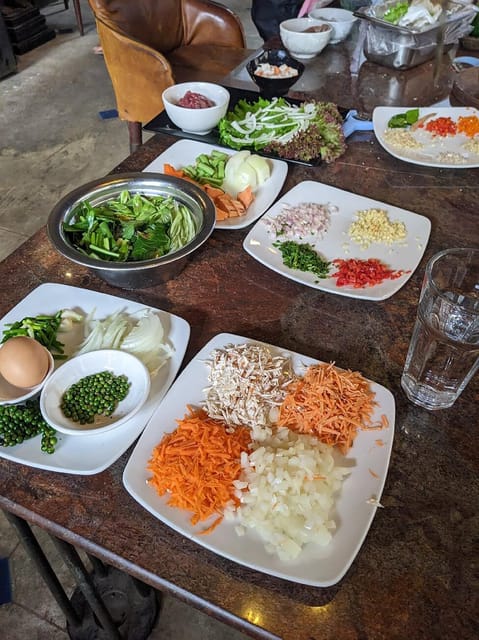
Do not expect a professional culinary-school course. The value is in learning practical Khmer dishes in a friendly setting, not mastering advanced restaurant technique. You will get the most from it if you take part in the chopping, mixing, seasoning, and cooking rather than treating the session as a show.
A small class can change the whole experience
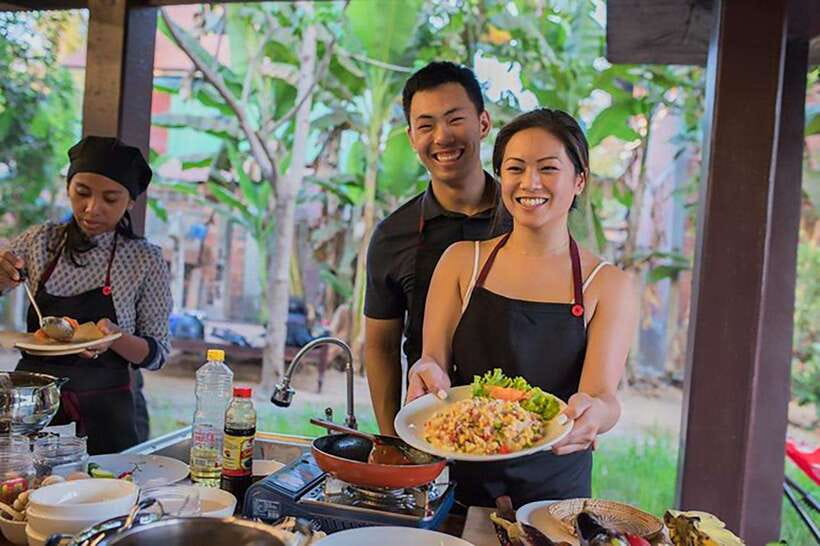
The booking is described as a private group, and group size appears to remain modest. One class had six people, which is large enough for a social meal but still small enough for the chef to explain the recipes clearly. Another booking ended up with one person in the class, creating a personal lesson.
That flexibility is especially useful for solo visitors. A cooking class can feel awkward when you are the only person alone in a large group. Here, a small or private format may give you more time to ask about ingredients, adjust recipes, and choose dishes that interest you.
Couples and friends should also find the format appealing. You can compare your choices, share the finished meal, and learn recipes together. If you are traveling with a larger private party, confirm the group arrangement before booking, since the supplied details do not give a maximum group size.
The chef’s teaching style appears to be a major part of the experience. Lyna is specifically praised for being kind and helpful, while another session included a patient cook who explained everything calmly and step by step. Those details matter because a cooking class succeeds or fails on communication. Good food is not enough if you cannot follow the process.
Other classes where you cook in Kampot:
- Kampot Countryside: Authentic Khmer Cooking Class
★ 4.8 · 21 reviews - Khmer Cooking Class at a Local’s Home in Krong Siem Reap
★ 5.0 · 2,731 reviews - Siem Reap: Khmer Cooking Class at a Local’s Home
★ 5.0 · 1,108 reviews - Award-Winning Cooking Class Experience with Professional Teacher
★ 5.0 · 745 reviews
Eating the meal you prepare
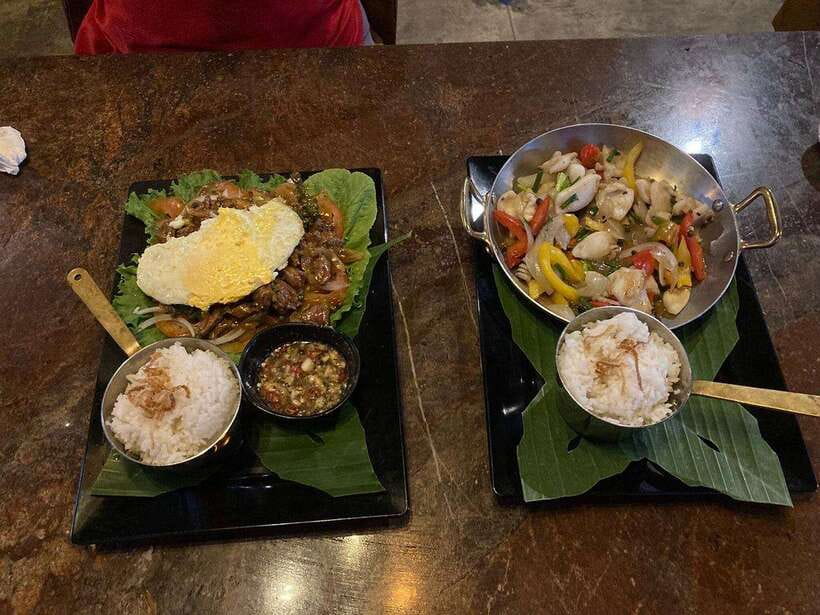
The class includes food, so your work ends with a meal rather than a few samples. You prepare the dishes, then sit down to enjoy what you have made. That makes the four-hour duration feel more useful than a short demonstration followed by a quick taste.
You also leave with something more lasting than a full stomach. The point is to recreate a small piece of your Khmer experience at home. The recipes, ingredient choices, and use of Kampot pepper can help you remember the meal once your Cambodian holiday is over.
The class does not include alcoholic drinks, although they are available for purchase. Extra drinks are also not included, so bring that into your budget if you want something beyond the provided water. The fee does include the ingredients and meal itself, which keeps the main cost easy to understand.
A practical tip: if you have a strong preference for spicy food, beef, vegetarian dishes, or a particular dessert, state it early. The flexible menu is helpful, but the supplied details do not confirm every dietary option. You should not assume that every requested dish or substitution is available without checking.
Is $42 a fair price?
At $42 per person, this is not the cheapest way to eat in Kampot. A local meal can cost far less. But you are paying for a four-hour activity that combines round-trip transfer, a chef-led market visit, ingredients, instruction, a three-course meal, water, Wi-Fi, and VAT.
The value is strongest if you want more than dinner. You receive a market introduction, hands-on cooking, a private-group structure, and recipes you can try again at home. The transfer also helps if you are staying in Kampot and do not want to arrange transport separately.
The price is less compelling if you only want to sample Cambodian food or already plan to take another cooking class elsewhere. It is also worth remembering that drinks and alcohol cost extra. Still, for a four-hour class with the meal and transport included, the package is reasonably priced for someone who wants an activity as well as lunch or dinner.
The full activity has received a top rating from seven verified bookings, with praise focused on helpful staff, patient instruction, menu choice, and a pleasant group size. That is a small number of ratings, so I would treat it as encouraging rather than final proof. The consistent pattern is useful, though: the teaching and personal attention seem to be the strongest parts.
Timing, transport, and practical details
The class lasts four hours, and starting times depend on availability. Round-trip transfer is included, and you should wait in your hotel lobby from 10 minutes before the scheduled pickup time.
Because the cooking takes place in central Kampot near the river, the house is well placed for a town-based activity. The exact pickup area is not stated, so confirm that your accommodation is covered when you book. The same applies if you are staying outside central Kampot.
English is the teaching language. The activity is wheelchair accessible, but cooking spaces can vary in layout, so it is sensible to mention any mobility needs in advance. The provided information confirms accessibility, but not details such as counter height or the exact route through the house.
Free cancellation is available up to 24 hours before the start time for a full refund. You can also reserve now and pay later, which helps if your Kampot schedule is still changing. These policies are useful, but the main booking decision should rest on the food, class style, and four-hour time commitment.
Who will enjoy this Kampot cooking class?
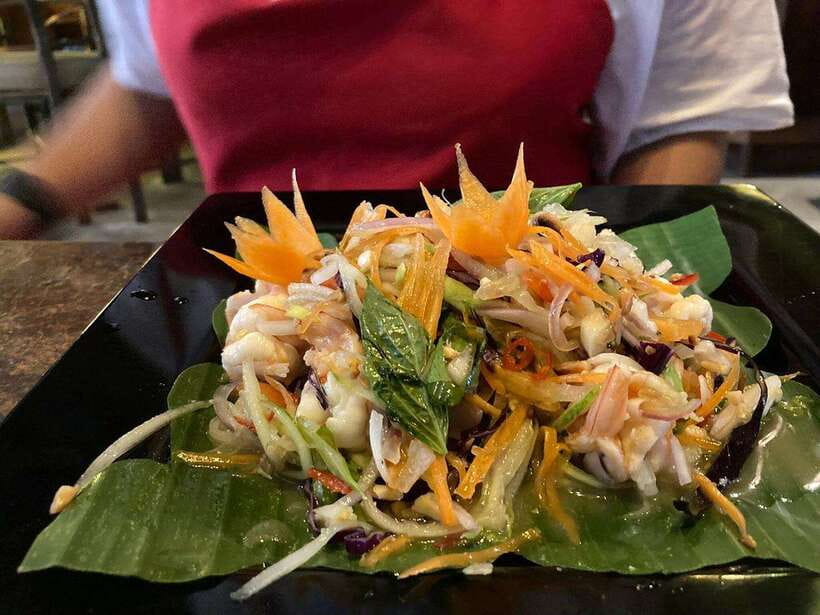
I would recommend it most strongly to:
- Food-focused visitors who want to learn how Khmer dishes are made.
- Couples and friends who like choosing dishes and cooking together.
- Solo visitors who value the possibility of a one-on-one lesson.
- People curious about Kampot pepper and its role in local cooking.
- Visitors with a free half-day who want a structured activity near central Kampot.
- Home cooks who want recipes they can repeat after returning home.
It may be less suitable if you dislike market visits, do not want hands-on cooking, or prefer a fixed menu with guaranteed dishes. It is also not the right pick if you are looking only for a quick meal. Four hours is a meaningful block of your holiday.
Should you book it?
Book this class if you want to connect a Cambodian meal with the place it comes from. The market visit, flexible three-dish menu, Kampot pepper, and small-group teaching give it more substance than a simple restaurant meal.
I would be especially comfortable recommending it to solo visitors, couples, and friends who want personal instruction. Lyna and the other chefs receive strong praise for kindness, patience, and clear explanations, and the class can be intimate enough to feel tailored.
Before paying, confirm the available dishes, pickup location, and any dietary requests. If those details work for you, $42 is a fair price for four hours of food, instruction, transport, and local context in the heart of Kampot.
FAQ
How long does the Khmer Food Culture Cooking Class in Kampot last?
The class lasts four hours.
How much does the cooking class cost?
The price is $42 per person.
Where does the class take place?
The cooking lesson takes place in a traditional colonial house in central Kampot near the river.
Does the experience include a market visit?
Yes. A professional chef guides you through a local Khmer market before the cooking lesson.
How many dishes will I cook?
You choose three Khmer dishes: a starter, a main dish, and a dessert.
What dishes might be available?
Possible dishes include larb, papaya salad, amok, spicy beef salad, lok lak beef, and mango sticky rice. The exact menu can vary.
Is the class taught in English?
Yes. English is the stated teaching language.
Is transportation included?
Yes. Round-trip transfer and pickup are included. You should wait in your hotel lobby from 10 minutes before the scheduled pickup time.
Can I cancel the booking?
Yes. You can cancel up to 24 hours in advance for a full refund. Reserve-now, pay-later booking is also available.
More Food in Kampot
- Old Siem Reap Sunset Food Tour by Tuk-tuk
★ 5.0 · 311 reviews - Siem Reap: Street Food Experience by Tuk-Tuk
★ 4.9 · 310 reviews - Phnom Penh’s Culinary Underground: Local Food Tour by Tuk-tuk
★ 5.0 · 234 reviews - Siem Reap: Evening Food Tour with 10 Local Tastings
★ 4.9 · 222 reviews
More food and drink experiences in Kampot
- Phnom Penh: Sunset Cruise with Unlimited Beer &Fruit platter
★ 4.7 · 515 reviews - Sunset Cruise with unlimited beer & soft drinks -English speaking guide on board
★ 5.0 · 419 reviews - Ultimate Phnom Penh Food Tour by Tuk Tuk: 20 Tastings and Drinks
★ 5.0 · 409 reviews - Siem Reap Evening Food Tour – Inclusive 5 stops Local Tastings
★ 5.0 · 325 reviews
Just added in Kampot
- Trip with Local tuk tuk to Country side & Pepper farm…★ 5.0 · 13 reviews
- Kayaking tour around green cathedral★ 4.8 · 38 reviews
- Kampot: Sunset Walking Tour★ 4.1 · 9 reviews
- Kep: Discover kampot pepper farm/lake & Salt fields…more★ 5.0 · 5 reviews
- Kep town: Local tuk tuk to Countryside & Pepper farm★ 4.6 · 8 reviews
- Kampot Pepper Farm Tour: Salt Fields, La Plantation & Cave★ 4.8 · 18 reviews
- Kampot-Phnom Penh include Pepper farm Tour, Salt field, Lake★ 4.8 · 5 reviews
- Kampot Pepper & Kep/Crab Market Tours: Salt, Secret lake★ 4.7 · 33 reviews
Kampot Pepper Farm Tours, compared.
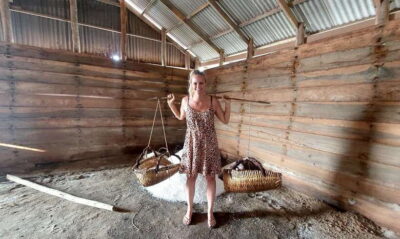
Pepper Farm Tours, Salt, Lake & Phnom Chhngok Temple
Read our review →
Full-day Countryside Tour with Pepper Farm and Kep
Read our review →
Discovery Tour: Caving, Climbing, Via Ferrata and Abseiling in Kampot
Read our review →
Tuk Tuk Trip to Pepper Farm, Kep, Crab Market & More
Read our review →
Kampot Tour Pepper Plantation, Salt Field, Cave, Secret Lake
Read our review →
Kampot Countryside include Pepper farm, Salt field & Lake
Read our review →
La Plantation tour (discovering Kampot Pepper) + Lunch
Read our review →Browse the lists this tour appears in