
Reviewed · CITY TOURS
Siem Reap City Hidden Gems (Private Guided Tour)
Siem Reap’s best stories are not all carved into Angkor Wat. This private city tour takes you from the Old Market and French Quarter to working monasteries, village roads, a 10th-century brick temple, and Satcha’s craft center. It is a useful first look at how modern Siem Reap lives alongside its Khmer past.
I like the personal guide and driver, which let you ask questions and adjust the pace. I also like the unusual stops: a monastery with a long wooden racing boat, and the Apopo Rat Center, where trained rats help locate landmines. The main caution is that the route can change, and the advertised walking portions may include tuk tuk transport, so confirm the exact plan before you go.
Key points at a glance
- A practical first look at Siem Reap: Cover markets, shrines, monasteries, royal landmarks, craft workshops, and local neighborhoods in about three and a half hours.
- The Apopo option adds real weight: For an extra $10 per person, see how trained rats help detect landmines and unexploded weapons.
- The temple stop is free: Visit a small 10th-century brick temple without paying an additional entry fee.
- Private transport keeps things flexible: You have a guide and driver rather than sharing a large group, though the route may be by tuk tuk rather than on foot.
- Satcha gives local crafts a proper setting: See Cambodian design and handwork at an incubation center that supports small makers.
- Best for first-time visitors: Use it before or after the major Angkor temples to understand the town, its customs, and its recent past.
What this short Siem Reap tour really offers
This is not a substitute for a full Angkor temple day. It is a compact introduction to Siem Reap itself, a town shaped by Buddhism, royal Cambodia, French-era planning, village life, craft work, and the long effects of war.
You start in Krong Siem Reap with hotel pickup, then spend roughly three and a half hours moving through several parts of town. The private format matters. With only your own party, you can ask about Cambodian history, Buddhism, local customs, or daily life without waiting for a busload of people to catch up.
The tour is sold as a city walk in places, but one recent experience used a tuk tuk for much of the route. That is not necessarily a flaw. Siem Reap can be hot, and short rides make it possible to fit more into a limited window. Still, if you want a mostly walking tour, ask the operator what transport will be used on your date.
A few more things to do in Siem Reap worth a look
- Full-Day Angkor Wat Sunrise Private Tour with Guide from Siem Reap
★ 5.0 · 2,920 reviews - Siem Reap: Angkor Wat Private Tuk-Tuk Tour
★ 4.9 · 2,222 reviews - Angkor Wat Private Day Tour from Siem Reap
★ 5.0 · 834 reviews
Starting around the Old Market and French Quarter
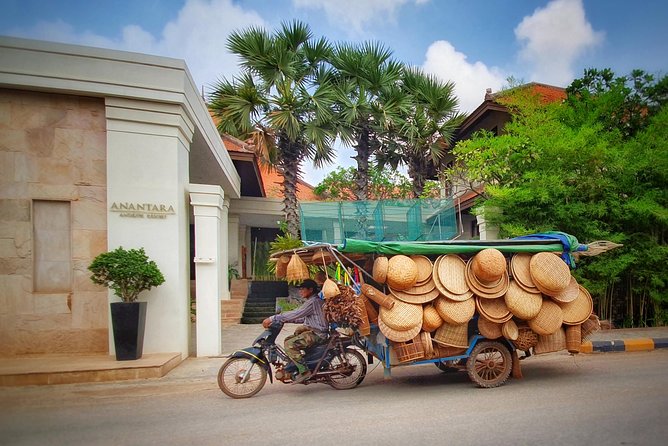
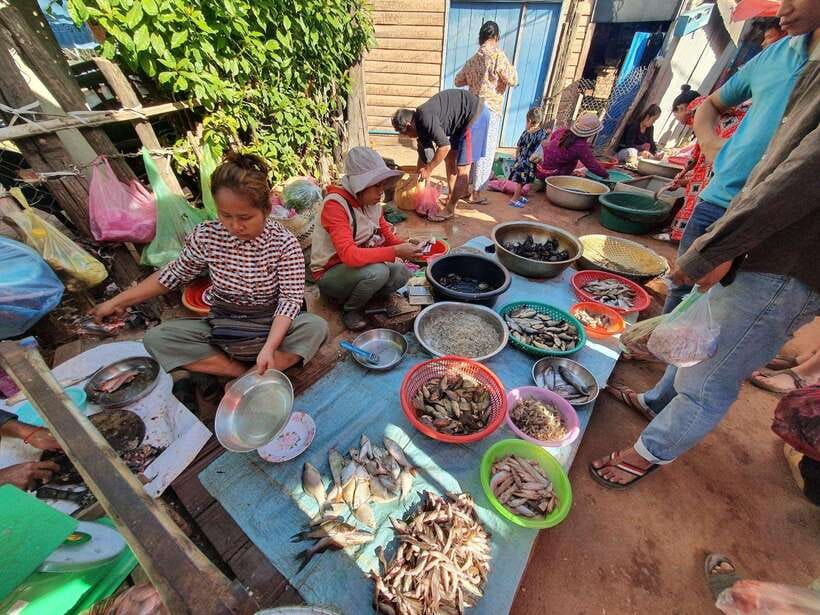
The Old Market, known locally as Psa Chas, is a sensible starting point. It gives you a quick read on Siem Reap’s commercial life, from food and household goods to souvenirs and small local businesses.
You may already have visited the market independently. If so, tell your guide. One private booking became shorter because the guest had already spent time there and did not want to repeat it. That flexibility is useful, but it also shows why you should discuss your priorities at the start.
The French Quarter adds a different note. Its older buildings and broad streets reflect the period when Siem Reap became a base for visitors coming to the Angkor temples. The contrast between the market and this more formal town center helps you see that Siem Reap is not just a gateway to ruins. It is a living provincial city with its own routines.
Do not expect a long architectural tour here. The value is in orientation and explanation. Your guide can connect the market, old town, temples, and modern businesses in a way that is hard to get from a quick walk with a map.
Buddhism at a monastery dating to 1371
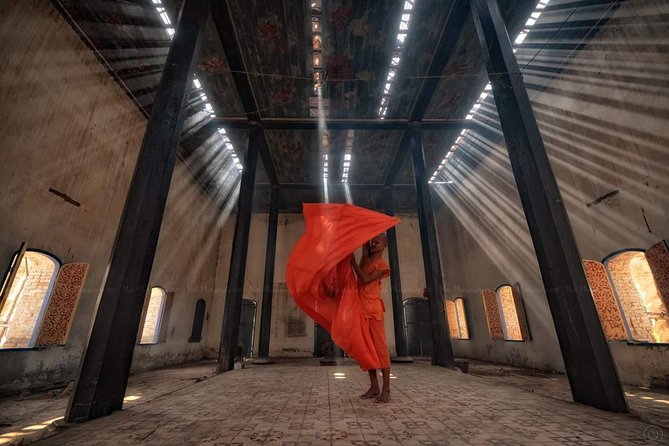
One of the more meaningful stops is an old Buddhist monastery said to date to A.D. 1371. The age alone is not the point. A monastery remains part of local life, so this stop can show you how religious buildings function today rather than presenting them only as historic monuments.
The route also includes a local shrine and other monasteries. You may learn how monks live, what their daily role is, and how Buddhism shapes Cambodian family and community life. The exact amount of time here depends on the guide and the pace of your group, but the schedule allows around 30 to 40 minutes at some stops.
Dress with care. Bring a scarf if needed, and plan on covering shoulders and knees at religious sites. A hat is useful in the sun, but remove it inside sacred spaces. Carry hand sanitizer or tissues, especially if you are moving between markets, workshops, and public sites.
The tour’s historical explanations are one of its strongest features. A guide who can explain both the visible building and its place in present-day Cambodian life adds far more than a list of dates.
Royal Residence and Big Bat Park
The Royal Residence offers a look at Siem Reap’s connection with Cambodia’s modern monarchy. This is not the same type of experience as entering a major palace museum, so keep your expectations measured. The stop is useful as part of a wider town story, particularly when your guide explains the role of the royal household and the area around it.
Big Bat Park brings the route back to open public space and local scenery. The supplied schedule allows about 30 minutes for the Royal Residence and additional time for other sites. Exact order can vary, which is normal on a private city tour.
The tour description also includes a war memorial connected with people who died during conflict between Cambodia and Vietnam. That stop adds a sober layer to the day. Siem Reap’s ancient temples are famous, but Cambodia’s recent past still shapes families, villages, and public memory.
I appreciate that this route does not treat Cambodia as only an ancient civilization. The old and recent parts of the country belong in the same conversation.
Same base, a different kind of day out:
- Angkor Wat Sunrise or Sunset Tour with Guide from Siem Reap
★ 5.0 · 12,109 reviews - Siem Reap: Angkor Wat: Small-Group Sunrise or Sunset Tour
★ 5.0 · 9,444 reviews - From Siem Reap: Kampong Phluk Floating Village Tour by Boat
★ 4.9 · 6,979 reviews - Sunset tour of Kampong Phluk stilts home village on the Tonle Sap
★ 5.0 · 4,865 reviews
The monastery with the 76-rower boat
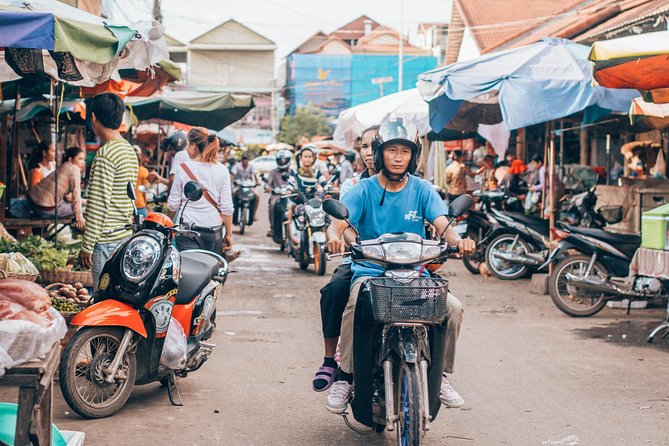
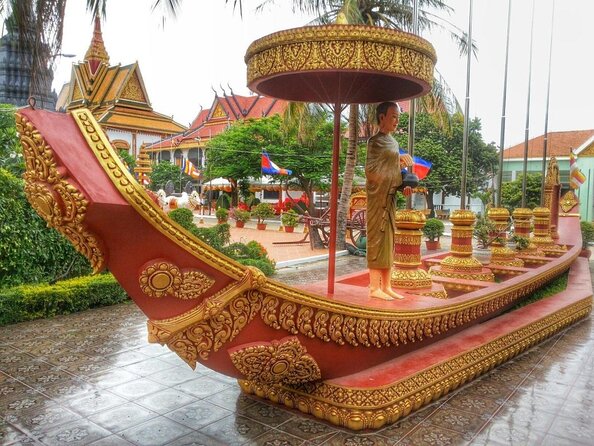
One of the most unusual details on this route is a local monastery with a wooden boat built to hold 76 rowers. It connects religious life with Cambodia’s water culture and traditional boat racing.
The boat is not simply an object for a photograph. Ask your guide how it is used, who rows it, and what local festivals or races mean to the community. The experience may be brief, but it gives you a concrete way to understand why rivers and seasonal water remain important in Cambodian life.
This is also the kind of stop you might miss without local help. It is not one of the standard headline sights, and there is no obvious reason for an independent visitor to seek it out. The tradeoff is that smaller local stops can be subject to timing, access, or route changes. Confirm that the boat visit is included if it is especially important to you.
Village roads, a school, and everyday Siem Reap
The route can pass a local school and a small village outside the central tourist area. These moments are less polished than the market or craft center, which is exactly why they can be useful.
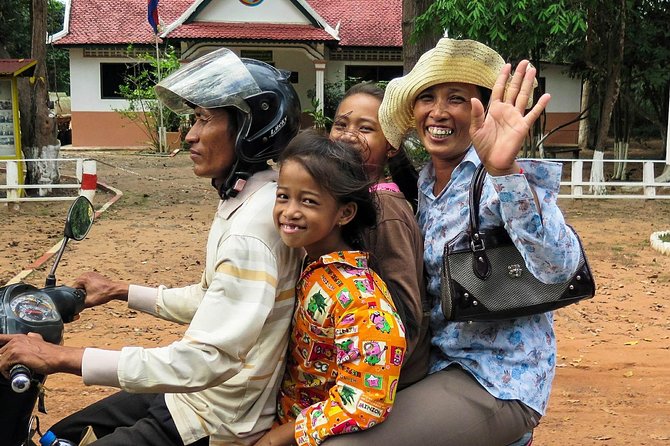
You might see ordinary streets, homes, shrines, or school life from the road. The experience is observational rather than a formal visit with a program. Be respectful with cameras, especially around children and religious sites. Ask before taking close-up photographs.
This portion helps put the city in context. Siem Reap’s hotels and restaurants can make the center feel like a tourism zone, but nearby communities have their own pace and needs. A guide can explain what you are seeing instead of leaving you to guess.
The itinerary does not promise a long village walk or a school tour. Treat this as a passing look at local surroundings, not a guaranteed classroom visit.
A free 10th-century brick temple
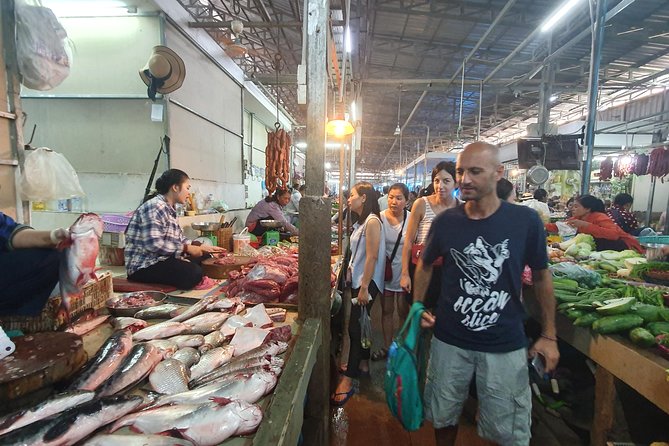
The small brick temple is one of the route’s strongest historical stops. It dates to the 10th century, and no separate ticket is required.
Do not compare it with Angkor Wat in scale. Its appeal is different. A smaller ruin can make you pay closer attention to brickwork, layout, age, and the way older sacred sites survive within or near a modern city. Your guide’s explanation is especially useful here because the site may not have the extensive signs found at major archaeological parks.
If you have already seen several of Cambodia’s grand temples, this stop provides a quieter change of pace. If you have not yet visited Angkor, it offers a small preview without taking up a full morning.
Wear comfortable shoes, but do not assume every part of the outing is on foot. Transport arrangements can vary, and the full route may use a tuk tuk.
Satcha and the Made in Cambodia Market
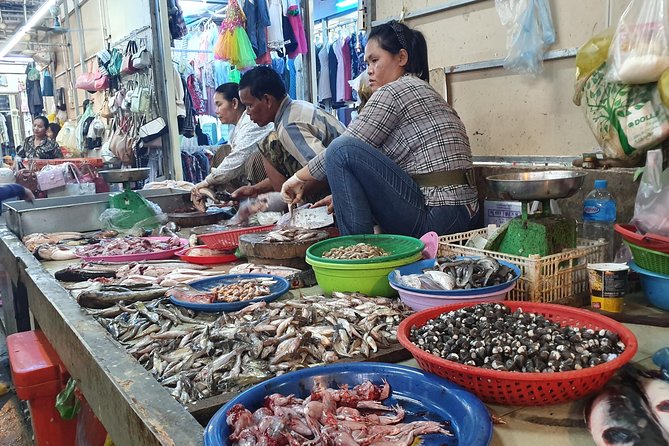
Satcha Handicraft Incubation Center brings the tour into present-day Cambodian craft production. The focus is on local design and small businesses, giving you a chance to see how traditional skills can be developed for current markets.
This is more useful than a quick souvenir stop because you can learn about the people and work behind the products. Look carefully at materials, finishing, and design. If you plan to buy something, ask about the maker and how the purchase supports the enterprise.
The route may also include Made in Cambodia Market, which highlights local businesses and products. It is a good place to shop with more confidence than at a generic souvenir stall. Prices and products are not specified, so bring cash if you think you may buy something.
One caution: the broader schedule may include commercial stops such as silver or gem crafts and a crocodile leather workshop. You are not required to buy anything, and one guest declined some of these visits. Tell your guide if you prefer history and community sites over shopping.
The Apopo Rat Center costs extra, but adds meaning
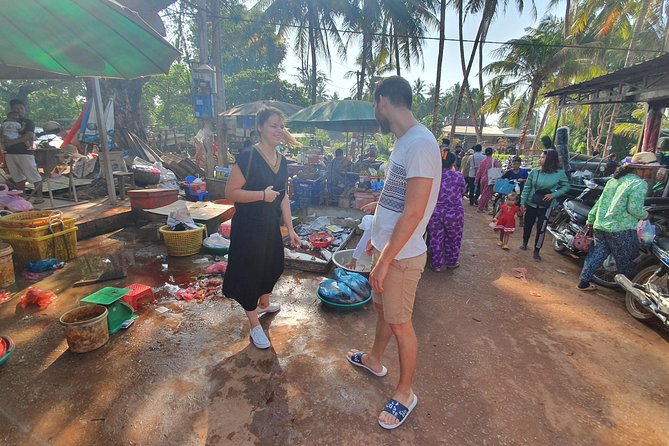
The optional Apopo Rat Center is the most distinctive add-on. The admission is $10 per person, separate from the $39 tour price.
At the center, trained rats are used to help detect landmines. Cambodia’s war years left dangerous explosives in the ground, and landmine clearance remains a serious public safety task. Seeing the animals work gives you a clear explanation of a difficult problem and the practical methods used to address it.
One traveler described this stop as the highlight of the day, and I can understand why. It is memorable, educational, and directly tied to Cambodia’s modern history. If you have room in your budget, I would choose it over an optional shopping stop.
The center can also change the timing of the tour. The standard experience lasts about three and a half hours, so ask how the extra visit affects the other stops. If you are not interested in the rat center, tell the operator in advance so you can focus on the rest of the route.
Is $39 good value for a private tour?
At $39 per person, the value depends on the size of your party and what you want from a short city tour. You receive a private guide, a driver, drinking water, attraction tickets other than Apopo, and taxes. Hotel pickup is included after you provide your accommodation details.
For a solo visitor, $39 is reasonable if you want local transport and context without arranging several separate visits. For two or more people, the private format becomes more attractive because you share the guide and vehicle within your own group.
The price does not include lunch, tips, or the $10 Apopo admission. Bring cash for those costs. There is no need to plan a meal into the three-and-a-half-hour route unless you arrange one separately.
The main value is not the number of stops. It is the explanation and access to places you may not find easily on your own. If you only want major temple ruins, spend the money on an Angkor-focused tour instead. If you want to understand Siem Reap beyond the famous park, this is a useful addition.
Timing, pace, and what to bring
The tour runs about three to four hours, with a listed duration of 3.5 hours. Starting times are subject to availability, so choose a period that suits your energy and the heat.
You should bring:
- A hat for sun protection
- A camera
- Cash for tips, shopping, or the Apopo ticket
- A scarf for religious sites
- Hand sanitizer or tissues
- Comfortable footwear
The schedule includes a guided city segment of about 2.5 hours, around 20 minutes at the Old Market, 30 minutes at the Royal Residence, and other visits of roughly 30 to 40 minutes. In practice, driving time, traffic, weather, and your choices can alter those figures.
The private setup helps if you need to shorten a stop or spend longer at a place that interests you. It also means you should speak up. A private tour is only as useful as the conversation you have with your guide.
Who should book this Siem Reap city tour?
I would recommend it to first-time visitors who want a quick orientation before tackling Angkor. It also suits people who have already seen the major temples and want local markets, Buddhism, crafts, village life, and Cambodia’s modern story.
Families and small groups may like the private vehicle and adjustable pace. Solo visitors can also benefit from having transport and an English-speaking guide arranged together.
I would be more cautious if you expect a fixed, fully walking itinerary with every listed stop guaranteed. The route can change, and one experience included tuk tuk travel instead of a mostly walking format. Ask for a confirmed stop list, including the palace, boat, school, brick temple, Satcha, and Apopo, before paying.
Should you book it?
Book this tour if you want a short, private introduction to Siem Reap rather than another grand temple day. The monastery, free brick temple, Satcha center, and Apopo option give it a useful range, while the guide can explain Buddhism and Cambodia’s past in plain terms.
Skip it if you have only one brief day and want to spend all your time at Angkor, or if commercial workshops would frustrate you. Before departure, confirm the transport, the exact stops, and whether Apopo is included. With those points clear, $39 buys a practical look at the city that many temple itineraries leave out.
FAQ
Where does the Siem Reap city tour take place?
The tour takes place in Siem Reap Province, beginning in Krong Siem Reap and returning there after the visits.
How long does the tour last?
The stated duration is 3.5 hours, with the overall experience generally taking about three to four hours.
Is hotel pickup included?
Yes. Pickup is included, and you can provide your hotel details after booking so the guide and driver can collect you.
Is the tour private?
Yes. It is arranged for a private group with a guide and driver.
What language does the guide speak?
The live guide service is in English.
Is the Apopo Rat Center included in the price?
No. Entry to Apopo costs an additional $10 per person.
Are attraction tickets included?
Tickets to the listed attractions are included except for the Apopo Rat Center.
Does the tour include food?
No. Meals are not included. You can arrange lunch separately if you want one.
Can I cancel the booking?
You can cancel up to 24 hours in advance for a full refund. The tour also offers reserve now and pay later booking.
Just added in Siem Reap
- Twilight Tastes of Siem Reap Include Dinner★ 5.0 · 13 reviews
- Ultimate Sunrise to Angkor Wat, Angkor Thom and Bayon Temple★ 5.0 · 3 reviews
- Trekking Tour at Phnom Kulen National Park from Siem Reap★ 5.0 · 3 reviews
- Full-Day Private Tour of Angkor Wat with Pick Up★ 5.0 · 12 reviews
- Private Day Trip to Angkor Temples with Expert Guide★ 5.0 · 4 reviews
- Siem Reap City Tour with War Museum and Killing Field★ 5.0 · 27 reviews
- Waterfall & River of 1000 Siva Linga- Kulen Mountain Private Tour★ 5.0 · 3 reviews
- Angkor Wat Experience Temple Pass and Siem Reap Food Tour★ 5.0 · 13 reviews
City Tours, compared.
Full Day tour .City tour.Countryside.Bamboo Train.Secret Bat Cave
Read our review →
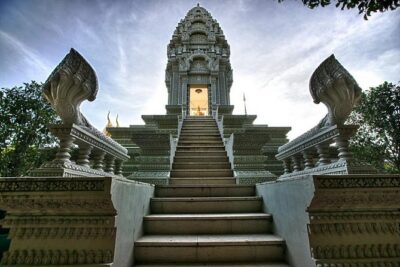
Phnom Penh City Tour, Silver Pagoda, Genocide Museum, Killing Fields
Read our review →
Siem Reap City Hidden Gems (Private Guided Tour)
Read our review →
Siem Reap City to Siem Reap Angkor Airport by Shuttle Bus
Read our review →
Private Airport Transfer: Siem Reap Angkor (SAI) ↔ City Hotels
Read our review →Browse the lists this tour appears in