
Reviewed · ANGKOR TEMPLE TOURS
Angkor Wat: Sunrise: Ta Prohm and Bayon Temple Tour
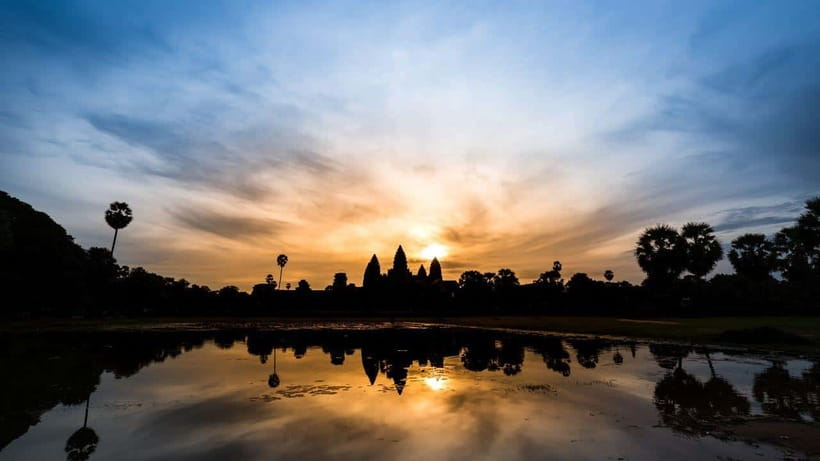
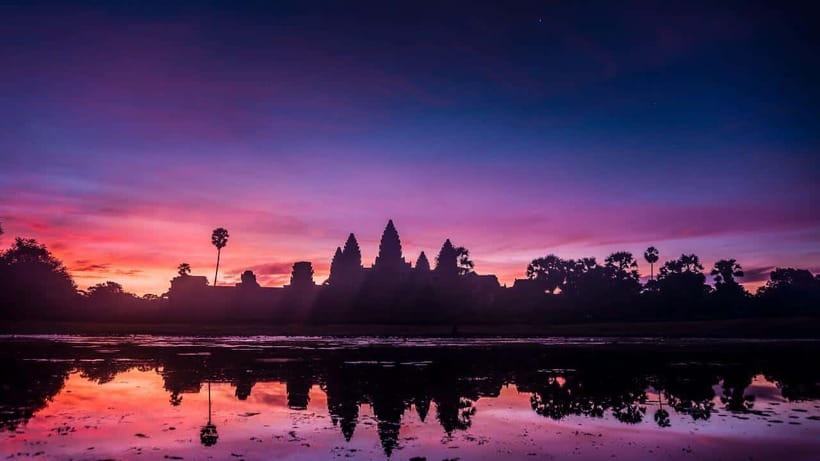
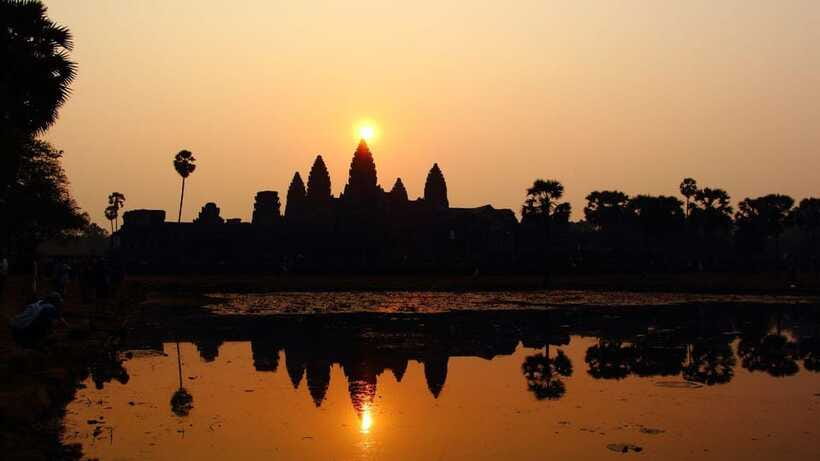
Angkor Wat at sunrise is the main event here, and the early start earns its keep. You enter from the eastern side in darkness, pass through old cloisters, and reach the reflection pools as the sky begins to brighten. I like the quiet approach and the two full hours inside the temple, rather than a quick photo stop. I also like the guides, including Chhay, Sokpee, Kiz, and Samnung, who bring history, jokes, and useful photography advice.
The catch is simple: this is a long morning that may begin before 4 a.m. The $16 tour price is appealing, but the Angkor pass costs another $37, and breakfast is not included. You also need covered shoulders and knees, comfortable shoes, and enough energy for a lot of walking.
Key points to know before you book
- Sunrise begins before dawn: You leave your Siem Reap hotel early, often before 4 a.m., to reach a good viewing position.
- The eastern entrance adds atmosphere: You approach Angkor Wat through darker, less-used corridors before reaching the main temple.
- Two hours inside Angkor Wat matters: There is time for bas-reliefs, central chambers, corridors, and upper terraces.
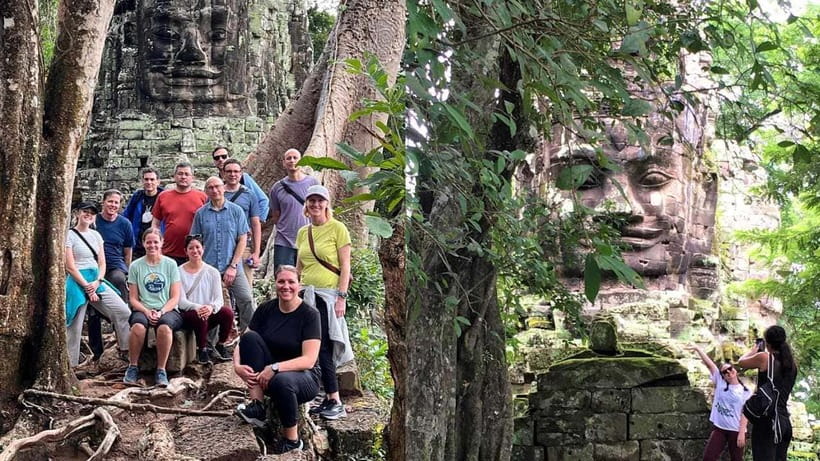
- Ta Prohm feels different: Tree roots, broken stone, and shaded passageways give this temple a more enclosed, jungle-covered mood.
- Bayon is a face-filled finale: More than 200 large carved faces cover its central towers.
- The real cost is $53 plus breakfast: The tour is $16, but the one-day temple pass is $37 and food is extra.
The real price of this Angkor Wat morning
The tour costs $16 per person, which is a strong price for hotel pickup, an air-conditioned vehicle, an English-speaking guide, bottled water, cool towels, and transport between the major temples. The price covers the service and guiding, not entry to the archaeological park.
You must add the one-day Angkor temple pass, priced at $37. That brings the basic total to $53 per person before breakfast. A local restaurant stop follows Angkor Wat, but you pay for your own meal. If your hotel can prepare a boxed breakfast, that may be the easiest option, especially after the early wake-up.
I consider the total fair for a first visit. Angkor Wat, Ta Prohm, Bayon, Angkor Thom, and the Southern Gate would be difficult to connect efficiently on foot or by bicycle during one morning. The guide also gives you context for the carvings and temples, which makes the stonework easier to understand than it would be from photographs alone.
The value is strongest if you want a structured introduction to Angkor. If you prefer to move slowly, sketch, photograph every corridor, or return to one temple for a second look, the fixed schedule may feel tight.
More temples within reach of Cambodia:
- Siem Reap Tour: Angkor Wat Sunrise, Bayon, Ta Prohm, Banteay Srei
★ 5.0 · 931 reviews - Siem Reap: Bike the Angkor Temples – Full-Day 30km Tour
★ 5.0 · 463 reviews - Preah Vihear: Full-Day Preah Vihear and Koh Ker Temple Tour
★ 4.9 · 263 reviews
Before sunrise at Angkor Wat
Pickup begins in Krong Siem Reap, followed by roughly 20 minutes in the van. The vehicle is air-conditioned, a small but useful comfort when you are leaving a cool hotel room for a hot archaeological park. Bottled water and a cool towel are provided during the morning.
Bring a small torch or phone light. The approach begins in darkness, and the guide leads you through the eastern side of Angkor Wat before the main sunrise view. Wear shoes that can handle uneven paths and temple floors. There is no need to dress formally, but shoulders and knees must be covered inside the temples. Shorts are not allowed.
The guide may contact you before the tour with the pickup time and practical details. That matters here because the schedule depends on getting out of town early. Guides such as Sokpee, Sopheaprath, Chhay, Kiz, Samnung, and Sam have been praised for being punctual, attentive, and clear in English, but the specific guide assigned to you can vary.
Angkor Wat at first light
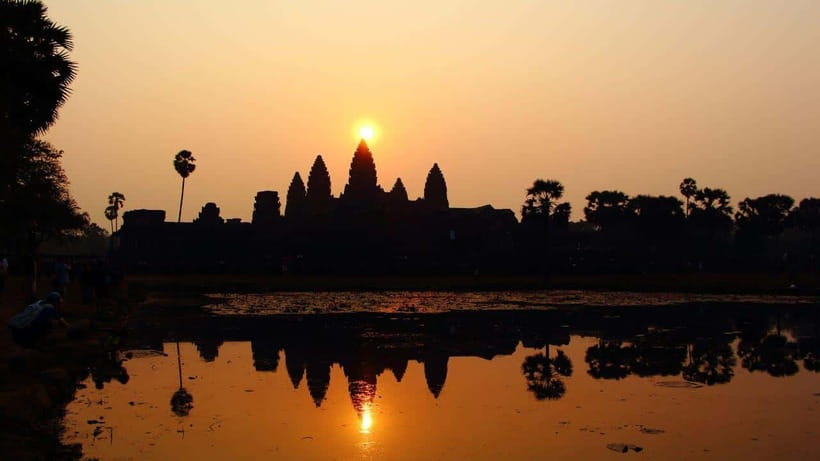
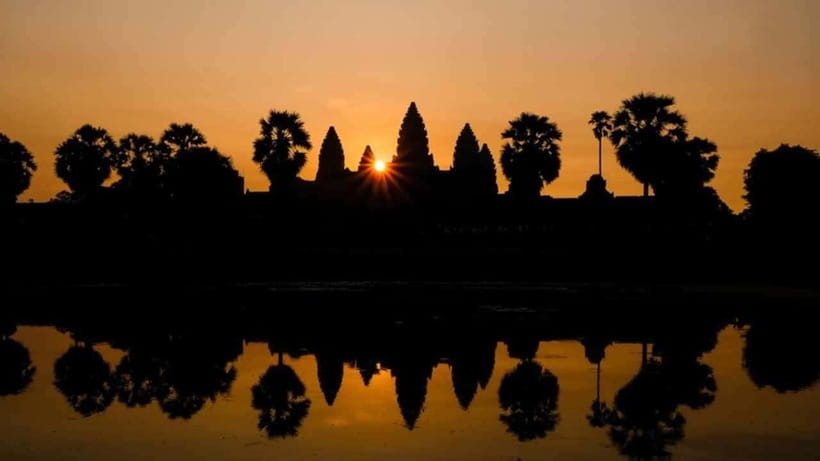
The first sight is not a grand entrance in full daylight. Instead, you approach through the eastern side, passing old cloistered corridors while the temple slowly takes shape around you. This route gives the opening moments a quieter, more mysterious feel than arriving directly at the familiar front view.
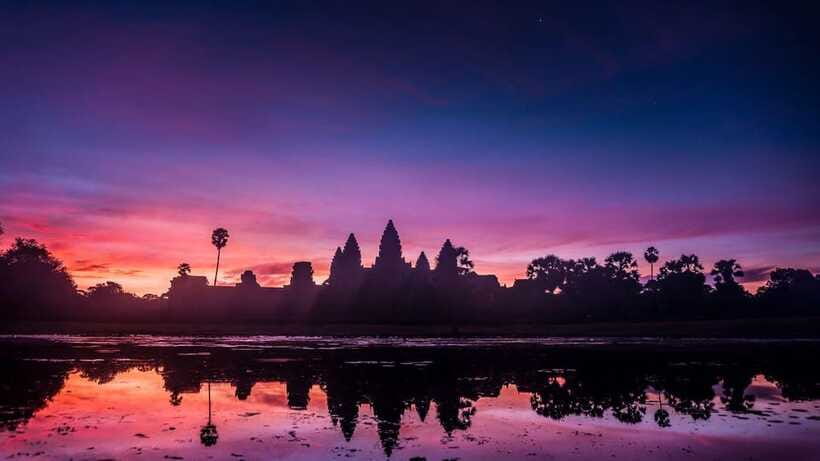
The sunrise position is near one of Angkor Wat’s ancient library pools. From there, you can watch the temple towers and their reflection change as the light improves. Clear skies are never guaranteed, so keep your expectations sensible. Clouds can soften the colors, but the setting remains impressive even when the sun does not produce a perfect orange sky.
Photography is a major part of this stop. Arriving early helps you claim a useful position by the water, and guides such as Sopheaprath are praised for knowing good photo spots. Still, this is a shared public site, so you should expect other people around the pools.
Do not treat sunrise as the whole Angkor Wat visit. After the light improves, the tour spends about two hours exploring the interior. That longer visit is one of the strongest features of the morning.
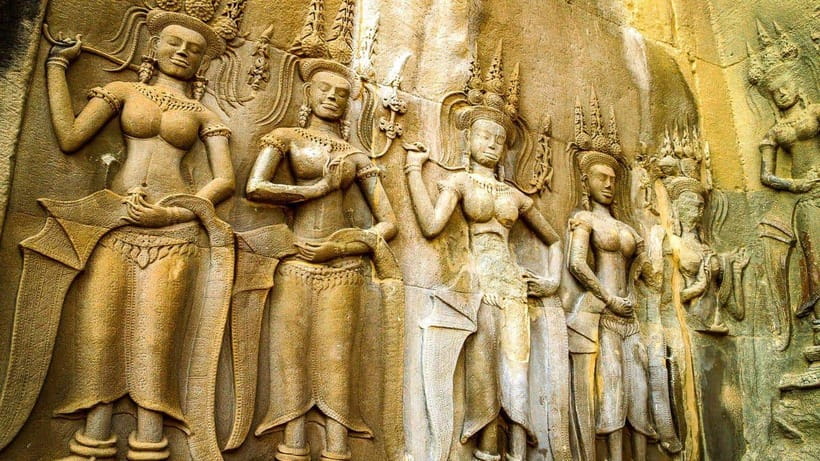
You move through galleries and chambers, inspect carvings, and climb toward the upper terraces when access allows. The temple is not just a symmetrical silhouette from across the water. Its corridors show how much planning went into the complex, while the bas-reliefs offer scenes from religion, warfare, court life, and Khmer belief.
The guide’s role is especially useful here. Without explanation, a long carved wall can become a blur of stone figures and repeated scenes. A good guide points out what you are seeing and connects the architecture to life during the Khmer Empire. Chhay is described as friendly and funny, while Sokpee and Kiz are praised for clear explanations and care throughout the visit.
Allow for a lot of standing and walking. The stone surfaces can be uneven, and the upper areas require effort. This part is not suitable for wheelchair users, and the tour is not designed for children under eight.
Breakfast and a pause at Srah Srang
After Angkor Wat, the morning pauses at Srah Srang for about an hour. This is your chance to eat, drink, and let your legs recover before the next temples.
Breakfast is not part of the $16 price. You can buy food at a local restaurant, or bring a boxed meal from your hotel. The restaurant is described as reasonably priced, but you should still bring cash because food costs are separate.
The pause is practical rather than decorative. A pre-dawn start, two hours inside Angkor Wat, and the heat of the morning can catch up with you quickly. I would use this hour for breakfast, water, sunscreen, and a short rest instead of rushing straight into the next temple.
Same base, a different kind of day out:
- Angkor Wat Sunrise or Sunset Tour with Guide from Siem Reap
★ 5.0 · 12,109 reviews - Siem Reap: Angkor Wat: Small-Group Sunrise or Sunset Tour
★ 5.0 · 9,444 reviews - From Siem Reap: Kampong Phluk Floating Village Tour by Boat
★ 4.9 · 6,979 reviews - Sunset tour of Kampong Phluk stilts home village on the Tonle Sap
★ 5.0 · 4,865 reviews
Ta Prohm and the power of decay
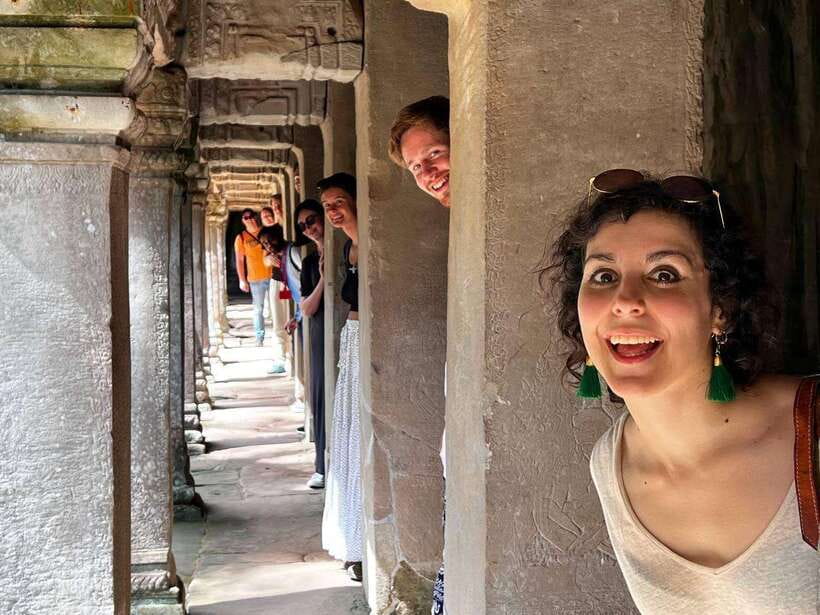
Ta Prohm takes about an hour and changes the mood completely. Angkor Wat feels planned, open, and monumental. Ta Prohm feels enclosed, broken, and claimed by the forest.
The temple was once home to 2,740 monks. Today, its stone galleries and towers are threaded with tree roots, shaded by foliage, and interrupted by fallen blocks. The site looks much as it did when French explorer Henri Mouhot encountered it in the mid-19th century, which helps explain its lasting appeal.
You should not expect every part of Ta Prohm to be open or easy to reach. The attraction is the contrast between carved architecture and natural growth, not a complete view of every chamber. Walk carefully, stay with the guide, and watch your footing around damaged stone.
This stop is also one reason the tour works well as a first introduction. You see three very different kinds of Angkor setting in one morning: the formal scale of Angkor Wat, the root-covered ruins of Ta Prohm, and the face towers of Bayon.
Bayon and the faces of Angkor Thom
The next major stop is Bayon Temple, inside the fortified city of Angkor Thom. You spend about an hour walking through the temple and its central towers.
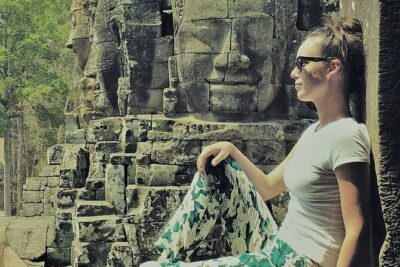
Bayon is famous for its enormous carved faces. More than 200 faces look out from the towers, creating an unusual sense of being watched from every direction. The effect is strongest when you move among the towers rather than viewing the temple only from outside.
Your guide can help separate the different layers of the site: the towers, galleries, reliefs, and religious changes that shaped the temple. This is a place where a short explanation adds real value. The faces are memorable on their own, but the history behind them gives the site more weight.
Bayon can feel crowded and confusing because the towers rise close together. That is another reason to stay with the group. Samnung, also called Lucky, is known for using humor to keep people together, including a playful reminder to stay together like mango sticky rice. It is a small detail, but useful when several people are moving through the same maze of stone.
Angkor Thom and the Southern Gate
The tour also passes the Terrace of the Leper King and the Terrace of Elephants before reaching the Southern Gate of Angkor Thom. These stops are shorter than the main temple visits, but they help you understand the scale of the old city.
The terraces once formed part of a royal ceremonial area. You get a quick look rather than a long, separate visit, so do not expect the same time here as at Angkor Wat or Ta Prohm.
At the Southern Gate, a row of 54 stone figures lines each side of the causeway. Gods stand on one side and demons on the other, creating a striking entrance to the fortified city. The gate is a good place for photographs, but it is also one of the morning’s clearest examples of how Angkor used sculpture to frame movement and power.
The itinerary lists about 20 minutes at the gate. That is enough for an explanation and photographs, though anyone interested in detailed sculpture study may want to return independently another day.
What the guide and transport add
This tour is not only a ride between famous ruins. The guide helps you make sense of what you are seeing, from bas-relief stories at Angkor Wat to the faces at Bayon and the symbolic figures at the Southern Gate.
The strongest guide qualities reported for this service are punctuality, warmth, historical explanation, and attentiveness. Chhay is described as both informative and funny. Sokpee is praised for explaining religions, architectural styles, and the kingdoms connected to the temples. Kiz is noted for looking after people throughout the long morning, while Sopheaprath combines temple knowledge with photography help.
Those names do not guarantee who will lead your tour, but they show the sort of guiding style you can expect from this operator. The experience is in English, and the guide can answer questions as you move from stop to stop.
The air-conditioned van is another practical advantage. You are not responsible for finding each entrance or negotiating transport between widely spaced temples. After each stop, water and a cool towel help with the heat. The vehicle also returns you to Krong Siem Reap at the end, usually between 12:30 and 1:30 p.m.
Who will enjoy this tour most
I would choose this tour if you have one main morning for Angkor and want the essential temples arranged in a sensible order. It suits solo visitors, couples, and anyone who wants an English-speaking guide instead of trying to interpret the monuments alone.
It is also a good fit if you care about sunrise photographs but still want proper time inside Angkor Wat. Some sunrise outings leave soon after the first pictures. This one continues into the galleries, chambers, and upper terraces before moving on.
You should think twice if you dislike early starts, walking on uneven stone, or moving on a fixed schedule. The day ends around lunchtime, but the demanding part happens before noon. You will need to be awake, dressed, and ready long before most sightseeing tours begin.
The activity is not suitable for children under eight or wheelchair users. It also requires temple-appropriate clothing, comfortable shoes, cash for breakfast and other costs, a camera if you want photographs, and biodegradable sunscreen.
Cancellation is flexible up to 24 hours before departure, and you can reserve now and pay later. Those terms are useful if your Siem Reap plans are still changing, but the bigger decision is whether you want a guided, early-morning overview or a slower independent visit.
Should you book this Angkor sunrise tour?
Book it if you want strong coverage in one morning: Angkor Wat at sunrise, a full temple visit, Ta Prohm, Bayon, Angkor Thom, and the Southern Gate. The $16 service price is low for the transport and guiding, although the $37 temple pass means the true base cost is $53 before breakfast.
I would especially recommend it for a first day in Siem Reap. You get the major sights, helpful historical context, reliable transport, and small comforts such as water and cool towels. The early wake-up is the main sacrifice, but arriving before the crowds and seeing Angkor Wat change in the morning light makes that sacrifice worthwhile.
Skip it if you want to photograph every corner at your own speed or cannot manage a pre-dawn start. For most visitors who want a practical introduction to Angkor, this is a well-priced and thoughtfully paced choice.
FAQ
What is included in the $16 tour price?
The price includes hotel pickup and drop-off in Krong Siem Reap, air-conditioned transport, an English-speaking guide, bottled water, cool towels, and visits to Angkor Wat, Ta Prohm, Angkor Thom, Bayon Temple, and the Southern Gate.
Is the Angkor temple entrance fee included?
No. The one-day temple pass costs US$37 and covers the temples visited during the tour.
Is breakfast included?
No. The tour pauses for breakfast at a local restaurant, but you pay for the meal yourself. You may also bring a boxed breakfast from your hotel.
How early does the tour start?
The tour begins before dawn, and some departures require leaving before 4 a.m. Check the available starting time when booking.
How long does the activity last?
The full tour lasts about eight hours and usually returns to your hotel between 12:30 and 1:30 p.m.
What should I wear to the temples?
Wear comfortable clothing that covers your shoulders and knees inside the temples. Shorts are not allowed, and comfortable shoes are recommended.
Is the tour suitable for children and wheelchair users?
The tour is not suitable for children under eight or wheelchair users. You should also be ready for considerable walking on uneven temple surfaces.
Just added in Cambodia
- Bamboo Train, Banann Temple, Fruit Bat, Bat Cave, Sunset★ 4.2 · 3 reviews
- Twilight Tastes of Siem Reap Include Dinner★ 5.0 · 13 reviews
- Ultimate Sunrise to Angkor Wat, Angkor Thom and Bayon Temple★ 5.0 · 3 reviews
- Trusty Tuk Tuk★ 5.0 · 4 reviews
- Koh Rong Tour: A Snorkeling, Fishing, Sunset, Plankton★ 4.0 · 4 reviews
- Trekking Tour at Phnom Kulen National Park from Siem Reap★ 5.0 · 3 reviews
- Cooking Class at La Plantation★ 5.0 · 16 reviews
- Trip with Local tuk tuk to Country side & Pepper farm…★ 5.0 · 13 reviews
Angkor Temple Tours, compared.
Siem Reap Tour: Angkor Wat Sunrise, Bayon, Ta Prohm, Banteay Srei
Read our review →
Angkor Wat one Day Private Tour for All Highlight Angkor Temples
Read our review →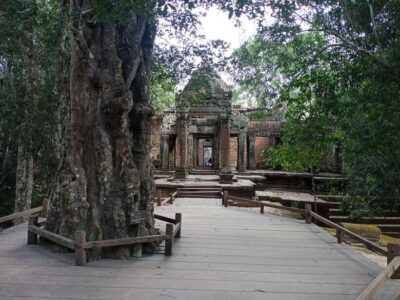
1-Day private Angkor Temple Tour from Siem Reap
Read our review →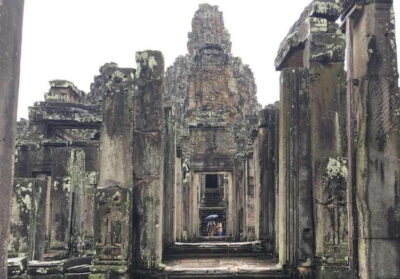
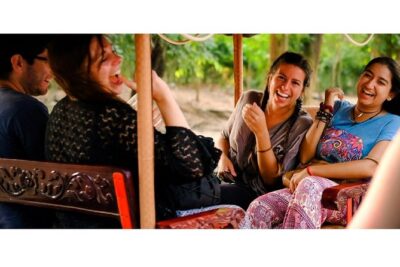
Private one-day tuktuk ‘small tour’ of the oldest Angkor temples
Read our review →Browse the lists this tour appears in