
Reviewed · TUK TUK TOURS
Authentic Siem Reap: Tuk Tuk Countryside and Sunset Tour
The most rewarding part of this four-hour tuk tuk tour is the shift away from Siem Reap’s temple circuit. You see how food, farming, craft, religion, and family life fit together in the villages outside town. A local market, rice wine farm, lotus workshop, and sunset meal give the afternoon a useful sense of place.
I like the small-scale feel and the way the tour uses food to explain Cambodian life. You taste rice wine, fried banana, local snacks, lotus tea, and lotus dishes rather than simply looking at rural life through a vehicle window. I also like the guides’ personal touch. Sarah, Ben, and Hong Ho have each led this experience, and Hong Ho has even added a brief stop at her sister’s food stall for some visitors.
The main consideration is that this is not a polished sightseeing show. Roads can be dusty, the heat can be strong, and some stops are working farms or small shops rather than formal attractions. The sunset timing can also depend on weather, as one outing ended just before a thunderstorm.
Key points to know before booking
- Local market first: Learn how nearby families buy food, choose produce, and balance market customs with the rise of supermarkets.
- Rice wine with a working farm: See rice fermentation and how leftover rice is reused as pig feed.
- Lotus silk and women’s work: Visit a social enterprise that turns lotus fibers into textile and supports local employment.
- Food is part of the lesson: Try local snacks, rice wine, lotus tea, lotus cake, and lotus-based dishes.
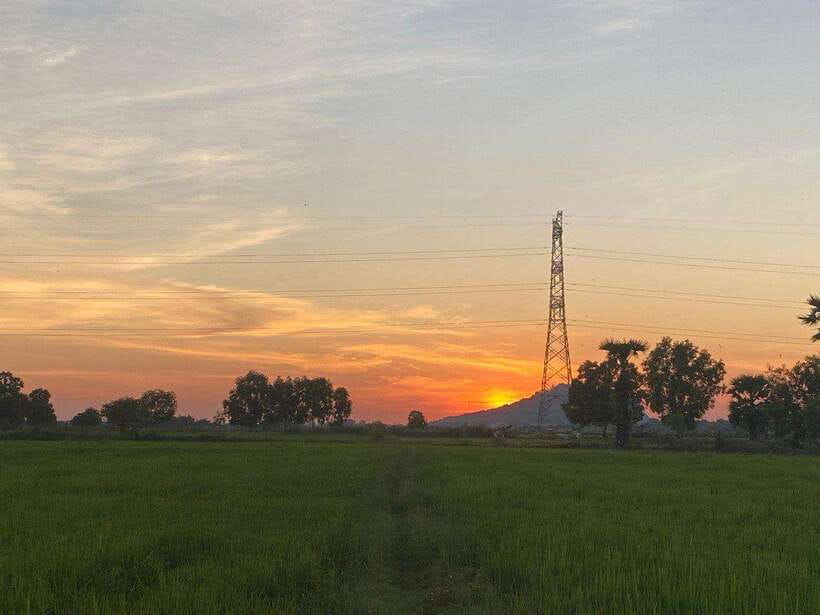
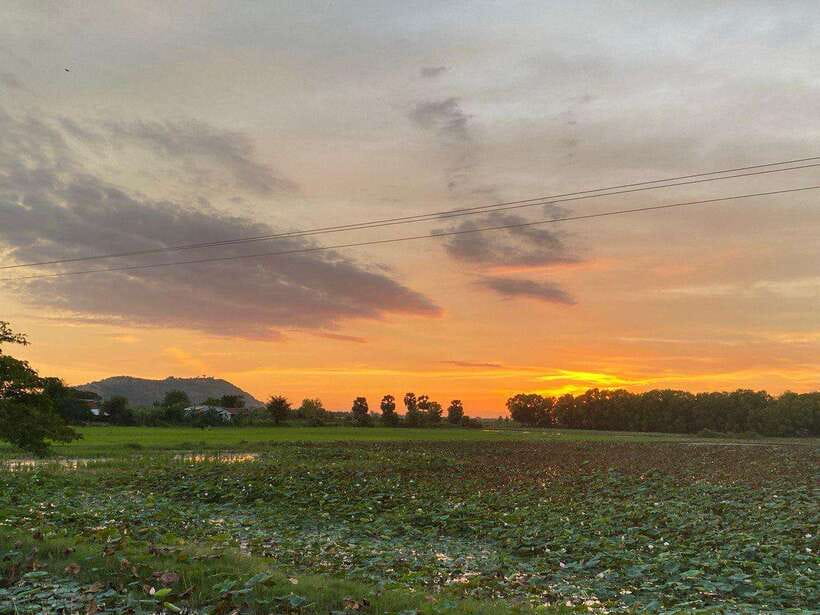
- Sunset at Phnom Krom: Finish on a traditional mat near rice fields, with views across the countryside.
- Flexible four-hour format: Hotel pickup and drop-off are included, but you should bring water, sun protection, insect repellent, and small cash.
Why this countryside tour makes a good break from the temples
Siem Reap is best known for Angkor, and you should give the temples the time they deserve. Still, temple visits tell only part of the story. This afternoon trip shows the food systems, household skills, small businesses, religious customs, and farming practices that shape daily life around the city.
You travel in a tuk tuk with an English-speaking guide and driver. That matters because the ride itself becomes part of the experience. You see homes, fields, roads, and ordinary village activity at a slower pace than you would from a larger vehicle.
The tour lasts about four hours and costs $69 per person. That is not the cheapest way to see the countryside, but the price includes hotel transport, a private-feeling local experience, a professional guide, snacks, drinks, food tastings, and entrance fees. If you tried to arrange several of these stops on your own, you would need transport, translation, and local introductions.
Group size is not specified, so ask when booking if you want to know how many people will share the tuk tuk. The experience can feel particularly personal when the guide is able to spend most of the afternoon with one or two visitors. Guides have included Sarah, Ben, and Hong Ho, though you should not assume a particular person will be assigned.
More Tuk Tuk Tours in Siem Reap
- Siem Reap: Angkor Wat Private Tuk-Tuk Tour
★ 4.9 · 2,222 reviews - Siem Reap Countryside Bike Tour / E-Bike or Tuk Tuk
★ 5.0 · 935 reviews - Angkor Sunrise Bike Tour / E-Bike or Tuk Tuk
★ 5.0 · 615 reviews
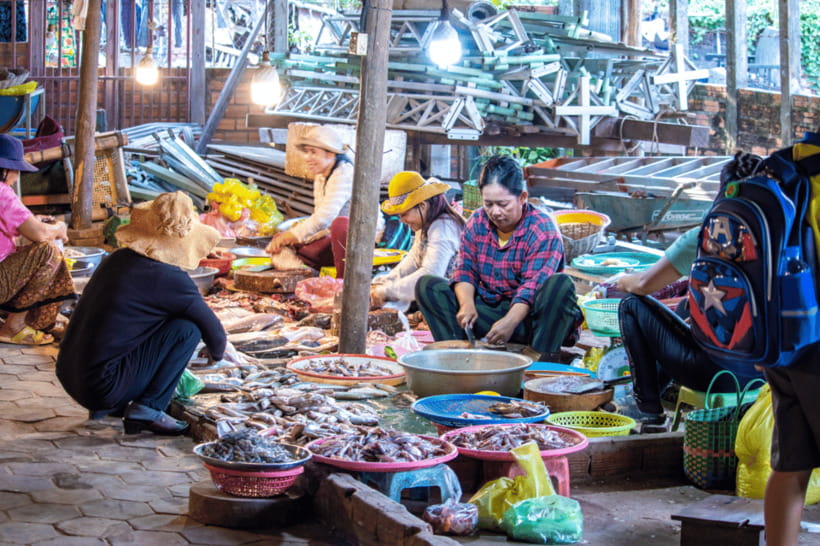
A market that explains everyday Cambodian food
After pickup at your hotel in Siem Reap, the guide gives you an introduction before heading into the countryside. The first stop is a local food market, with about 30 minutes set aside for walking, looking, and asking questions.
This is more than a quick stop for photographs. Your guide explains how the market serves local households, where produce comes from, and how crops are grown and sold. You get a clearer idea of what families eat and how much of the food system still depends on local buying and selling.
The market also opens a useful discussion about supermarkets. Modern shops can be convenient, but they change the way people choose food and how often they buy from familiar local sellers. Here, the guide can explain the connection between market customs, fresh produce, and ideas about maintaining a healthy diet.
You may also have a chance to buy or taste something for the later picnic. One outing included freshly made fried banana, which gives you a better sense of the tour’s style: simple food, bought locally, with the guide explaining what you are eating.
The drawback is that this is a working market, not a staged cultural display. Conditions may be hot or crowded, and the visit is fairly short. Come ready to observe respectfully, ask questions, and avoid treating people’s daily shopping as a photo prop.
Basket making, household tools, and small spirit houses
The next stop is a local basket shop near Wat Athwear Road, with about 20 minutes for a visit and possible shopping. You see how bamboo and wood become useful household goods, cooking supplies, decorations, and religious objects.
The value here is the context. A basket or woven item can look like a simple souvenir when displayed in a shop, but the guide explains how similar objects are used at home and in religious practice. You learn that local styles can vary depending on where they are made.
This stop also introduces the small spirit houses found near homes. These structures are part of the visual character of Cambodian neighborhoods, and the guide explains their place in local belief and household custom. It is a brief lesson, but it helps you notice details you might otherwise pass without a second thought.
You should not expect a large craft demonstration or an extended shopping session. The stop is short, and personal purchases are not included in the tour price. Bring small cash if you want the option to buy something, but do not feel pressured to shop.
Rice fields and the practical work behind rice wine
At Wat Po Banteaychey, the tour turns to one of its most interesting subjects: rice wine production. You visit a local rice farm and learn how rice is grown, fermented, and distilled into a strong local drink.
The guide also explains the circular use of farm resources. Rice grown by the household is used for the wine, and the leftover rice after fermentation goes to feed pigs. This makes the stop more useful than a simple tasting. You see how one farm product can support several parts of rural household life.
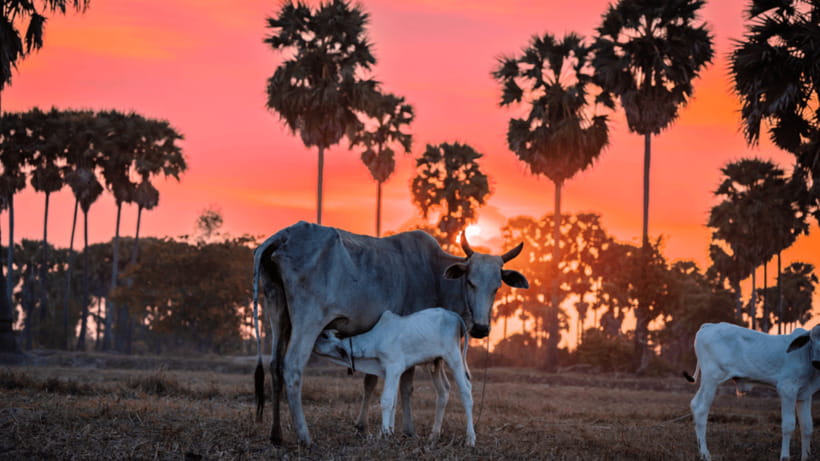
The conversation can also include cows and buffalo, along with the work involved in raising animals for farming. These details help you understand that rice cultivation is not just a crop cycle. It connects to transport, animal care, food, income, and family labor.
You get to sample local snacks and freshly distilled rice wine. If you do not drink alcohol, tell your guide and focus on the production process and food instead. The tour information does not promise a large meal at this stop, so think of it as a tasting and lesson, not a full lunch.
This is one of the strongest sections for anyone interested in how food is made. It is also where the tour feels least like a standard sightseeing route. You are seeing a small-scale rural practice that remains tied to the household economy.
Other tuk tuk trips around Siem Reap:
- Angkor Wat Private Tuk-Tuk Tour (sunrise Option) & more
★ 5.0 · 439 reviews - Old Siem Reap Sunset Food Tour by Tuk-tuk
★ 5.0 · 311 reviews - Siem Reap: Street Food Experience by Tuk-Tuk
★ 4.9 · 310 reviews - Siem Reap: Apsara Dance Show & Dinner with Tuk-Tuk Transfers
★ 4.4 · 254 reviews
Lotus silk, tea, and a social enterprise
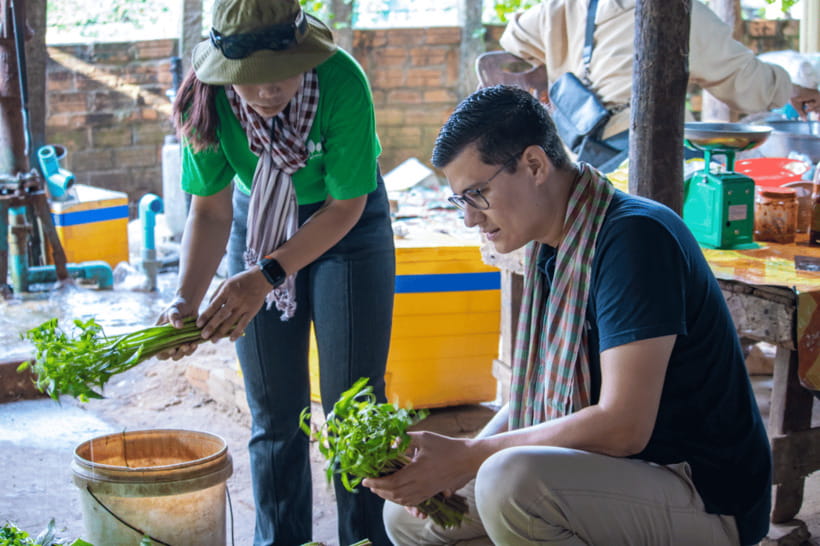
The Lotus Silk Farm and Shop is the longest formal stop, with about an hour for a visit. Here you learn how lotus plants can provide fibers for an environmentally friendly textile and why the lotus flower carries such strong meaning in Buddhist teaching and Cambodian belief.
The workshop is also linked to a social enterprise that provides work for local women and encourages more careful use of energy. That gives the visit a practical social purpose. You are not only looking at a finished textile. You are learning how a natural material can support employment and reduce reliance on less sustainable production.
The details of lotus fiber work are a good reason to slow down here. Lotus stems are delicate, and the process requires care. The experience shows how a plant associated with beauty and spirituality can also become a source of income and skilled work.
After the workshop, you go to an upstairs tea lounge for lotus tea and local cake. The 360-degree view gives you time to sit down after the earlier stops and look across the surrounding countryside. This break is welcome, especially on a hot afternoon.
The lotus farm received especially strong praise from people who enjoyed the women’s employment project, the tea, and the calm setting. I would give this stop extra weight if you care about crafts, responsible tourism, or visits that support local work.
Keep your expectations realistic. This is a farm and workshop visit, not a large museum with extensive displays. The exact activities can depend on the day, and the advertised schedule mentions the lotus farm rather than guaranteeing a full production demonstration at every stage.
Phnom Krom sunset with lotus food
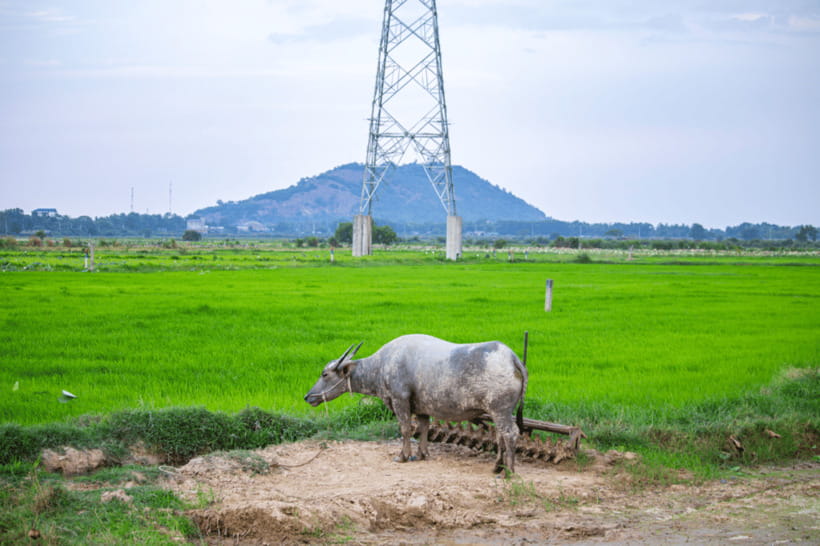
The final major stop is Phnom Krom, where you spend about an hour and a half near rice fields. The tour ends on a traditional mat, with time to rest, take photographs, and watch the sunset.
This is a smart ending. After the market, craft shop, rice wine farm, and lotus workshop, you get a quiet period with no need to keep moving. The countryside becomes the setting for a simple meal rather than just a backdrop.
You taste fresh, healthy food from a nearby local restaurant, including lotus dishes. The exact menu is not specified, so do not expect a fixed restaurant course. The experience is about trying local preparations in a rural setting, with the guide helping you understand what is being served.
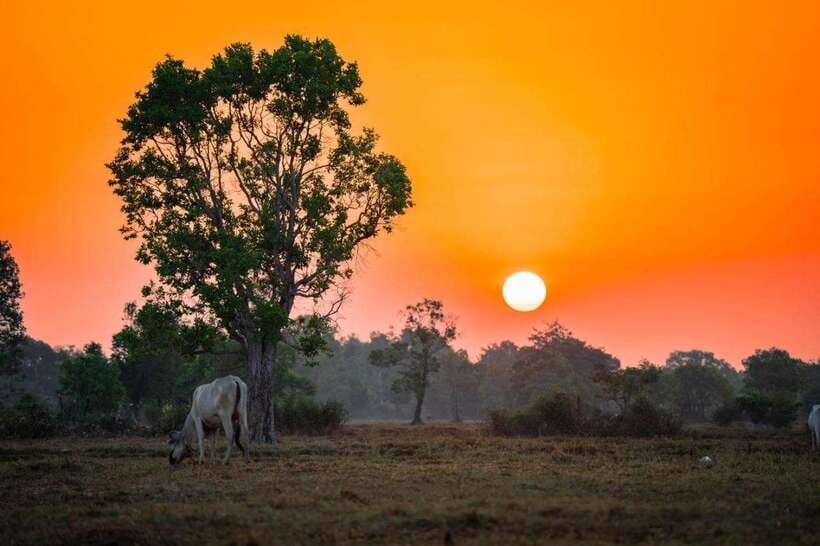
The sunset can be beautiful, but weather is a real part of the plan. One afternoon included a sunset just before a thunderstorm. Bring a hat, sunglasses, sunscreen, and insect repellent, but also accept that clouds may change the view.
Phnom Krom is a good place for a camera, though the best value is simply having time to sit. If you have spent several days climbing temple steps and navigating busy heritage sites, this slower final hour can be exactly what you need.
Guides who add a personal layer
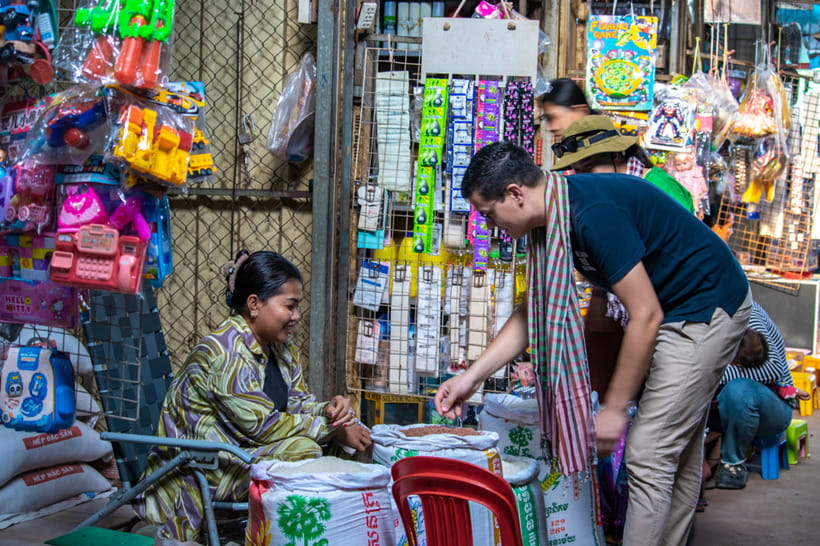
The guide makes a major difference on this experience. The tour is built around explanations, conversation, and local introductions, so a clear English speaker can turn a series of stops into a connected story.
Sarah has led the tour with a lively, informative approach. Ben has also guided the route, and his strong English made it easier to ask detailed questions about rural life. Hong Ho has shared personal stories about Cambodia, helped visitors understand local customs, and on one occasion arranged a short stop at her sister’s food stall.
A female guide is described in the tour plan, though guide assignments can vary. The listed experience has included a separate driver, and one outing specifically praised driver Mrs. Mom. You should ask at booking if having a female guide or a particular guide is important to you.
The personal stories are a real strength, but they also mean the experience can differ slightly from one departure to another. One account included a water blessing, while another focused on mushroom growing in addition to rice wine. These details suggest that the guide may add local stops or explanations when conditions allow, but they should not be treated as guaranteed parts of every booking.
What the $69 price covers
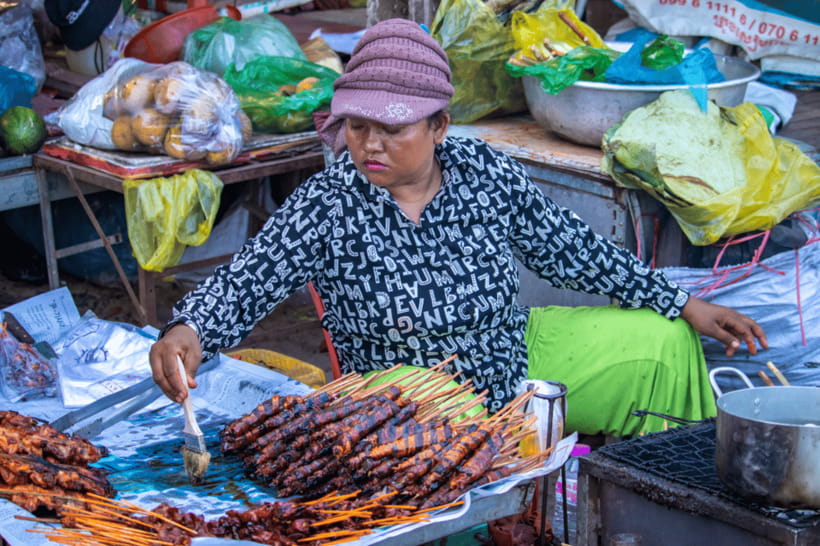
At $69 per person, this is a mid-priced half-day experience in Siem Reap. You are paying for more than a tuk tuk ride. The cost includes hotel pickup and drop-off, an English-speaking guide, transportation, snacks, drinks, food tastings, and all stated fees and taxes.
The value is strongest if you want interpretation. A tuk tuk and driver alone could get you into the countryside, but they would not necessarily explain why markets matter, how rice wine production uses leftover grain, or how lotus fibers support local employment.
The tour is less suitable if you want a completely independent afternoon or a long shopping session. Personal expenses are not included, and the itinerary moves through several short stops before allowing more free time at Phnom Krom.
Free cancellation is available up to 24 hours before departure, and you can reserve now and pay later. Hotel pickup is included, but you must provide your hotel name and address. The starting time depends on availability, so check the departure window before making other plans.
Practical advice for a smoother afternoon
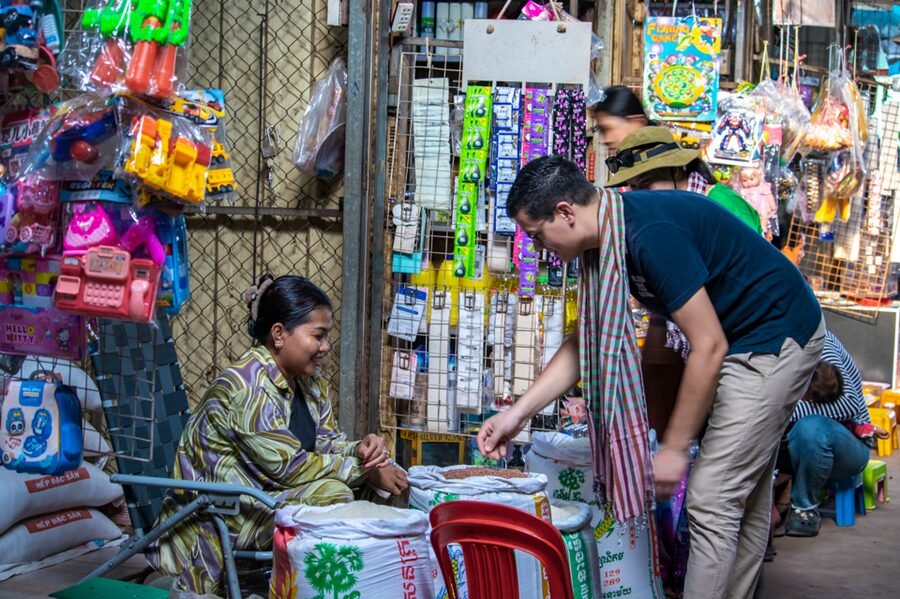
Wear comfortable shoes and loose clothing. You will walk through a market, visit rural sites, and spend time outside near fields. The tour is not suitable for wheelchair users, and it is not recommended for people over 95.
Bring a camera because the rice fields, tuk tuk ride, lotus workshop, and sunset provide the best photo opportunities. Also pack sunglasses, a hat, sunscreen, and insect repellent.
Small cash is useful for personal purchases at the basket shop or market. Food tastings and listed drinks are included, but extra purchases are not.
Be ready at your hotel on time. A late start can reduce the time available at the lotus farm or Phnom Krom, especially because sunset creates a fixed endpoint.
Who should book this experience?
I would recommend it to first-time visitors who want more than Angkor, food-minded travelers, photographers, and anyone curious about Cambodian village life. It also suits people who prefer a guide to explain what they are seeing rather than simply being driven between photo stops.
Families with older children may enjoy the hands-on food and craft elements, though the tour data does not specify a minimum age. Couples and solo visitors can also benefit from the relaxed tuk tuk format and sunset finish.
I would be more cautious if you dislike heat, dust, uneven outdoor conditions, alcohol tastings, or flexible local timing. The countryside is the point, so comfort levels will not be the same as on an air-conditioned city tour.
FAQ
How long does the Siem Reap countryside tour last?
The experience lasts four hours, including hotel pickup, countryside visits, food tastings, sunset time, and return transportation.
What is included in the $69 price?
The price includes an English-speaking guide, hotel pickup and drop-off, tuk tuk transportation, local snacks and drinks, local foods for tasting, and all stated fees and taxes.
Does the tour include hotel pickup?
Yes. Pickup and drop-off are included for hotels in Siem Reap. You need to provide your hotel name and address when booking or before the tour.
Which places do you visit?
The route includes a local market in Siem Reap, a basket shop near Wat Athwear Road, a rice wine farm near Wat Po Banteaychey, the Lotus Silk Farm and Shop, and Phnom Krom.
Can I taste rice wine and lotus food?
Yes. The experience includes freshly distilled local rice wine, local snacks, lotus tea, local cake, and lotus dishes at the sunset meal. Personal food and drink purchases are not included.
What language does the guide speak?
The live guide speaks English. Guides who have led this experience include Sarah, Ben, and Hong Ho, but a specific guide cannot be guaranteed.
What should I bring?
Bring comfortable shoes, comfortable clothing, sunglasses, a camera, insect repellent, sunscreen, and a hat if you need extra sun protection. Small cash is recommended for personal expenses.
Is the tour suitable for wheelchair users?
No. The experience is not suitable for wheelchair users. It is also listed as unsuitable for people over 95.
Should you book it?
Book this tour if you want to understand the countryside through its food, farms, crafts, and people. The best parts are the rice wine production, the lotus social enterprise, and the long sunset stop at Phnom Krom. You get a useful counterpoint to Angkor without giving up the comfort of hotel transport.
Skip it if you want a fast, polished attraction with fixed indoor facilities. This is a warm, sometimes dusty afternoon among working markets and farms. For many visitors, that is precisely its value.
More sunset tours from Siem Reap
- Angkor Wat Sunrise or Sunset Tour with Guide from Siem Reap
★ 5.0 · 12,109 reviews - Siem Reap: Angkor Wat: Small-Group Sunrise or Sunset Tour
★ 5.0 · 9,444 reviews - Sunset tour of Kampong Phluk stilts home village on the Tonle Sap
★ 5.0 · 4,865 reviews - Siem Reap: Angkor Wat 2-Day Tour with Sunrise and Sunset
★ 4.9 · 4,429 reviews
Just added in Siem Reap
- Twilight Tastes of Siem Reap Include Dinner★ 5.0 · 13 reviews
- Ultimate Sunrise to Angkor Wat, Angkor Thom and Bayon Temple★ 5.0 · 3 reviews
- Trekking Tour at Phnom Kulen National Park from Siem Reap★ 5.0 · 3 reviews
- Full-Day Private Tour of Angkor Wat with Pick Up★ 5.0 · 12 reviews
- Private Day Trip to Angkor Temples with Expert Guide★ 5.0 · 4 reviews
- Siem Reap City Tour with War Museum and Killing Field★ 5.0 · 27 reviews
- Waterfall & River of 1000 Siva Linga- Kulen Mountain Private Tour★ 5.0 · 3 reviews
- Angkor Wat Experience Temple Pass and Siem Reap Food Tour★ 5.0 · 13 reviews
Tuk Tuk Tours, compared.
Tuk-Tuk, Bamboo Train, Killing/Bat Caves, Sunset
Read our review →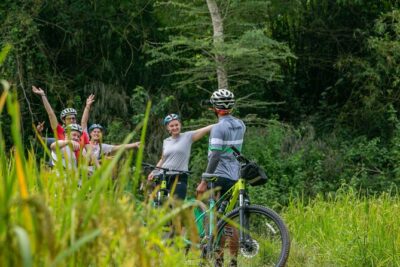
Siem Reap Countryside Bike Tour / E-Bike or Tuk Tuk
Read our review →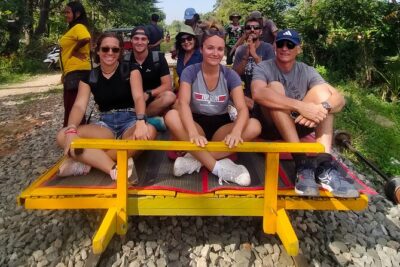
Battambang Tuk Tuk tour: Bambootrain, Killing & Bat Caves,Sunset
Read our review →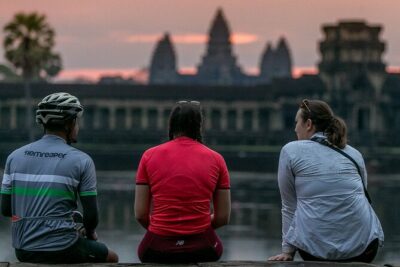
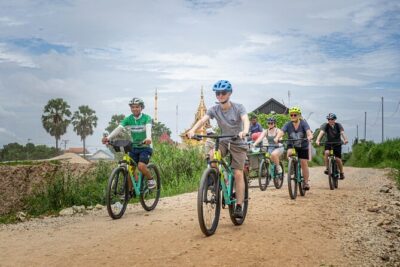
Phnom Penh Silk Island Bike Tour/ E-Bike or Tuk Tuk
Read our review →
Ultimate Phnom Penh Food Tour by Tuk Tuk: 20 Tastings and Drinks
Read our review →Browse the lists this tour appears in