
Reviewed · TONLE SAP & FLOATING VILLAGE TOURS
From Siem Reap: Floating Village Tour by Boat
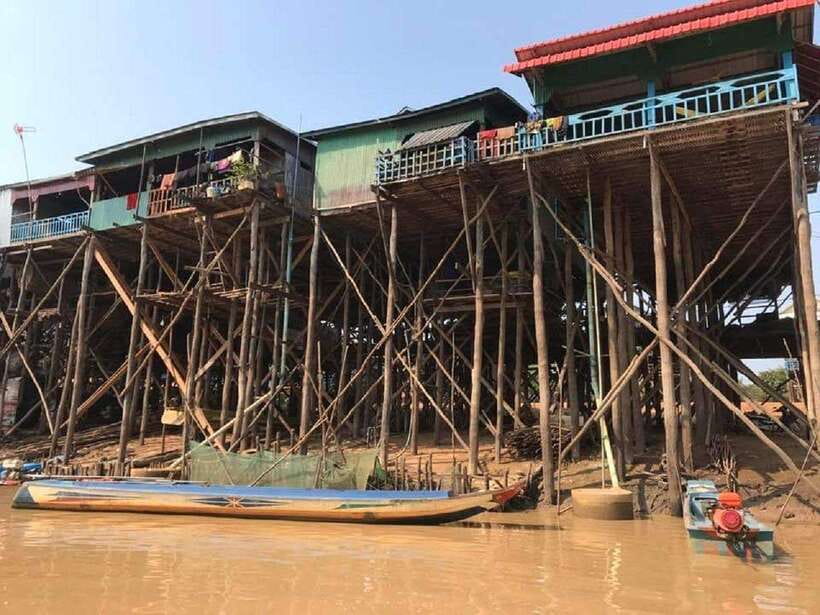
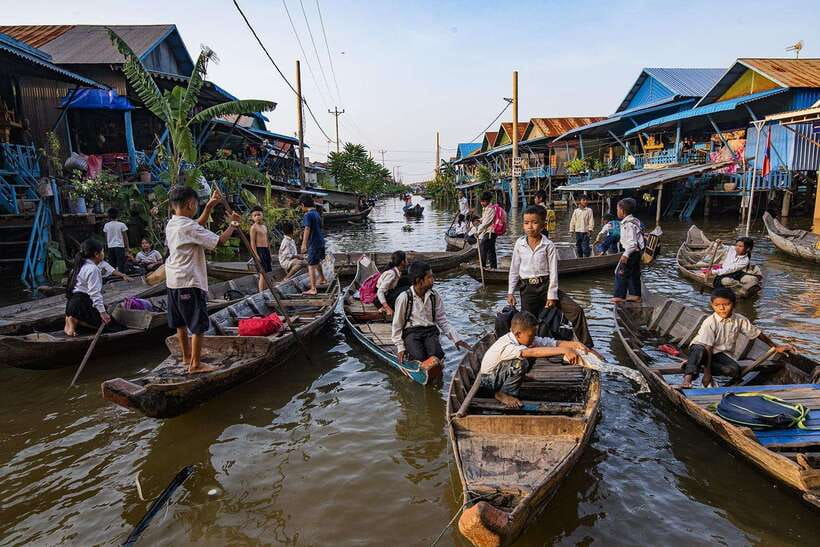
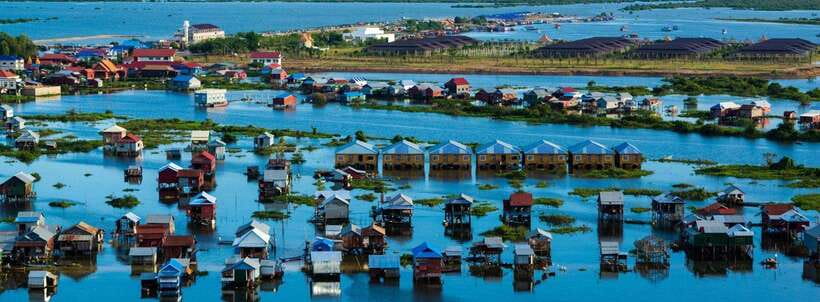
Kompong Phluk gives you a clear look at life on Cambodia’s Tonle Sap floodplain, where homes, shops, and schools rise above water or sit beside it depending on the season. You’ll begin at a local market or pagoda, then board a boat through the stilted village and nearby fish farms.
I like the small group limit of 10 and the cool, comfortable ride from Siem Reap. I also like that guides such as Tola and Seila are singled out for remembering names, explaining local customs, and keeping the mood warm without turning the trip into a lecture.
The main consideration is that the flooded forest canoe ride costs an extra $5 and is only available from October through January. Water levels also shape what you see, so the village will not look exactly the same on every departure.
Key points to know before you book
- Kompong Phluk is about 30 kilometers southeast of Siem Reap, making it an easy half-day outing rather than a full-day commitment.
- The shared tour includes the guide, entrance fee, and motorized boat, which makes the $26 price strong value.
- A small group of up to 10 people gives you a better chance to hear the guide and see the village without a large crowd around you.
- The optional flooded forest canoe ride is seasonal, available from October to January and priced at $5 per person.
- Tola and Seila are named guides associated with warm, personal service, including remembering names and explaining village traditions clearly.
- You return around 1:30 pm, leaving the afternoon free for Angkor temples, a massage, or a quiet hotel break.
Why Kompong Phluk feels different from a city tour
Siem Reap is built around temples, hotels, restaurants, and souvenir shops. Kompong Phluk offers a sharp change of pace. Here, water shapes daily life. Houses are raised on tall stilts, boats act as transport, and the surrounding floodplain supports fishing, fish farms, and rice growing.
The village lies near Tonle Sap, Southeast Asia’s largest lake. Its water level changes dramatically through the year. During the wet season, the lake expands across the floodplain. During the dry season, the water pulls back and exposes more of the land around the houses.
That seasonal change explains the tall homes and the shifting scenery. You are not simply looking at an unusual village built beside water. You are seeing a community designed around changing water levels.
I like this kind of outing because it puts local life at the center. You are not being taken from one polished attraction to another. You are watching people adapt their homes, work, and transport to a demanding setting.
The experience is still a sightseeing tour, so do not expect a long, private look at village life. You pass homes, shops, schools, fish farms, and markets by boat. The guide’s explanations help you understand what you are seeing, but the trip remains relatively short.
Other trips out on the lake from Siem Reap:
- From Siem Reap: Kampong Phluk Floating Village Tour by Boat
★ 4.9 · 6,979 reviews - Sunset tour of Kampong Phluk stilts home village on the Tonle Sap
★ 5.0 · 4,865 reviews - Kompong Phluk Floating Village Half-Day Tour ( Morning / Sunset )
★ 5.0 · 1,494 reviews
The ride from Siem Reap to the village
Your morning begins with hotel pickup or a meeting-point departure in Siem Reap. The shared option uses a high-quality, air-conditioned minibus, a welcome feature in Cambodia’s heat. You can also choose a private vehicle, with a guide available for an extra $30.
The journey to Kompong Phluk takes you about 30 kilometers southeast of the city. The road trip matters because it shows the change from Siem Reap’s tourist center to a more rural setting. The tour does not just place you beside a boat and send you off. It gives you a short look at the countryside that supports the city and the lake communities.
On the shared tour, the group is limited to 10 people. That is small enough for a guide to speak directly to you and for the group to move without much delay. It is also large enough that you should expect a shared outing rather than a private village visit.
Cold bottled water and cold face towels are included. Those are minor details on paper, but they matter after time outside. Bring sunscreen, insect repellent, comfortable shoes, and clothing suited to heat and sun.
Large bags and luggage are not allowed. Plan this as a half-day activity from your hotel, not as a transfer between destinations.
A local market or pagoda before the boat
The first stop is a traditional village, where you spend about 30 minutes at a pagoda or local market. The exact stop can vary, so you should think of this as a short introduction to the area rather than a major attraction on its own.
A market gives you a quick look at local food and ordinary shopping. It is also a useful reminder that the villages around Tonle Sap are working communities, not just photo stops. If the tour visits a pagoda instead, you get a glimpse of a place tied to local religious life.
You may have time for photographs and a short walk. Do not expect an extended market visit or a full temple tour. The value is in the transition. You begin with life on land, then move toward the water-based village.
A guide can make this stop more useful by explaining what you are seeing. Tola, one of the named guides associated with this experience, is praised for explaining activities and traditions in clear terms. Seila is also noted for learning names quickly and maintaining a friendly, personal manner.
Those details matter on a short tour. A guide who remembers your name and responds to questions can make a small group feel more like a guided outing than a basic transport service.
Boarding the motorized boat at Kompong Phluk
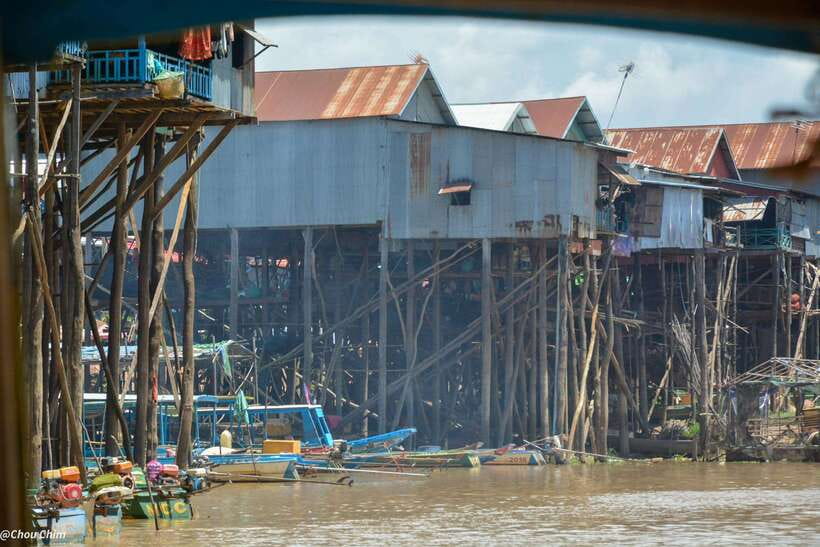
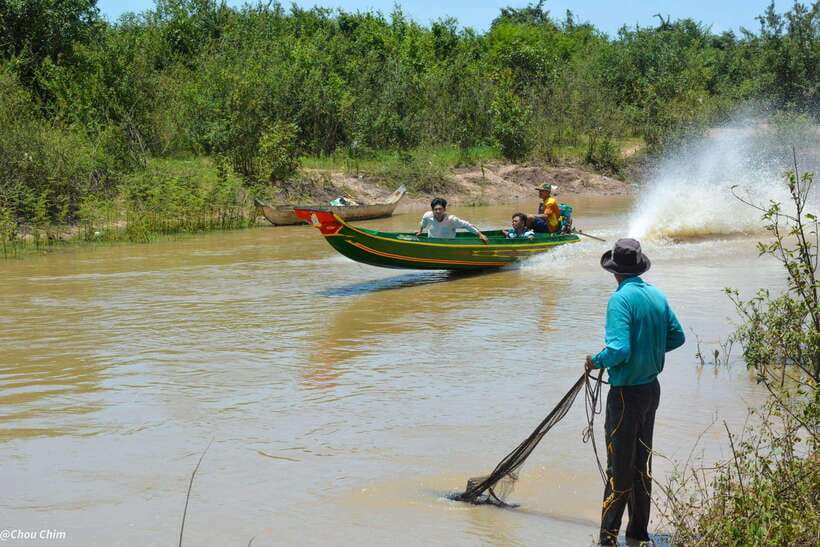
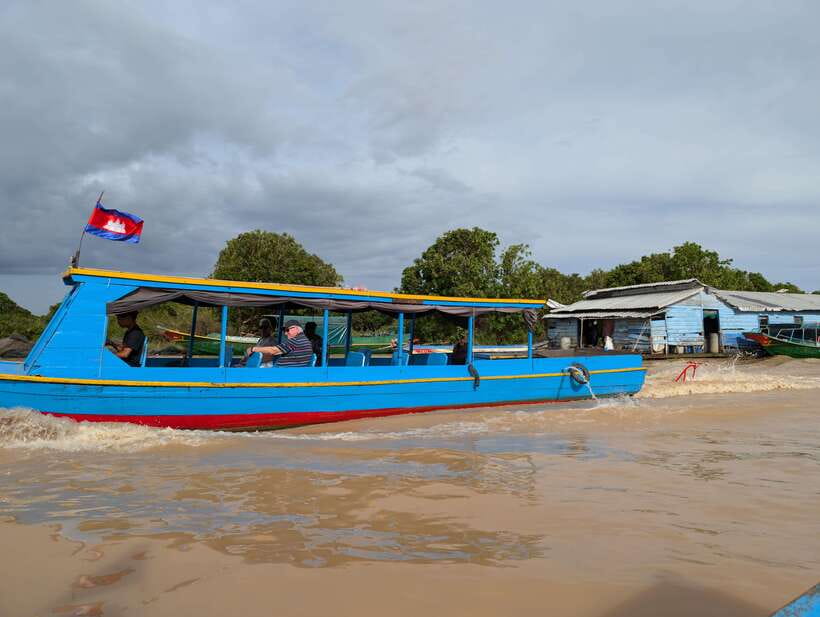
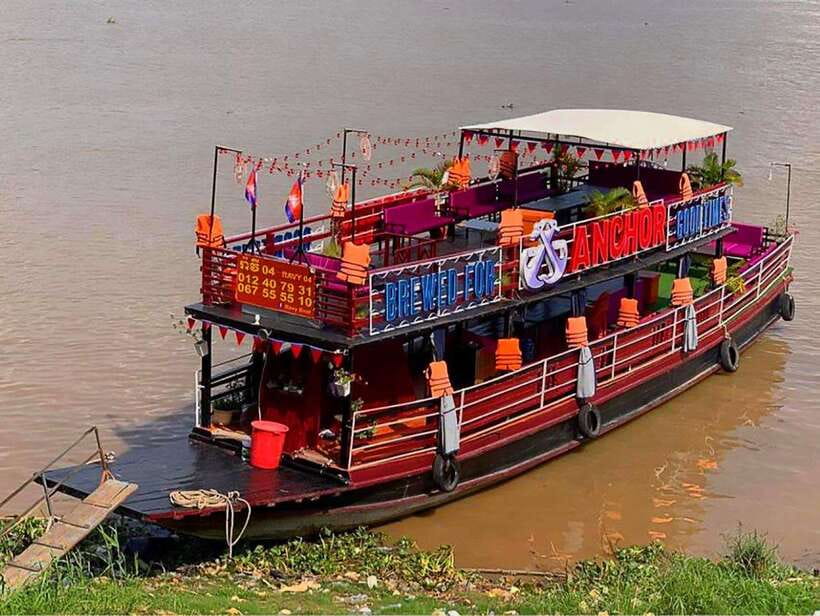
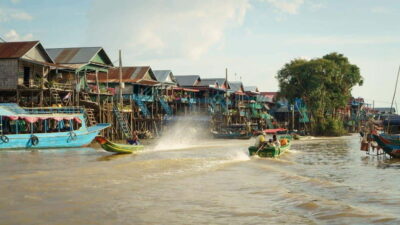
The main part of the tour lasts about two and a half hours in the Kompong Phluk area. You board a motorized boat and pass through a village of stilted houses, shops, schools, and homes.
The boat offers a comfortable way to see the village without walking long distances in the heat. You will have views of the buildings from the water, along with fish farms, floating markets, and rice paddies. Depending on the season and water level, the surroundings may look more open or more heavily flooded.
Life here is practical. Buildings must cope with water. Transport must work on canals and lake routes. Fishing and farming follow the conditions of the floodplain. A good guide connects those visible details with the choices families have made over time.
You may see people working, moving by boat, or going about normal routines. It is important to keep your camera ready but respectful. This is someone’s home and workplace, not a staged village display.
The boat ride is the tour’s strongest feature for anyone who wants more than temple sightseeing. You get a direct sense of how water affects housing, work, education, and transport. At the same time, you should not expect close personal interaction with every family. The boat follows a sightseeing route, and the guide controls the timing.
Life jackets are provided. The boat fee is included in the $26 shared-tour price. On the private option, the motorized boat fee is extra, along with the entrance fee of $2 per person.
A few more things to do in Siem Reap worth a look
- Kampong Phluk Floating Village Tour by Boat
★ 5.0 · 1,020 reviews - Sunset Dinner and drinks includes a Floating Village cruise tour.
★ 4.0 · 152 reviews - Floating Village Sunset Boat & Jeep Tour – Inclusive Drinks
★ 5.0 · 115 reviews - Floating Village Bike & Boat Sunset / E-Bike Available
★ 5.0 · 78 reviews
The seasonal flooded forest canoe ride
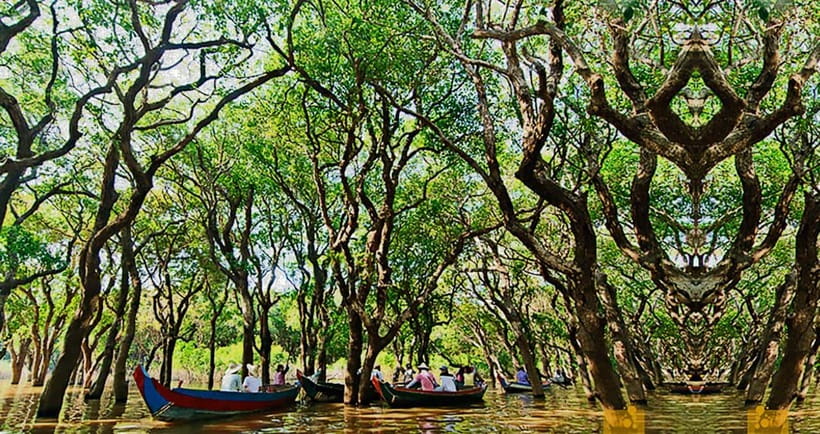
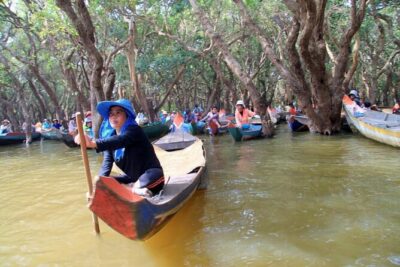
A rowing boat trip through the flooded forest is available from October to January. It costs $5 per person and is not included in the basic tour price.
This optional ride changes the pace. The motorized boat gives you a broad view of the village and its waterways. A canoe lets you move more quietly through the trees, with the water and forest closer around you. The experience depends heavily on water levels, so conditions during your visit matter.
If you are visiting in the October to January window, ask about the canoe before you book and confirm that it is operating on your date. The seasonal limit is important. You should not assume that every departure includes it.
The extra charge is modest, but the canoe is best viewed as an add-on rather than a reason to book the entire tour. The stilted village and main boat route remain the core experience.
Bring insect repellent if you plan to take the canoe. It is already listed as a recommended item, and the forest setting makes it especially sensible.
A floating cafe and the return toward Siem Reap
The motorized boat stops at a small floating cafe. This gives you a place to pause and watch the sunset when the timing and conditions allow. It also offers a different view of the village, with the water becoming the setting rather than simply the route.
The stop is brief and simple. Do not expect a full meal or a polished restaurant. Meals and alcoholic drinks are not included, so carry only what you need and check what is available before ordering.
The stop can be a pleasant part of the trip for photography and quiet observation. If you prefer active sightseeing from start to finish, it may feel like a short break. If you enjoy having time to look around without a guide speaking constantly, it can be welcome.
After the boat portion, you return to Siem Reap and are brought back to your hotel. The stated return time is around 1:30 pm, though you should check the available starting time when booking. A half-day schedule leaves room for an afternoon temple visit, a meal, or a rest during the hottest part of the day.
Is the $26 price good value?
For the shared option, $26 per person covers hotel pickup and drop-off, air-conditioned transport, the professional guide, entrance fee, motorized boat fee, bottled water, face towels, life jackets, taxes, and vehicle insurance.
That is a good package for a five-hour outing. You are paying for transport from Siem Reap, local coordination, and the boat route, not just admission to a site. The small group limit adds value because you are less likely to spend the visit behind a large crowd.
The price comparison changes if you choose a private tour. You pay the $2 entrance fee yourself, the motorized boat fee is not included, and a guide costs an additional $30. A private vehicle may suit families or couples who want control over the pace, but the shared option is the better deal for most people.
The canoe ride adds $5 per person. Meals and alcoholic drinks are also extra. Keep those costs in mind if you want the full version of the outing.
The tour allows free cancellation up to 24 hours before departure and offers reserve-now, pay-later booking. Those policies give you some flexibility, but you should still confirm the starting time and private-tour inclusions before paying.
Who will enjoy this half-day outing?
I would recommend this tour to you if you want to see more of Cambodia than Angkor’s temples. It suits first-time visitors who want a manageable introduction to Tonle Sap, families who prefer a short activity, and anyone who likes local life explained through real places.
It is also a good choice if you want to keep your afternoon open. The five-hour format does not take over your entire day, and the return around 1:30 pm gives you time for other plans.
The small group is useful for solo visitors and couples who want a guide without paying private-tour rates. The named guides, including Tola and Seila, are a positive sign for anyone who values a friendly, personal style.
I would think twice if you dislike heat, boat travel, or rural sightseeing. Much of the experience happens outdoors, and the village is best appreciated through observation rather than entertainment. You should also be comfortable seeing ordinary homes and work from a boat without expecting a formal performance or a long stop at every point.
What to bring and what to leave behind
Wear comfortable shoes for the village stop and any walking around the pagoda or market. Sunscreen is essential, and insect repellent is especially useful if you plan to take the flooded forest canoe.
Bring a small day bag with personal items, but leave luggage and large bags at your hotel. Smoking and pets are not allowed.
A phone or camera is useful, but use it thoughtfully around homes and people. The best photographs often come from watching the whole scene: stilted buildings, boats, water channels, paddies, and the way daily life fits around them.
Should you book the Kompong Phluk boat tour?
Book it if you want a practical, half-day look at Cambodian life around Tonle Sap, with transport and the main boat costs handled for you. The shared price is especially attractive because it includes the guide, entrance fee, motorized boat, hotel transfers, water, and a small group of no more than 10 people.
Choose the private option only if flexibility matters more than price. Check the extra guide, entrance, and boat charges first.
If you visit between October and January, ask about adding the $5 flooded forest canoe ride. Otherwise, the village boat route still gives you the main value: stilted homes, floating activity, fish farms, rice paddies, and a clear look at how people live with changing water levels.
FAQ
How long is the Kompong Phluk boat tour?
The activity lasts about five hours. The stated return to Siem Reap is around 1:30 pm, but you should check the available starting times when booking.
How far is Kompong Phluk from Siem Reap?
Kompong Phluk is about 30 kilometers southeast of Siem Reap.
Is hotel pickup included?
Yes. Hotel pickup and drop-off are included. You can also go to a meeting point if that is the option selected for your booking.
What kind of transport is used?
You travel in a shared, air-conditioned minibus or in a private vehicle, depending on the package you choose. The village portion uses a motorized boat.
How large is the group?
The shared tour is limited to 10 participants.
Is a guide included?
A professional guide is included with the shared tour. A guide for the private tour costs an additional $30.
Is the motorized boat included in the price?
The motorized boat fee is included with the shared tour. It is not included with the private-tour option.
Is the flooded forest canoe ride included?
No. The rowing boat ride costs $5 per person and is available from October to January.
What does the $26 shared-tour price include?
It includes hotel transfers, air-conditioned transport, the entrance fee, a professional guide, the motorized boat, bottled water, cold face towels, life jackets, licensed drivers, insurance, liability coverage, and local taxes.
What should I bring?
Bring comfortable shoes, sunscreen, and insect repellent. Large bags and luggage are not allowed, and meals and alcoholic drinks are not included.
Just added in Siem Reap
- Twilight Tastes of Siem Reap Include Dinner★ 5.0 · 13 reviews
- Ultimate Sunrise to Angkor Wat, Angkor Thom and Bayon Temple★ 5.0 · 3 reviews
- Trekking Tour at Phnom Kulen National Park from Siem Reap★ 5.0 · 3 reviews
- Full-Day Private Tour of Angkor Wat with Pick Up★ 5.0 · 12 reviews
- Private Day Trip to Angkor Temples with Expert Guide★ 5.0 · 4 reviews
- Siem Reap City Tour with War Museum and Killing Field★ 5.0 · 27 reviews
- Waterfall & River of 1000 Siva Linga- Kulen Mountain Private Tour★ 5.0 · 3 reviews
- Professional Photo Shoot in Angkor Archaeological Park, Siem Reap★ 5.0 · 42 reviews
Tonle Sap & Floating Village Tours, compared.
Sunset tour of Kampong Phluk stilts home village on the Tonle Sap
Read our review →
Siem Reap Floating Village Kampong Phluk Sunset with Boat
Read our review →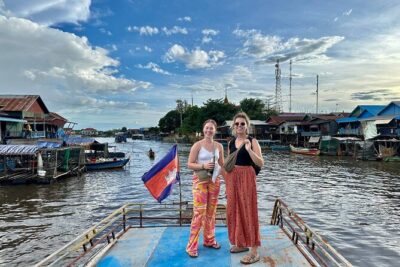
Kompong Phluk Floating Village Half-Day Tour ( Morning / Sunset )
Read our review →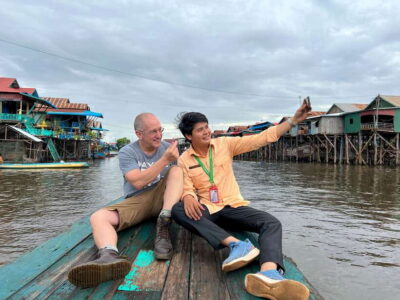
Kulen Mountain, Beng Mealea and Tonle Sap Tour
Read our review →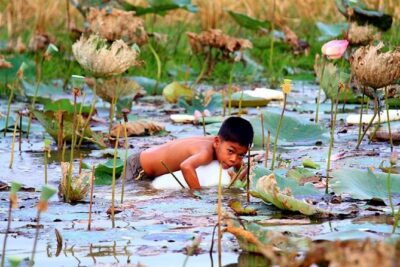
Tonle Sap Lake & Kampong Phluk Village Half-Day Tour
Read our review →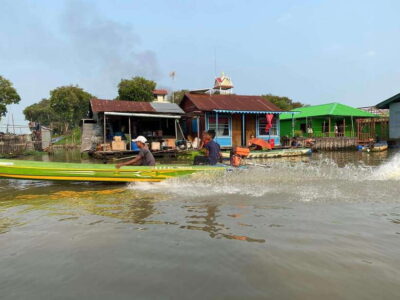
Tonle Sap, Kampong Phluk & Floating Village Tour
Read our review →
Sunset Dinner Tour: Tonle Sap Lake Floating Village
Read our review →Browse the lists this tour appears in