
Reviewed · SUNSET TOURS & CRUISES
Siem Reap: Angkor 1-Day Private Tour with Sunset or Sunrise
Angkor Wat is only one part of this long, rewarding day. You move from the giant stone faces of Bayon to Ta Prohm’s tree-wrapped walls, then finish with Angkor Wat and, on the sunset plan, Phnom Bakheng. A private guide such as Buth, Phat, Thom, or Visal can explain the carvings, religious stories, and Cambodian history without forcing your group to match a large bus tour.
I like the personal pacing and the practical touches: a guide can change the order to avoid heat or crowds, while the driver waits with cold water and towels. I also like the choice of a sunrise morning, a sunset day, or a fuller two-day route. The drawback is simple: the 1-day plan is packed, and the $110 group price does not include the Angkor entrance ticket or lunch.
Key points to know before booking
- Three ways to visit Angkor: Choose a full 1-day sunset tour, a shorter sunrise option, or a 2-day plan with the Grand Circuit and Banteay Srei.
- Private guiding makes a difference: Your guide can answer questions, adjust the pace, suggest good photo positions, and explain Hindu and Buddhist carvings.
- The 1-day route covers the essentials: Ta Prohm, Ta Keo, Angkor Thom, Bayon, Baphuon, Angkor Wat, and Phnom Bakheng all fit into one demanding day.
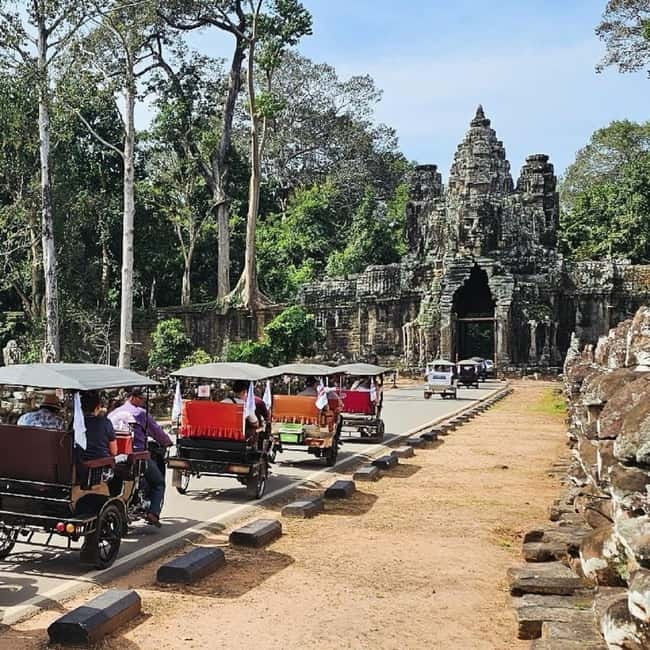
- Transport depends on group size: One or two people usually ride by tuk-tuk, while larger groups use an air-conditioned van or bus.
- Budget for the park ticket: The entrance fee is $37 per adult for one day or $62 for two to three days, paid separately.
- Dress and walking matter: Wear clothes covering your shoulders and knees, plus comfortable shoes, sunscreen, and a hat.
What the private Angkor format gives you
The best reason to choose this experience is not just transport. It is the ability to ask questions and set a sensible pace inside a huge archaeological park. A good guide turns a row of carved stones into a story about kingship, religion, engineering, and daily life.
The guides used for this experience include English, Spanish, French, Portuguese, Italian, German, and Japanese speakers. Several guides have been praised for clear explanations and an easy manner. Buth is known for discussing religion, mythology, Cambodian life, and temple design in fluent English. Phat has been praised for connecting Angkor with the wider story of Siem Reap and Cambodia. Thom brings humor and enthusiasm, while Visal is especially helpful with temple details and photographs.
That personal attention matters at Angkor. The sites are large, hot, and full of details that are easy to miss. Your guide may point out a scene from Hindu mythology, explain why a temple faces a certain direction, or show you a quieter place for photographs. You still have time to look around on your own, but you do not have to work out the meaning of every carving alone.
This is a private group, so you are not sharing the day with strangers. The guide and driver pick you up at your hotel in Siem Reap and return you there after the tour. One or two people generally use a tuk-tuk on the 1-day route. For three or more people, transport is by air-conditioned van or bus. The 2-day option uses a tuk-tuk on Day 1 for one or two people and a private car on Day 2.
More sunset outings from Siem Reap:
- Angkor Wat Sunrise or Sunset Tour with Guide from Siem Reap
★ 5.0 · 12,109 reviews - Siem Reap: Angkor Wat: Small-Group Sunrise or Sunset Tour
★ 5.0 · 9,444 reviews - Sunset tour of Kampong Phluk stilts home village on the Tonle Sap
★ 5.0 · 4,865 reviews
The 8:30 AM sunset day, temple by temple
The sunset option begins around 8:30 AM and usually ends near 6:30 PM. That is a full day, so you should expect plenty of walking, stairways, uneven ground, and time in the sun. The order can be adjusted, and that flexibility is useful if rain or heavy crowds affect the plan.
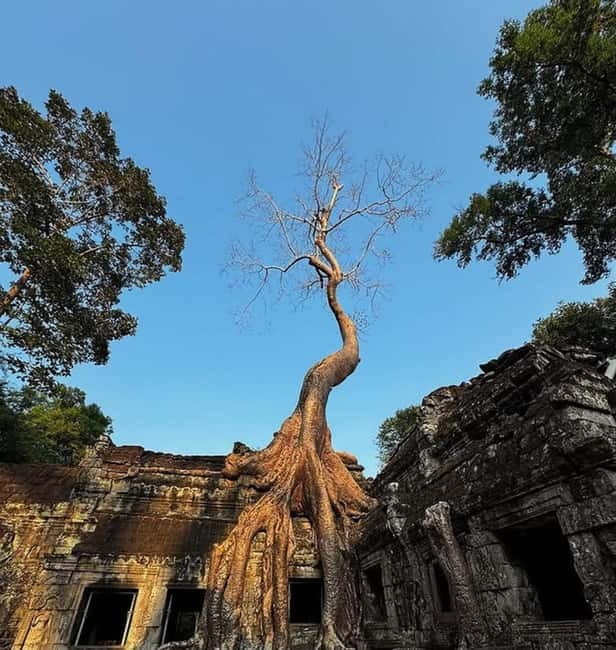
Ta Prohm, where trees take over the stone
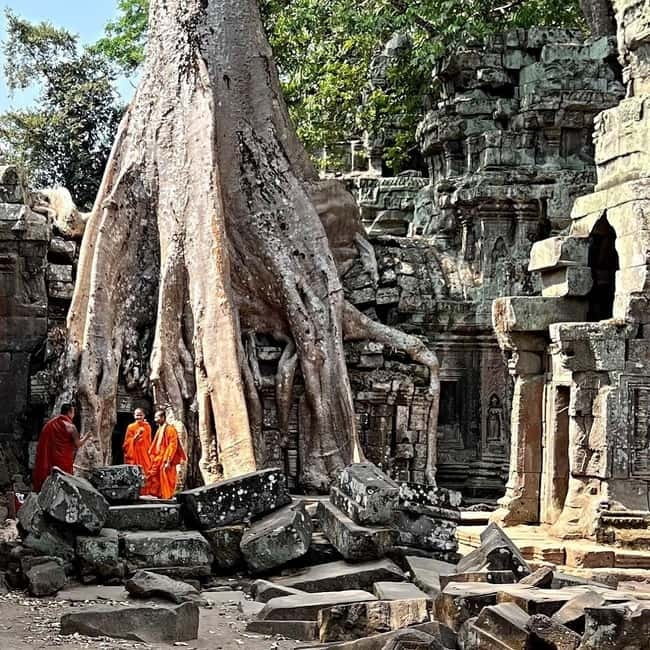
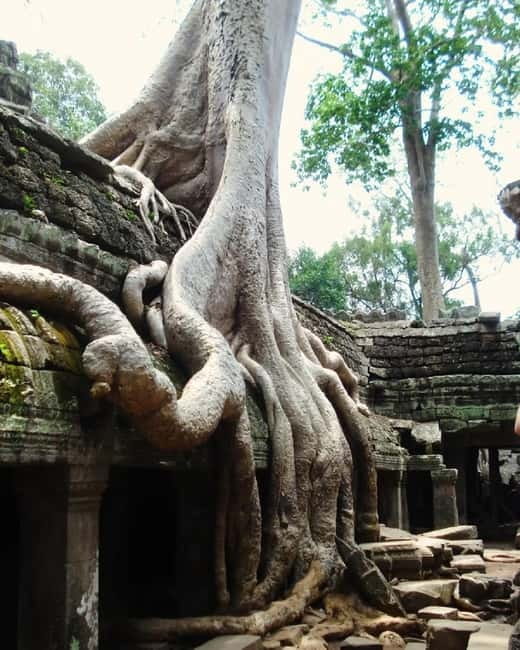
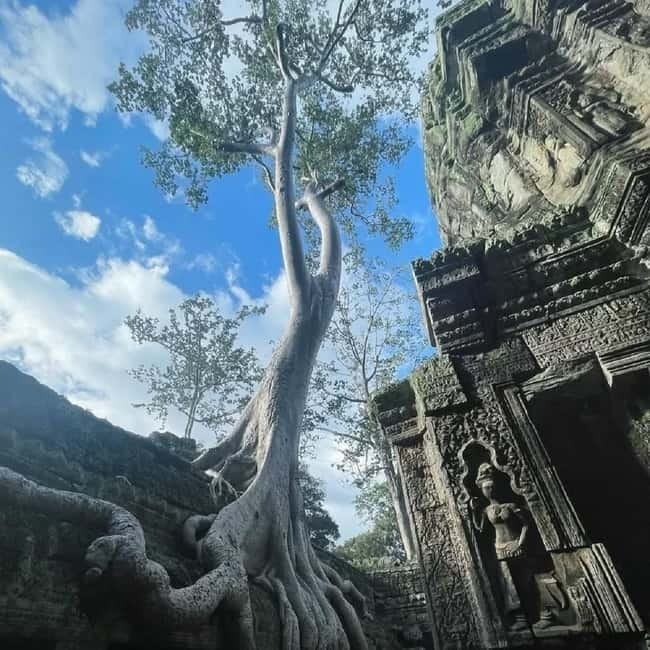
Ta Prohm is often the temple people picture before arriving at Angkor. Large roots push across walls and doorways, giving the site a striking, almost unreal look. The trees are not simply decoration. They also show the long battle between tropical growth and stone conservation.
You spend about an hour here with a guided visit. Your guide can help you notice the carved figures and explain the temple’s religious setting rather than reducing the stop to a photo session. Ta Prohm is popular, so the private format is useful when you want to pause for a picture or move away from a busy passage.
Ta Keo and Victory Gate
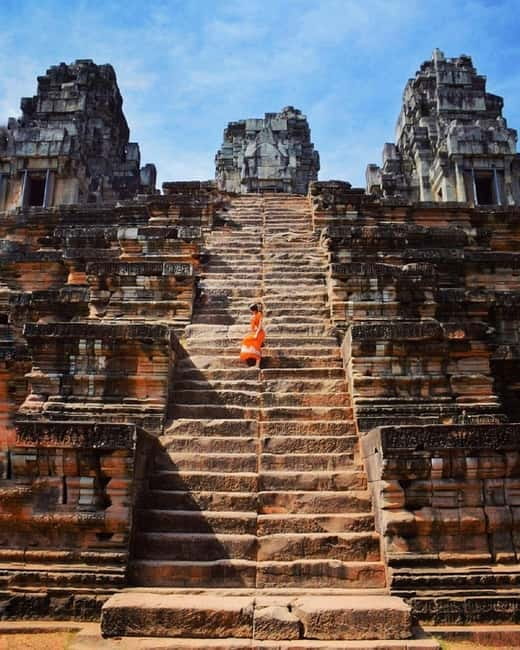
Ta Keo receives about 30 minutes. This unfinished-looking temple has a strong, blocky shape and steep steps. It is a good contrast to Ta Prohm because its form feels more severe and less softened by trees.
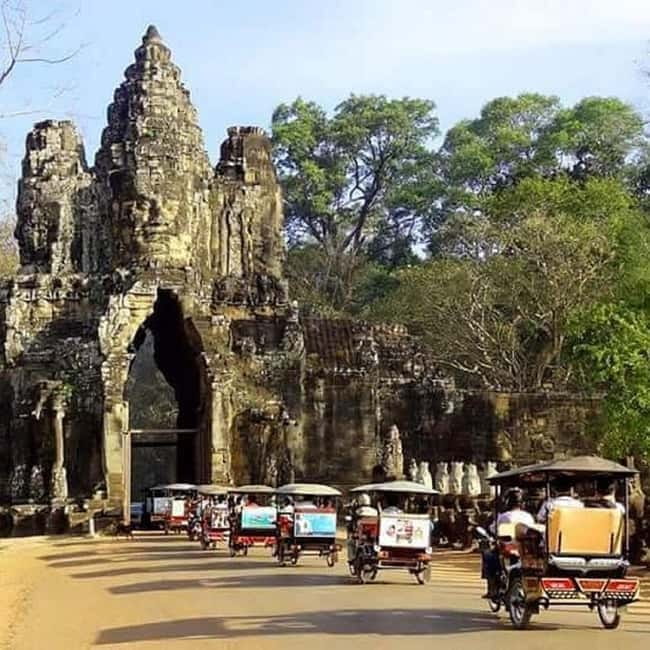
The route then includes a short photo stop at Victory Gate. You will not spend long here, but the gate gives you another view of Angkor Thom’s scale and defensive design. Short stops like this help fill out the day without adding a long walk.
A few more things to do in Siem Reap worth a look
- 1-Day Amazing Angkor Wat Tour with Sunset & All Interesting Major Temples
★ 5.0 · 308 reviews - Angkor Wat one Day Private Tour for All Highlight Angkor Temples
★ 5.0 · 199 reviews - 1-Day private Angkor Temple Tour from Siem Reap
★ 4.9 · 178 reviews - 1-Day Angkor Wat Sunrise & All Interesting Temples Private Tour
★ 5.0 · 174 reviews
Angkor Thom, Baphuon, and Bayon
Angkor Thom was a major royal city, not just a single temple. The visit lasts around an hour and a half, giving you time to pass through the monumental gates and see the terraces connected with royal ceremonies and public display.
The Terrace of the Elephants and the Terrace of the Leper King are especially worthwhile when your guide explains what the carvings represent. From a distance, the terraces can look like long stone walls. Up close, they contain repeated figures and scenes that reward a slower look.
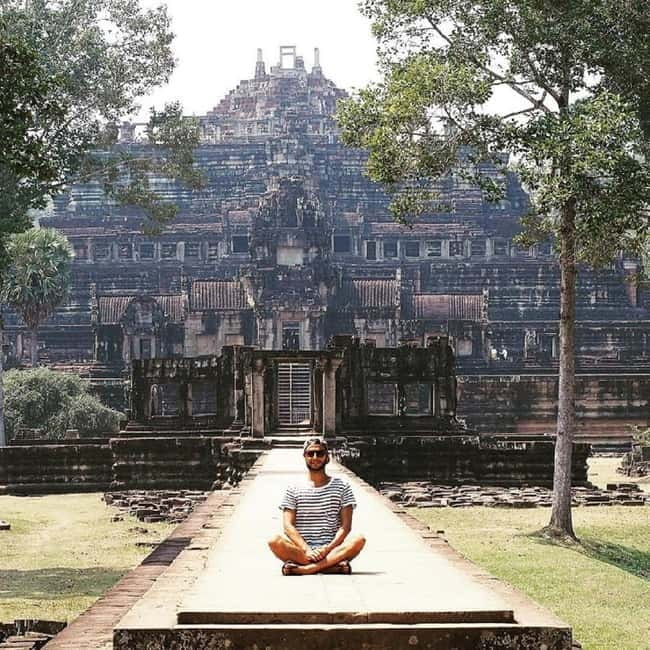
Baphuon takes about 45 minutes. Its tall pyramid form is one of the clearest examples of Angkor’s mountain symbolism. The climb and uneven surfaces make comfortable shoes important. If you are tired already, this is one place where you may want to ask your guide for a shorter visit.
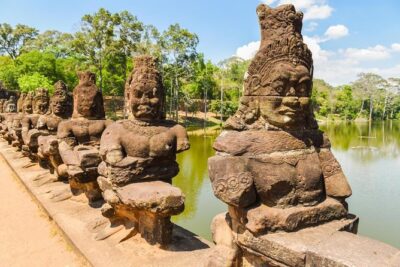
Bayon follows with about an hour. Its towers carry the famous serene stone faces, and the experience changes as you walk closer. From far away, the towers form a dramatic silhouette. Inside, narrow passages and carved surfaces create a more intimate visit.
Bayon is also one of the places where a guide adds real value. Religious images, royal scenes, and symbolic faces can blur together if you rush. Your guide can explain what you are looking at and help you find better angles for photographs.
Lunch near Srah Srang
The schedule allows about an hour for lunch near Srah Srang. Lunch is not included, so bring money for the meal. The stop gives you a chance to sit down, cool off, and refill before the afternoon’s main visit.
You can also use this break to tell your guide how you are feeling. If you need a slower pace, a longer rest, or an adjusted order, the private setup makes that conversation possible. The day is still busy, but it does not have to feel like a race from one doorway to the next.
Angkor Wat, with time to look beyond the postcard view
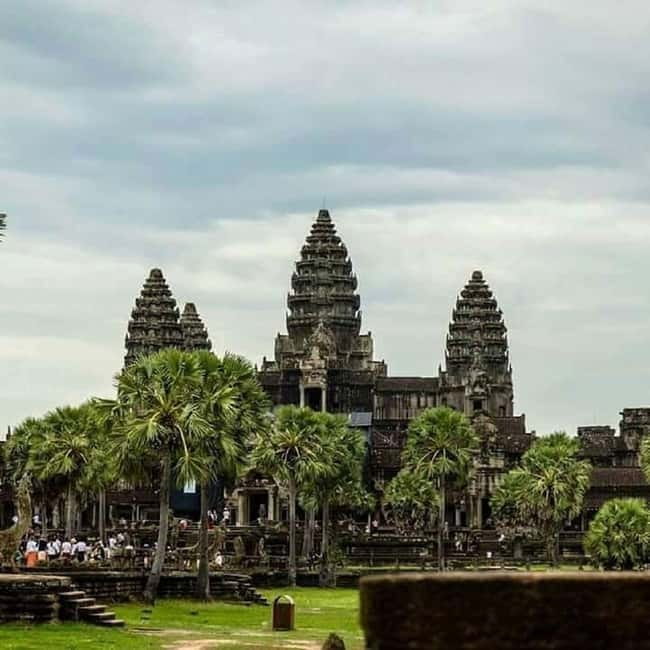
The afternoon visit to Angkor Wat lasts about two hours. This is enough time to appreciate the scale of the complex, study the galleries, and hear about its art, religious ideas, and construction.
Angkor Wat was built as a Hindu temple and later used as a Buddhist site. That change helps explain the mixture of imagery and worship traditions you see here. Your guide can connect the carvings and layout with Khmer beliefs instead of treating the temple as a single famous photograph.
Two hours is useful, but it is not unlimited. If Angkor Wat is your main reason for coming to Siem Reap, tell your guide early. A private tour lets you give this temple extra attention, though doing so may reduce time at another stop.
Phnom Bakheng at sunset
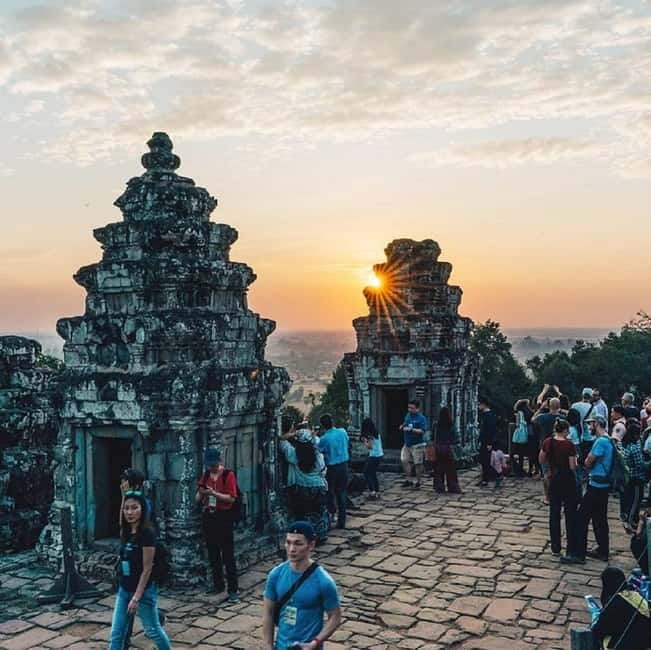
The sunset option ends at Phnom Bakheng, where you may watch the sun drop over the jungle and Angkor Wat. The visit can take up to two hours because the sunset timing requires waiting, and the hilltop setting is part of the appeal.
Sunset is not guaranteed to be spectacular. Cloud can cover the horizon, and the view may not justify a long climb on a gray evening. One useful point from the tour experience is that the guide can help you judge the conditions rather than treating the viewpoint as automatically perfect.
Still, the setting gives the day a natural finish. After hours among enclosed temple corridors, you get an open view over the park before returning to your hotel.
The 5:00 AM sunrise option
The sunrise version begins at 5:00 AM and normally ends around noon. It is a shorter morning tour, so the exact selection of sites is more limited than on the full-day plan. You should bring a breakfast box from your hotel or snacks because breakfast is not included.
Sunrise at Angkor Wat can be beautiful, but it is also a very popular moment. A guide who knows where to stand can help you get a better view and move you through the morning efficiently. Even so, do not expect solitude. On festival days or busy dates, the area can become especially crowded.
The early start has two practical benefits. You see Angkor Wat in cooler light, and you have the rest of the day available after returning to Siem Reap. The cost is sleep. If you dislike pre-dawn pickups or want time for several temples, the sunset plan may suit you better.
Why the 2-day plan is the better choice for most people
If Angkor is a major reason for your visit, I would lean toward the 2-day option. It includes sunset and the Small Circuit on the first day, followed by sunrise, the Grand Circuit, and Banteay Srei on the second day.
Day 2 begins at 5:00 AM at Angkor Wat. After sunrise, you have breakfast from your own hotel box or snacks, then continue to the quieter outer temples. The day usually ends around 1:00 PM, so you still have part of the afternoon free.
Preah Khan and Neak Pean
Preah Khan is a large former monastic complex with long corridors, courtyards, and carved stonework. Its size can make a self-guided visit confusing. Your guide helps you understand how the spaces fit together and keeps the stop from becoming a tiring wander through similar-looking passages.
Neak Pean is smaller and more compact. It sits amid pools and has a calm, unusual setting compared with the heavier stone mass of Preah Khan. The contrast gives the second day a more varied rhythm.
Ta Som, East Mebon, and Pre Rup
Ta Som is known for its tree-covered gate. It is another place where vegetation and masonry meet, but the smaller scale can make the visit feel less demanding than Ta Prohm.
East Mebon once stood on an island in an ancient reservoir. That fact is important because the temple’s location only makes full sense when you understand the water system that supported Angkor. A guide can explain the engineering behind the religious center.
Pre Rup has a strong mountain-temple form and broad views toward the Cambodian countryside. It is a good stop for seeing how Angkor’s builders used height, levels, and symmetry to create a sense of sacred space.
Banteay Srei, the finely carved finale
Banteay Srei is often the highlight of the second day. Its pink sandstone carvings are unusually fine, with detailed figures and decorative patterns that look almost delicate beside Angkor Wat’s massive scale.
The name is commonly translated as Citadel of Women, and the temple is admired for its artistry. It is outside the main cluster, so adding it to a 1-day route would make an already long day even harder. The 2-day plan gives it a more sensible place in the schedule.
Price, tickets, and what you really pay
The listed price is $110 per group of up to two people. That makes the private format attractive for a couple or two friends, especially when you consider the guide, hotel transfers, vehicle, cold water, and cold towels.
The important extra cost is the Angkor Archaeological Park ticket. It is $37 per person for one day or $62 per person for two to three days. Children under 12 do not need a ticket, but a passport must be shown as proof of age. Lunch is also separate.
For two adults, the 1-day plan therefore costs the tour fee plus two $37 park tickets and lunch. The 2-day plan costs the tour fee plus two $62 tickets and meals. Compare that total with the value of a private guide and vehicle, not just the advertised tour price.
Children under 12 can join the tour free of charge. Adults aged 12 to 90 pay the standard price. The tour also offers free cancellation up to 24 hours before the start and a reserve-now, pay-later option, which is useful if your Siem Reap plans are still shifting.
Comfort, clothing, and the practical limits
Bring comfortable shoes, sunglasses, a sun hat, sunscreen, and insect repellent. The park involves walking on uneven surfaces, and temple steps can be steep. Cold water and towels are provided, but you should still arrive ready for heat.
Temple clothing rules are important. Wear trousers or a skirt covering the knees and a shirt covering the shoulders. A scarf may help in some places, but do not rely on it everywhere. Short skirts, shorts, tank tops, and sleeveless shirts are not permitted.
The experience is not suitable for wheelchair users. The ground, stairs, and temple access make this a difficult choice for anyone who needs step-free routes.
The tuk-tuk is part of the Cambodian experience and works well for one or two people, but it is open to the weather. If you strongly prefer air conditioning, a car can be selected at checkout for the 1-day tour. Larger groups use an air-conditioned van or bus, and the 2-day plan includes a car on Day 2 for one or two people.
Who should book this Angkor tour
I would choose this experience if you want a private guide, hotel pickup, flexible timing, and more explanation than a basic driver service provides. It also suits couples, families, and small groups who want to stay together rather than join a large coach.
The 1-day sunset option works for a short Siem Reap stay and covers the major temples efficiently. The sunrise option suits early risers who want Angkor Wat before the heat and a free afternoon. The 2-day plan is the wiser choice if you want Banteay Srei, more temple variety, and a less compressed experience.
I would not choose the 1-day plan if you dislike long days or want to study every temple slowly. In that case, pay for the extra park ticket and choose two days. I would also avoid making the sunset viewpoint the main reason to book, since clouds can spoil the view.
Should you book it?
Book this tour if you want Angkor explained by a local guide and handled by a private driver, with the freedom to adjust the pace. The strongest part is the human side: guides such as Buth, Phat, Thom, and Visal bring Cambodian history, religion, and daily life into the stonework, while drivers provide cold water, towels, and steady timing.
Choose one day if time is tight. Choose two days if you want the full picture and a calmer rhythm. Either way, budget separately for park admission and lunch, dress correctly, and arrive ready for a lot of walking.
FAQ
What is included in the tour price?
The price includes a private 1-day or 2-day tour, a licensed local guide, transport based on the selected option, hotel pickup and drop-off, listed transfers, cold water, and cold towels.
Is the Angkor entrance ticket included?
No. The Angkor Archaeological Park ticket costs $37 per person for one day or $62 per person for two to three days. Children under 12 do not need a ticket if they show a passport as proof of age.
How much does the tour cost?
The listed price is $110 per group of up to two people. Lunch and the Angkor entrance ticket cost extra.
What time does the sunset tour begin and end?
The sunset option begins at about 8:30 AM and ends around 6:30 PM.
What time does the sunrise tour begin?
The sunrise option starts at 5:00 AM and usually ends around noon. You are advised to bring a breakfast box from your hotel or snacks.
What does the 2-day option include?
It includes sunset and the Small Circuit on Day 1, then sunrise at Angkor Wat, the Grand Circuit, and Banteay Srei on Day 2. Day 2 usually finishes around 1:00 PM.
What languages are available for the guide?
Guides are available in English, Spanish, French, Portuguese, Italian, German, and Japanese.
What should I wear to the temples?
Wear clothing that covers your shoulders and knees. Short skirts, shorts, tank tops, and sleeveless shirts are not permitted.
Is the tour suitable for wheelchair users?
No. The experience is not suitable for wheelchair users because of the walking surfaces and temple access.
Just added in Siem Reap
- 1-Day Angkor Wat Private Tour with Spanish Tour Guide.★ 5.0 · 9 reviews
- Angkor Wat: Small-Group Tour with Balloon Ride and Lunch★ 4.6 · 13 reviews
- Sky Venture Microlight Siem Reap★ 4.9 · 18 reviews
- Angkor Wat plus Balloon Ride with Khmer Lunch★ 5.0 · 46 reviews
- 3-Day Angkor Wat & All Interesting Major Temples & Kulen Mount Waterfall★ 5.0 · 63 reviews
- One Full Day Private tour of Angkor Wat, Ta Prohm, Angkor Thom & Banteay Srie★ 5.0 · 64 reviews
- 3-Day Angkor Wat with All Interesting Major Temples, Banteay Srei & Beng Mealea★ 5.0 · 70 reviews
- Kulen Mountain Tour with Picnic and Floating Village Sunset★ 5.0 · 63 reviews
Sunset Tours & Cruises, compared.
Angkor Wat Sunrise or Sunset Tour with Guide from Siem Reap
Read our review →
Angkor Wat: Small-Group Sunrise or Sunset Tour
Read our review →
Sunset tour of Kampong Phluk stilts home village on the Tonle Sap
Read our review →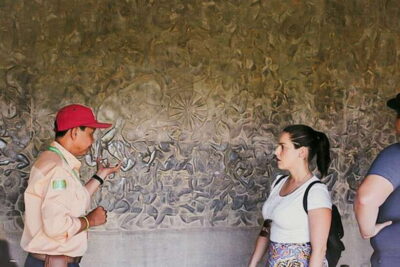
Angkor Wat 2-Day Tour with Sunrise and Sunset
Read our review →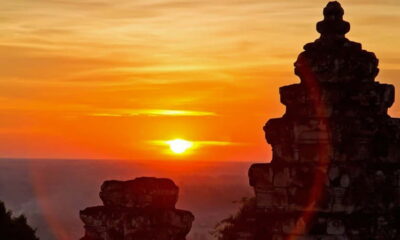
Angkor Wat Sunset Small Group Tour with Lunch Included
Read our review →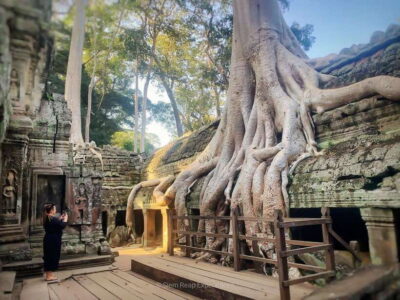
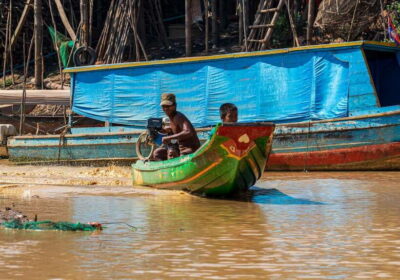
Siem Reap Floating Village Kampong Phluk Sunset with Boat
Read our review →Browse the lists this tour appears in