
Reviewed · SILK FARM & ARTISAN WORKSHOPS
Siem Reap: Lotus Silk Farm- Tour, Lake & Masterclass
The most unusual part of this Siem Reap outing is that the lotus is not just scenery. You’ll see how its stems, seeds, petals, and waste become silk, paper, jewelry, incense, and vegan leather, then make your own small collection of crafts. The final reward is a quiet boat ride through the lotus fields, with a boatman shaping flowers into a bouquet as you float.
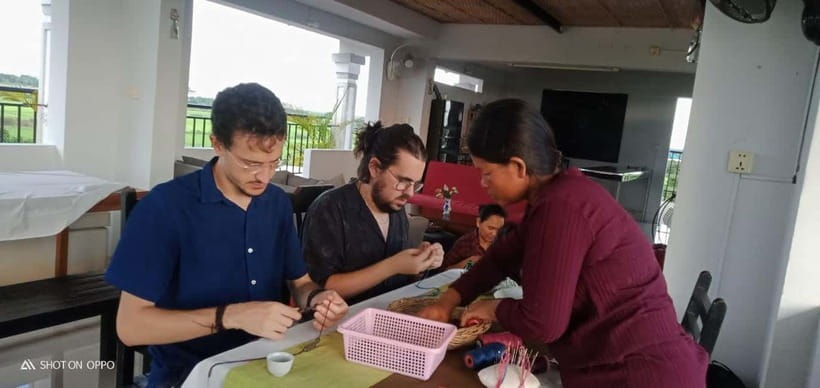
I like two things especially. First, the six workshops give you more than a quick demonstration: you handle the materials and take home what you make. Second, the tour links craft, conservation, and women’s employment in a way that feels useful rather than staged. The main consideration is time. Four and a half hours is a long slot if you only want a short farm visit, and transportation begins at Biolab Cafe rather than your hotel.
Key points
- Six hands-on crafts: Make lotus paper, yarn, jewelry, incense, an eco-printed silk scarf, and a carved lotus design on vegan leather.
- A peaceful 30-minute boat ride: Glide through lotus fields and watch the boatman create a flower bouquet.
- A look at lotus silk production: See how artisans pull delicate fibers from lotus stems and turn them into a luxury textile.
- Support for rural women artisans: The social enterprise has worked on women’s empowerment since 2003.
- Six take-home creations: Your souvenirs are made during the activity, not simply picked from a shop shelf.
- Good value at $70: You get a farm tour, six workshops, refreshments, and the boat ride in one half-day experience.
Why this lotus farm visit feels different
Siem Reap is best known for Angkor Wat, but this outing gives you a very different view of Cambodia. Instead of moving from one temple to another, you spend the afternoon or morning with Khmer artisans and local plant materials.
The central idea is simple but clever: use as much of the lotus as possible. Cambodia’s sacred lotus has religious and cultural meaning, but here it also becomes a source of income and a material for low-waste products.
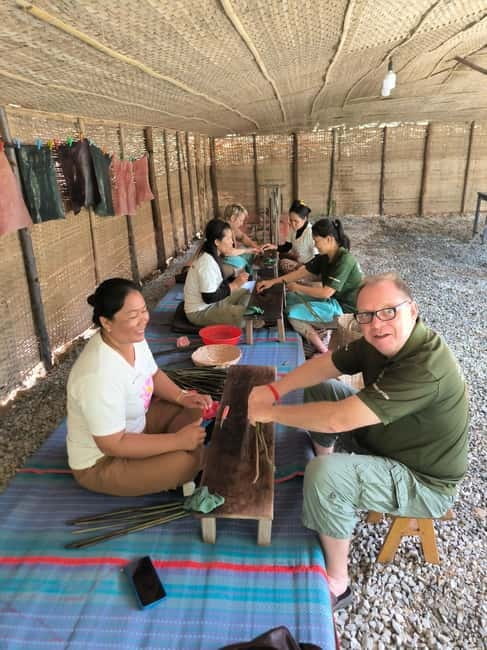
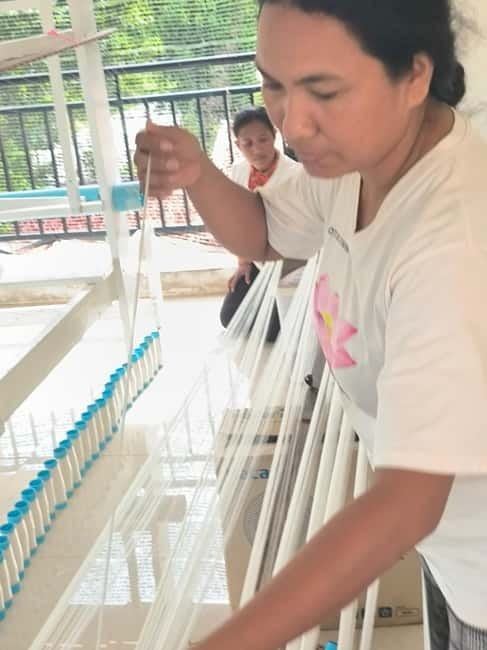
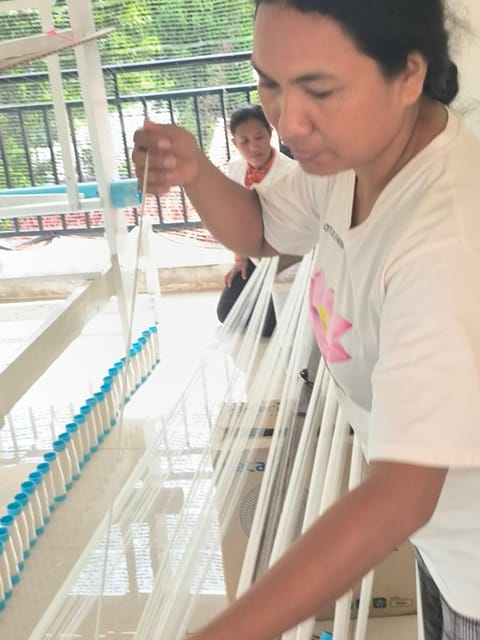
You begin with a guided visit lasting about 30 minutes. The staff explain the farm’s work and show how lotus silk is produced. The fibers are extremely fine, so the process requires patience and care. You’ll see artisans draw the fibers from lotus stems and twist them together by hand before they become yarn.
This is not a factory tour with large machines and a fast-moving production line. The appeal is the human scale. You can watch the small, careful movements that make the finished textile valuable, and you get a clearer idea of why lotus silk costs more than ordinary cloth.
The project has supported women in the local community since 2003. That matters when you are deciding where to spend your money in Siem Reap. You are not only buying a pleasant half-day activity. You are also helping keep traditional skills in use and supporting a social enterprise built around rural women artisans.
More craft workshops around Siem Reap:
- Siem Reap: Cambodian Pottery Class
★ 4.9 · 339 reviews - Siem Reap Lotus Silk Farm Discovery tour & Lake experience
★ 4.7 · 291 reviews - Cambodian Pottery Class in Siem Reap
★ 4.5 · 157 reviews
Six workshops, six very different uses for the lotus
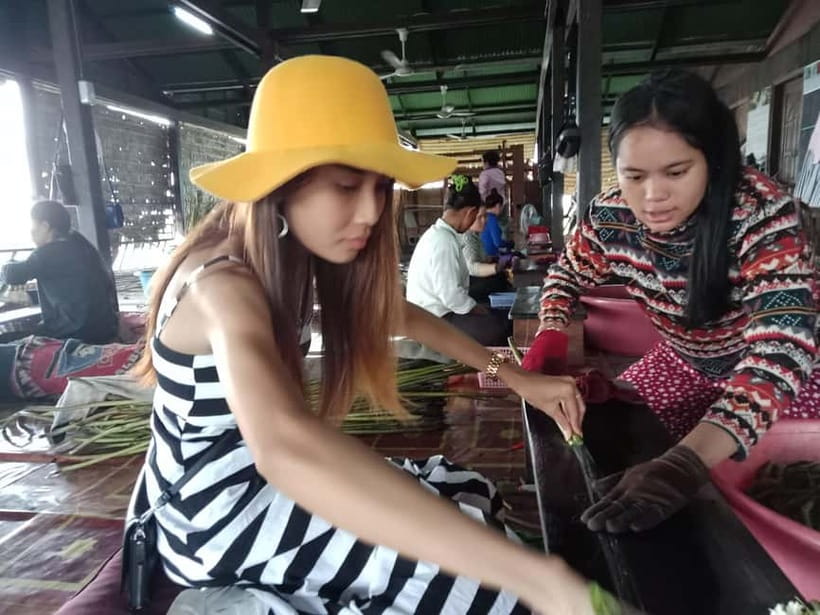
The craft portion is the heart of the experience. You move between stations, with artisans showing you how to work with each material. The exact order can vary, but the six activities cover a nice range of skills.
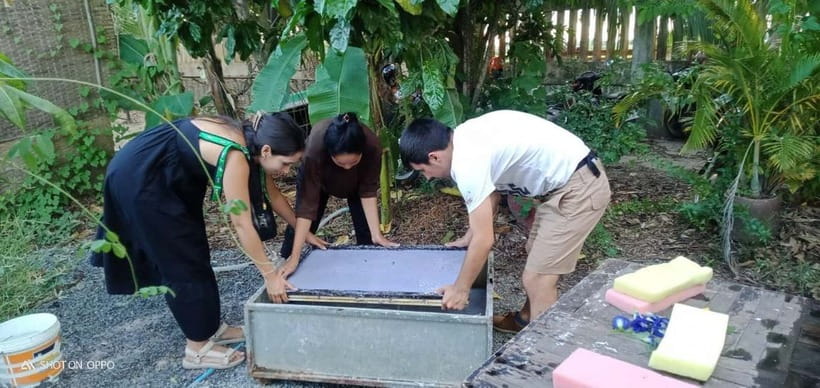
Lotus paper from stem waste
The first lesson shows how leftover lotus stem material can be reused as paper. It is a good introduction to the farm’s low-waste approach because you see value in something that might otherwise be discarded.
You’ll make your own piece rather than simply watch someone prepare it. The result is light and delicate, and it makes a meaningful souvenir because you can explain how it was made.
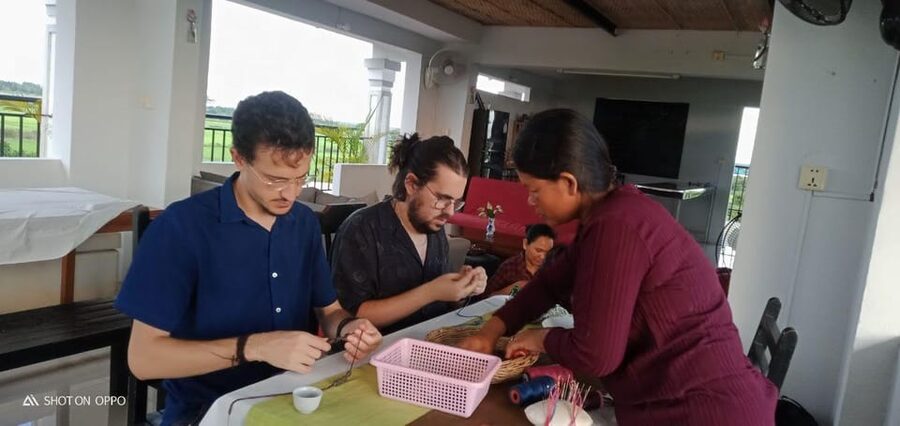
Spinning lotus fiber into yarn
Lotus silk is the signature craft here. You learn how fibers are drawn from the stems and twisted into yarn. The work looks easy until you try to keep the fine strands together.
This is one of the most useful parts of the tour because it connects the raw plant to the finished textile products sold in the boutique. You may leave with a better eye for the labor behind handmade fabric.
Same base, a different kind of day out:
- Angkor Wat Sunrise or Sunset Tour with Guide from Siem Reap
★ 5.0 · 12,109 reviews - Siem Reap: Angkor Wat: Small-Group Sunrise or Sunset Tour
★ 5.0 · 9,444 reviews - From Siem Reap: Kampong Phluk Floating Village Tour by Boat
★ 4.9 · 6,979 reviews - Sunset tour of Kampong Phluk stilts home village on the Tonle Sap
★ 5.0 · 4,865 reviews
Jewelry from dried lotus seeds
Dried lotus seeds become another small craft. This station is less technical than spinning silk, which helps keep the experience varied. You work with a natural material that still shows its connection to the flower.
The finished jewelry is easy to pack, and making it yourself gives it more character than an ordinary souvenir from a market stall.
Preparing incense sticks
Lotus is tied to Buddhist practice and Cambodian spiritual life, so the incense activity adds a cultural layer to the craft work. You learn how the sticks are prepared and assembled.
I like this station because it is practical and sensory without requiring a long lesson. It also gives you a reminder that the lotus is not only an attractive flower. It has a place in daily ritual and religious life.
Eco-printing on a silk scarf
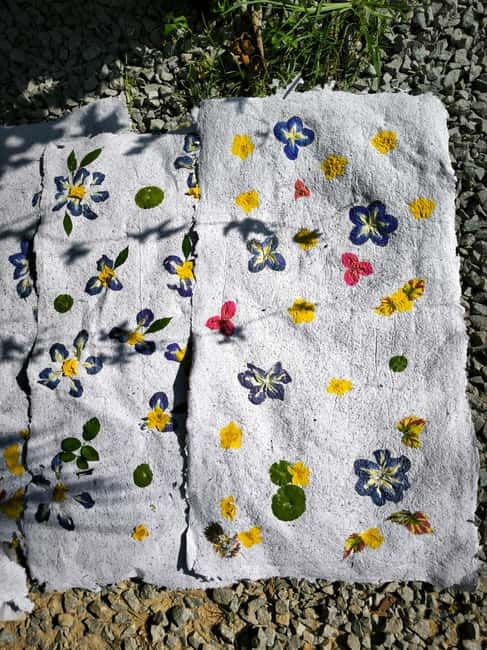
For the eco-printing activity, you gather fresh botanicals from the gardens and arrange them on a silk scarf. The plants leave a natural composition on the fabric.
This is probably the most personal of the six projects because no two arrangements need to look alike. You make the design choices, while the artisan helps you understand how to place the botanicals. If you enjoy flowers, photography, or textile design, allow yourself time to think about the composition instead of rushing to finish.
Carving a lotus symbol
The final craft involves engraving the sacred lotus symbol into vegan leather made from lotus stem waste. It brings the environmental message back into focus: even the stems can be turned into something useful.
The carving gives you a small, tangible reminder of the day. It is also a nice contrast to the soft silk and paper activities because you are working with a firmer surface.
The six stations are a strong reason to choose this tour instead of a short demonstration. You are not limited to one simple craft, and the finished items give you six ways to remember the experience.
The boat ride through the lotus fields
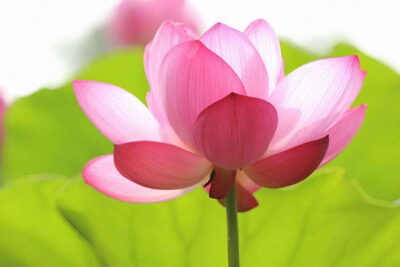
The 30-minute boat ride is the most peaceful part of the day. You board a traditional wooden boat and move through broad lotus fields, surrounded by pink flowers and calm water.
This is not a standard sightseeing cruise with a long commentary. The charm comes from the quiet pace and the close view of the blooms. Bring your camera, but do not spend the whole ride looking at the screen. The setting is best enjoyed when you let the boat move slowly and take in the view.
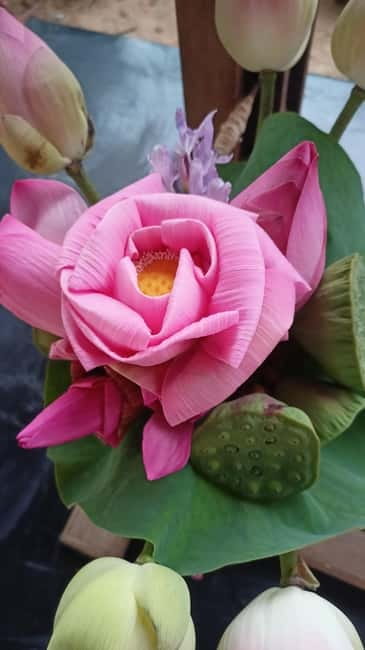
A memorable touch is the boatman’s flower work. While you ride, he creates an intricate lotus bouquet. Some departures also include flower hats or other small creations. These details give the ride a handmade feel and make the boat trip more than simple transportation across the water.
If you can choose a late-afternoon departure, ask about availability. One booking scheduled the boat portion around 4 pm and found the sunset especially moving. The published pickup options are 8:30 am, 10 am, and 12 pm, so sunset timing may depend on the day’s schedule and the exact start time. Confirm it before booking if golden-hour photos matter to you.
The boat is also a good break after the workshops. Four and a half hours of hands-on activity can be tiring, especially for younger children or anyone who prefers a slower holiday. The boat gives you a quiet pause before returning to the farm or heading back toward town.
The guides and the human side of the visit
The staff teach in English and French. The experience is built around direct instruction, so communication matters. The available information identifies guides and hosts including Melany, Sokha, and Sean, and one visit was led by the founder, who shared the story behind the project.
You may not have the same guide on every departure, but the team approach is part of the experience. The artisans show you the craft while the guide explains the wider purpose of the work.
Sokha was praised for explaining the historical and religious meaning of the lotus. Sean was remembered for his warm welcome and upbeat manner. Melany was noted for clear explanations and a kind approach. These details suggest that the best part of the tour is not a polished performance. It is the easy exchange between you and the people who make the products.
The women working at the farm are central to the visit. You can see their pride in the work and ask questions as you move through the stations. That makes the social impact more visible than a general promise to support local communities.
The activity is wheelchair accessible, though the farm, workshops, and boat may involve different surfaces and practical arrangements. If you use a wheelchair, contact the provider before arrival so the staff can explain how they will handle the boat portion.
What the $70 price includes
At $70 per person, this is not the cheapest half-day activity in Siem Reap. It is also not simply a tour of a farm. The fee covers several separate elements:
- A guided visit to the lotus silk operation
- Six do-it-yourself craft activities
- A 30-minute boat ride
- Lotus tea and homemade lotus biscuits
- Your own finished crafts and additional gifts
- Transfer from and back to Biolab Cafe in downtown Siem Reap
The price makes the most sense if you plan to take part in every workshop. You receive materials, instruction, refreshments, boat transport, and souvenirs. Buying similar handmade goods in a shop would not give you the same personal connection, even if shopping alone might cost less.
Food is not included beyond the lotus tea and biscuits. You should eat before the activity or plan a meal afterward. Water is provided, but I would still carry extra water, especially in Cambodia’s heat.
The boutique is another optional expense. You can browse and buy lotus silk products, textiles, and other souvenirs, but these purchases are not part of the $70 price. Set a spending limit before you arrive if you are trying to keep costs under control.
Meeting at Biolab Cafe in downtown Siem Reap
The pickup arrangement is straightforward but important. You do not receive hotel pickup and drop-off. Instead, you meet at Biolab Cafe and Restaurant in central Siem Reap, then ride to the farm in the provider’s gray van.
The café has air conditioning, restrooms, WiFi, and drinks for purchase. Arrive about five minutes before your scheduled departure and look for the lotus-colored flag marked pickup with the Lotus Silk Farm logo.
The listed departure times are 8:30 am, 10 am, and 12 pm. The drive time is not stated, so leave enough room in your day after the activity rather than booking a tight connection.
One person experienced a late tuk-tuk transfer of about 30 minutes. The normal arrangement is the gray van from the meeting point, but the incident is a useful reminder to avoid scheduling another important activity immediately afterward. Delays may be unusual, but Siem Reap traffic and pickup coordination can still take time.
Who will enjoy this activity most
I would choose this outing if you want to make things, ask questions, and come home with more than photographs. It suits couples, families, solo visitors, and anyone interested in textiles, flowers, conservation, or Cambodian craft traditions.
Children can enjoy the variety because the activities change often. The boat ride adds a calm finish, and the take-home crafts make the day feel concrete. Very young children may need help with the finer work, especially yarn spinning and carving.
It is also a good choice if you have already spent several days at Angkor and want a change of pace. The farm gives you a closer look at present-day community work, rather than another set of ancient stones.
You may want to skip it if you dislike organized activities, have limited time, or only want to see the lotus fields. A shorter visit would suit you better. The value comes from the combination of the tour, six workshops, and boat ride, so leaving out most of those parts would weaken the reason to pay the full price.
Practical advice before you go
Wear comfortable clothing and shoes that allow you to move between workshops. You will handle craft materials, gather botanicals, and sit or stand for different activities, so dress for participation rather than a formal outing.
Bring a camera for the fields, flowers, and your finished work. A phone is enough, but keep it protected during the boat ride and do not let photography crowd out the experience.
The tour lasts about four and a half hours. Give yourself extra time afterward for the boutique if you plan to shop. The staff provide water, lotus tea, and biscuits, but do not count on a full meal.
Cancellation is free up to 24 hours before the activity, and you can reserve now and pay later. That is useful if your Siem Reap plans depend on temple visits, weather, or a changing arrival schedule.
FAQ
How much does the Lotus Silk Farm experience cost?
The price is $70 per person.
How long does the activity last?
The full activity lasts about 4.5 hours.
What crafts will I make?
You can make lotus paper, spin lotus fiber into yarn, create jewelry from dried lotus seeds, prepare incense sticks, eco-print botanicals onto a silk scarf, and carve a lotus symbol into vegan leather made from lotus stem waste.
Is the boat ride included?
Yes. A guided 30-minute boat ride through the lotus fields is included.
Where do I meet the transfer?
You meet at Biolab Cafe and Restaurant in downtown Siem Reap. Look for the lotus-colored pickup flag and the provider’s gray van.
Are hotel pickup and drop-off included?
No. Transportation is provided only from and back to Biolab Cafe and Restaurant.
What languages are available?
The activity is offered in English and French.
Should you book the Lotus Silk Farm tour?
I would book this if you want a hands-on cultural activity with a strong sense of place. The boat ride is lovely, but the real value is the full package: you learn how lotus silk is made, work alongside artisans, complete six crafts, and leave with useful souvenirs rather than a quick photo and a sales pitch.
At $70, it is best for someone who will take part in the workshops and appreciate the social enterprise behind them. If you want only a short boat trip or a simple farm visit, it may feel too long. For a half-day away from the temples, though, the combination of skilled craft, lotus fields, and community support makes this one of Siem Reap’s most worthwhile cultural outings.
Just added in Siem Reap
- 1-Day Angkor Wat Private Tour with Spanish Tour Guide.★ 5.0 · 9 reviews
- Angkor Wat: Small-Group Tour with Balloon Ride and Lunch★ 4.6 · 13 reviews
- Sky Venture Microlight Siem Reap★ 4.9 · 18 reviews
- Angkor Wat plus Balloon Ride with Khmer Lunch★ 5.0 · 46 reviews
- Siem Reap: 1-Hour Cambodian Buddhist Water Blessing★ 4.9 · 68 reviews
- Apsara Dance Performance – Including Buffet Dinner & Hotel Pickup★ 5.0 · 68 reviews
- From Siem Reap: Battambang Day Trip Return or to Phnom Penh★ 4.9 · 73 reviews
- Authentic Cambodian Countryside Jeep Experience★ 5.0 · 62 reviews
Silk Farm & Artisan Workshops, compared.

Phnom Penh Silk Island Bike Tour/ E-Bike or Tuk Tuk
Read our review →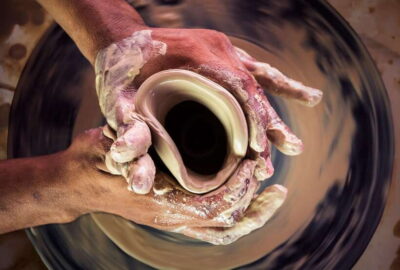
Siem Reap Lotus Silk Farm Discovery tour & Lake experience
Read our review →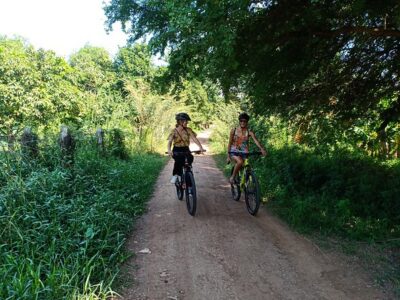
Silk Island Cycling Adventure & lunch with locals
Read our review →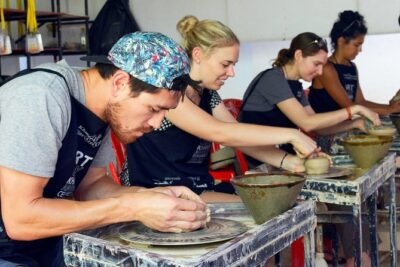
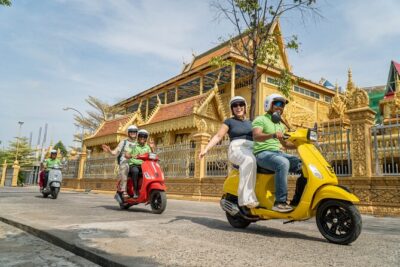
Phnom Penh Silk Island Vespa Tour / Tuk Tuk Available
Read our review →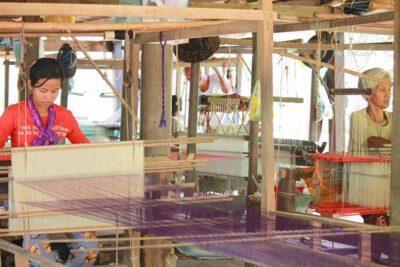
Mekong Silk Island Cruise – Unlimited Beer, Soft Drinks & Fresh Fruit Platter
Read our review →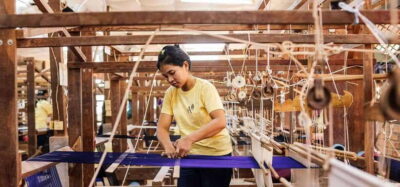
Angkor Silk Farm & Lotus Silk Farm: Siem Reap Discovery Tour
Read our review →Browse the lists this tour appears in