
Reviewed · BANTEAY SREI & BENG MEALEA TOURS
2-Day Angkor Wat With Small, Big Circuit and Banteay Srei Tour
Angkor is best seen slowly enough to notice the carved faces, worn steps, and tree roots that a rushed day trip skips. This private two-day tour covers the Small Circuit, Big Circuit, Banteay Srei, and several quieter temples, with hotel pickup and an air-conditioned vehicle.
I like the pairing of a dedicated guide and driver, especially when guides such as Jimmy, Chhay, Thean, and Vanna can adjust the pace and help with photos. I also like the small comforts: cold water and scented wet towels waiting after hot walks. The catch is simple: two days include a lot of temples, early starts, heat, stairs, and walking, so this is not a gentle sightseeing break.
Key points to know before booking
- Sunrise at Angkor Wat begins around 5:00am: You return to the temple on day two after an early pickup.
- The two-day route reaches about 18 temples: You see far more than Angkor Wat alone, but the program can feel full.
- Banteay Srei adds a different style: Its pink sandstone carvings are among the trip’s finest details.
- Ta Nei offers a quieter stop: This small, less-restored temple provides a break from the main crowds.
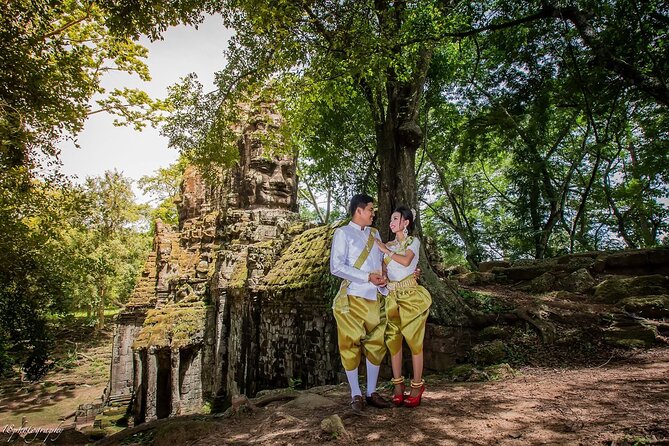
- Your group travels privately: The guide can adjust the pace, photo stops, and some temple visits to suit your group.
- The temple pass costs extra: Add $62 per person, plus lunch, usually about $5 per person according to the supplied pricing.
Why two days works better than one
A single day at Angkor can give you the famous photographs, but it often turns into a race between major temples. This tour spreads the visit across two days, giving you time for the familiar landmarks and the less celebrated places that help explain how the Angkor complex fits together.
The first day follows the Small Circuit and includes Ta Prohm, Ta Nei, Angkor Thom, and Phnom Bakheng. The second day starts before dawn at Angkor Wat, then moves through the Big Circuit and out toward Banteay Srei and Banteay Samre.
That division has practical value. You can spend meaningful time at Angkor Wat instead of treating it as one more stop. You also get two separate days to ask questions about Khmer architecture, Hindu and Buddhist imagery, kings, religious change, and the purpose of each site.
The tradeoff is energy. The program lists long temple visits and many short stops, with about 18 temples mentioned in the overall route. You should expect dusty paths, uneven ground, steep or worn steps, and plenty of time outside in Cambodian heat.
Other outlying temples from Siem Reap:
- Siem Reap: Kulen Mountain, Beng Mealea and Tonle Sap Tour
★ 5.0 · 1,483 reviews - Full-Day Banteay Srei & 4 Temples – Grand Tours Join-in Tour
★ 5.0 · 1,155 reviews - Siem Reap Tour: Angkor Wat Sunrise, Bayon, Ta Prohm, Banteay Srei
★ 5.0 · 931 reviews
Day one: Angkor Wat, Ta Prohm, and Angkor Thom
Pickup begins around 8:00am from your hotel or guest house. The guide takes you to buy the temple pass on the way, and admission is not included in the tour price.
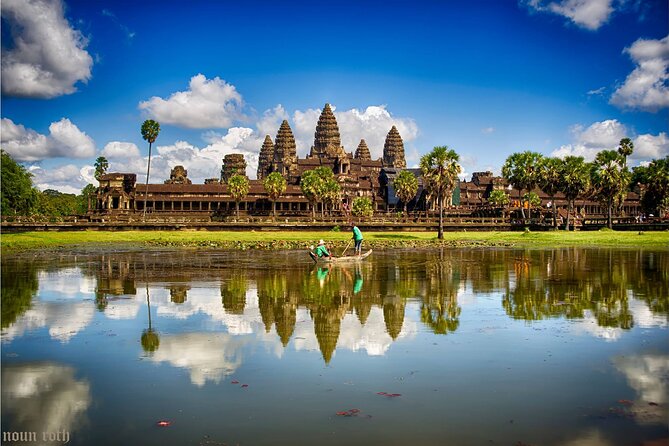
Angkor Wat receives about two hours on the first morning. That is a useful amount of time for the central galleries, courtyards, bas-reliefs, towers, and long approach. The temple is large enough that a guide adds real value. Without context, you can spend much of your visit looking at stone without understanding what the carvings represent or how the building was designed.
The morning visit also gives you a second chance on day two, when the focus is sunrise. Some people prefer to make the first visit mainly about architecture and stories, then return for photographs in the early light.
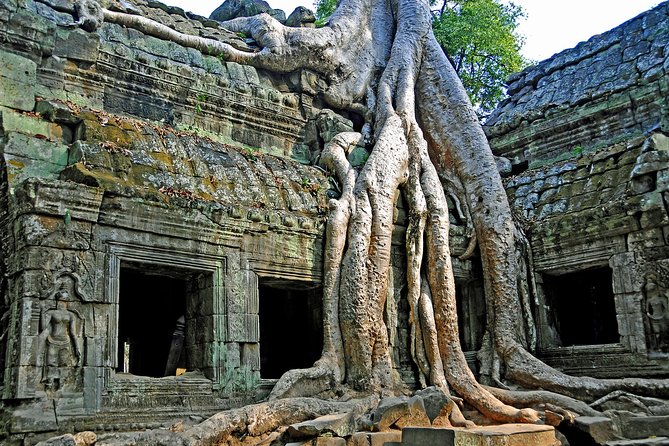
Next comes Ta Prohm, another two-hour stop. This is the temple most associated with giant tree roots gripping the stone walls, and it has the atmospheric quality many people expect from Angkor. The roots are striking, but the setting can also be crowded and uneven underfoot. Take time to look beyond the famous root-covered doorway, since the galleries and carved details deserve attention too.
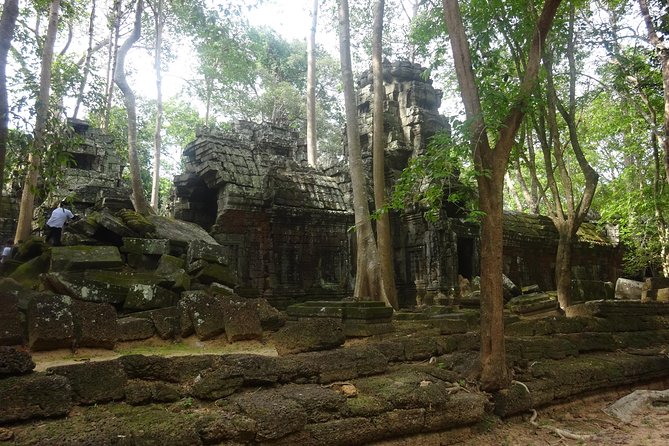
Ta Nei is a very different experience. The temple is smaller, less restored, and surrounded by large trees. Its quiet setting gives you a chance to see a more broken and less polished side of Angkor. I would not treat it as a replacement for Ta Prohm, but it is a smart addition for anyone who wants more than the standard photo stops.
Angkor Thom and the many faces of Bayon
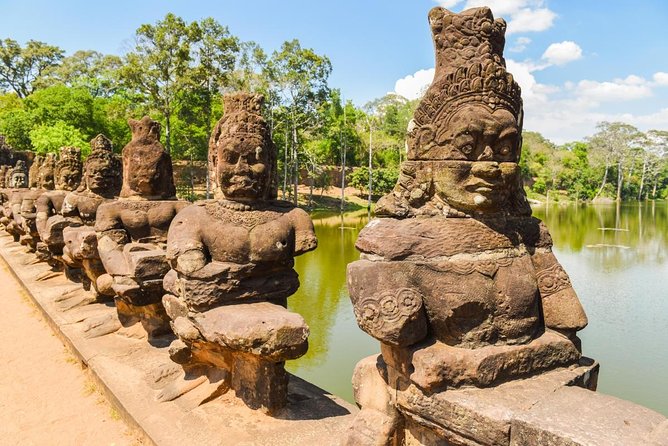
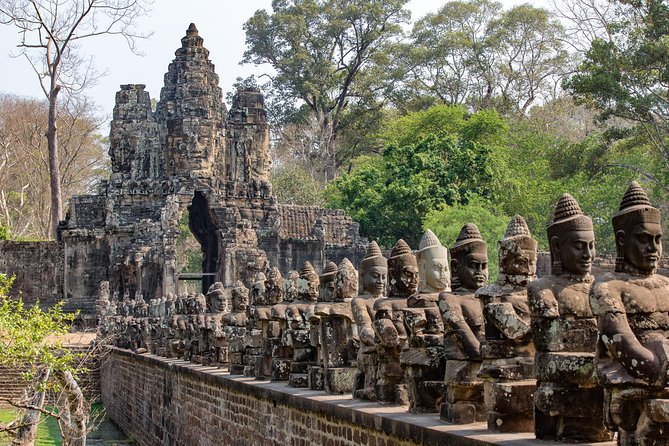
The route enters Angkor Thom through the Victory Gate on the eastern side. This is a short stop, listed at about 10 minutes, mainly for photographs and orientation before continuing to Bayon.
Bayon sits near the center of the old city and is famous for its towers with serene faces. The route description refers to 49 towers and 196 faces, although the number of visible faces can vary depending on how they are counted and what remains. The useful point is that Bayon rewards slow looking. Faces appear between towers, above galleries, and from different angles as you move around the temple.
The planned visit is about 30 minutes, which is enough for a first look but may feel short if you enjoy detail. A private guide can help you focus on the key carvings rather than wandering without a plan. If you need more time for photographs, this is one of the places where it makes sense to ask about adjusting the pace.
Baphuon follows. This Hindu temple predates Angkor Wat and was built in the 11th century. Behind it is a reclining Buddha added much later, in the 16th century. The contrast between the original temple and the later religious addition helps show how sacred sites changed as beliefs and political power shifted.
Phimeanakas is a smaller pyramid temple located within the area of the old royal palace. The nearby Royal Enclosure Wall adds useful context, though only about 15 minutes is assigned to this stop. You may find that the surrounding area matters as much as the temple itself, since it helps you picture Angkor Thom as a royal city rather than a collection of separate ruins.
The Terraces of the Elephants and the Leper King are short visits, about 10 minutes each. The Elephant Terrace was used by kings to view returning armies and features elephant carvings along its platform. The Leper King Terrace, just to the north, has carved figures and narrow passages that are easy to miss if you only stop for a quick photograph.
Phnom Bakheng and the sunset question
The first day ends at Phnom Bakheng, where you can wait for sunset. The climb up the hill and the limited viewing arrangements can make this a tiring finish after a full day of temples.
Sunset is optional. That matters because the main program already includes a great deal of walking, and cloudy weather can spoil the view. The supplied tour details also note that access is limited by the number of people allowed. Ask your guide about the current conditions and decide based on your energy, the weather, and how much waiting you want to do.
If you skip sunset, you are not missing the main purpose of the tour. You will still have a full first day and an early start the next morning.
A few more things to do in Siem Reap worth a look
- Siem Reap: Angkor Wat 2-Day Tour with Sunrise and Sunset
★ 4.9 · 4,429 reviews - Angkor 2-Day Sunset & Sunrise Small-Group Tour
★ 5.0 · 2,567 reviews - 2 Days Exclusive Temple Highlights with Sunset and Sunrise Tour
★ 5.0 · 1,157 reviews - Siem Reap: Angkor Sunrise 1- or 2-Day Guided Temples Tour
★ 4.9 · 1,132 reviews
Day two: sunrise, reservoirs, and quieter temples
Pickup for sunrise begins around 5:00am. You return to Angkor Wat before dawn, watch the sky brighten around the towers, and then have time at the temple before the day’s main circuit begins.
Sunrise is a memorable reason to choose this two-day format, but keep expectations sensible. Cloud cover can reduce the color, and the viewing area can be busy. The value is not only the photograph. Seeing Angkor Wat in the changing early light gives you a different sense of its scale and setting than the later morning visit.
After sunrise, the route returns to the hotel or another breakfast arrangement before continuing. The exact timing should be confirmed with your guide, since the early start and breakfast break shape the rest of the day.
Preah Khan is the first main stop, with about an hour planned. Built by King Jayavarman VII and dedicated to his father, it is a large former monastic complex. Its corridors, courtyards, and carved stone give you a strong sense of how extensive Angkor’s religious centers were.
Neak Pean is much smaller and more unusual. This island temple sits in the middle of a former reservoir, reached by a walkway. The visit is about 30 minutes, so you will mainly take in the setting and the central structure rather than spend hours exploring.
Ta Som is a small classic temple, with only about 15 minutes scheduled. That is enough for a quick look and photographs, but not a long study of every carving. Eastern Mebon follows, a three-level temple mountain crowned by five towers. Its broad, ruined form is different from the enclosed galleries at Angkor Wat and Ta Prohm.
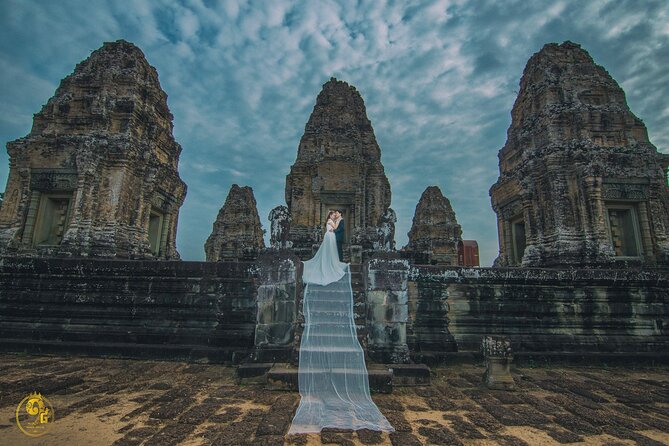
Pre Rup receives about an hour. Built in the late 10th century and dedicated to Hindu gods, it has a strong brick-and-stone structure and a high position that gives the visit a more open feel. The temple is also linked with funerary beliefs, which gives your guide an opportunity to explain how religious ideas shaped temple design.
Banteay Srei, Banteay Samre, and Banteay Kdei
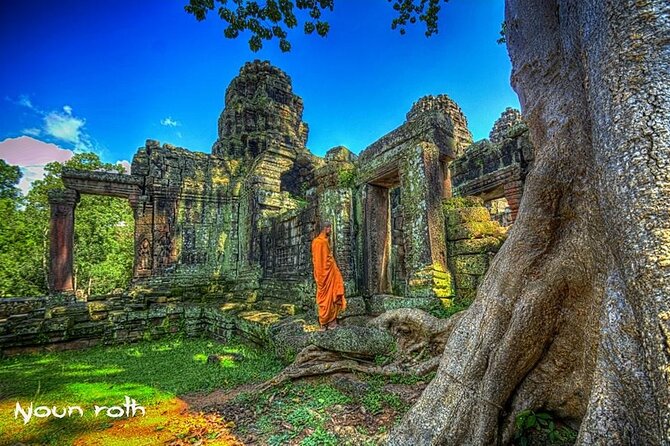
After lunch, the tour travels to Banteay Srei, often called the Ladies Temple. It was built in the 10th century from pink sandstone and is known for fine carvings on a smaller scale than the grand monuments closer to Siem Reap.
This is one of the most worthwhile additions to the tour. The pink stone and detailed decoration look different from the gray and weathered surfaces elsewhere, and the smaller size makes the carvings easier to study. The stop lasts about an hour, not counting the lunch break.
Lunch is not included. The supplied price estimate is about $5 per person, depending on the menu. Having lunch during the day is practical, but you should budget for it separately and expect the timing to depend on the route and your guide.
Banteay Samre is next, with about 45 minutes. This Hindu temple dates to the 12th century and is often compared in form to Angkor Wat. It offers another contrast: a more compact temple with strong architectural lines after the delicate carvings at Banteay Srei.
The final stop is Banteay Kdei, a 12th-century Buddhist temple. Its style has similarities to Ta Prohm and Bayon, so ending here brings the two days together. By this point you will likely be tired, but the stop can help you compare the design choices and religious traditions you have seen across the complex.
What the private guide and driver add
The strongest part of this experience is the two-person setup. Your guide handles the stories, temple order, photographs, and questions. Your driver handles the transfers and waits with the vehicle while you walk through the monuments.
Several guide names appear in the supplied material, including Jimmy, Chhay, Thean, Vanna, Choub, and Chay. You should not assume a particular guide will be assigned, but the experience is designed around a licensed English-speaking guide rather than a fixed audio script.
The guide can explain the carvings, religious symbolism, temple layouts, and Cambodian culture. Just as important, the guide can help with practical matters such as uneven steps, photo locations, and timing. Some guides have helped older family members with stairs, adjusted the first day for tired arrivals, and found quieter places for pictures.
The driver is part of the comfort of the day. The vehicle is air-conditioned, and cold water and wet towels are supplied. After walking through hot temple grounds, returning to a cool vehicle with a cold towel is not a minor luxury. It can make the difference between enjoying the last temple and simply enduring it.
The tour is private, so only your group participates. That gives you more control than a large bus outing, though it does not remove the need to follow temple rules or cope with crowds at the most famous sites.
Price, extra costs, and overall value
The listed price is $158.50 per person. The Angkor temple pass costs an additional $62 per person, and lunch is extra. That puts the basic combined cost at about $220.50 per person before meals, assuming the quoted pass price applies to your visit.
That is not a bargain-basement temple tour, but the comparison should be with what you receive. The price covers two days of private transport, hotel pickup and drop-off, a licensed English-speaking guide, a driver, air conditioning, water, and wet towels. It also covers sites well beyond Angkor Wat, including Banteay Srei, which requires a longer drive from the central temple area.
I see the value most clearly for couples, families, and small groups who want control over the pace. If you are content with a short visit to Angkor Wat and a few major temples, this may be more than you need. If you want the main temples plus smaller sites and historical explanation, the second day earns its keep.
Free cancellation is available when you cancel at least 24 hours before the start time. Changes made inside that window are not accepted, so check your plans before the cutoff.
Who should book this two-day temple tour?
I would choose this tour if you want a broad introduction to Angkor without arranging separate transport, passes, and guides yourself. It suits people who care about architecture, religion, Cambodian history, and the stories behind the carvings.
It is also a good fit if you value comfort between stops. The air-conditioned vehicle, driver, water, and towels matter in the heat. Families can benefit from the private format, especially if the guide can adjust the pace, though the number of stairs and the amount of walking may be hard for young children or anyone with mobility limits.
You should think twice if you dislike early mornings, long temple days, or repeated visits to ruins. The route is well planned, but it is still a lot of stone, sun, steps, and information. Bring sturdy walking shoes, light clothing, sun protection, and enough energy for two active days.
Should you book it?
Book this tour if you want to see Angkor beyond the famous postcard view and prefer a private guide to explain what you are looking at. The best features are the two-day pace, sunrise at Angkor Wat, quiet Ta Nei, pink sandstone Banteay Srei, and the practical care from the guide and driver.
Skip it if you want a slow, minimalist holiday or only plan to see one or two temples. For most first-time visitors with two days in Siem Reap, though, the combination of major monuments, smaller sites, private transport, and local guiding makes this a strong and useful way to meet Angkor.
FAQ
How long is the Angkor tour?
The experience lasts approximately two days. Day one starts around 8:00am, and day two begins around 5:00am for sunrise at Angkor Wat.
Is hotel pickup included?
Yes. Pickup and drop-off at your hotel or guest house in Siem Reap are included.
Is the Angkor temple pass included?
No. The Angkor and all-temples pass costs $62 per person according to the supplied tour details.
Are meals included?
No. Lunch is not included. The supplied information gives an estimated lunch cost of about $5 per person, depending on the menu.
Is this a private tour?
Yes. Only your group participates, with a private vehicle, driver, and English-speaking guide.
What temples are visited?
The route includes Angkor Wat, Ta Prohm, Ta Nei, Victory Gate, Bayon, Baphuon, Phimeanakas, the Terraces of the Elephants and Leper King, Phnom Bakheng, Preah Khan, Neak Pean, Ta Som, Eastern Mebon, Pre Rup, Banteay Srei, Banteay Samre, and Banteay Kdei.
Is sunrise at Angkor Wat included?
Yes. The second day begins with pickup at about 5:00am for sunrise at Angkor Wat.
Is sunset at Phnom Bakheng guaranteed?
No. Sunset at Phnom Bakheng is optional, and access is subject to a limit on the number of people allowed. You can skip it if you do not want to wait.
What does the tour provide during the temple visits?
The tour provides an air-conditioned vehicle, a driver, cold water, and cool wet towels. A licensed English-speaking guide and hotel transfers are also included.
Just added in Siem Reap
- 1-Day Angkor Wat Private Tour with Spanish Tour Guide.★ 5.0 · 9 reviews
- Angkor Wat: Small-Group Tour with Balloon Ride and Lunch★ 4.6 · 13 reviews
- Sky Venture Microlight Siem Reap★ 4.9 · 18 reviews
- Angkor Wat plus Balloon Ride with Khmer Lunch★ 5.0 · 46 reviews
- Siem Reap: Lotus Silk Farm- Tour, Lake & Masterclass★ 4.9 · 77 reviews
- Half Day River Monster Tour with Private Guide in Siem Reap★ 5.0 · 74 reviews
- Siem Reap: Quad Bike Tour of Local Villages★ 5.0 · 63 reviews
- Full Day Tour Angkor Wat Sunrise and Siem Reap Temples★ 5.0 · 68 reviews
Banteay Srei & Beng Mealea Tours, compared.
Kulen Mountain, Beng Mealea and Tonle Sap Tour
Read our review →
Full-Day Banteay Srei & 4 Temples – Grand Tours Join-in Tour
Read our review →
Siem Reap Tour: Angkor Wat Sunrise, Bayon, Ta Prohm, Banteay Srei
Read our review →
Koh Ker Temple Group & Beng Mealea Full-Day Join-in Tour
Read our review →
3-Days Discovery Of Angkor: Waterfalls,Floating Village and Banteay Srei temple
Read our review →
Banteay Srei, Kulen Waterfall & Beng Mealea Exploration
Read our review →Browse the lists this tour appears in