
Reviewed · ANGKOR TEMPLE TOURS
2-Day Eight Temple Tour with Optional Sunrise
The best thing about this two-day tour is its range. You move from the steep brick towers of Pre Rup to the pink sandstone carvings at Banteay Srei, then from the jungle wrapped Ta Prohm to the vast galleries of Angkor Wat. I like the private pace and the chance to hear the stories behind each temple instead of simply being dropped at a ruin. I also like that transport and a guide are included, which removes much of the planning hassle around Siem Reap.
The main drawback is cost beyond the advertised $98. Your 3-day temple pass costs another $62 per person, and food and drinks are not included. The schedule also packs many major sites into two long sightseeing days, so this suits you best if you want a broad first look rather than a slow study of only one or two temples.
Key points to know before booking
- Eight major temples across two days: The route includes Angkor Wat, Bayon, Ta Prohm, Preah Khan, Banteay Srei, Banteay Samre, Pre Rup, and Banteay Kdei.
- A genuinely private outing: Only your group takes part, so you can explore at your own pace without waiting for a large group.
- Guide Sam may be available: One praised guide, Sam, is described as a strong storyteller with impressive photography skills. Guide assignment should be confirmed with Angkor Pura Tours.
- The temple pass is extra: The tour price does not include the required 3-day temple pass, listed at $62 per person.
- Dress for temple rules: You must cover your shoulders and knees when entering the temples.
- Optional sunrise: Sunrise is part of the tour title, but the supplied details do not specify the exact location, time, or extra charge. Ask for those details before booking.
What $98 gets you over two days
At $98, this is a practical way to arrange transport and guiding for a wide sweep of the Angkor area. You receive a private guide, cold water, suitable transport for your group size, and pickup from your Siem Reap hotel. That matters here because the temples are spread across a large area, and arranging separate rides for each stop would take time and attention away from the visit.
The price does not cover meals, drinks beyond the supplied cold water, personal expenses, accommodation, or the temple pass. The extra $62 pass is not a minor detail. Add it to the tour price when comparing options, especially if you are watching your budget.
The two-day structure gives you more than a quick circuit of the most famous ruins. You visit smaller and less familiar sites such as Banteay Samre and Banteay Kdei, while still allowing time for the three major names most people come to Siem Reap to see: Angkor Wat, Ta Prohm, and Bayon.
Because the tour is private, the value depends partly on your group size. A solo visitor or couple pays more per person than a larger private group, while a family or group of friends may find the arrangement more appealing. Group discounts are listed, though the exact discount is not provided.
More temples within reach of Siem Reap:
- Siem Reap Tour: Angkor Wat Sunrise, Bayon, Ta Prohm, Banteay Srei
★ 5.0 · 931 reviews - Siem Reap: Bike the Angkor Temples – Full-Day 30km Tour
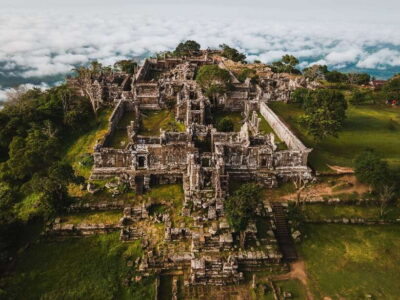
★ 5.0 · 463 reviews - Preah Vihear: Full-Day Preah Vihear and Koh Ker Temple Tour
★ 4.9 · 263 reviews
Day one begins at steep Pre Rup
Pre Rup is a good opening stop because it gives you an immediate sense of how Khmer temple design can turn a building into a mountain. The towers sit above a series of steep levels, and reaching the top requires a climb. The effort is rewarded with views across the surrounding countryside.
You should take the stairs seriously, especially in hot weather. The tour description calls Pre Rup a popular temple, so it may feel busier than some of the smaller stops. Still, its strong shape and high position make it a useful introduction to the scale and style of the Angkor region.
Pre Rup was one of the earlier temples built by the Khmer kings. Your guide can add context about its place in the development of Khmer architecture, which is one reason a private guide adds value here. Without explanation, you may simply see a set of towers. With the story, the steep climb and layout make more sense.
Banteay Samre brings Angkor Wat style in a smaller package
The route then moves to Banteay Samre, a temple built in a style similar to Angkor Wat. It is known for its Khmer architecture, towers, and detailed carvings. You can spend about an hour exploring its structures and looking closely at the stonework.
This stop helps break up the larger, more famous monuments. Angkor Wat can feel almost too large to take in at once. Banteay Samre gives you a more contained setting where you can notice the proportions, entrances, and carved details without the same sense of scale.
I would use this time to ask your guide specific questions rather than rushing from one doorway to the next. Since the tour is private, you have a better chance of setting the pace around the details that interest you most. If you prefer photography, this is also a place where a guide familiar with the site may help you frame the towers and carvings.
Banteay Srei is the day’s fine carving stop
Banteay Srei is one of the most distinctive temples on the route. It is built from pink sandstone quarried in the Kulen Mountain range, giving its surfaces a different look from the larger gray stone monuments nearby.
The temple is especially valued for its fine carvings. The small scale and careful detail make Banteay Srei feel different from the grand, imposing sites. You are not here for vast galleries or towering causeways. You are here to look closely.
A local legend says the carvings were so beautiful that women must have made them. Treat that as a story rather than established fact, but it is a memorable detail for your guide to explain. This is one of the stops where a little background can sharpen your attention. Look at the figures, patterns, and small decorative sections instead of only taking a quick photograph at the entrance.
Banteay Srei is also one of the more popular temples in the complex. The private format does not remove the site’s popularity, but it does mean your guide can help you use your time well and avoid being held up by a large tour group.
A few more things to do in Siem Reap worth a look
- Siem Reap: Angkor Wat 2-Day Tour with Sunrise and Sunset
★ 4.9 · 4,429 reviews - Angkor 2-Day Sunset & Sunrise Small-Group Tour
★ 5.0 · 2,567 reviews - 2 Days Exclusive Temple Highlights with Sunset and Sunrise Tour
★ 5.0 · 1,157 reviews - Siem Reap: Angkor Sunrise 1- or 2-Day Guided Temples Tour
★ 4.9 · 1,132 reviews
Ta Prohm shows the temple and the jungle together
Ta Prohm is the most cinematic stop on day one. It is widely known as the Tomb Raider temple, after being used as a location for the film starring Angelina Jolie. The fame brings attention, but the temple earns its place on the route for more than its movie connection.
Ta Prohm has been left largely to the elements, with the jungle growing through parts of the building. Trees and stone appear locked together, creating the kind of scene that is difficult to understand from photographs alone. You can see how a major religious complex looks when nature is allowed to press back against it.
This is also a stop where footing and patience matter. The ruins are old, and the route includes uneven temple spaces. The provided information does not give accessibility details, so anyone with mobility concerns should ask Angkor Pura Tours for a more precise account before booking.
Because Ta Prohm is famous, it may be one of the busiest stops. A private guide cannot guarantee an empty site, but you can avoid the frustration of moving only when a large group moves. Take time to notice the carved stone, collapsed sections, and places where roots pass through the structure.
Banteay Kdei offers a quieter final stop
Banteay Kdei sits near Ta Prohm and is known as the Citadel of Chambers or the Citadel of Monks’ Cells. It is a Buddhist temple and gives the first day a fitting change of mood after Ta Prohm’s dramatic jungle setting.
The name points to the temple’s many chambers and smaller spaces. This is a good place to slow down and think about how these complexes worked as religious and living spaces, rather than treating every ruin as a single grand monument.
Banteay Kdei is also popular, but it generally feels different from a headline site such as Angkor Wat. Your guide can help you compare its layout and condition with Ta Prohm, which you will have just seen. That comparison is one of the useful features of doing both sites on the same day.
Day two opens with Angkor Wat
Day two is built around the largest and most famous temple in the area: Angkor Wat. The tour begins here, and an optional sunrise is included in the experience title. The supplied details do not confirm the sunrise meeting time, exact viewing point, or whether it changes the pickup arrangement, so ask for those details before you pay.
Angkor Wat is the reason many people come to Siem Reap. It was the largest temple built during the Khmer Empire and now attracts more than two million visitors per year. Its scale is the first thing you notice. The site is not a quick photo stop. You need time to take in the galleries, towers, courtyards, and long approaches.
A guide is particularly useful at Angkor Wat because size can work against understanding. You may otherwise spend your time walking from one impressive view to another without knowing what you are seeing. A private guide can explain the temple’s stories and help you focus on details you might miss.
I would not judge this stop only by how quickly you reach the central towers. The broader experience includes the approach, the structure of the galleries, and the carvings. You should also be prepared for crowds, since Angkor Wat is the park’s main attraction. The private format gives you flexibility, not solitude.
Preah Khan keeps the ruins close to nature
After Angkor Wat, the tour continues to Preah Khan, another 12th-century temple built by King Jayavarman VII. Unlike many restored sites, Preah Khan has received little restoration work. It has been made safe for visitors, but much of its aged, overgrown character remains.
That balance makes Preah Khan valuable. You can see the building as a ruin, not only as a cleaned and reconstructed monument. Stone passages, worn surfaces, and vegetation help you picture the long process by which a major temple was overtaken by time.
The site also gives your guide room to explain Jayavarman VII’s building program and the religious changes visible around Angkor. Those details matter because the temples were not all created for the same purpose or under the same ruler.
After the large, ordered spaces of Angkor Wat, Preah Khan may feel more intimate and maze-like. I would keep some energy for it. Two days of temple climbing can wear you down, and the temptation is to hurry through the final sites. Since this is a private tour, tell your guide when you need a slower pace or a short pause.
Bayon closes with famous stone faces
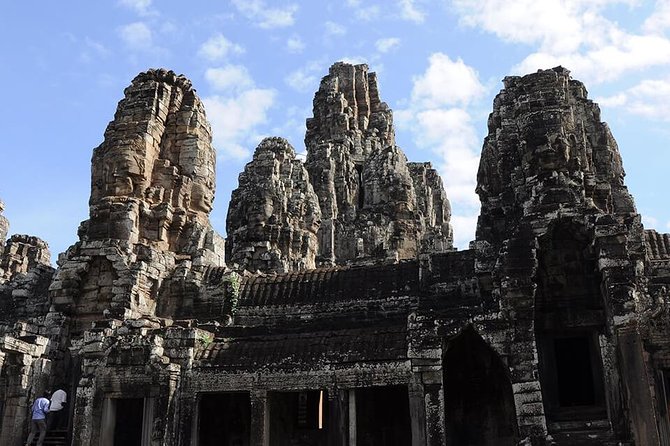
The final major stop is Bayon, usually one of the most memorable temples in the Angkor Archaeological Park. Its towers carry large stone faces, and the complex contains traces of Hindu inscriptions as well as Mahayana and Theravada Buddhist inscriptions.
Bayon rewards wandering. The temple has many corners, galleries, and changes in level, so the final visit is not just a quick look at the faces from outside. The itinerary allows a few hours here, which is appropriate. You need time to move through the narrow spaces and understand how the faces relate to the rest of the structure.
This is another place where a private guide can turn visual confusion into a readable story. Ask about the different religious inscriptions and how they reflect changes over time. The combination of Hindu and Buddhist material makes Bayon especially interesting for anyone who wants more than a series of pretty ruins.
By ending here, the tour finishes with a site that feels both grand and personal. Angkor Wat gives you scale. Bayon gives you faces, corridors, and small discoveries. Together, they make a strong pair for the second day.
Why the private format matters
The tour is described as private, meaning only your group participates. That does not promise empty temples, but it does remove one common problem: waiting for a large group to gather before moving on.
You can spend longer at Banteay Srei’s carvings, move through Ta Prohm at your own speed, or ask for more explanation at Bayon. The guide is also there to provide the history and stories of each temple, rather than leaving you to identify every structure yourself.
One guide, Sam, received specific praise for being a master storyteller and for having strong photography skills. If photography or storytelling is important to you, ask Angkor Pura Tours whether Sam is available for your dates. Guide assignment is not guaranteed by the supplied information.
Private transport includes pickup from your Siem Reap hotel. The vehicle is described as suitable for the group size, but the exact vehicle type and daily pickup times are not provided. You should confirm those details if you need a particular arrangement.
Practical details that can make or break the visit
Dress for the temples, not just for the heat. Shoulders and knees must be covered when entering the sites. This is a firm entry requirement, so pack clothing that meets it on both days.
Cold water is included, but meals and other drinks are not. Plan for those expenses when working out the real cost. Accommodation is also separate, and the tour begins in Siem Reap.
A mobile ticket is available, and booking confirmation is provided at the time of booking. Free cancellation is available if you cancel at least 24 hours before the experience starts. Cancellations or changes made less than 24 hours in advance are not accepted for a refund.
Most people can take part, according to the supplied information. Still, Pre Rup involves a steep climb, and the temples can include uneven surfaces. Ask the provider directly about mobility needs before committing if that is a concern.
Who should book this two-day temple tour?
I would choose this tour if you want to see a broad mix of Angkor temples without arranging separate drivers, guides, and routes yourself. It works well for a first visit, especially if you want the famous sites plus smaller stops such as Banteay Samre and Banteay Kdei.
It also suits families or friends who value a private schedule. The group can move together without waiting for strangers, and the total cost may make more sense when shared among several people.
I would think twice if you want a slow, highly specialized photography visit or long periods at only one temple. Eight temples in two days is a full program. You will see a lot, but some stops may feel brief compared with a custom itinerary focused on fewer sites.
Should you book it?
Book this tour if you want efficient coverage, a private guide, hotel pickup, and a balanced route through Angkor’s major and smaller temples. The strongest reasons are the variety, the private pace, and the chance to have a storyteller such as Sam guide the visit, if available.
Before booking, budget the extra $62 temple pass, confirm the optional sunrise details, and ask about daily timing. If those costs and the busy schedule suit you, this is a sensible two-day introduction to Siem Reap’s temple country.
FAQ
How long does the tour last?
The experience lasts approximately two days.
Which temples are included?
The route includes Pre Rup, Banteay Samre, Banteay Srei, Ta Prohm, Banteay Kdei, Angkor Wat, Preah Khan, and Bayon.
Is the tour private?
Yes. Only your group participates in the activity.
Is hotel pickup included?
Yes. Private transport includes convenient pickup from your Siem Reap hotel.
Is the temple pass included in the price?
No. The 3-day temple pass costs $62 per person and is not included.
What should I wear?
You must cover your shoulders and knees to enter the temples.
Can I cancel for a full refund?
Yes, if you cancel at least 24 hours before the experience start time. Cancellations or changes made less than 24 hours in advance are not accepted for a refund.
Just added in Siem Reap
- Twilight Tastes of Siem Reap Include Dinner★ 5.0 · 13 reviews
- Ultimate Sunrise to Angkor Wat, Angkor Thom and Bayon Temple★ 5.0 · 3 reviews
- Trekking Tour at Phnom Kulen National Park from Siem Reap★ 5.0 · 3 reviews
- Full-Day Private Tour of Angkor Wat with Pick Up★ 5.0 · 12 reviews
- Private Day Trip to Angkor Temples with Expert Guide★ 5.0 · 4 reviews
- Siem Reap City Tour with War Museum and Killing Field★ 5.0 · 27 reviews
- Waterfall & River of 1000 Siva Linga- Kulen Mountain Private Tour★ 5.0 · 3 reviews
- Angkor Wat Experience Temple Pass and Siem Reap Food Tour★ 5.0 · 13 reviews
Angkor Temple Tours, compared.
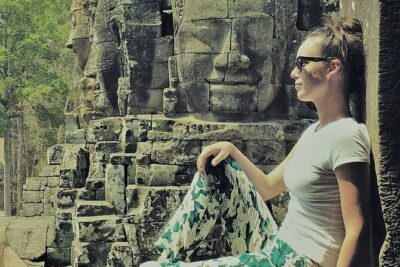
Siem Reap Tour: Angkor Wat Sunrise, Bayon, Ta Prohm, Banteay Srei
Read our review →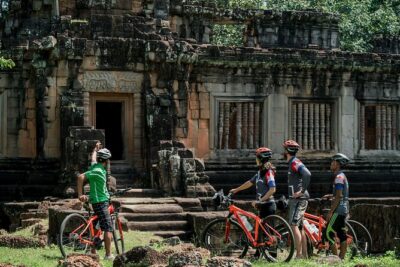
Angkor Wat one Day Private Tour for All Highlight Angkor Temples
Read our review →
1-Day private Angkor Temple Tour from Siem Reap
Read our review →
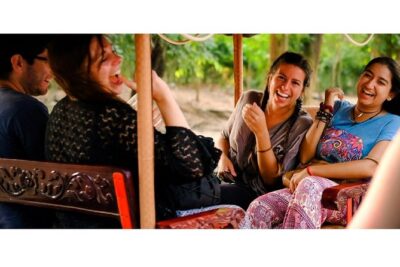
Private one-day tuktuk ‘small tour’ of the oldest Angkor temples
Read our review →Browse the lists this tour appears in