
Reviewed · KULEN MOUNTAIN & WATERFALL TOURS
2-Day Angkor Wat with Temples On Small Circle & Kulen Waterfall
Angkor Wat at sunrise is only one part of this packed two-day outing. You also get the quiet Ta Nei temple, the giant faces of Bayon, sunset from Phnom Bakheng, and a long trip into Kulen National Park for its carved riverbed and waterfall. Chhay, one guide named for this experience, is described as friendly, informative, and happy to take photos.
I like the private air-conditioned vehicle, since your group can move at its own pace, and I like the mix of famous temples with less visited Ta Nei and the countryside trip to Kulen. The main drawback is the schedule: sunset on day one followed by a 5:00am pickup for sunrise makes this a demanding two days, especially in the heat.
Key points at a glance
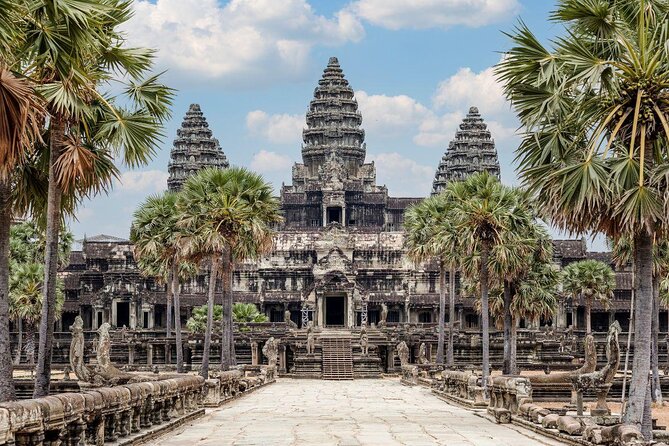
- Sunrise and sunset are both included: Watch dawn at Angkor Wat and sunset from Phnom Bakheng, if you choose to wait for it.
- The route covers the major small-circle sights: Angkor Wat, Ta Prohm, Angkor Thom, Bayon, Baphuon, and several royal terraces.
- Ta Nei gives you a quieter temple stop: This small, lightly restored ruin is surrounded by large trees and usually feels less hectic than the headline sites.
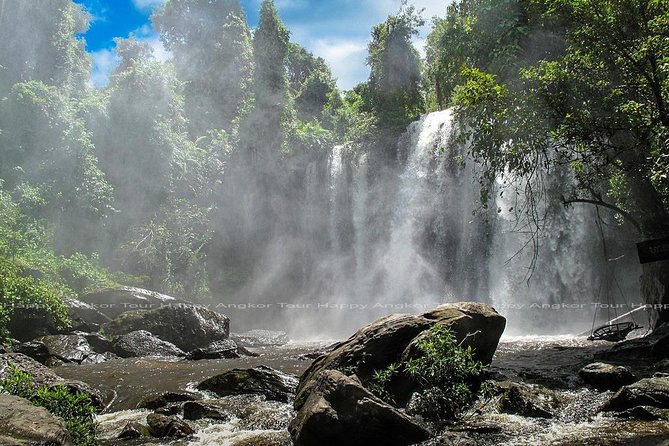
- Kulen adds a change of pace: Spend about five hours at the mountain park, seeing the 1000 Lingas, reclining Buddha, and waterfall.
- Banteay Srei is the artistic highlight: Its pink sandstone carvings make it look very different from Angkor Wat.
- Budget for entrance fees: The tour price is $181.75 per person, but Angkor admission and Kulen National Park admission are extra.
A full Angkor day, from Angkor Wat to Phnom Bakheng
Your first pickup is scheduled for 8:00am after breakfast. The guide meets you in your hotel or guesthouse lobby, and the vehicle stops so you can buy the required temple pass before entering the park.
The first major stop is Angkor Wat, with about two and a half hours set aside. That is enough time to see the central areas at a useful pace, though it is not an invitation to inspect every corner. You will want comfortable shoes, water, and a little patience. This is a large temple complex, and the heat can build quickly.
The guide is an important part of this stop. Angkor Wat is easier to understand when someone points out the religious design, the carved scenes, and the purpose of the main spaces. Chhay is specifically described as strong on historical facts and willing to help with photos, a useful touch if you are traveling alone or want more than a rushed snapshot.
Next comes Ta Prohm, with about two hours planned. This is the temple most closely linked with the movie Tomb Raider, but the film connection is only part of its appeal. Huge tree roots push across the stone, creating the tangled, partly reclaimed look that makes Ta Prohm so memorable.
The stop is long enough to look beyond the best-known photo spots. Still, Ta Prohm can be crowded, and the combination of uneven stone, roots, and warm weather calls for sensible footwear. Your guide can help you see the structure rather than treating it as only a movie set.
More waterfall and mountain days from Siem Reap:
- Kulen Waterfall Join-in Tour (local Picnic lunch)
★ 5.0 · 2,434 reviews - Kulen Mountain: Small-Group Tour and Picnic lunch
★ 4.9 · 1,802 reviews - Siem Reap: Kulen Mountain, Beng Mealea and Tonle Sap Tour
★ 5.0 · 1,483 reviews
Ta Nei, a quieter ruin on the small circuit
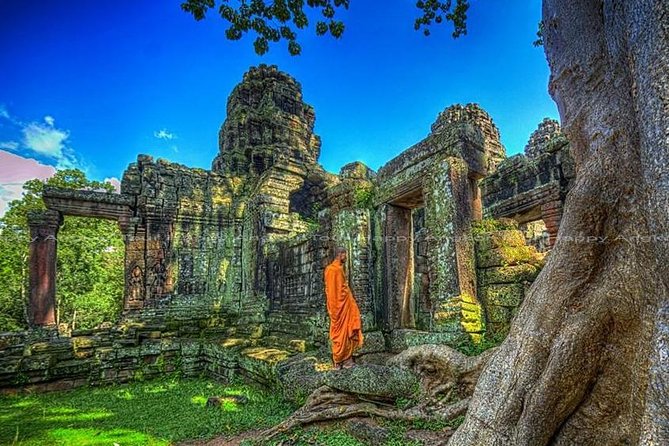
Ta Nei gets about 45 minutes. It is smaller and less restored than the headline temples, with large trees around the remains. This is the kind of stop I value because it gives you a pause from the grand scale of Angkor Wat and the crowds around Ta Prohm.
Do not expect polished walls or a long list of intact buildings. Ta Nei’s appeal is its quieter, rougher feel. The limited restoration lets you see how the forest and time have shaped the site. It also gives the guide room to explain what you are seeing without competing with a constant stream of people.
The next stop is Victory Gate on the east side of Angkor Thom. The planned visit lasts only about ten minutes, so treat it as a photo stop. It works well as an introduction to the fortified city before you continue to Bayon.
Bayon receives about 45 minutes. The carved faces on its towers are the visual centerpiece, and the temple’s position in the center of Angkor Thom makes it a natural anchor for this part of the day. The tour description counts 49 towers and 196 faces associated with the bodhisattva Avalokitesvara.
Forty-five minutes is enough to walk through the main areas and study the faces, but you may wish for more time if you enjoy detailed carving. The guide can help you look past the familiar front view and notice how the faces appear from different angles.
Angkor Thom’s royal monuments in short, useful visits
Baphuon is nearby and receives about 15 minutes. This Hindu temple predates Angkor Wat and dates to the 11th century. Behind it is a large reclining Buddha built in the 16th century.
Fifteen minutes is brief, so this stop is more about seeing the site and hearing its basic story than making a close study. The temple’s scale can be hard to appreciate in a quick visit, but its place in the old city makes it worthwhile.
Phimeanakas also receives 15 minutes. This pyramid-shaped Hindu temple dates to the 10th century and sits in the center of the former royal palace area. You also visit the ancient Royal Enclosure Wall in this section.
The Terrace of the Elephants follows, with ten minutes planned. Its platform was used by kings to view returning armies, and elephant carvings line the wall. The nearby Terrace of the Leper King gets another ten minutes and completes the royal center of Angkor Thom.
These short stops create a clear sense of how the city functioned. You see the religious center, royal spaces, ceremonial platforms, and defensive gates in one continuous route. The tradeoff is obvious: the itinerary covers a great deal, but you will not linger at every monument.
Phnom Bakheng sunset, with an early morning price
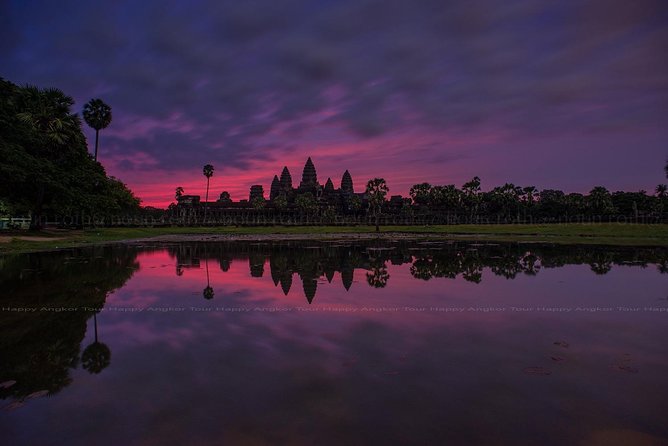
The final stop on day one is Phnom Bakheng, where about two hours are allowed for the climb and sunset wait. The hilltop view is the attraction, but the sunset option is not compulsory. If you prefer to finish earlier, you can skip it.
That flexibility matters. A sunset stop can be memorable, but it also extends an already full day. The next morning begins with a 5:00am pickup for Angkor Wat sunrise. If you stay for sunset, you should expect a short night.
I would choose Phnom Bakheng only if sunset is a high priority for you. If you are more interested in staying rested for Kulen National Park, skipping it may be the sensible choice. This is one of the few places where the tour lets you adjust the intensity.
A few more things to do in Siem Reap worth a look
- Siem Reap: Angkor Wat 2-Day Tour with Sunrise and Sunset
★ 4.9 · 4,429 reviews - Angkor 2-Day Sunset & Sunrise Small-Group Tour
★ 5.0 · 2,567 reviews - 2 Days Exclusive Temple Highlights with Sunset and Sunrise Tour
★ 5.0 · 1,157 reviews - Siem Reap: Angkor Sunrise 1- or 2-Day Guided Temples Tour
★ 4.9 · 1,132 reviews
Angkor Wat at sunrise, then the long road to Kulen
Day two begins at 5:00am. The guide picks you up at your accommodation and takes you to Angkor Wat for sunrise, with about one hour and 45 minutes scheduled.
The early start is the cost of seeing the temple before the regular daytime schedule. You will have time to watch the light change and take photographs, then continue after breakfast. The tour information does not specify where breakfast takes place, so plan to confirm the morning arrangements when booking.
After Angkor Wat, the day changes character. Phnom Kulen National Park is more than 60 kilometers from Angkor Park, and about five hours are allocated there. The drive makes this a substantial part of the outing, not a quick side trip.
Kulen is presented here as the birthplace of the ancient Khmer Empire. It is not another conventional temple complex. Instead, you see a riverbed carved with Lingas, symbols connected with Shiva, along with a large reclining Buddha carved from stone and a waterfall.
The 1000 Lingas are the most unusual sight of the day. The carvings sit beneath the riverbed, so this stop offers a different view of Khmer religious art from the large sandstone temples around Angkor. Your guide can connect the symbols to the wider religious ideas behind the monuments.
The reclining Buddha is another strong stop because it is cut from a large rock rather than assembled like a freestanding statue. The waterfall then gives the day a more natural finish. The tour description does not state swimming conditions or whether swimming is allowed, so do not book this part assuming a guaranteed swim.
Five hours is a generous allocation, but the distance and road time mean you will spend much of day two away from the main Angkor zone. That is a benefit if you want variety. If you only have one day in Siem Reap, or if your priority is every major Angkor temple, Kulen may feel like too much time away from the central park.
Banteay Srei and three different temple styles
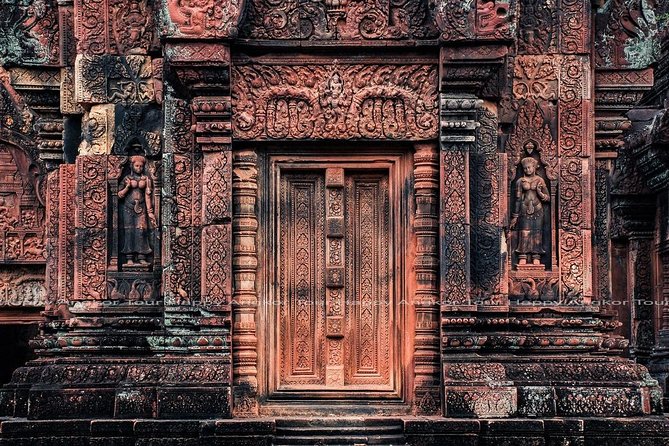
After lunch, the route returns toward Banteay Srei. The pink sandstone temple receives about one hour and is often called the Ladies Temple. It was built in the 10th century for Hindu worship, with a dedication focused mainly on Shiva.
Banteay Srei’s pink sandstone and fine carvings make it one of the most visually different stops on the tour. Angkor Wat feels monumental, Ta Prohm feels overgrown, and Banteay Srei is smaller and more detailed. A one-hour visit gives you time to see the carving work without turning the stop into another long walk.
Banteay Samre follows for about 45 minutes. This Hindu temple dates to the 12th century and is believed to share architectural similarities with Angkor Wat. It is a useful comparison stop because you can see how related design ideas appear in a less famous setting.
The final temple is Pre Rup, with about 30 minutes. Built in the late 10th century and dedicated to Hindu gods, it is associated with beliefs about funerals and the distant horizon. The name is explained as meaning turn the body, a reference to funeral customs.
By this point, you will have spent two long days looking at stone, stairs, carvings, and open-air ruins. Pre Rup works as a compact final stop. It gives you one last temple form to compare with Angkor Wat, Banteay Srei, and the monuments inside Angkor Thom.
What the $181.75 price really covers
The listed price is $181.75 per person. It includes a private air-conditioned vehicle with a driver, a licensed English-speaking guide, parking fees, road tolls, drinking water, wet towels, and hotel pickup and return.
The major extra cost is the temple admission. The listed Angkor pass covering Angkor and the temples costs $62 per person. Phnom Kulen National Park admission is another $20. That puts the known cost at $263.75 per person before meals.
Lunch is not included and is listed at about $5 per person, depending on the menu. The information does not clearly state how many lunches are covered by that estimate, so budget for meals separately rather than treating the tour price as all-inclusive.
The value depends on what you want from a guide. A private setup means only your group participates, so you are not tied to a large bus group. You get door-to-door transport and an English guide across two very long days. For a solo visitor, the help with photos and the ability to ask questions can make the added cost easier to justify.
The price is less attractive if you only want a quick Angkor Wat visit. This is a broad program with extra park admission, a long Kulen drive, sunrise, sunset, and many separate temple stops. You are paying for coverage and private transport, not a relaxed schedule.
Who should choose this two-day route
I would recommend this tour to someone with two full days who wants both the famous Angkor monuments and a very different day at Kulen. It also suits you if you prefer a private vehicle and guide rather than joining a large shared group.
It is a good match for photographers who want sunrise, sunset, tree-covered ruins, carved faces, pink sandstone, and a waterfall in one trip. It also works well for a solo visitor because the guide can help with photos and explain the sites as you go.
You should think twice if you dislike early starts, long drives, or tightly timed sightseeing. The 5:00am pickup comes after a day that can end around sunset, and Kulen is more than 60 kilometers from Angkor Park. The route is rewarding, but it is not gentle.
Bring practical basics: water, sun protection, comfortable shoes, and clothing suitable for temple visits. The tour supplies cool drinking water and wet towels, but those do not replace a hat or sturdy footwear.
The rating is 4.9 from 11 ratings, with a 100 percent recommendation figure. The strongest praise centers on the guide service, especially Chhay’s friendly manner, useful explanations, and willingness to take photos. That personal help matters on a private tour, though you should still confirm your guide’s name when booking because the supplied information names Chhay but does not guarantee who will lead every departure.
Should you book it?
Book this tour if you want a wide Angkor sampler plus Kulen waterfall and are willing to pay the extra entrance fees and accept two demanding days. The route gives you the major small-circle temples, two dramatic viewing times, a quieter ruin, Banteay Srei, and a full day beyond Angkor Park.
Skip it if your main goal is a slow study of fewer temples, or if a 5:00am start and a long mountain drive sound unpleasant. For the right pace of visitor, the private transport, guide support, and variety make the $181.75 starting price reasonable, but the real budget is closer to $263.75 before meals.
FAQ
How long is the tour?
The experience lasts approximately two days.
What time does the first day begin?
Pickup on day one is scheduled for 8:00am from your hotel or guesthouse.
What time does the second day begin?
Pickup on day two is scheduled for 5:00am so you can see sunrise at Angkor Wat.
Is the tour private?
Yes. Only your group participates in this private tour or activity.
Is transportation included?
Yes. The tour includes a private air-conditioned vehicle with a driver, hotel pickup and return, parking fees, and road tolls.
Are temple entrance fees included?
No. The Angkor and temple admission fee is listed as $62 per person, and Phnom Kulen National Park admission is listed as $20 per person.
Is a guide included?
Yes. An English-speaking licensed guide is included. Chhay is one guide associated with the experience.
Can I cancel for a full refund?
Yes, if you cancel at least 24 hours before the experience start time. Cancellations or changes made less than 24 hours before the start time are not accepted for a refund.
Just added in Siem Reap
- Twilight Tastes of Siem Reap Include Dinner★ 5.0 · 13 reviews
- Ultimate Sunrise to Angkor Wat, Angkor Thom and Bayon Temple★ 5.0 · 3 reviews
- Trekking Tour at Phnom Kulen National Park from Siem Reap★ 5.0 · 3 reviews
- Full-Day Private Tour of Angkor Wat with Pick Up★ 5.0 · 12 reviews
- Private Day Trip to Angkor Temples with Expert Guide★ 5.0 · 4 reviews
- Siem Reap City Tour with War Museum and Killing Field★ 5.0 · 27 reviews
- Waterfall & River of 1000 Siva Linga- Kulen Mountain Private Tour★ 5.0 · 3 reviews
- Angkor Wat Experience Temple Pass and Siem Reap Food Tour★ 5.0 · 13 reviews
Kulen Mountain & Waterfall Tours, compared.
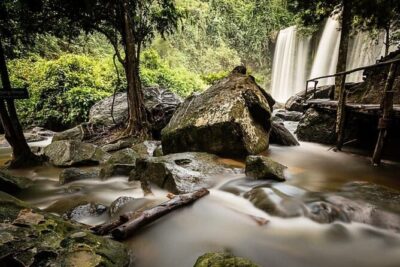
Kulen Waterfall Join-in Tour (local Picnic lunch)
Read our review →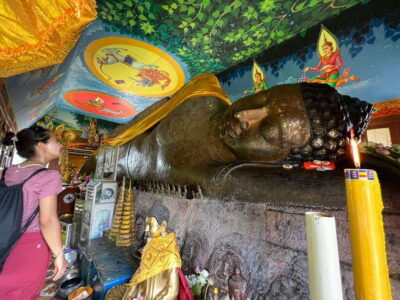
Kulen Mountain: Small-Group Tour and Picnic lunch
Read our review →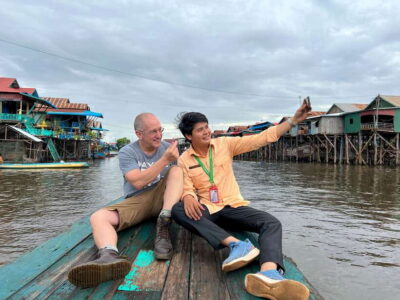
Kulen Mountain, Beng Mealea and Tonle Sap Tour
Read our review →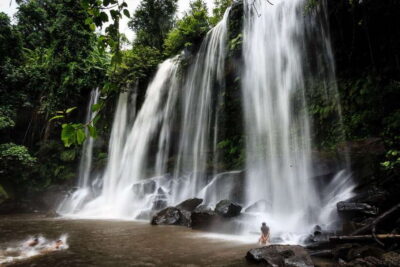
Phnom Kulen Waterfall & the Sacred 1000 Lingas (with Lunch)
Read our review →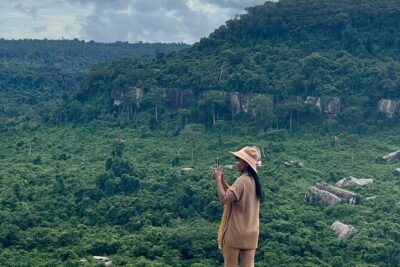
Guided Small-Group Tour in Kulen Mountain Park Waterfall
Read our review →
Kulen Mountain Waterfall Tour with Picnic Lunch from Siem Reap
Read our review →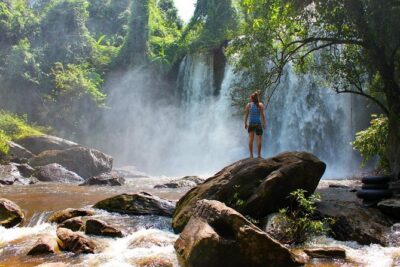
Kulen Waterfall & 1000 Linga River Small-Group Tours
Read our review →
3-Days Discovery Of Angkor: Waterfalls,Floating Village and Banteay Srei temple
Read our review →Browse the lists this tour appears in