
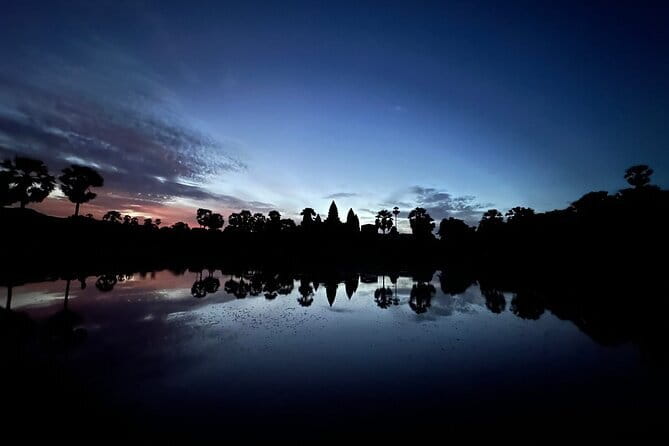
Reviewed · TONLE SAP & FLOATING VILLAGE TOURS
Angkor Wat 2 Days and a Half Temples & Tonle Sap-Small Group Tour
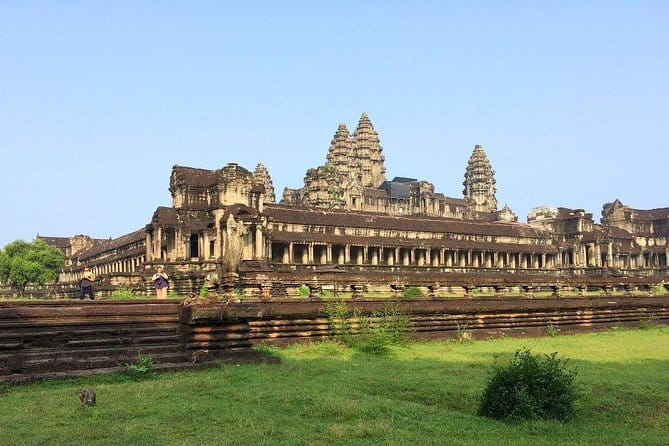
Angkor Wat is only the beginning here. This 2.5-day small-group tour pairs Cambodia’s greatest temples with a boat ride through Kampong Phluk, giving you ancient stonework, rural scenery, and present-day life on Tonle Sap in one compact trip. I like the sunrise at Angkor Wat and the careful attention given to Banteay Srei, Neak Pean, and Preah Khan. The main catch is the extra $62 temple pass, which makes the real cost much higher than the advertised $79.
I also like that the group is capped at 15 people and that guide Sak and driver Mao are named members of the team. Sak brings strong English and clear knowledge of the temples and Cambodian culture, while Mao provides the air-conditioned transport. The schedule is full, though, and the pre-dawn start, heat, stairs, and three separate days of outings will suit active sightseers more than slow-paced holidaymakers.
Key points to know before booking
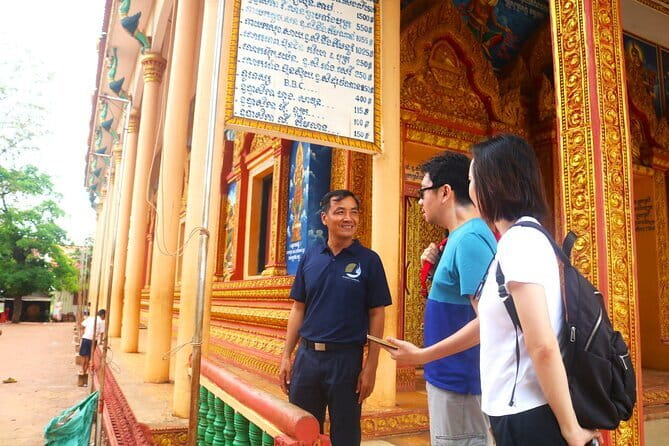
- Banteay Srei gets proper time: Plan on about two hours at Cambodia’s finely carved pink sandstone temple.
- Sunrise comes with a very early start: You enter Angkor Wat before dawn and walk through its eastern side with a torch.
- Tonle Sap is part of the price: The four-hour Kampong Phluk outing includes the entrance fee and boat cruise.
- The temple pass costs extra: Budget another $62 per person on top of the $79 tour price.
- The group stays fairly small: No more than 15 people share the vehicle and guide.
- A named guide makes a difference: Sak handles the temple commentary, and Mao drives.
Three days that connect temples and daily life
Many Siem Reap tours stop at Angkor Wat, Bayon, and Ta Prohm, then call it a day. This one gives you a wider look at the area. You see major monuments inside and outside Angkor Thom, visit smaller sites with very different moods, and finish with a boat trip on Tonle Sap Lake.
The structure is sensible. Day one focuses on temples farther from the central Angkor circuit. Day two brings the famous monuments, with sunrise at Angkor Wat and the giant stone faces of Bayon. Day three leaves the temple zone for Kampong Phluk, where houses and fishing villages sit beside the lake.
That wider scope is the tour’s best idea. I like seeing Pre Rup and Banteay Srei before the biggest monuments because the smaller sites help you notice different building materials and carving styles. The Tonle Sap visit also keeps the trip from becoming three straight days of stone corridors and temple steps.
The pace remains brisk. You will spend several hours in a vehicle across the first two days, and meals are not included. You choose and pay for your own food, so carry some cash and expect to make decisions during the scheduled breakfast and rest stop.
Other trips out on the lake from Siem Reap:
- From Siem Reap: Kampong Phluk Floating Village Tour by Boat
★ 4.9 · 6,979 reviews - Sunset tour of Kampong Phluk stilts home village on the Tonle Sap
★ 5.0 · 4,865 reviews - Kompong Phluk Floating Village Half-Day Tour ( Morning / Sunset )
★ 5.0 · 1,494 reviews
Day one: Pre Rup and the carved details of Banteay Srei
The first stop is Pre Rup, a Hindu temple built as a state temple from brick, laterite, and sandstone. Its mountain-temple design gives the visit a strong sense of height and structure. You have about an hour here, enough to look closely and get a feel for the scale without spending your best energy at the start of the day.
Pre Rup is also a useful contrast with the more polished monuments that follow. The mixed stone and brick construction gives it a different color and texture. Admission is not included at each temple, but the separate temple pass covers access to the Angkor sites.
Next comes Banteay Srei, about two hours from the schedule. This is the day’s detail stop. The temple is smaller than Angkor Wat, but its sandstone reliefs are remarkably fine, with careful carving across the structure.
I would pay close attention here rather than rushing through for a photograph. Banteay Srei rewards a slower look at the walls and decorative work. Since the tour allows more time here than at several other stops, this is a good place to stay close to Sak and ask about the imagery and the temple’s role.
The practical drawback is the drive. Banteay Srei sits outside the central Angkor Thom area, so this day includes more time on the road. The air-conditioned vehicle helps, and hotel pickup and drop-off remove the need to arrange separate transport, but you should still expect a long sightseeing day.
The tour description also includes a beautiful sunset over ancient ruins on day one. The listed stops are Pre Rup, Banteay Srei, Neak Pean, and Preah Khan, so the precise sunset position may depend on the day’s timing and local conditions. Treat sunset as a key feature, but confirm the exact stop with the guide.
Neak Pean and Preah Khan bring a quieter mood
On the return route, you visit Neak Pean, an artificial island with a Buddhist temple on a circular island. The stop lasts about an hour. It offers a change from the tall temple platforms and carved towers, with water and the island setting shaping the visit.
Neak Pean is not the place to expect the same grand scale as Angkor Wat. Its appeal comes from the unusual plan and the sense of a temple arranged around water. I like that this tour includes it because the site expands your idea of what an Angkor monument can be.
Preah Khan finishes the first day. You have about an hour among crumbling stone structures and tree roots. It is described as a ruined and atmospheric temple, and that is the right expectation. You come here for texture, shadow, and the uneasy beauty of a monument being reclaimed by nature, not for pristine walls.
These two stops also make day one feel less predictable. Banteay Srei gives you fine carving, Neak Pean gives you an unusual island plan, and Preah Khan supplies the rough, broken character many people hope to find in the Angkor area.
Day two begins before dawn at Angkor Wat
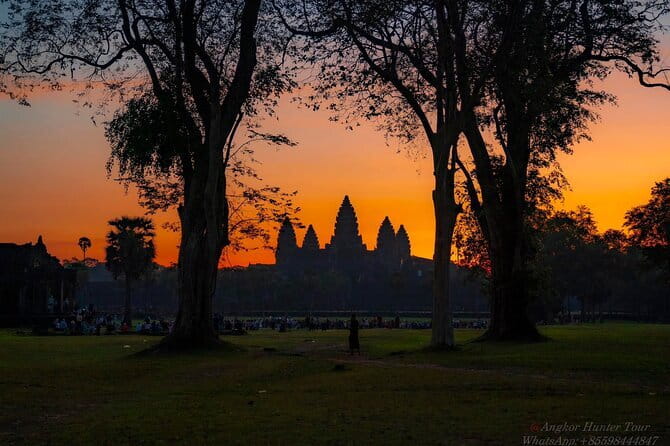
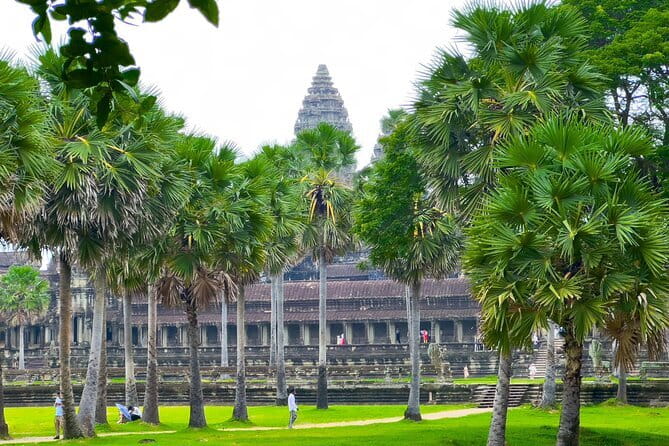
The sunrise morning is the tour’s headline moment, but you need to be ready for a very early departure from your hotel. The plan is to arrive before dawn, enter Angkor Wat in darkness, and walk through the eastern side with a torch before the main light arrives.
That eastern approach is an especially useful detail. Instead of simply waiting at the most familiar viewing point, you get a different way into the temple complex. The walk through the dark adds atmosphere, but it also means you should wear comfortable shoes and bring patience for the early hour.
You have about three hours at Angkor Wat. That gives you time to take in the sunrise, explore the great temple, and listen to Sak explain what you are seeing. The temple pass is not included, so keep the $62 admission cost in mind when comparing this tour with cheaper-looking alternatives.
Sunrise is never guaranteed to look dramatic. Clouds, crowds, and light conditions are beyond anyone’s control. The value here is the early access plan and the chance to see Angkor Wat change from a dark outline into a detailed stone monument.
Afterward, you stop at Srah Srang for breakfast at a Khmer local restaurant and a short rest. Food is not included, so you pay for your own meal. That arrangement gives you choice, but it also means the $79 price is not an all-inclusive daily rate.
A few more things to do in Siem Reap worth a look
- Siem Reap: Angkor Wat 2-Day Tour with Sunrise and Sunset
★ 4.9 · 4,429 reviews - Angkor 2-Day Sunset & Sunrise Small-Group Tour
★ 5.0 · 2,567 reviews - 2 Days Exclusive Temple Highlights with Sunset and Sunrise Tour
★ 5.0 · 1,157 reviews - Siem Reap: Angkor Sunrise 1- or 2-Day Guided Temples Tour
★ 4.9 · 1,132 reviews
Ta Prohm, Angkor Thom, and the faces of Bayon
After breakfast, the route continues to Ta Prohm, one of Angkor’s most atmospheric temples. The site is famous for its jungle setting and the way tree roots push through and around the old stonework. You have about an hour here.
Ta Prohm is a good follow-up to Angkor Wat because the mood changes completely. Angkor Wat feels grand and ordered, while Ta Prohm feels broken and organic. The limited one-hour stop is enough to see the main character of the temple, but you may want more time if you prefer slow photography or close study.
The next stop is the eastern gate of Angkor Thom, with about 20 minutes allotted. This is a short visit, so it works best as an introduction to the fortified city rather than a full exploration. Listen for the guide’s explanation, take in the scale of the entrance, and keep moving with the group.
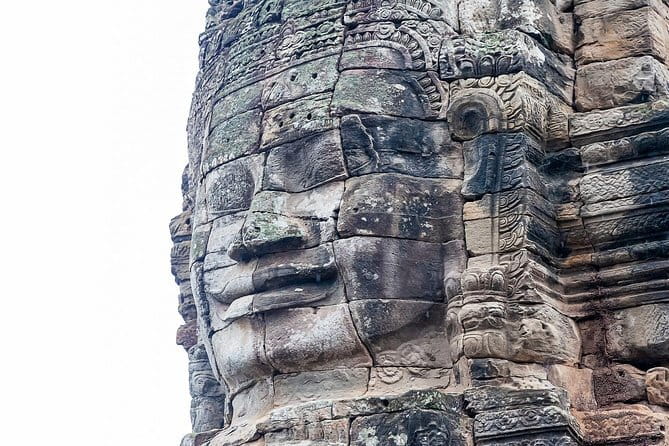
Bayon follows, with about an hour to view its central towers and more than 200 enormous faces. The faces are the visual signature of the temple, and the compact setting makes this a memorable contrast with Angkor Wat’s long galleries.
I like the sequence of these stops. Ta Prohm gives you roots and ruins, Angkor Thom gives you a gateway into a royal city, and Bayon gives you a forest of faces. You get variety without needing to arrange separate tuk-tuk rides or negotiate several admissions and guides yourself.
The tradeoff is the fixed timing. An hour at Bayon can feel short if you want to examine every tower. A private tour would offer more control, but this small-group format is easier on the budget and keeps the day organized.
Day three takes you to Kampong Phluk on Tonle Sap
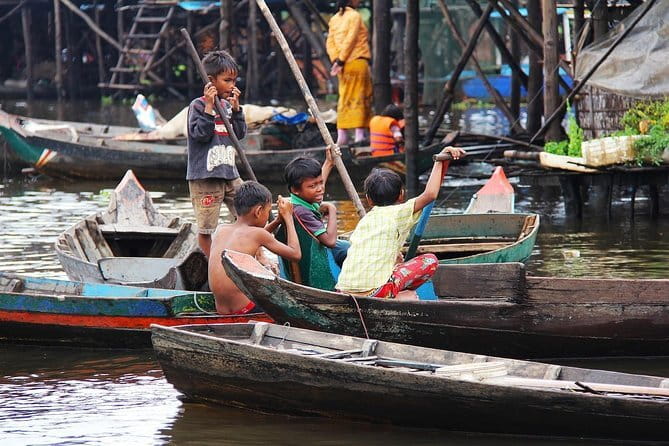
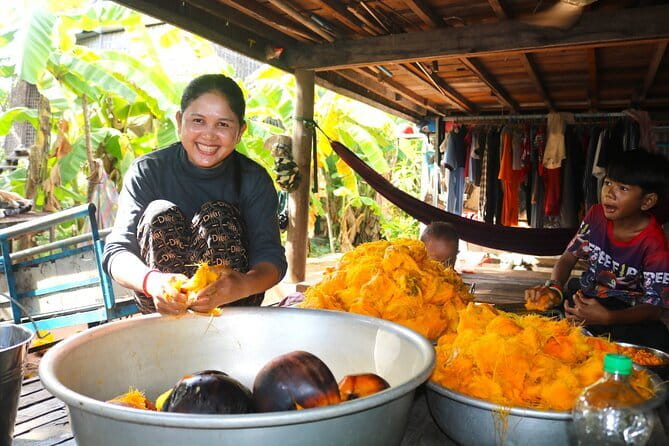
The final morning leaves the temples behind for the countryside and Tonle Sap Lake. The four-hour visit to Kampong Phluk includes a boat trip and the entrance fee. Kampong Phluk is a collection of three small fishing villages, and the boat ride gives you a view of local life connected to the lake.
This is an important change of pace. After two temple-heavy days, you see how people live and work around one of the world’s major freshwater systems. The boat is not just a scenic add-on. It is the way you view the village environment, and it gives the day a clear focus.
The exact appearance of the village can change with lake conditions and the season. The supplied details do not promise a particular water level or a specific type of wildlife, so keep your expectations centered on the village, countryside, and boat cruise itself.
The four-hour block is generous compared with the short temple stops. That gives you time to settle into the outing instead of treating Tonle Sap as a quick photograph between monuments. I would choose this tour over a temple-only package if you want one clear connection to life beyond the archaeological zone.
What $79 really gets you
The listed price is $79 per person, which is a reasonable starting price for hotel pickup, air-conditioned transport, an English-speaking guide, bottled water, a cool towel, the sunrise and sunset plans, and the Tonle Sap boat outing.
But the temple pass costs another $62 per person and is paid directly at the site. That brings the basic tour and temple access to $141 before meals. Food is not included, either. Compare the full figure, not just the advertised tour price.
The Tonle Sap entrance fee and boat cruise are included, which helps balance the added temple cost. The tour also includes Cambodia Phare Circus, Seat C, in the dry season. Since the main schedule does not assign a specific day or time for the circus, ask the operator how that part fits your dates before booking.
For a small group capped at 15 people, the package offers solid value if you want transport and a guide across several days. It is less attractive if you already have a vehicle, know the temples well, or want to choose every stop and meal yourself.
Guide, vehicle, and group size
The tour uses an air-conditioned vehicle and includes pickup and drop-off at your hotel. That matters in Siem Reap, where the schedule involves early mornings, long rides, and outdoor temple visits. Bottled water and a cool towel are modest extras, but welcome in the heat.
Sak is the English-speaking guide, and Mao is the driver. Sak’s English and his grasp of temple history and Cambodian culture are important strengths, especially at sites such as Banteay Srei and Bayon where a quick explanation can make the carvings easier to understand. Mao’s role is less visible, but calm, dependable driving matters on a full itinerary.
The maximum group size is 15. That is not private touring, but it is small enough to keep the guide’s explanations manageable. If you want to stop for as long as you wish at one tower or return to a favorite temple, this is not the right format.
The tour begins at 8 a.m. on the stated meeting information, but day two requires a pre-dawn hotel departure for sunrise. Clarify the pickup time for your date, since the sunrise morning clearly starts earlier than the standard listed start time.
Who should book this Angkor and Tonle Sap tour?
I would recommend it to you if this is your first visit to Siem Reap and you want the major temples, lesser-known sites, sunrise, sunset, and Tonle Sap arranged in one package. It also fits you if you prefer an English-speaking guide to explain what you are seeing rather than simply being dropped at the gates.
It suits active visitors who can handle early mornings, several hours of sightseeing, temple steps, and a full three-day schedule. Families and most participants can take part, according to the supplied activity details, but the pace still calls for reasonable stamina.
I would think twice if you dislike group schedules or want slow, quiet visits. The $62 temple pass and self-paid meals also matter. Add those costs before deciding that $79 is the final price.
Free cancellation is available up to 24 hours before the experience starts. Changes or cancellations inside that window are not accepted for a refund, and local time controls the cutoff.
Should you book it?
Book this tour if you want broad coverage with one guide and one transport plan. The strongest features are the sunrise approach at Angkor Wat, the two-hour visit to Banteay Srei, Sak’s temple commentary, and the Tonle Sap boat ride. Those pieces give you more than a quick checklist of famous ruins.
Skip it if you want a private pace, included meals, or a low all-in cost. For most first-time visitors who value convenience and variety, the package is a practical choice once you budget the separate temple pass and food.
FAQ
How long does the tour last?
The experience lasts approximately three days, covering two full temple days and a morning visit to Kampong Phluk on the third day.
What is the price per person?
The listed price is $79 per person. The Angkor temple pass costs an additional $62 per person and is paid directly at the site.
Is the temple pass included?
No. The temple pass is not included in the tour price and must be purchased directly at the site.
Is hotel pickup available?
Yes. Hotel pickup and drop-off services are included.
What time does the tour start?
The stated start time is 8 a.m. Day two includes a pre-dawn departure from your hotel for the Angkor Wat sunrise, so the pickup time for that morning is earlier.
How large is the group?
The activity has a maximum of 15 participants.
Are meals included?
No. Meals are not included. Breakfast is available at your own choice during the stop at a Khmer local restaurant.
Is the Tonle Sap boat ride included?
Yes. The Tonle Sap entrance fee and boat cruise at Kampong Phluk are included.
Is an English-speaking guide provided?
Yes. An experienced English-speaking guide is included. The guide named for the temple visits is Sak.
Is the Cambodia Phare Circus included?
Yes, Seat C for the Cambodia Phare Circus is included during the dry season. The supplied schedule does not specify the exact date or time for the performance.
What is the cancellation policy?
You can cancel up to 24 hours before the experience starts for a full refund. Cancellations or changes made less than 24 hours before the start time are not accepted for a refund.
Just added in Siem Reap
- Twilight Tastes of Siem Reap Include Dinner★ 5.0 · 13 reviews
- Ultimate Sunrise to Angkor Wat, Angkor Thom and Bayon Temple★ 5.0 · 3 reviews
- Trekking Tour at Phnom Kulen National Park from Siem Reap★ 5.0 · 3 reviews
- Full-Day Private Tour of Angkor Wat with Pick Up★ 5.0 · 12 reviews
- Private Day Trip to Angkor Temples with Expert Guide★ 5.0 · 4 reviews
- Siem Reap City Tour with War Museum and Killing Field★ 5.0 · 27 reviews
- Waterfall & River of 1000 Siva Linga- Kulen Mountain Private Tour★ 5.0 · 3 reviews
- Angkor Wat Experience Temple Pass and Siem Reap Food Tour★ 5.0 · 13 reviews
Tonle Sap & Floating Village Tours, compared.
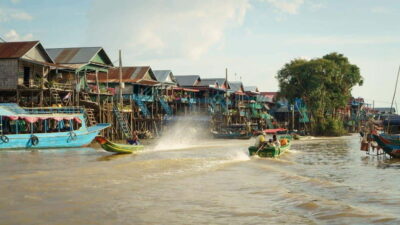
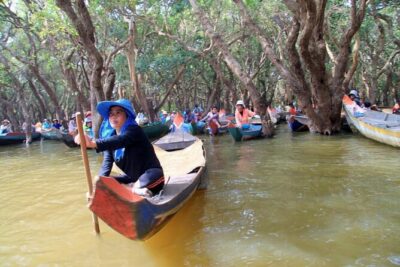
Sunset tour of Kampong Phluk stilts home village on the Tonle Sap
Read our review →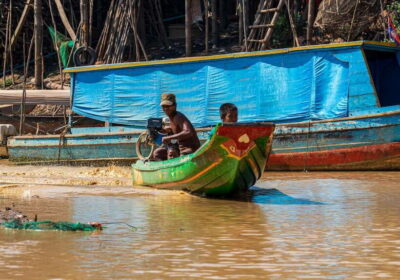
Siem Reap Floating Village Kampong Phluk Sunset with Boat
Read our review →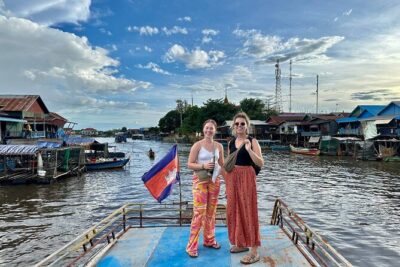
Kompong Phluk Floating Village Half-Day Tour ( Morning / Sunset )
Read our review →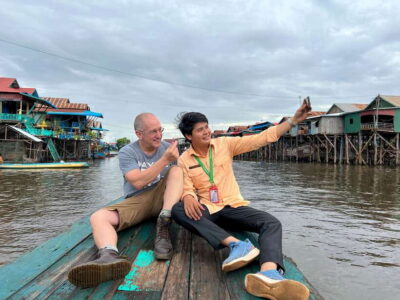
Kulen Mountain, Beng Mealea and Tonle Sap Tour
Read our review →
Tonle Sap Lake & Kampong Phluk Village Half-Day Tour
Read our review →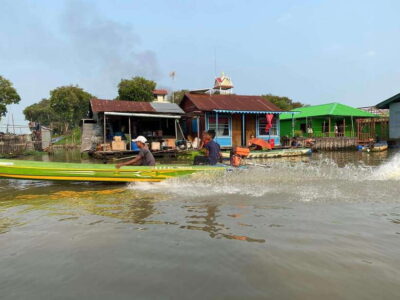
Tonle Sap, Kampong Phluk & Floating Village Tour
Read our review →
Sunset Dinner Tour: Tonle Sap Lake Floating Village
Read our review →Browse the lists this tour appears in