
Reviewed · KILLING FIELDS & GENOCIDE MUSEUM TOURS
Morning Tuk tuk: City, Handicrafts, Killing field, Temples
Battambang’s best sights are not all temples. This five-hour tuk-tuk outing links small family food workshops with old pagodas, paddy fields, and one of Cambodia’s most serious memorial sites. You see how rice becomes noodles, paper, wine, and a sticky dessert, then follow the road out to Ek Phnom.
I like the personal scale of the tour, especially the chance to watch villagers work rather than simply look at finished products. I also like the guides’ local storytelling: Samol is praised for clear English, safe driving, humor, and good photos, while David is noted for explaining daily life from a local point of view. The main drawback is the pace. There are many stops in five hours, and the Killing Field visit can feel heavy beside the lighter food tastings.
Key points
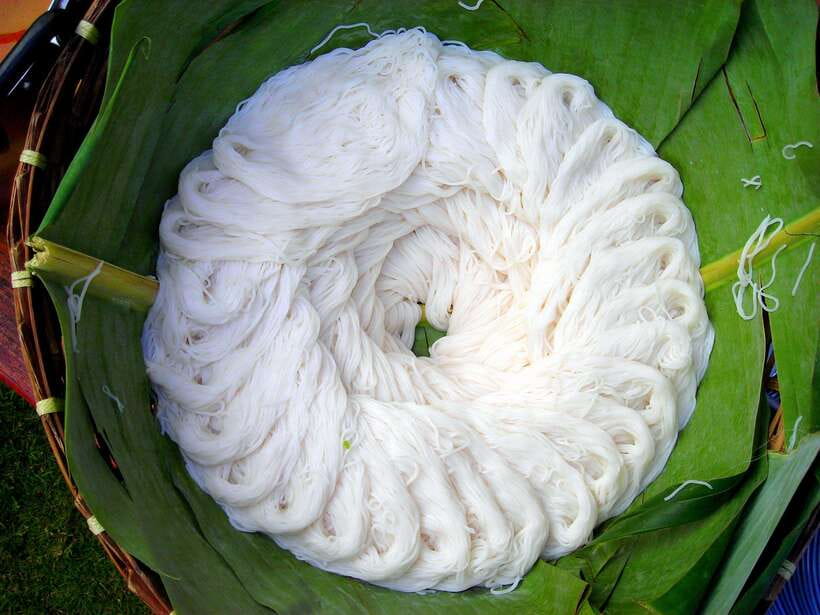
- Fresh Khmer rice noodles: Watch locals make a staple eaten for breakfast, lunch, or dinner, then try some yourself.
- Four hands-on village workshops: See bamboo sticky rice, rice paper, rice wine, and noodles made for sale.
- Wat Samrong Knong: Visit a 1707 Buddhist temple, an 1887 brick stupa, and a former Khmer Rouge detention and killing site.
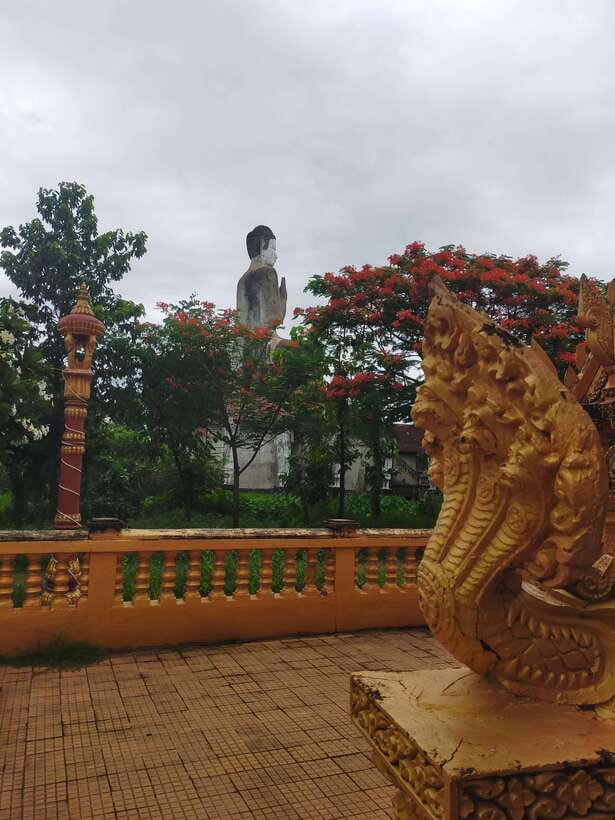
- Ek Phnom’s 25-meter Buddha: Pair a modern giant Buddha with the ruins of an 11th-century Hindu temple.
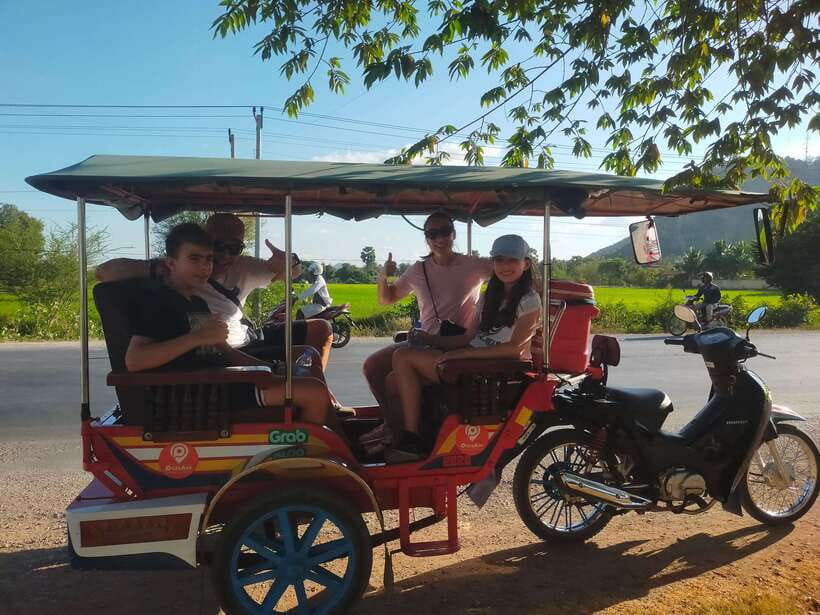
- Tuk-tuk access to rural Battambang: Ride through villages and rice fields instead of staying only in the city center.
- Good practical value: For $20 per person, the price includes transport, guide, tastings, admissions, bottled water, wet wipes, and donations.
Why this Battambang tuk-tuk tour works
Battambang is at its best when you connect the city with the countryside. The center gives you old buildings, the market, and local symbols, but the surrounding villages show how people still earn a living from rice and simple household production.
This tour does that neatly. You start around 7:20 AM, when the heat is more manageable, then spend the morning moving between urban sights, village workshops, Buddhist sites, and rice fields. The tuk-tuk keeps the experience open to the sounds and smells of the road, though you should expect dust, sun, and a little wind.
The strongest part is the mix of ordinary work and major history. One stop may show a villager producing 1,500 rice papers in a day. The next may bring you to a pagoda used by Khmer Rouge soldiers and a detention site where approximately 10,008 people were killed. That contrast is not easy, but it reflects Cambodia honestly.
More Tuk Tuk Tours in Battambang
- Battambang: Tuk-Tuk, Bamboo Train, Killing/Bat Caves, Sunset
★ 4.9 · 1,436 reviews - Battambang Tuk Tuk tour: Bambootrain, Killing & Bat Caves,Sunset
★ 5.0 · 799 reviews - Afternoon tour by tuk tuk to bamboo train,bat cave,killing cave,countryside.
★ 5.0 · 344 reviews
Battambang’s old center at 7:20 AM
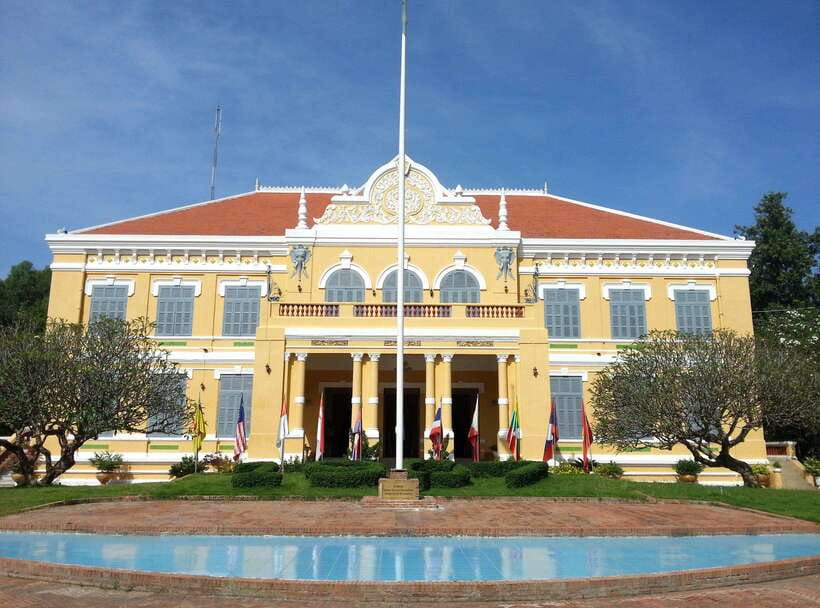
Your guide picks you up from your accommodation or a restaurant in Battambang, with pickup and drop-off available within 5 kilometers of town. The first stretch introduces you to the city through its historic buildings, central market, provincial hall, and the statue of Ta Dambong Kranhoung, Battambang’s symbolic figure.
This opening is useful because it gives you a quick sense of how Battambang fits together before you head into the countryside. Your guide also explains Cambodian history, Buddhism, agriculture, folk stories, and local culture along the way.
Guide quality matters here. Samol is known for lively explanations, a relaxed manner, safe driving, and a good sense of humor. He has also taken photos for visitors and shared them through WhatsApp. David is another guide associated with the tour, praised for friendly service and explanations grounded in local daily life. The exact guide can vary, but the experience depends heavily on having someone who can explain what you are seeing.
Do not expect a long architectural walking tour in the center. This is a short introduction before the food and temple stops. If your main aim is a detailed study of Battambang’s colonial buildings, you will need extra time elsewhere.
Khmer noodles made by hand
The first food workshop shows how Khmer rice noodles are produced by local families. These noodles are not just a special treat. They are a common part of Cambodian meals and may be eaten at breakfast, lunch, or dinner instead of other Khmer dishes.
Watching the process makes the food more meaningful. You see a familiar ingredient treated as a craft and a source of income, rather than simply arriving in a bowl at a restaurant. You also get to taste the noodles, so this is an active stop instead of a quick photo opportunity.
I like that the tour uses food as a way into Cambodian life. Rice is at the center of the region’s agriculture, and these workshops show how one crop supports several kinds of work. The stop should suit anyone who enjoys local cooking, but remember that the focus is on production rather than a full sit-down meal.
Bamboo sticky rice, a sweet roadside tradition
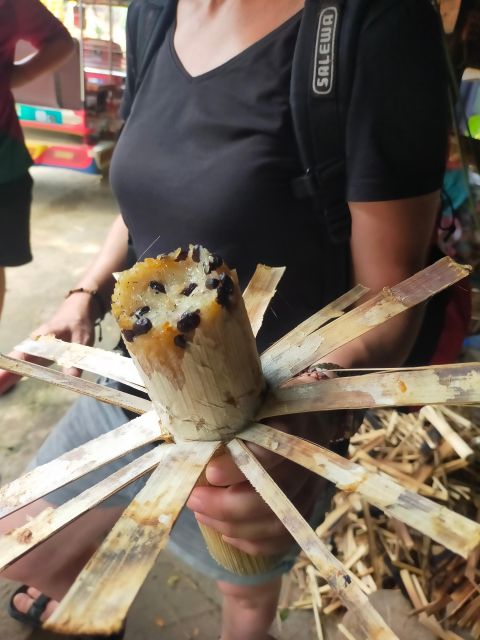
Next comes bamboo sticky rice, a sweet snack or dessert cooked inside bamboo. It is popular with locals and visitors, and the preparation gives you another example of how rice is used in everyday Cambodian food.
This is one of the more unusual tastings because the bamboo is part of the cooking method and the finished product. You watch the locals prepare it, then sample it while it is fresh. The tour does not treat the countryside as a backdrop. Instead, it takes you close to the people producing food for their own community and for sale.
The food stops are small family businesses, so you should keep your expectations realistic. They are working places, not polished demonstration kitchens. That is part of the appeal, but it also means conditions can be basic and the amount of explanation may depend on your guide and the family working that day.
Other history you should not skip in Battambang:
- Morning Tour,Ak Phnom temple,Rice wine,Rice Paper, killing Field
★ 5.0 · 22 reviews - The Killing Field and Toul Sleng Genocide Museum (S21) Tour
★ 5.0 · 1,977 reviews - Killing field and Toul Sleng genocide museum Tour
★ 5.0 · 610 reviews - Visit 11 Places in One Day including S21 & Killing Field
★ 5.0 · 361 reviews
Wat Samrong Knong and Cambodia’s difficult past
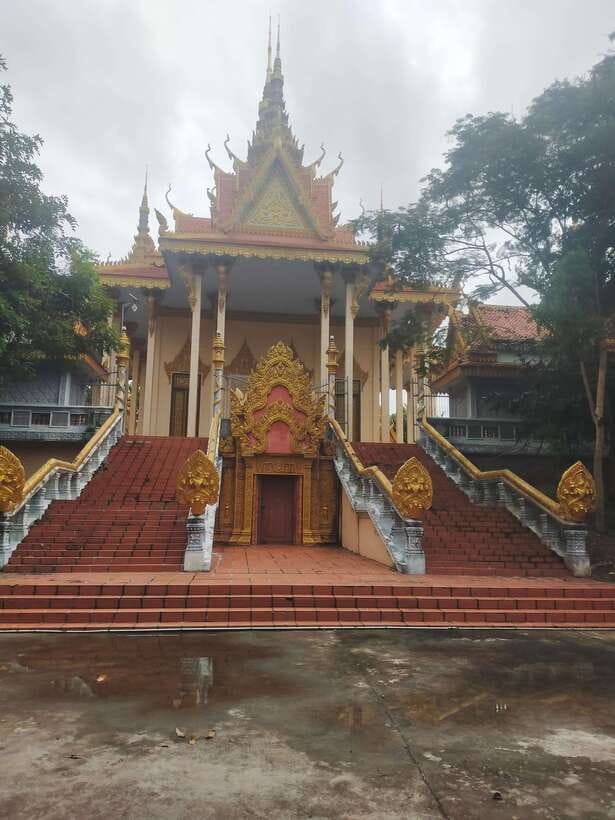
Wat Samrong Knong is one of the most important stops on the route. The Buddhist temple dates from 1707, and an older brick stupa from 1887 adds to the site’s historic character.
The pagoda also carries painful memories. During the Khmer Rouge period, it was used to house soldiers and as a detention area for victims. You see the torture house and the Killing Field, where approximately 10,008 people were killed.
This is not a light sightseeing stop. I would plan to slow down here and listen carefully to your guide. The visit gives context to Cambodia’s recent past in a place where that history happened, rather than reducing it to a paragraph in a museum display.
The order of the tour places this site between food workshops and later temple visits. Some people may find that shift abrupt. Still, it gives the morning a more honest shape. Cambodia’s culture includes food, faith, family work, and painful memories, and this outing does not separate those parts too neatly.
Dress respectfully. Sleeveless shirts are not allowed, and you should choose clothing that covers your shoulders. Comfortable shoes help because you will walk around the pagoda and other temple areas.
Rice paper and the work behind spring rolls
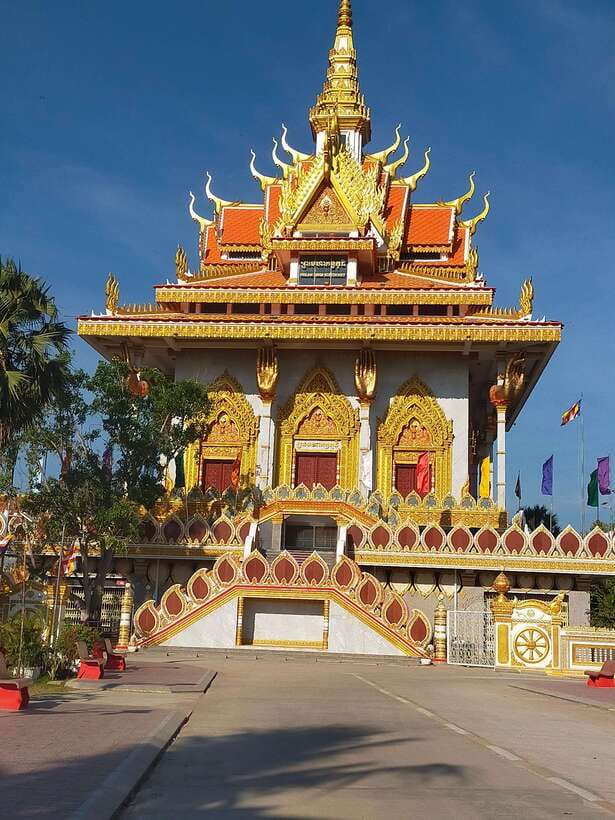
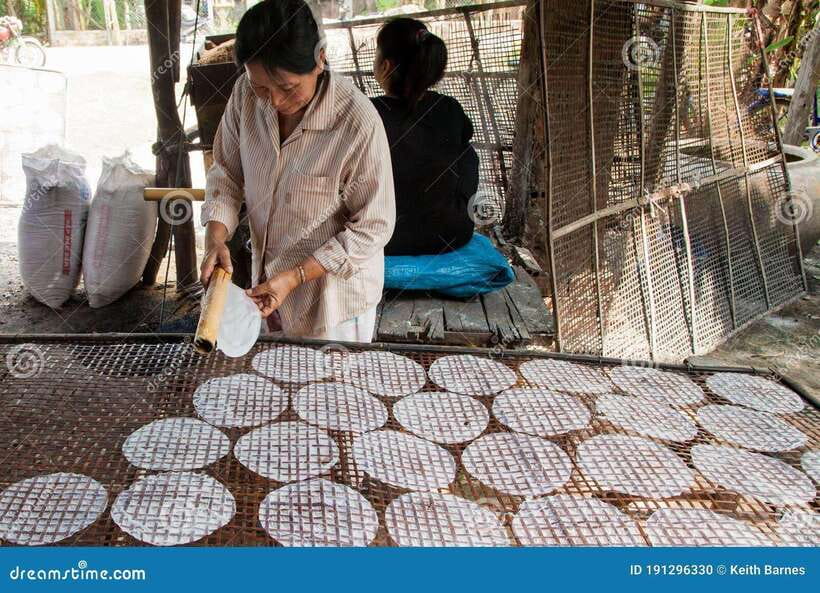
The rice paper workshop is one of the clearest examples of local production on this route. You watch rice paper being made and learn how it becomes the wrapper for spring rolls.
The scale of the work is striking. A villager can produce at least 1,500 sheets in one day. That figure helps you understand the patience and repetition behind a familiar dish. What looks simple on a plate may represent hours of steady handwork and a useful household income.
This stop also offers one of the best tastings. Fresh spring rolls are included among the snacks, and the experience gives you a better appreciation for the wrapper itself. One visitor singled out the taste of these spring rolls as a lasting memory, which makes sense: food eaten close to its source often has a freshness you do not get in a standard restaurant.
If you have limited time in Battambang, this is the kind of stop worth keeping. It combines craft, food, and a direct connection to village work without requiring a long detour.
Rice wine from a plant dating to the 1980s
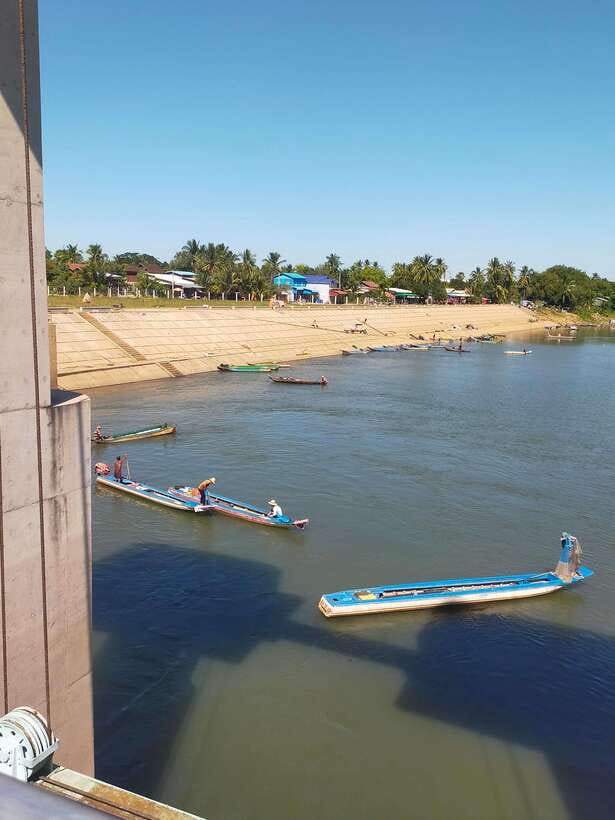
The rice wine visit moves from food into local drink production. The plant has been in use since the 1980s, and you learn how rice wine is made before sampling it.
Your guide also explains older uses for the drink. It has been used as medication and to soak plants, fruit, and even poisonous animals such as cobras and tarantulas. That information gives the stop a local, practical angle rather than presenting rice wine only as something to taste.
Go slowly with the sample. The tour includes tasting, but it does not turn the stop into a drinking session. The point is to understand how a rice-based product is made and used.
This visit may be less appealing if you do not drink alcohol, but you can still follow the production story. The wider tour does not depend on any single tasting, and the noodle, sticky rice, and rice paper stops provide plenty of nonalcoholic food interest.
Ek Phnom’s giant Buddha and ancient ruins
The final major stop is Ek Phnom, where a 25-meter-high Buddha is surrounded by standing Buddha figures. You then visit a Buddhist temple built in 1991 and see Buddha’s story painted on the interior walls.
The modern religious site is only part of the attraction. Nearby are the ruins of an 11th-century Hindu temple built under King Suryavarman I. This pairing gives you a quick lesson in Cambodia’s changing religious traditions, from Angkorian Hindu worship to modern Cambodian Buddhism.
I like the way this stop brings the morning back to architecture and belief after the food workshops and memorial site. You get a large, visually clear Buddha, a working Buddhist place of worship, and older temple ruins in one visit.
The description of the stop does not promise a long archaeological tour, so keep your expectations in line. This is a compact visit within a wider route. If you want a detailed study of Angkorian temple design, Angkor Wat or a specialist guide would offer more. If you want a broad introduction to Battambang’s religious sites, Ek Phnom fits well.
What the $20 price includes
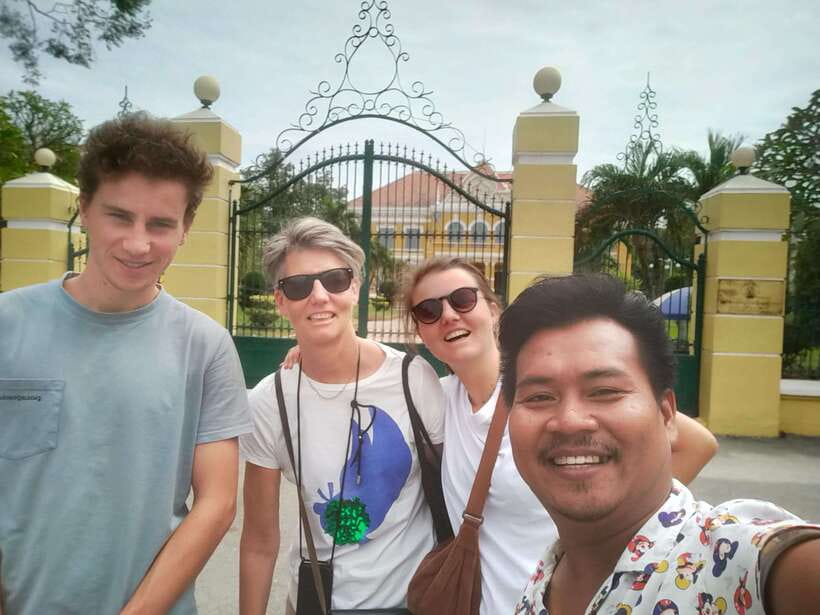
At $20 per person, this is strong value if you want several different parts of Battambang in one morning. The price includes hotel pickup and drop-off within the stated 5-kilometer area, an English-speaking guide, all admissions, donations, cold bottled water, wet wipes, photo opportunities, and snack tastings.
You are paying for more than a tuk-tuk ride. Transport connects a city tour, four production visits, a memorial site, and temple stops without arranging each piece yourself. Admissions and donations are also covered, so the advertised price is close to the real cost of the outing.
The value is best for solo visitors and couples who want a guided introduction to local life. One solo participant completed the tour with the guide, showing that the outing can run even with a very small party. A private-feeling experience is possible, though the exact group setup is not stated.
Lunch is not included. The tour returns you to Battambang for lunch or your hotel, so plan to eat afterward. Personal expenses are also separate.
Timing, clothing, and comfort
Five hours is enough to sample many sights, but not enough to linger everywhere. The early pickup helps with the heat, yet Cambodia can still feel hot and exposed once you leave the tuk-tuk. Bring sun protection and wear practical clothing.
The tour is not suitable for people with high blood pressure or people over 70. Baby strollers are not allowed. The open tuk-tuk format also means you should be comfortable with road dust, changing weather, and short walks at temple sites.
Wear a shirt with sleeves because sleeveless tops are prohibited. Modest clothing is the safer choice at Buddhist sites, and it also shows respect at Wat Samrong Knong, where the memorial setting calls for quiet attention.
Free cancellation is available up to 24 hours before the start for a full refund. You can also reserve and pay later, which helps if your Battambang plans are still changing.
Who should book this morning?
I would choose this tour if you want local food production, rural scenery, and major cultural sites in one efficient outing. It suits first-time visitors who want a clear introduction to Battambang without spending a full day on the road.
It is also a good fit if you like meeting the people behind everyday food. The strongest memories are likely to come from the small workshops: noodles being made, rice paper drying, sticky rice cooking in bamboo, and rice wine being produced for local use.
You should think twice if you dislike a tight schedule, cannot tolerate an open-air ride, or want a slow temple-focused morning. The Killing Field may also feel emotionally demanding, especially when placed among cheerful food tastings.
FAQ
What time does the tour start?
Pickup begins at approximately 7:20 AM. The five-hour activity returns you to Battambang for lunch or to your hotel.
Where can pickup and drop-off take place?
Pickup and drop-off are available at accommodations or restaurants within 5 kilometers of Battambang town.
What language does the guide speak?
The live guide speaks English.
Are food tastings included?
Yes. Tastings include items connected with the local workshops, such as rice noodles, bamboo sticky rice, rice paper products, spring rolls, and rice wine.
Is lunch included?
No. The tour returns you to the city for lunch or your hotel, but lunch and personal expenses are not included.
What clothing is required at the temples?
Sleeveless shirts are not allowed. Wear clothing with covered shoulders and suitable footwear for walking around temple and memorial areas.
Should you book it?
Book this tour if you want to see Battambang through the work of its villages, not only through its monuments. The combination of rice-based crafts, tuk-tuk roads, Wat Samrong Knong, and Ek Phnom gives you a useful picture of how food, faith, history, and agriculture meet here.
At $20, the inclusions make the outing good value. Just go prepared for an active morning, a few quick stops, an open-air ride, and a serious memorial visit. For many people, that mix is exactly what makes the tour worthwhile.
Just added in Battambang
- Bamboo Train, Banann Temple, Fruit Bat, Bat Cave, Sunset★ 4.2 · 3 reviews
- Afternoon tour to Original Bamboo train. Bat cave. Killing cave★ 5.0 · 25 reviews
- Private Taxi Transfer Battambang from/to Phnom Penh★ 5.0 · 7 reviews
- Private Boat from Battambang to Siem Reap via Tonle Sap Lake★ 4.5 · 3 reviews
- Private Taxi Transfer From Battambang – Siem Reap City★ 5.0 · 4 reviews
- Tuk Tuk Tour (Full-Day)★ 5.0 · 7 reviews
- Explore local livelihood & countryside (Half-Day Cycling Tour)★ 5.0 · 19 reviews
- Afternoon Tour BambooTrain & Bat Cave★ 5.0 · 57 reviews
Killing Fields & Genocide Museum Tours, compared.
Killing field and Toul Sleng genocide museum Tour
Read our review →
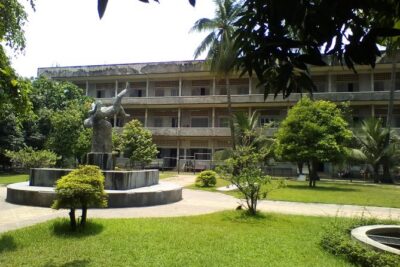
Private Half Day To Killing Field & S21 Genocidal Museum in Phnom Penh
Read our review →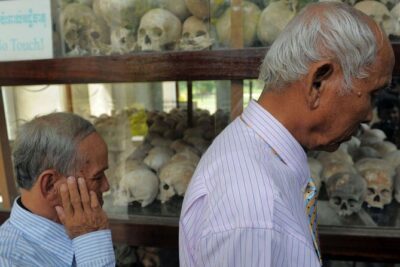
Tuol Sleng Genocide Museum (S-21) and Choeung Ek Killing Fields Tour
Read our review →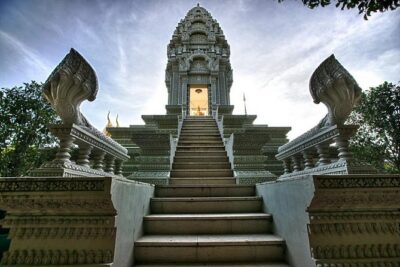
Phnom Penh City Tour, Silver Pagoda, Genocide Museum, Killing Fields
Read our review →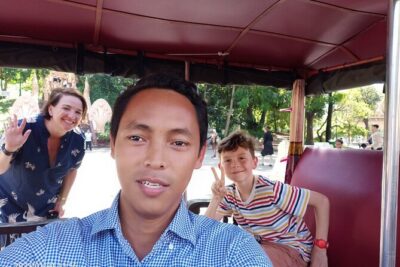
A Full Day Tour for Royal Palace, S21, Killing Fields & More
Read our review →
Full-Day Phnom Penh Sightseeing Tour & Killing Field
Read our review →
10 Stop Phnom Penh Tour by Tuk-Tuk, includes S21 & Killing Fields
Read our review →Browse the lists this tour appears in