
Reviewed · SILK FARM & ARTISAN WORKSHOPS
Angkor Silk Farm & Lotus Silk Farm: Siem Reap Discovery Tour
Cambodia’s textile story takes an unexpected turn here: it begins with silkworms and mulberry trees, then shifts to lotus stems, hand-pulled fibers, and a newer form of ethical production. You see both methods in one morning rather than treating silk as just another souvenir on a market shelf.
I like the clear contrast between the two farms, and I like that your spending can support local women and artisan businesses. The guides at both stops are praised for explaining the work carefully, while drivers such as Vanny have been noted for being patient and dependable. The main drawback is the ride between farms, which can feel long and hot, especially if your vehicle is shared.
Key points
- Two very different textile traditions: See silkworm cultivation and traditional weaving at Angkor Silk Farm, then lotus fiber extraction at Samatoa Lotus Farm.
- A useful four-hour format: The tour fits neatly into a morning, with departures at 8:30 AM and 10 AM.
- Good demonstrations, limited hands-on work: You can watch the production methods, but standard activities do not include weaving workshops or private demonstrations.
- A thoughtful social purpose: Both enterprises support local skills, artisan work, and employment for women.
- Tea and countryside travel included: Expect lotus tea and biscuits, air-conditioned transport, and rural views between the farms.
- Bring cash for the boutiques: The handmade products are not included, and their prices reflect the amount of labor involved.
Why Cambodian silk is only half the story
Many Siem Reap craft visits focus on silk alone. This one adds a second material that most people have never seen made into cloth. At Angkor Silk Farm, you follow a familiar but still remarkable chain: mulberry cultivation, silkworms, cocoons, thread, and weaving.
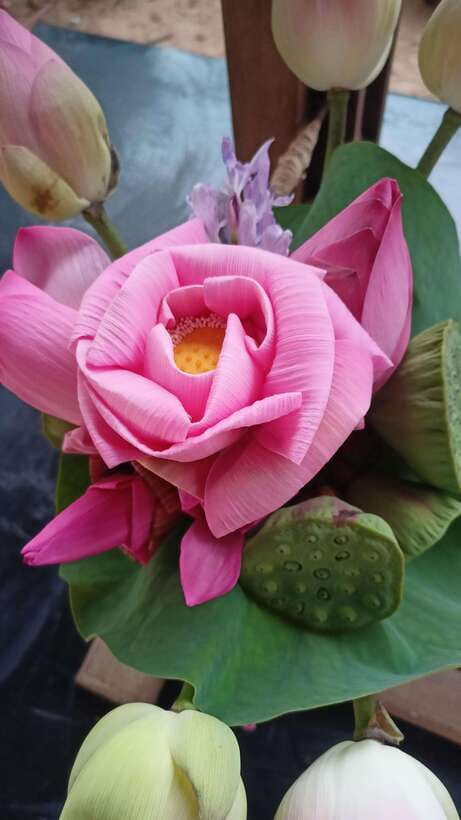
At Samatoa Lotus Farm, the raw material is far less obvious. Artisans draw fine fibers from lotus stems, then twist and prepare them by hand. The work is slow, which helps explain why lotus textiles cost far more than ordinary factory cloth.
I find this comparison useful because it gives you more than a display of finished scarves. You see how Cambodian craft has kept its older methods while also testing new ways to use local plants and create paid work.
The tour costs $25 per person and lasts about four hours, including transport. For that price, you receive visits to both farms, English or French guiding, demonstrations, transport from the downtown meeting point, and lotus tea with biscuits. It is fair value if you are curious about how things are made and do not mind spending part of the morning in a vehicle.
More craft workshops around Siem Reap:
- Siem Reap: Cambodian Pottery Class
★ 4.9 · 339 reviews - Siem Reap Lotus Silk Farm Discovery tour & Lake experience
★ 4.7 · 291 reviews - Cambodian Pottery Class in Siem Reap
★ 4.5 · 157 reviews
Starting at Biolab Café in downtown Siem Reap
Your morning begins at Biolab Café, a garden café with seating, restrooms, WiFi, coffee, and drinks. Look for the lotus-colored flag marked PICKUP – Lotus Silk Farm and the grey vehicle outside. Arrive about 10 minutes before departure so the driver can leave on time.
The available morning departures are 8:30 AM and 10 AM. This is useful if you are fitting the visit around temple touring, though the earlier start gives you more breathing room later in the day.
Hotel pickup is not included. You need to reach Biolab Café yourself, so allow time to find the meeting point in downtown Siem Reap. The tour may be shared with other people, even though the transport is described as a private car in the included services. Vehicles have varied in practice, with some departures using a tuk tuk, so confirm the transport arrangement if air conditioning matters to you.
Angkor Silk Farm: from mulberry leaves to wooden looms
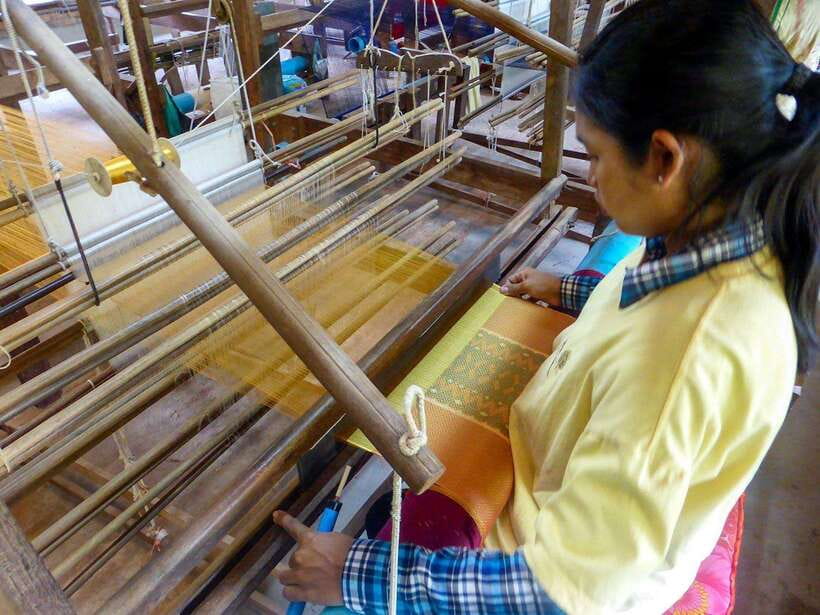
The first farm visit lasts about 45 minutes. It covers the complete silk process, beginning with mulberry cultivation and the silkworm life cycle. You see the insects at different stages, including the cocoon stage, and learn how the raw material becomes thread.
This part is especially good for anyone who likes practical explanations. The process is easy to admire in a finished scarf, but much harder to appreciate until you see the repeated work behind it. A single piece of fabric represents careful tending, sorting, unwinding, twisting, and weaving.
The guides explain how cocoons are handled and how delicate strands are prepared for the loom. The demonstrations are live, not simply a collection of signs or finished objects. You can also take photographs at the farm.
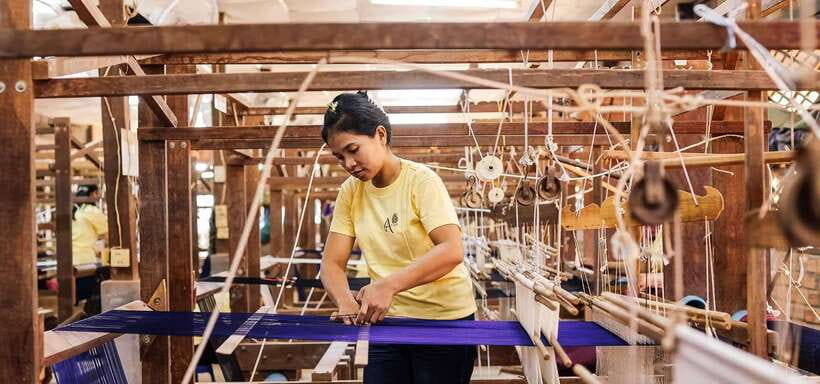
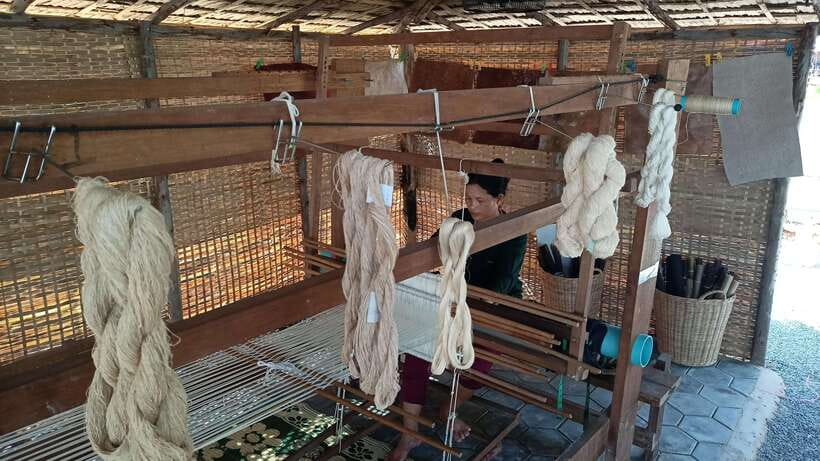
The traditional wooden looms are the visual highlight. Skilled weavers show how patterns are formed by hand, using methods passed through Khmer families and workshops. You are watching a working craft rather than a staged cultural performance, although the visit remains organized for short tour groups.
The schedule allows 45 minutes for the guided visit, so expect an introduction rather than a full apprenticeship. You will not become a weaver in one morning. Standard admission does not include a silk weaving workshop, hands-on craft session, costume photographs, or a private demonstration.
The first boutique and the real cost of handmade silk
After the guided visit, you have about 15 minutes to browse the Angkor Silk Farm boutique. This is not just an exit corridor with a few trinkets. It is your chance to look closely at the finished textiles after seeing the labor that produced them.
Bring cash if you may want to buy something, and remember that purchases are extra. USD is accepted. The price of a handmade item can seem high next to a mass-produced scarf, but the tour helps you understand what that difference pays for: skilled labor, slow production, local materials, and preservation of older techniques.
You do not need to buy anything to enjoy the visit. Still, shopping here has a direct connection to the farms and artisan communities, which makes it more meaningful than buying an anonymous textile at a large souvenir market.
Same base, a different kind of day out:
- Angkor Wat Sunrise or Sunset Tour with Guide from Siem Reap
★ 5.0 · 12,109 reviews - Siem Reap: Angkor Wat: Small-Group Sunrise or Sunset Tour
★ 5.0 · 9,444 reviews - From Siem Reap: Kampong Phluk Floating Village Tour by Boat
★ 4.9 · 6,979 reviews - Sunset tour of Kampong Phluk stilts home village on the Tonle Sap
★ 5.0 · 4,865 reviews
The countryside ride between the two farms
The vehicle then takes you through rural Siem Reap Province toward the lotus farm. This is a chance to see a quieter side of Cambodia, with countryside views beyond the temple zone and downtown streets.
The ride is also the least reliable part of the morning. One route can feel pleasant and scenic, while another may seem long after the first few minutes. A hot day makes the difference more noticeable, particularly if you are in an open tuk tuk or sharing transport with other people.
I would not book this tour mainly for the drive. Book it for the two farm visits, and treat the countryside as a useful link between them. Wear light clothing, bring sun protection, and carry water even though the farm itself provides tea and biscuits.
Drivers have earned strong praise for punctuality and care. Vanny, in particular, has been described as patient and friendly. That matters on a route with two separate stops, since a calm driver makes the transfer feel much easier.
Samatoa Lotus Farm and the craft of pulling fiber
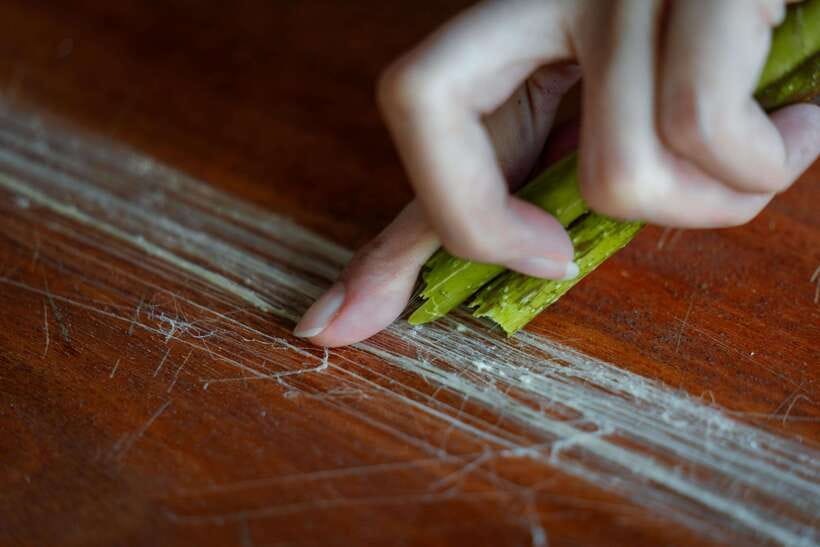
The Lotus Farm visit lasts about 30 minutes, followed by 15 minutes for tea. Here, the material is lotus fiber, taken from the stems of lotus plants and drawn into fine strands.
The demonstration makes clear why lotus cloth is expensive. The fiber extraction is manual and precise. It is not a quick industrial process, and the strands must be handled with care before they can be twisted and woven.
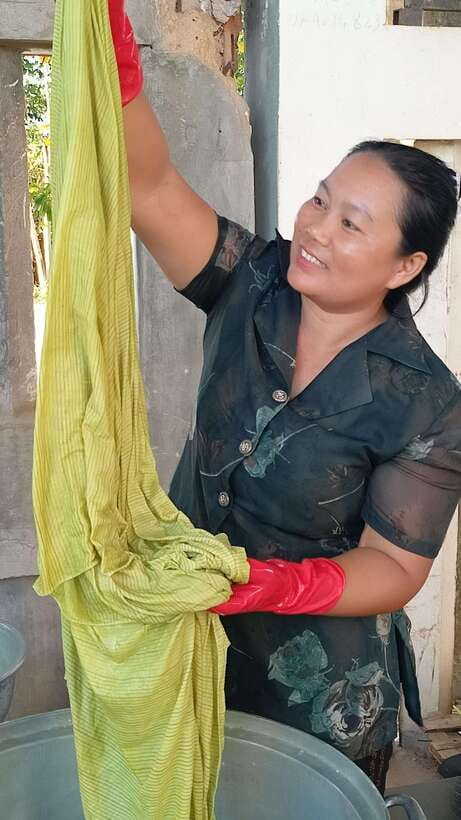
The farm also connects the product to local women’s employment. That social purpose is part of the visit, not just a marketing detail. You see an enterprise trying to keep production local while offering a newer income path through handwork.
The explanation at this stop may appeal most to you if you have never heard of lotus textiles. Several aspects of the work are surprisingly physical and exact, and the process is easier to remember because you see the material being pulled from the plant itself.
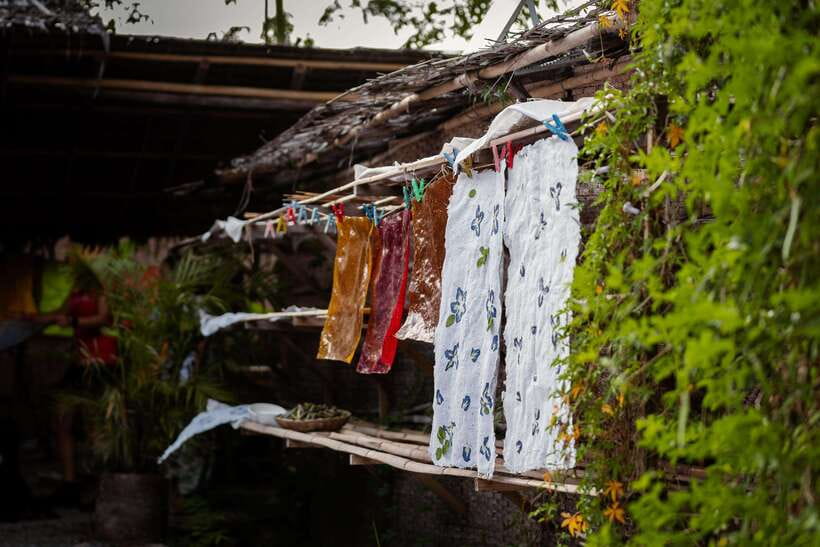
Some departures have included optional craft activities such as making a lotus seed bracelet, trying to form silk strands, or creating a sheet of paper. These are not part of the stated $25 package and may cost extra, so ask before agreeing to them.
Lotus tea, biscuits, and a pause in the garden
After the demonstration, you sit down for complimentary lotus tea and biscuits. It is a small addition, but a welcome one after the farm visits and the ride.
Do not assume lunch is included. The standard package lists tea and biscuits only, with no meal or extra drinks. Some arrangements have included a lotus-based lunch, and pre-booked lunch has received praise, but you should confirm that separately rather than count on it.
The tea stop also gives you time to look around without being hurried from one explanation to the next. The farm has restrooms and WiFi, which can be handy if you are coordinating the rest of your day.
The second boutique: buying with a clearer picture
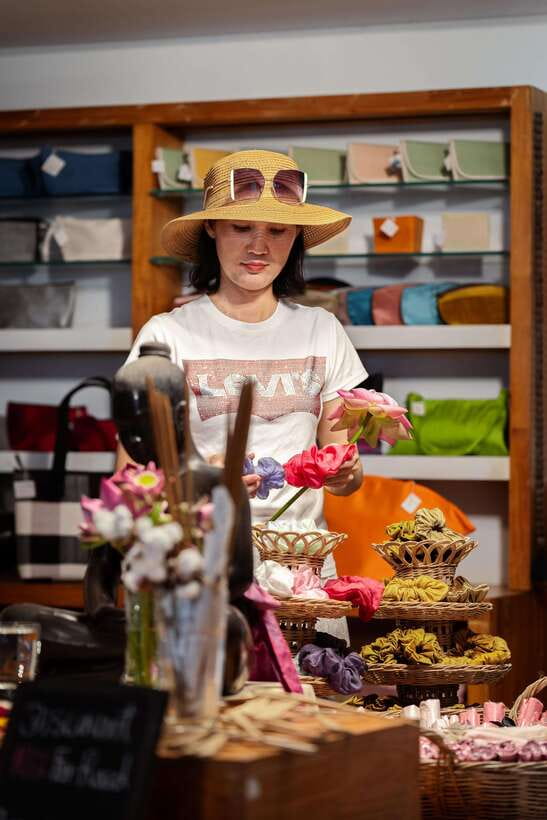
The Lotus Farm boutique follows the tea stop and allows about 15 minutes for shopping. You will find handmade products connected to the work you have just seen, including lotus-based textiles and other craft items.
This is where the tour’s educational side helps. Before the visit, a high price for a small textile may be hard to understand. After watching the fiber being drawn and learning how much handwork is involved, the cost makes more sense.
I would set a budget before you arrive. The products may be tempting, and the tour gives you access to two separate shops. You can support the enterprises without buying from both, but a little cash gives you flexibility.
Guides, group style, and what you actually do
The tour operates in English and French. The farm staff lead the detailed demonstrations, while your tour guide handles the route and explanations. The strongest guiding is practical and clear, especially when the guide explains how raw materials move from one stage to the next.
The tone is relaxed rather than academic. You can ask questions, take photos, and watch artisans at work, but the visit follows a set schedule. If you want a private lesson or long one-to-one instruction, this is not the right format.
You should also note the difference between watching and making. The standard tour includes demonstrations of silk production, lotus fiber extraction, silkworm development, and weaving. It does not include a full weaving lesson or guaranteed hands-on craft work.
Children are welcome when accompanied by an adult. The tour is suitable for all fitness levels, although you should expect walking around farm areas and time in the sun. Comfortable shoes, a hat, sunscreen, and light clothing will make the morning easier.
Is $25 good value for this Siem Reap morning?
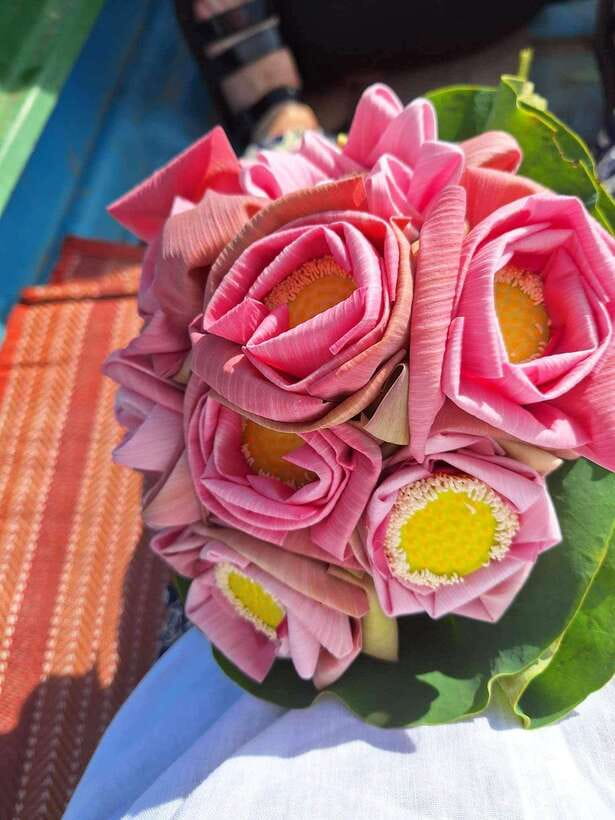
At $25, the tour offers a lot if you value explanation and access to working craft sites. You get four hours of organized transport, two guided visits, demonstrations, tea, and time in both boutiques. Comparable independent visits would require arranging transport and finding the farms yourself.
The value is less convincing if you want a full craft workshop, a meal, or a private tour. Those extras are either excluded or may cost more. The long transfer can also reduce the sense of value on a particularly hot day.
I see the price as reasonable for a first introduction to Cambodian textiles. You are paying not only for the vehicle but also for access to two working social enterprises and the time of people who explain specialized handwork.
Who should book this textile tour?
I would recommend it to you if you like seeing how ordinary objects are made, enjoy cultural visits beyond temples, or want souvenirs with a clear connection to local production. It is also a good choice if you are comparing ethical shopping options in Siem Reap.
The tour suits families, older travelers, and people who prefer a gentle morning with transport arranged. The walking is manageable, and the main work is watching demonstrations and listening to explanations.
You might skip it if your schedule is tight, you dislike vehicle transfers, or you want an active workshop. The tour reveals the process, but it does not promise that you will leave with a textile you made yourself.
Practical details before you reserve
Cancellation is free up to 24 hours before departure, and you can reserve now and pay later. Last-minute bookings are accepted when space remains.
The tour runs in all weather, so check the forecast and dress for heat. Photography is allowed at both farms. Children need an accompanying adult, and both sites have restrooms.
Keep some cash for the boutiques, but do not feel pressured to shop. The most useful preparation is simple: arrive early, wear comfortable shoes, use sun protection, and bring a camera.
Should you book the Angkor and Lotus Silk Farm tour?
Book it if you want a clear, side-by-side look at old and new Cambodian textile work. The silk farm gives you the full silkworm-to-loom story, while the lotus farm shows a less familiar material and a newer approach to employment and sustainability.
The main caution is the transfer between farms. If heat and long drives bother you, ask about the vehicle before booking. For everyone else, this is a well-organized way to spend four hours, with enough substance to make the souvenirs, techniques, and local work easier to understand.
FAQ
How long does the Angkor Silk Farm and Lotus Silk Farm tour last?
The tour lasts four hours in total, including transport between the meeting point and both farms.
Where does the tour start?
The meeting point is Biolab Café in downtown Siem Reap. Look for the lotus-colored pickup flag and the grey vehicle outside.
What departure times are available?
Morning departures are scheduled for 8:30 AM and 10 AM. You should arrive 10 minutes before your selected departure.
Is hotel pickup included?
No. Hotel pickup and drop-off are not included. You need to reach Biolab Café for both departure and return.
Which languages are available?
The tour is conducted in English and French.
What will I see at Angkor Silk Farm?
You will see mulberry cultivation, the silkworm life cycle, cocoons, silk thread production, and weaving demonstrations on traditional wooden looms.
What happens at Lotus Silk Farm?
You will watch artisans extract fiber from lotus stems, learn about the production process, receive lotus tea and biscuits, and have time to browse the farm boutique.
Are craft workshops included?
No. Standard admission includes demonstrations, but silk weaving workshops, hands-on craft activities, private demonstrations, and costume photography are not included.
Is lunch included?
No. The stated package includes lotus tea and biscuits but not lunch or additional drinks. Some lunch arrangements may be available separately, so confirm before booking.
Can I buy products at the farms?
Yes. Both farms have boutiques. Purchases, souvenirs, and additional personal expenses are not included in the $25 tour price.
Just added in Siem Reap
- 1-Day Angkor Wat Private Tour with Spanish Tour Guide.★ 5.0 · 9 reviews
- Angkor Wat: Small-Group Tour with Balloon Ride and Lunch★ 4.6 · 13 reviews
- Sky Venture Microlight Siem Reap★ 4.9 · 18 reviews
- Angkor Wat plus Balloon Ride with Khmer Lunch★ 5.0 · 46 reviews
- Angkor Wat Private Tour in a Tuk Tuk★ 5.0 · 69 reviews
- Siem Reap: 3-Hour Ancient Trails Motorbike Tour★ 4.8 · 71 reviews
- Angkor Wat Sunrise Tour By E-Bike Experience With Breakfast Included★ 5.0 · 76 reviews
- Siem Reap: 1-Hour Cambodian Buddhist Water Blessing★ 4.9 · 68 reviews
Silk Farm & Artisan Workshops, compared.

Phnom Penh Silk Island Bike Tour/ E-Bike or Tuk Tuk
Read our review →
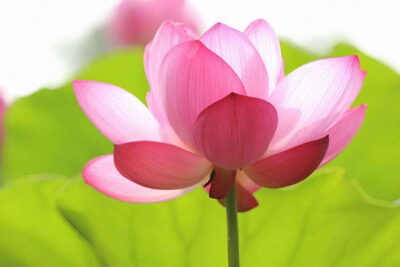
Siem Reap Lotus Silk Farm Discovery tour & Lake experience
Read our review →
Silk Island Cycling Adventure & lunch with locals
Read our review →
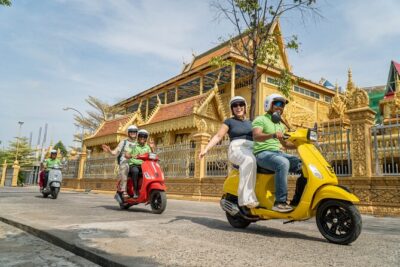
Phnom Penh Silk Island Vespa Tour / Tuk Tuk Available
Read our review →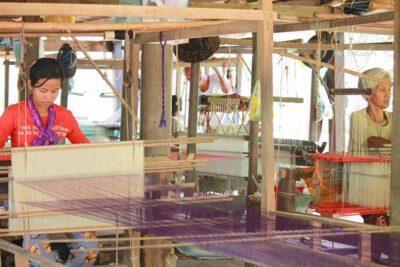
Mekong Silk Island Cruise – Unlimited Beer, Soft Drinks & Fresh Fruit Platter
Read our review →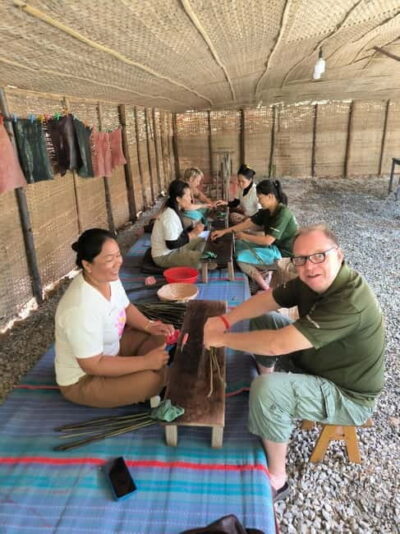
Browse the lists this tour appears in