
Reviewed · SILK FARM & ARTISAN WORKSHOPS
Half Day Trip: Silk Farm, Satcha, and Senteur d’Angkor Tour
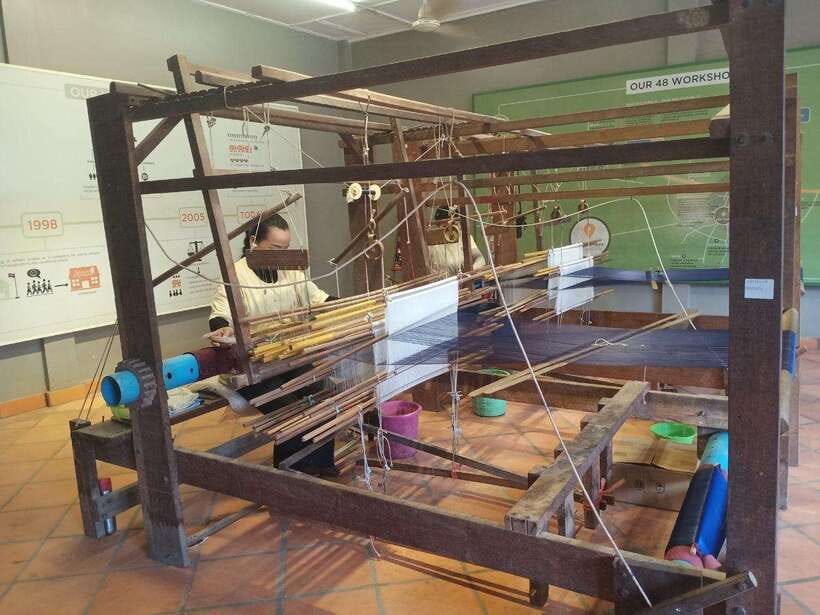
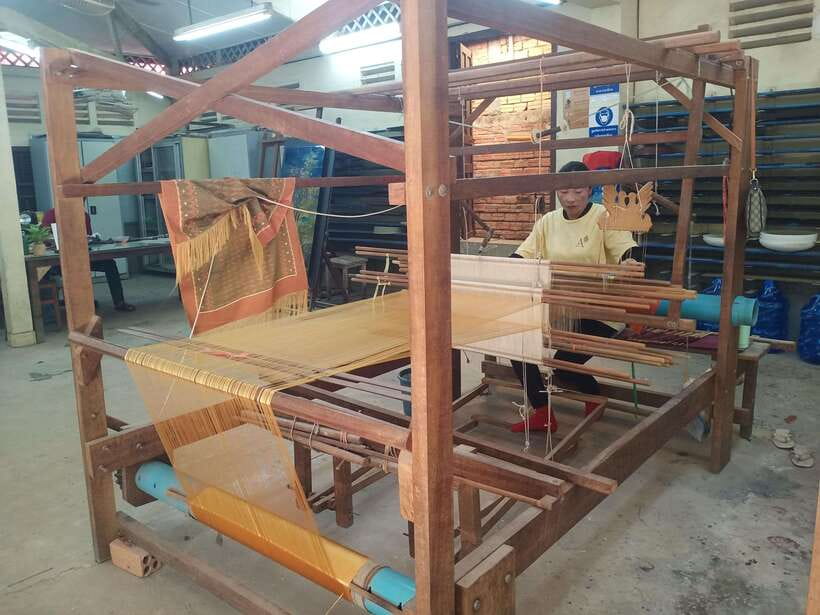
The most interesting part of this half-day outing is seeing silk move from mulberry tree to finished fabric. At Angkor Silk Farm, you follow the silkworm life cycle, watch the weaving process, and see how traditional Cambodian silk is produced by hand. It gives you a useful look at the work behind a scarf or bolt of cloth sold in town.
I like the mix of four very different craft stops, and I like the private tuk-tuk format. Satcha gives you six workshops and modern designs based on Khmer ornaments, while the Silk Farm offers the clearest look at an old production method. The main consideration is that this is a shopping and craft tour, not a major sightseeing trip. If your time in Siem Reap is tight, you may prefer temples or countryside instead.
Key points to know before booking
- Silk is the main highlight: See mulberry trees, silkworms, silk production, and traditional weaving at Angkor Silk Farm.
- Satcha packs in six workshops: The center uses Cambodian bamboo from Kampong Cham and pairs traditional methods with contemporary design.
- Four stops fit into four hours: Each main visit lasts about 50 minutes, with short tuk-tuk transfers between them.
- The price works best for two people: At $25 per private group of up to two, the cost is strong value before personal shopping expenses.
- An English-speaking driver handles the outing: Hotel pickup and drop-off in Krong Siem Reap are included.
- The tour has a practical focus: Wear comfortable walking shoes and bring a camera, since every stop includes walking, viewing, and craft displays.
A useful introduction to Cambodian craft
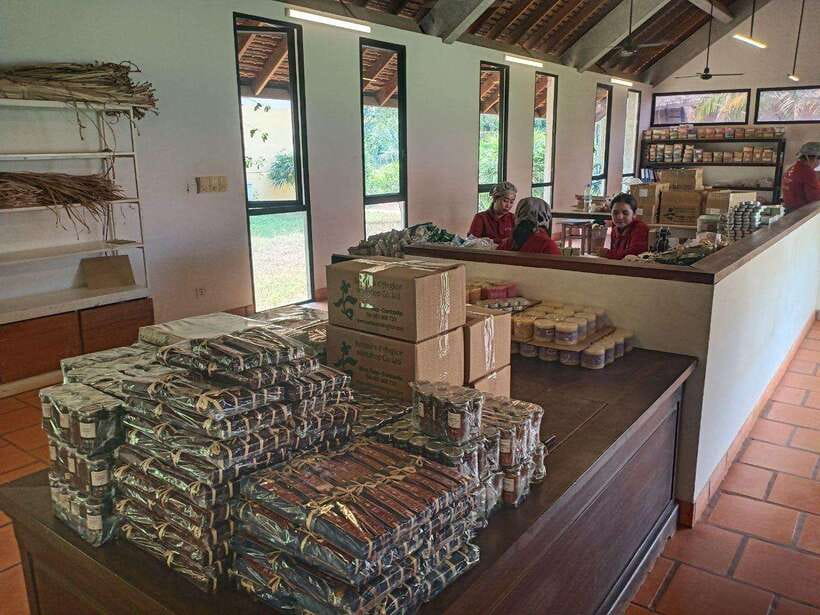
This tour gives you a look at the making of local goods rather than only the finished products. You move through silk, bamboo, scented items, and other handicrafts, with each stop showing a different part of Cambodian craft work.
I find that approach more useful than a quick market visit. In a market, you can admire a scarf or carved object, but you may not know how it was made. Here, you see the materials and working methods first, then get time to browse and buy.
The experience is also easy to fit into a Siem Reap schedule. It lasts four hours, begins with hotel pickup in Krong Siem Reap, and returns you to your hotel. The tour runs as a private group, so you are not tied to strangers or a large coach schedule.
The listed price is $25 for a group of up to two people. That is a good deal if you are traveling as a couple or with one companion. It includes transport and entry visits, but not food or personal purchases. Keep that last point in mind. These are working craft centers with products for sale, so it is sensible to set a separate shopping budget.
More craft workshops around Siem Reap:
- Siem Reap: Cambodian Pottery Class
★ 4.9 · 339 reviews - Siem Reap Lotus Silk Farm Discovery tour & Lake experience
★ 4.7 · 291 reviews - Cambodian Pottery Class in Siem Reap
★ 4.5 · 157 reviews
Starting at Angkor Silk Farm
The Silk Farm is the strongest stop for anyone who wants to understand how silk is made. The visit lasts about 50 minutes, giving you enough time for a guided walk through the process without turning the morning into a technical lecture.
You begin with mulberry trees, which provide food for the silkworms. From there, the visit follows the insects through their life cycle before showing how silk becomes thread and then fabric. The order matters because it connects the finished material with the living process behind it.
The weaving stage is the part I would pay close attention to. Silk can look delicate and simple once it reaches a shop, but the farm shows the labor and skill needed to create it. You can watch the traditional process, ask questions through the English-speaking driver, and then browse finished goods at the craft market area.
One strong feature here is the link between agriculture and handwork. You are not simply looking at a display case. You see where the raw material begins, how it is handled, and how it becomes a useful object.
The stop includes walking, sightseeing, a guided visit, shopping, and a workshop-style presentation. Comfortable shoes will help, especially if you prefer to take your time around the farm.
A verified booking review described the Silk Farm visit as a full journey from the silkworm’s life cycle to finished silk materials, with a particularly kind and welcoming atmosphere. That matches what this stop is designed to offer: a clear, hands-on look at traditional production.
Satcha’s six workshops and bamboo design
After the Silk Farm, a tuk-tuk transfer of about 15 minutes takes you to Satcha Handicraft Center. You have roughly 50 minutes here for a guided visit, shopping, photographs, and workshop viewing.
Satcha is different from the farm because its focus is broader. The center contains six workshops, all built with Cambodian bamboo from Kampong Cham. The building material itself adds interest before you even begin looking at the products.
The work combines traditional Khmer know-how with contemporary design. Khmer ornaments provide inspiration, but the results are intended for modern use and display. That makes Satcha a good stop if you like crafts that connect older patterns with newer forms.
You should not expect six long demonstrations in 50 minutes. The schedule is fairly compact, so your guide will likely keep the visit moving. Still, the short format lets you compare several kinds of work in one place.
For me, the value of Satcha is the chance to see how design choices change the meaning of a traditional craft. Bamboo is not just a raw material here, and Khmer decoration is not treated as a museum piece. The center presents both as active parts of current Cambodian creative work.
There is also a practical shopping angle. If you want a gift that feels more connected to Cambodian design than a generic souvenir, this is one of the better places to browse. Personal expenses are not included, so you can look without buying, or choose something that fits your budget.
Senteurs d’Angkor and locally made products
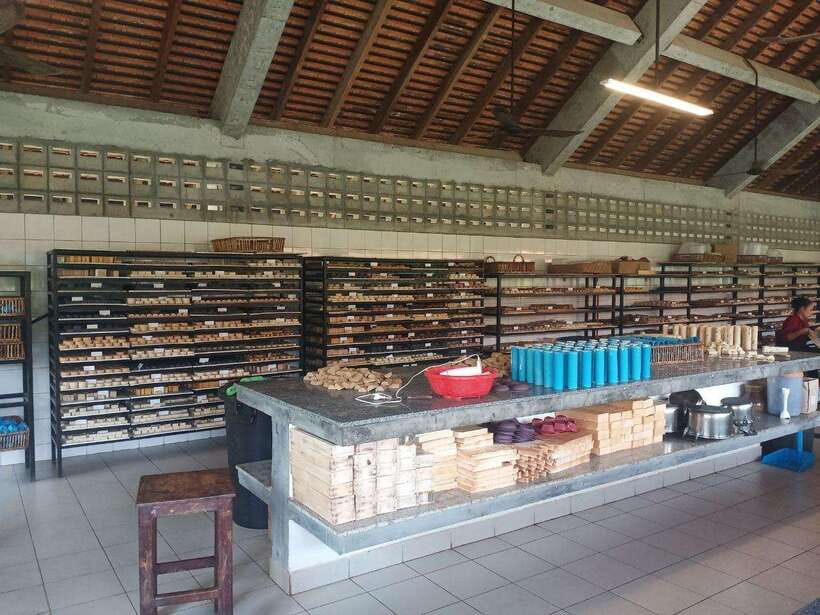
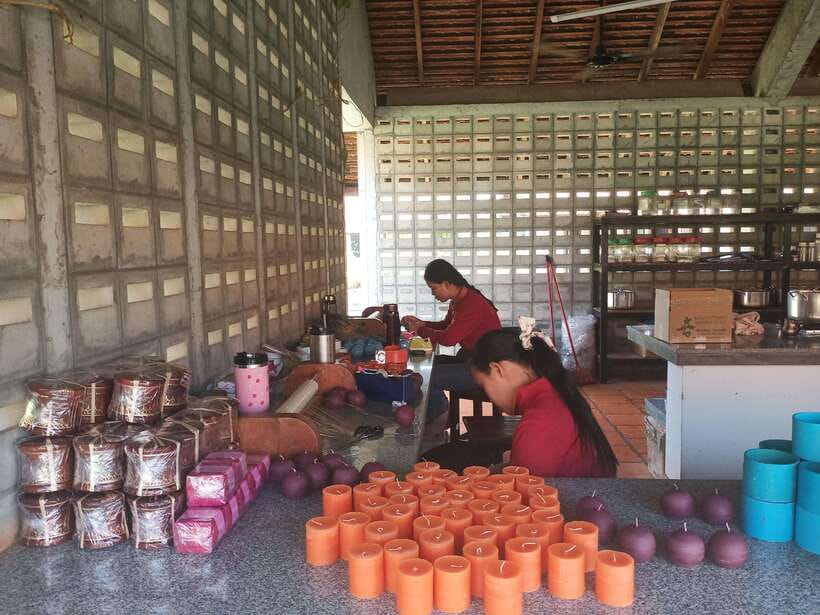
The next tuk-tuk ride takes about 15 minutes before you continue to Senteurs d’Angkor. The visit lasts around 50 minutes and includes a guided walk, photographs, shopping, and a workshop-style look at local products.
Senteurs d’Angkor focuses on sustainable Cambodian treasures and artisanal goods. The supplied information does not list each product or explain every production stage, so I would approach this stop as a chance to see and discuss a range of locally made items rather than expect one single detailed demonstration.
That uncertainty is worth noting. The Silk Farm has a very clear story, from mulberry trees to silk. Senteurs d’Angkor is more likely to appeal to you if you enjoy browsing several products and learning how local materials are turned into useful or decorative goods.
The stop also adds variety to the tour. Four hours devoted only to weaving could feel repetitive. Moving from silk to bamboo and then to other Cambodian products keeps the experience lighter and gives you more choice if you are shopping for gifts.
You will have time for photos and a guided visit, but the schedule remains fixed. If a particular product catches your eye, ask about it early rather than waiting until the end. The tour continues after this stop, and the final workshop still needs its full share of time.
A few more things to do in Siem Reap worth a look
- 1-Day Amazing Angkor Wat Tour with Sunset & All Interesting Major Temples
★ 5.0 · 308 reviews - Angkor Wat one Day Private Tour for All Highlight Angkor Temples
★ 5.0 · 199 reviews - 1-Day private Angkor Temple Tour from Siem Reap
★ 4.9 · 178 reviews - 1-Day Angkor Wat Sunrise & All Interesting Temples Private Tour
★ 5.0 · 174 reviews
Artisan d’Angkor and the final craft stop
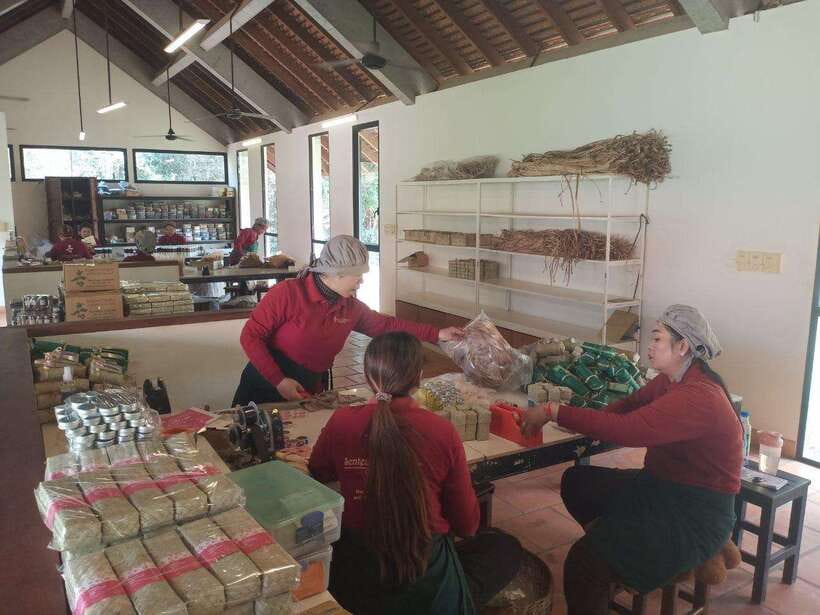
The last main visit is Artisan d’Angkor, reached after a shorter tuk-tuk ride of about five minutes. You have about 50 minutes here for a guided walk, sightseeing, photographs, workshop viewing, and shopping before returning to your hotel.
This stop completes the tour’s focus on local handicrafts. You see how Cambodian products are made and get another chance to connect the finished item with the people and methods behind it.
Because this is the final stop, it works well as a last look at the range of craft traditions covered during the morning. You have already seen silk production, bamboo-based design, and other locally made goods. Artisan d’Angkor gives you a final setting in which to compare styles, workmanship, and products.
The supplied details describe it as a place where local handicrafts are made. They do not specify a single featured craft or a named workshop process, so I would not book this tour expecting a detailed, specialist visit to one production line. Think of it as a broad introduction to Cambodian handicraft work.
You then return to your hotel in Krong Siem Reap. The final tuk-tuk ride is short, which helps keep the total outing close to four hours.
How the tuk-tuk schedule affects the day
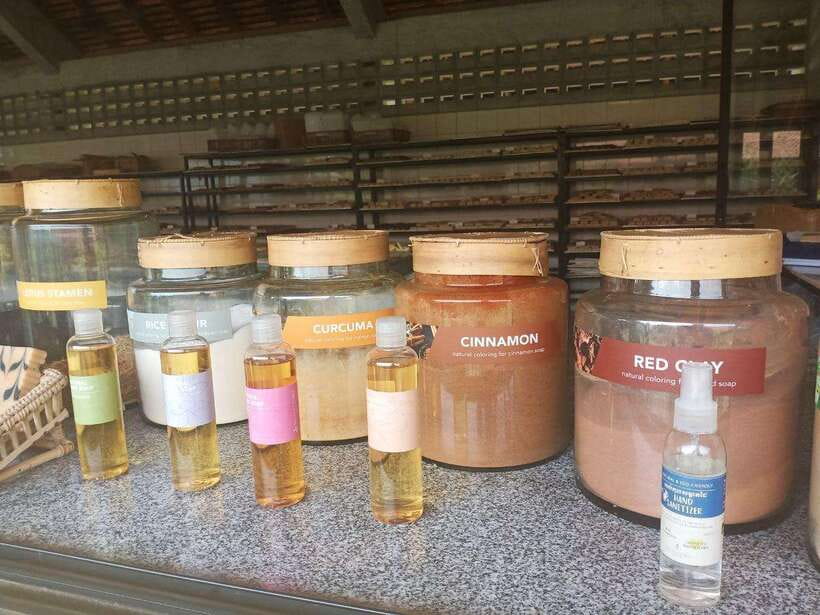
The transport is part of the character of the experience. You travel between the centers by tuk-tuk, with rides of about 15 minutes, 15 minutes, 15 minutes, and five minutes. These short transfers break up the visits and keep you close to Siem Reap rather than sending you on a long road trip.
A tuk-tuk also suits a craft tour better than a large bus. You get a more personal private-group arrangement and avoid spending extra time loading and unloading a full coach. The English-speaking driver is part of the included service, although the information does not provide a guide’s name or promise a separate specialist guide at every site.
The schedule is neat but not loose. Each major stop takes about 50 minutes, and the transfers account for the remaining time. You can see all four places in one half-day, but you should not expect long independent shopping sessions or extended conversations at every workshop.
A separate entrance is available to help you skip the line. That may save useful time on a compact tour, especially if several groups arrive together.
Who will get the most from this tour
I would recommend this outing to you if you want a cultural activity that is easy to arrange around temple visits. It gives you local craft context without taking a full day, and the private format is helpful if you prefer to move at your own pace within a set schedule.
It suits people who enjoy:
- Handmade goods and traditional production
- Cambodian design and local materials
- Short guided visits with time to browse
- Shopping for gifts with a clearer connection to the making process
- Private transport rather than a large group
- A half-day activity away from temple ruins
Families may also find the variety useful, since the tour changes location and subject several times. Children who enjoy seeing how objects are made may get more from the Silk Farm and workshops than from another indoor display.
I would be more cautious if you dislike shopping stops or prefer long, detailed tours devoted to one subject. The 50-minute visits are enough for an introduction, but not enough for a full course in silk weaving, bamboo construction, or Cambodian design.
The rating supplied for the experience is 4.7 from 10 reviews, with several strong scores. The most praised point is the quality of the Silk Farm visit and the chance to see local artists producing high-quality goods. One French booking gave the tour three stars and treated it as pleasant but not essential. That is a fair way to frame the experience: interesting and worthwhile when you have the time, but not a replacement for Angkor Wat or Siem Reap’s major sights.
Value at $25 for a private group
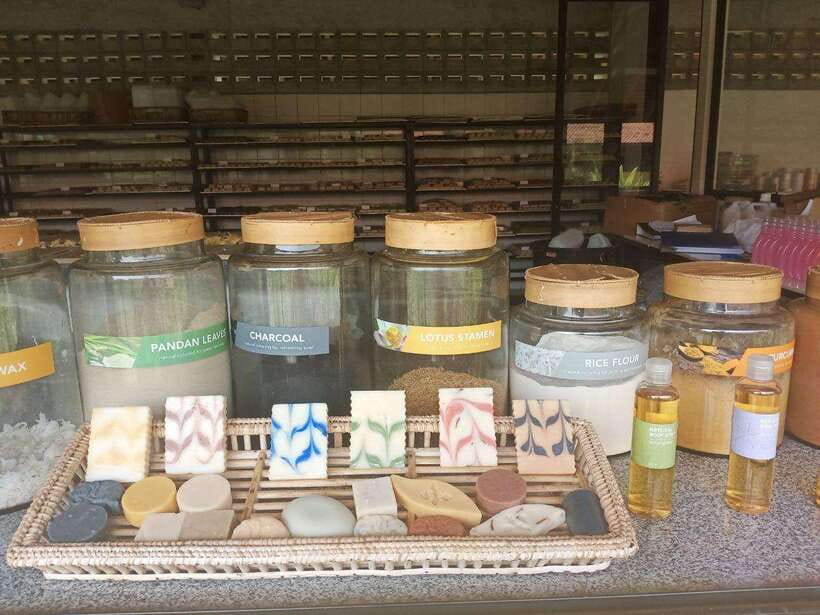
At $25 per group of up to two, the arithmetic is favorable. Two people can share the full cost, making it $12.50 each before shopping. The fee includes hotel pickup, hotel drop-off, tuk-tuk transport between stops, and visits to all four craft centers.
That is strong value for a four-hour private outing. You are paying for access, transport, and a planned route rather than only a single workshop.
The value changes if you are traveling alone, since the full group price still applies. It is still convenient, but the per-person cost is higher than it is for two.
You should also remember that meals and personal expenses are not included. No meal is listed in the schedule, so eat before departure or plan food afterward. Shopping is optional, but the tour is built around craft centers, and you may want money for items that interest you.
The reserve-now, pay-later option can help if you are still arranging your Siem Reap days. Free cancellation is available up to 24 hours in advance for a full refund, according to the stated conditions.
Practical advice for a smoother visit
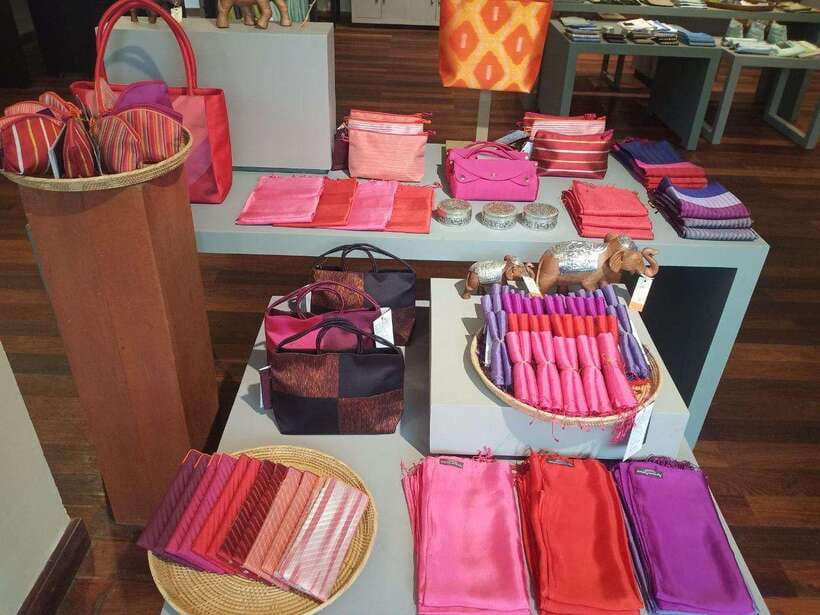
Wear comfortable walking shoes. Every main stop includes walking, and the tour moves through several workshop or market areas.
Bring a camera. Photography is built into the planned visits, and the Silk Farm offers the most visually varied material, from mulberry trees to weaving and finished fabric.
Do not smoke during the activity. Smoking is specifically not allowed.
Keep the time limit in mind at each stop. If you want to ask about a product or process, do that early. You can browse after the guided explanation, but the tuk-tuk needs to leave on schedule.
The English language service is listed for the driver. If you need highly technical explanations about weaving or craft methods, ask clear, direct questions and allow time for answers. No individual guide names are provided, so you should not book on the expectation of a particular named host.
Should you book the Silk Farm, Satcha, and Senteur d’Angkor tour?
Book it if you want a convenient half-day look at Cambodian craft production, especially if you are curious about silk. The Angkor Silk Farm is the clearest reason to go, while Satcha adds six workshops and a strong design angle. The private tuk-tuk, hotel transfers, and $25 group price make the plan easy and affordable for two people.
Skip it if your Siem Reap schedule is already crowded with temples or if craft shopping does not interest you. This is not an essential sightseeing landmark. It is best used as a relaxed cultural morning, with the Silk Farm as the main attraction and the other three stops providing useful variety.
FAQ
How long does the tour last?
The tour lasts four hours, including the visits, tuk-tuk transfers, hotel pickup, and hotel drop-off.
What places are included?
The tour includes Angkor Silk Farm, Satcha Handicraft Center, Senteurs d’Angkor, and Artisan d’Angkor.
How much does the experience cost?
The price is $25 per private group of up to two people.
Is hotel pickup included?
Yes. Hotel pickup and drop-off in Krong Siem Reap are included.
Is the tour private?
Yes. The group type is private, and the driver speaks English.
What should I bring?
Comfortable walking shoes and a camera are recommended. Smoking is not allowed during the activity.
Just added in Siem Reap
- Twilight Tastes of Siem Reap Include Dinner★ 5.0 · 13 reviews
- Ultimate Sunrise to Angkor Wat, Angkor Thom and Bayon Temple★ 5.0 · 3 reviews
- Trekking Tour at Phnom Kulen National Park from Siem Reap★ 5.0 · 3 reviews
- Full-Day Private Tour of Angkor Wat with Pick Up★ 5.0 · 12 reviews
- Private Day Trip to Angkor Temples with Expert Guide★ 5.0 · 4 reviews
- Siem Reap City Tour with War Museum and Killing Field★ 5.0 · 27 reviews
- Waterfall & River of 1000 Siva Linga- Kulen Mountain Private Tour★ 5.0 · 3 reviews
- Angkor Wat Experience Temple Pass and Siem Reap Food Tour★ 5.0 · 13 reviews
Silk Farm & Artisan Workshops, compared.

Phnom Penh Silk Island Bike Tour/ E-Bike or Tuk Tuk
Read our review →

Siem Reap Lotus Silk Farm Discovery tour & Lake experience
Read our review →
Silk Island Cycling Adventure & lunch with locals
Read our review →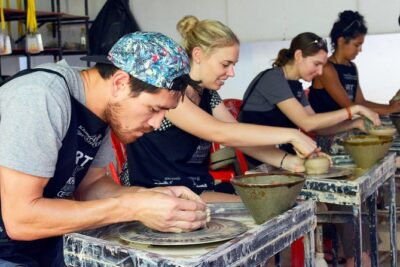

Phnom Penh Silk Island Vespa Tour / Tuk Tuk Available
Read our review →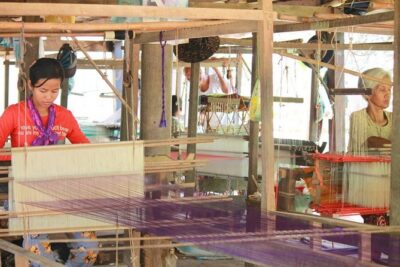
Mekong Silk Island Cruise – Unlimited Beer, Soft Drinks & Fresh Fruit Platter
Read our review →
Browse the lists this tour appears in