
Reviewed · WALKING TOURS
Phnom Penh: Morning Foodie, Market Walking & Street Art Tour
Phnom Penh reveals itself best over breakfast, and this tour gets you there before the city has fully hit its stride. You’ll eat noodle soup or pork rice, sip local coffee in back alleys, inspect market produce, and finish with banh chaev, the crisp Cambodian crepe made with rice milk and turmeric.
I like the food-first approach, which gives you more than a list of sights. I also like the street-art stop, where Khmer symbols and Cambodian history add meaning to the murals. The main consideration is pace: five and a half hours of eating, walking, riding, and market browsing can feel full, especially in Phnom Penh’s heat.
Key points at a glance
- Breakfast begins the day: Start with noodle soup or pork rice at a long-running local breakfast stop, plus Cambodian coffee.
- Two major markets: Boeng Keng Kang Market and Central Market bring food, shopping, bargaining, herbs, fruit, and seasonal snacks into the morning.
- Street art with context: Your guide connects Phnom Penh’s newer urban art to Khmer symbols and Cambodian history.
- Banh chaev matters: Watch and taste Cambodian crepes made with rice milk and turmeric at a local restaurant.
- Coffee is part of the story: The tour returns to Phnom Penh’s coffee culture rather than treating coffee as a quick drink.
- Personal guiding: Guides named Kim and Lyna have led this experience, with English explanations and room for questions.
Why this tour works as a first taste of Phnom Penh
This is not a formal monument tour with a few snacks added on. Food sets the rhythm. You meet the city through breakfast counters, market aisles, small food stalls, and conversations about what people actually cook and eat.
That makes the tour useful early in a Phnom Penh visit. You get an introduction to Cambodian flavors, learn what herbs and vegetables look like before they reach the plate, and see how people shop for everyday meals. I like that practical angle. You can use what you learn later when ordering on your own.
The route also gives you a mix of activity. You are not sitting at a restaurant for five hours. You ride by tuk tuk or Vespa, walk through markets, stop for photos, look at street art, and sit down for coffee and lunch. The changing pace helps, though you should still expect a fairly active morning.
At $33 per person, the price is reasonable if you would otherwise pay separately for breakfast, market tastings, lunch, transport, and a private explanation of local food. The value depends on what is included for your day. Hotel pickup and drop-off, a guide, transportation, two breakfasts, coffee, a soft drink, market dessert tasting, and bottled water are included.
Personal purchases are not included. That matters at the markets, where handmade souvenirs and food items can quickly add to the cost. Bring some spending money if you want to shop, but you do not need to buy anything to enjoy the tour.
A few more things to do in Cambodia worth a look
- Ultimate Phnom Penh Food Tour by Tuk Tuk: 20 Tastings and Drinks
★ 5.0 · 409 reviews - Siem Reap Evening Food Tour – Inclusive 5 stops Local Tastings
★ 5.0 · 325 reviews - Old Siem Reap Sunset Food Tour by Tuk-tuk
★ 5.0 · 311 reviews
Boeng Keng Kang Market starts with breakfast
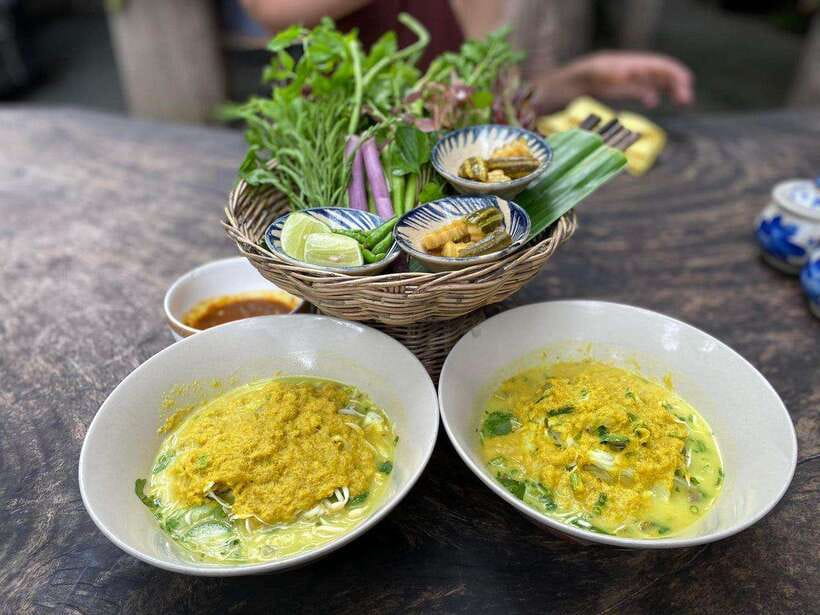
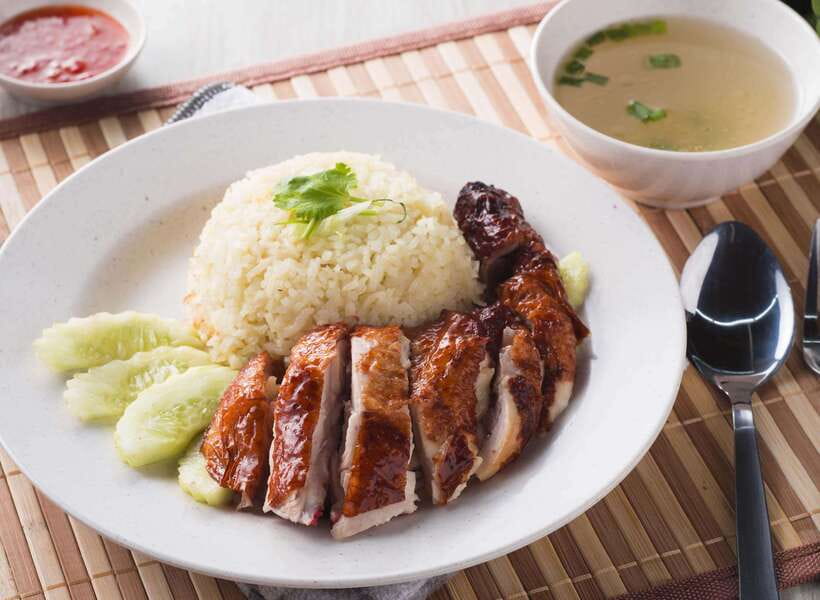
The first proper stop is Boeng Keng Kang Market, where breakfast takes about an hour. The meal is built around familiar local choices such as savory noodle soup or pork rice, followed by local coffee.
This is a good way to begin because Cambodian breakfast is often hearty rather than sweet. A bowl of soup or a plate of rice gives you a better sense of daily eating habits than a hotel buffet does. Your guide can explain the ingredients, the typical flavors, and the techniques behind the dishes.
Coffee receives unusual attention here. The tour description points to local coffee in back alleys and later returns to Phnom Penh’s signature blend. You can ask questions, compare preparations, and use the coffee stops as relaxed moments to talk with your guide.
Two breakfasts are listed as included, though the exact division between the first meal and later food stops may vary. Expect a food-heavy morning, not a single sit-down breakfast followed by sightseeing. If you have dietary restrictions, tell the provider before booking, since the available meal choices are not specified.
A short pause at Independence Monument
Independence Monument is a 30-minute photo stop. It is not presented as a long guided visit, so keep your expectations clear. You will have time to take pictures and hear some context, but this is not the part of the tour where you spend an hour studying architecture.
Its position in the route gives you a change of scene after breakfast and before more market food. I appreciate that the stop is kept short. Phnom Penh has plenty of places that deserve a close look, but a food tour can lose its purpose if every landmark becomes a lengthy lecture.
Your guide may connect the monument to Cambodian history, as both Kim and Lyna have been praised for explaining the country’s past in clear English. Those conversations can add value here, but the precise amount of historical detail depends on the guide and the questions you ask.
Central Market turns shopping into a lesson
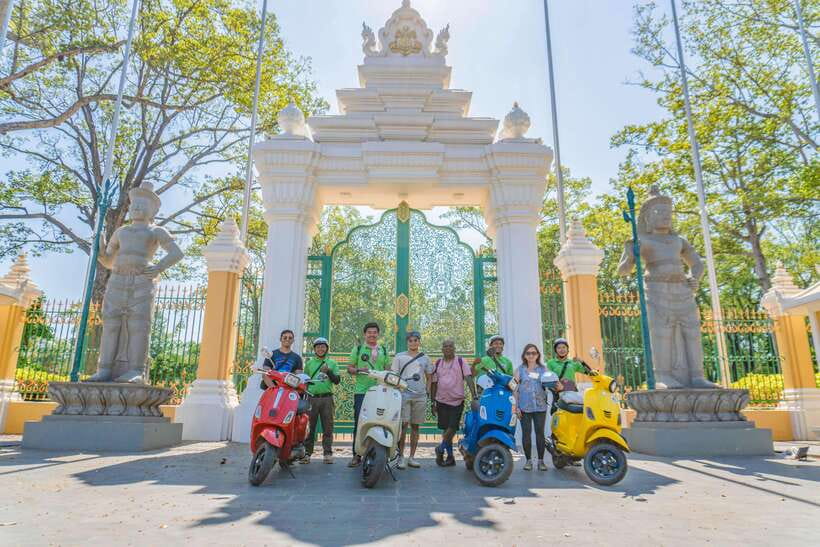
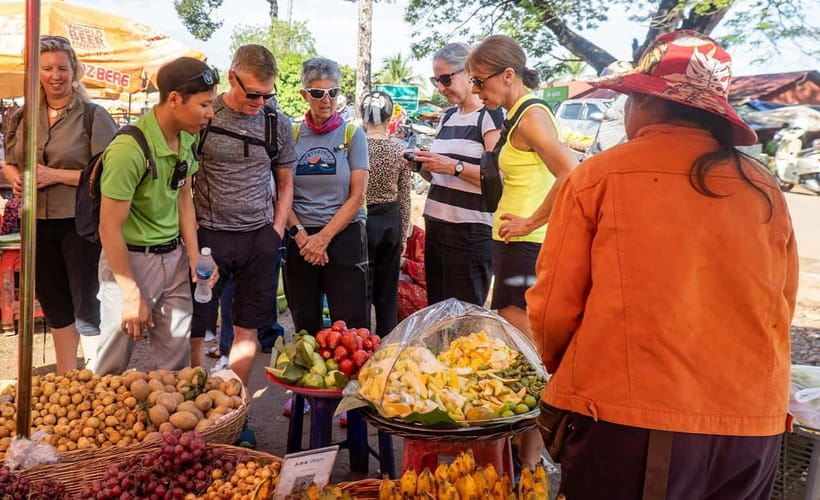
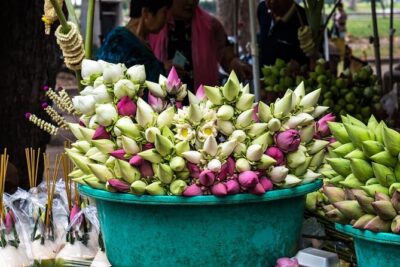
Central Market is scheduled for about an hour and is the main market visit. You walk through food areas, look at seasonal produce, and learn about herbs, fruit, and vegetables used in Khmer cooking.
This is where a local guide earns the fee. A market can look like a wall of unfamiliar ingredients when you walk through alone. With help, you can sort out what is fresh, what is dried, what is used for seasoning, and what might become part of a soup, stir-fry, or dipping sauce.
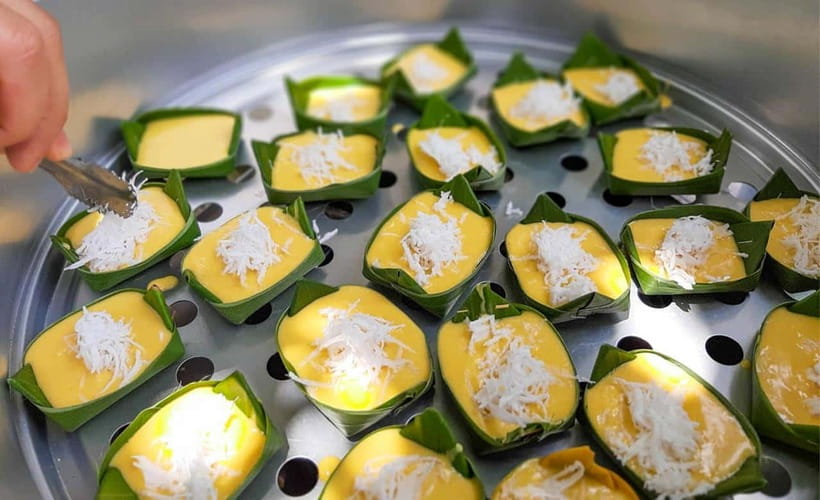
The experience includes local dessert tasting, and you may also try other seasonal items. One particularly appealing extra mentioned by a guide was a pepper tasting, with an explanation of how different peppers compare. That is exactly the sort of small lesson that turns a snack into useful food knowledge.
You also see local shopping habits. People select produce, compare prices, and bargain with vendors. The tour gives you a window onto ordinary errands, rather than showing only places built for sightseeing.
Allow yourself some patience here. Markets can be crowded, noisy, and warm, and you may need to walk slowly while listening. Wear shoes you can use comfortably for several hours, and keep your belongings secure in the usual way.
Same base, a different kind of day out:
- Angkor Wat Sunrise or Sunset Tour with Guide from Siem Reap
★ 5.0 · 12,109 reviews - Siem Reap: Angkor Wat: Small-Group Sunrise or Sunset Tour
★ 5.0 · 9,444 reviews - From Siem Reap: Kampong Phluk Floating Village Tour by Boat
★ 4.9 · 6,979 reviews - Sunset tour of Kampong Phluk stilts home village on the Tonle Sap
★ 5.0 · 4,865 reviews
Street art connects modern Phnom Penh to Khmer symbols
The route then moves toward Sangkat Boeung Kak 1 for an arts and crafts market visit lasting about 30 minutes. The main attraction is Phnom Penh’s growing street-art scene, which draws on Khmer symbols and historical ideas while using a modern urban form.
I like this part because it keeps the tour from becoming food-only. Cambodian art is not limited to temples or museum displays. Street artists are creating their own visual language, and a guide can help you notice references that might otherwise pass by as colorful walls.
Kim has been praised for linking the art to Cambodian history in a way that adds information you are unlikely to get from a quick photograph. That makes the stop more than a backdrop for social media. Ask about the symbols, the artists, and how the work relates to Cambodia’s past if the topic interests you.
The description does not promise a fixed list of murals or a particular artist. Street art changes, so the exact pieces may differ. Think of this as a guided look at a developing art scene, not a guaranteed gallery route.
The arts and crafts market also gives you a chance to see handmade goods. A souvenir may be included in the visit, but personal purchases are your responsibility, so check prices before buying.
Banh chaev shows how technique shapes flavor
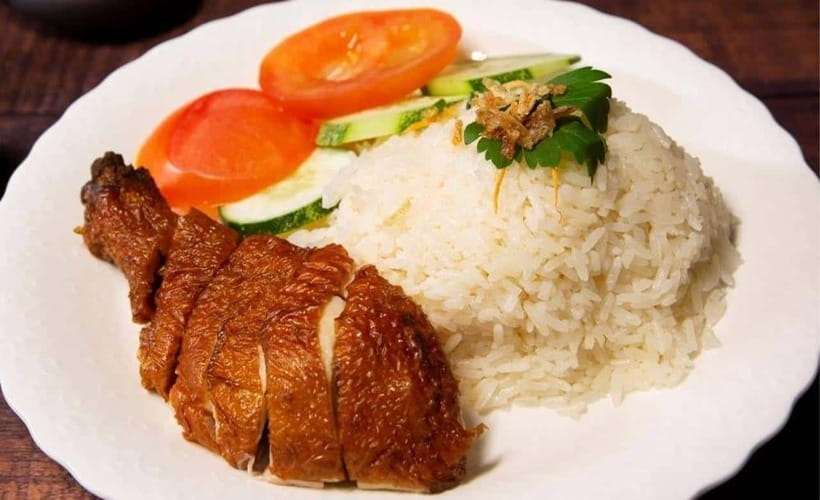
One of the food highlights is a visit to a local restaurant making banh chaev. These Cambodian crepes are carefully prepared with a blend of rice milk and turmeric, giving the dish its particular color and flavor.
The useful part is seeing how a simple-looking crepe depends on technique. Rice-based foods can change greatly with the batter, heat, texture, and filling. Your guide explains Khmer cooking methods and typical flavors, helping you understand what is on the plate rather than simply asking you to identify it.
This stop is also a chance to slow down. After walking through two markets and a street-art area, sitting for food gives the morning some balance. The tour includes coffee, a soft drink, and lunch, with banh chaev as a central local dish.
You should come with an open mind about seasoning and texture. The food is designed around Cambodian tastes, not adjusted into a generic international lunch. That is one of the main reasons to choose this tour, but it also means you should tell the guide about allergies or foods you cannot eat before the meal.
Wat Botum Park closes the loop with coffee
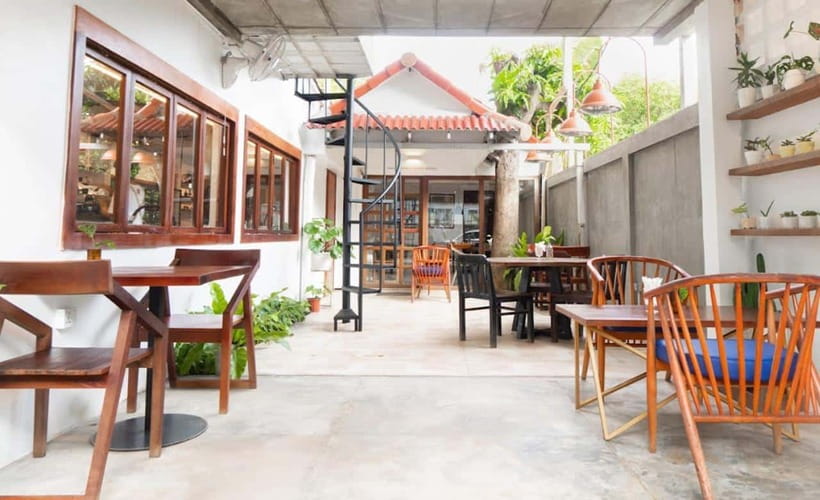
The final major stop is Wat Botum Park, where coffee, tea, and lunch take about an hour and a half. The tour ends here before returning you to Phnom Penh, giving you time to sit, eat, and talk through what you have seen.
I like the decision to finish with coffee rather than rushing straight from a market to hotel drop-off. Coffee has a social role in the experience. The early cup introduces the day, while the final blend gives you time to compare flavors and ask questions in a less hurried setting.
The stop can also be useful if you want to review the food vocabulary you have picked up. Ask your guide which dishes are common at breakfast, what to look for at later meals, and how the herbs and spices from the markets appear in restaurant cooking.
The supplied schedule calls this both a lunch and coffee stop, while the package also includes two breakfasts. That suggests a generous amount of food overall. If you prefer small portions, say so early and pace yourself at the market tastings.
What your guide adds to the day
The guide is central to the quality of this experience. You are not simply being driven between food stops. You need clear explanations in English, help with unfamiliar dishes, and enough freedom to ask questions.
Kim and Lyna are two named guides associated with this experience. Kim has been singled out for explaining the links between street art and Cambodian history, as well as for adding a pepper tasting. Lyna has been praised for patience, polite communication, and strong English, along with historical explanations.
Those details point to the kind of guiding you can expect: food information mixed with history and informal conversation. The experience encourages free talking in the back alleys and coffee stops, so it suits you if you like asking questions rather than following a silent route.
Guide assignment is not stated as guaranteed, so you should not book solely on the hope of having one particular person. Still, the guide names give you a useful sense of the human side of the experience.
Tuk tuk or Vespa keeps the route practical
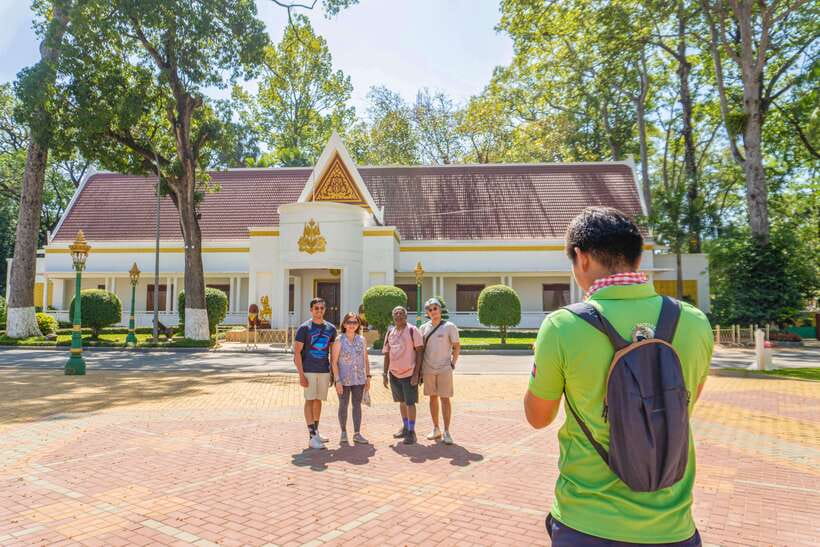
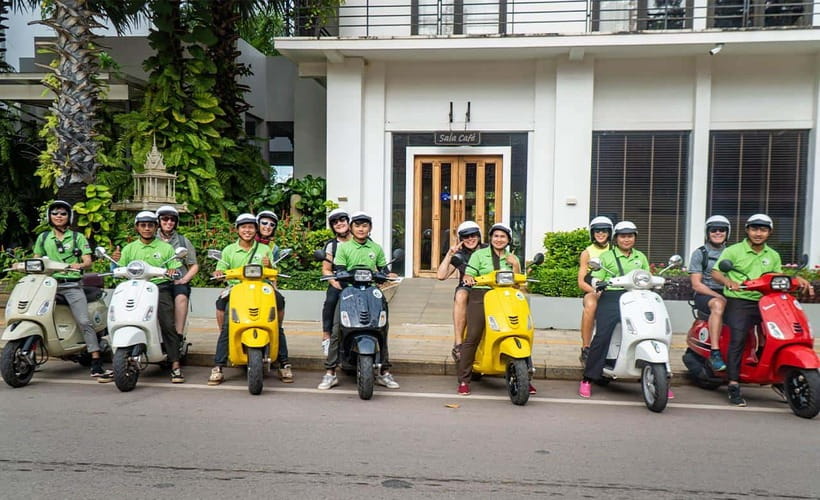
Transportation is by tuk tuk or Vespa, with hotel pickup and drop-off in Phnom Penh. That matters because the stops are spread across different neighborhoods, and walking between all of them would take too long.
A tuk tuk gives you an open view of the streets and keeps the journey part of the sightseeing. A Vespa offers a different feel and may appeal if you want a more distinctive way to move around the city. The exact vehicle is not specified in advance, so check with the provider if that choice matters to you.
The tour lasts five and a half hours. Pickup time depends on availability, and the route is framed as a morning experience, although one description also refers to an afternoon option. Confirm the starting time when you book.
The length is enough for several food stops without requiring a full day. It is not ideal if you want a slow, unstructured morning with long market shopping sessions. You are moving through a planned route, and the schedule includes multiple stops.
Who should book this $33 experience?
I would choose this tour if you want food, local markets, and cultural background in one manageable morning. It suits first-time visitors who want help ordering and identifying ingredients, as well as returning visitors who want a more everyday view of Phnom Penh.
It is also a good match for curious eaters who enjoy trying breakfast foods, desserts, pepper, coffee, and banh chaev. The price makes particular sense if you value hotel transport and a guide who can explain the food as you go.
You may want a different experience if you are looking for a quiet culinary class, a detailed monument tour, or a long shopping expedition. This is a moving food walk with several short visits, not a single chef-led lesson.
The best practical tip is to arrive hungry but not completely empty. Breakfast comes early in the route, and more tasting follows. Wear comfortable shoes, bring water despite the included bottle, and leave room in your bag for a possible handmade souvenir.
Should you book it?
Book this tour if you want Phnom Penh explained through what people eat, buy, cook, and drink. The strongest elements are the market guidance, the Khmer cooking context, the pepper and coffee details, and the street-art stop with historical background.
At $33, it offers solid value for a half-day that includes transport, guiding, several food moments, drinks, and hotel return. I would skip it only if you prefer to set your own pace or already have a strong plan for exploring Phnom Penh’s food markets on your own.
FAQ
Where does the tour take place?
The tour takes place around Phnom Penh and includes Boeng Keng Kang Market, Independence Monument, Central Market, Sangkat Boeung Kak 1, and Wat Botum Park.
How long does the experience last?
The tour lasts 5.5 hours, with starting times subject to availability.
What food is included?
Included food is listed as two breakfasts, local dessert tasting in the market, coffee, a soft drink, and lunch. The route features noodle soup or pork rice, local coffee, and banh chaev crepes.
What transportation is provided?
Hotel pickup and drop-off are included. Transportation is by tuk tuk or Vespa.
Is the tour conducted in English?
Yes. The experience includes a live English-speaking guide.
Can I cancel the booking?
You can cancel up to 24 hours in advance for a full refund. You can also reserve now and pay later.
More walks around Cambodia
- Siem Reap: City Walking Tour
★ 4.6 · 583 reviews - Siem Reap City Walking Tour
★ 4.5 · 114 reviews - Customs and Culture Half Day Walk and Bike Tour in Battambang
★ 5.0 · 23 reviews - Exploring Battambang History (Walking Tour)
★ 5.0 · 17 reviews
More Street Art in Cambodia
- Phnom Penh’s Morning Market and Street Art Tour by Tuk tuk
★ 5.0 · 128 reviews
Just added in Cambodia
- Bamboo Train, Banann Temple, Fruit Bat, Bat Cave, Sunset★ 4.2 · 3 reviews
- Twilight Tastes of Siem Reap Include Dinner★ 5.0 · 13 reviews
- Ultimate Sunrise to Angkor Wat, Angkor Thom and Bayon Temple★ 5.0 · 3 reviews
- Koh Rong Tour: A Snorkeling, Fishing, Sunset, Plankton★ 4.0 · 4 reviews
- Trekking Tour at Phnom Kulen National Park from Siem Reap★ 5.0 · 3 reviews
- Trusty Tuk Tuk★ 5.0 · 4 reviews
- Cooking Class at La Plantation★ 5.0 · 16 reviews
- Trip with Local tuk tuk to Country side & Pepper farm…★ 5.0 · 13 reviews
Walking Tours, compared.
Customs and Culture Half Day Walk and Bike Tour in Battambang
Read our review →

Browse the lists this tour appears in