
Reviewed · BANTEAY SREI & BENG MEALEA TOURS
3-Day Angkor Wat with All Interesting Major Temples, Banteay Srei & Beng Mealea
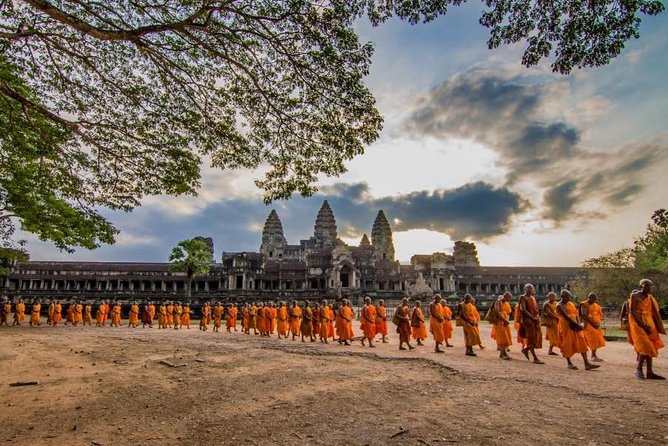
Angkor Wat is only the beginning here. This three-day private tour takes you from the famous sunrise and tree-covered Ta Prohm to quieter Ta Nei, finely carved Banteay Srei, and the jungle-wrapped ruins of Beng Mealea. It also reaches the early Khmer temples at Roulous, giving you a much fuller picture of Cambodia’s temple culture than a one-day circuit.
I like the mix of famous sights and less-visited stops, especially Ta Nei and Beng Mealea, where the setting feels wilder. I also like the practical setup: a private air-conditioned car, hotel pickup each morning, a guide who explains the carvings and religious ideas, and cool water and towels during long hot days.
The main drawback is the pace. Day one runs from 8:00 a.m. through sunset at Phnom Bakheng, while day two begins at 5:00 a.m. for sunrise and still includes nine stops. You pay $261 per person before the $62 temple pass and meals, so this suits people who want depth and coverage more than slow, unstructured sightseeing.
Key points to know before booking
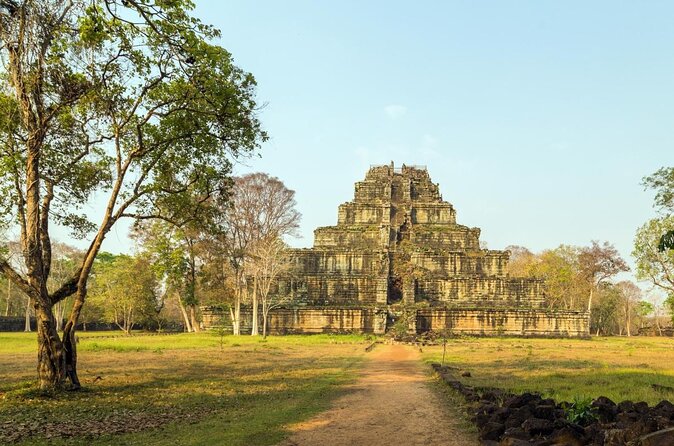
- Sunrise at Angkor Wat: Day two starts at 5:00 a.m. so you can see the temple reflected in the water before the main heat arrives.
- A private guide and car: Only your group takes part, with hotel pickup, return transport, road tolls, parking, water, and cool wet towels included.
- The full range of Angkor: The route covers the Small Circuit, Grand Circuit, Banteay Srei, Banteay Samre, Banteay Kdei, and the Roulous temples.
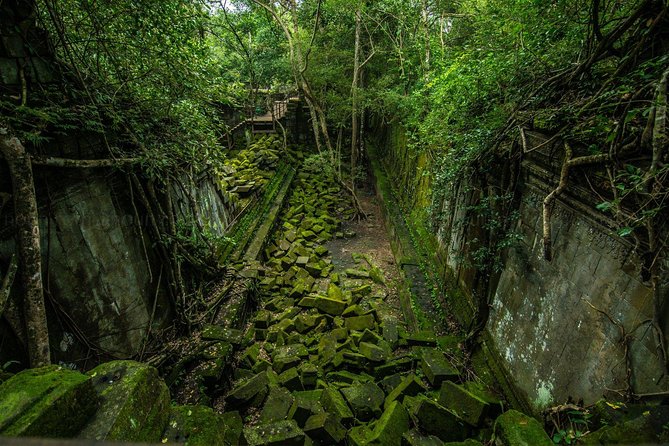
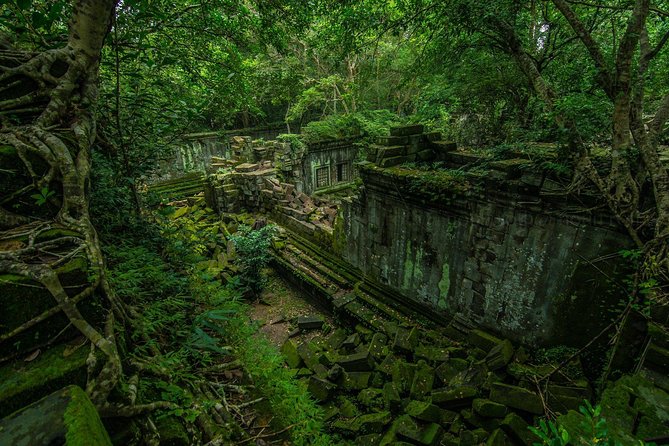
- Jungle ruins at Beng Mealea: Allow three and a half hours for this distant temple, where collapsed stone and heavy tree growth create a rougher, more adventurous visit.
- Guides with different strengths: Mony, Vanna, Mr Thou, Mr Khmer, Mr Chen, and others have led the tour. Ask for a guide who suits your interest in archaeology, photography, history, or local culture.
- Extra costs are clear: The Angkor pass and other temple admissions are not included. Lunch is also separate, usually listed at about $5 per person depending on the menu.
Why this three-day Angkor plan works
Many Siem Reap visitors see Angkor Wat, Ta Prohm, and Bayon, then leave with only a partial sense of the site. This route gives you the headline temples, but it also shows how Khmer temple design changed over several centuries.
The private format matters. You are not tied to a large group’s pace, and your guide can give more attention to questions about carvings, construction, Hindu and Buddhist worship, and the kings who built each complex. You still follow a busy schedule, but you have more control than you would on a standard coach excursion.
The day order has a useful logic. Day one focuses on Angkor Wat and Angkor Thom, ending with a sunset attempt at Phnom Bakheng. Day two covers the Grand Circuit and the prized Banteay Srei. Day three moves farther out to Beng Mealea and Roulous before returning to Siem Reap.
Your guide meets you in the hotel lobby, and the driver handles the roads between sites. That saves you from arranging separate tuk-tuks or trying to navigate the temple zone yourself. The vehicle is air-conditioned, an important comfort when the stone paths and open courtyards begin to radiate heat.
Other outlying temples from Siem Reap:
- Siem Reap: Kulen Mountain, Beng Mealea and Tonle Sap Tour
★ 5.0 · 1,483 reviews - Full-Day Banteay Srei & 4 Temples – Grand Tours Join-in Tour
★ 5.0 · 1,155 reviews - Siem Reap Tour: Angkor Wat Sunrise, Bayon, Ta Prohm, Banteay Srei
★ 5.0 · 931 reviews
Day one: Angkor Wat, Ta Prohm, and Angkor Thom
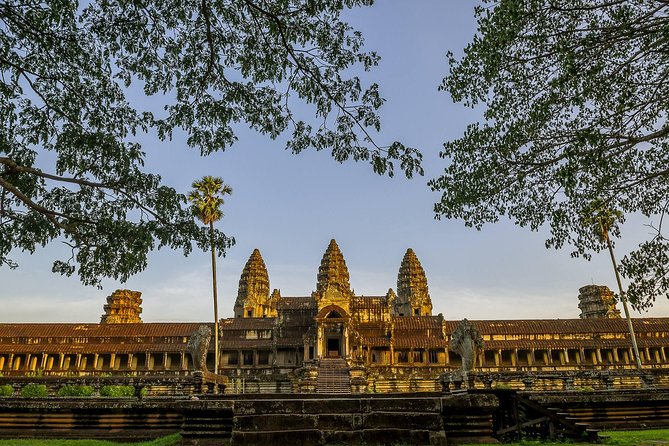
The first morning begins at 8:00 a.m. with a hotel pickup and a stop to purchase your temple pass. Angkor Wat receives about two and a half hours, which is enough for a useful first visit without trying to inspect every gallery in detail.
Your guide can help you read the temple in layers. Start with the scale of the moat and outer walls, then move toward the galleries and central towers. The carvings are not simply decoration. They present Hindu stories, royal power, and scenes of warfare and ceremony. If this is your first major Khmer temple, the explanation makes the stone feel far less confusing.
After Angkor Wat, the route moves to Ta Prohm. This is the temple most closely linked with the film Tomb Raider, but the movie is only part of its appeal. Large tree roots push across walls and doorways, and the mix of masonry and vegetation gives the site a very different mood from Angkor Wat’s ordered geometry.
Ta Prohm can be crowded, particularly around its most photographed corridors. Your guide may help you spend less time waiting for the classic root-and-doorway photograph and more time noticing the temple plan, carved figures, and signs of restoration.
Ta Nei is a welcome change. It is smaller, less restored, and surrounded by trees. You receive about 45 minutes here, enough to appreciate the quiet setting without expecting a polished monument. This is one of the most useful stops for seeing what an Angkor temple can feel like away from the main crowds.
The afternoon continues through Angkor Thom. A short stop at the Victory Gate provides a look at the eastern entrance before you reach Bayon, the city’s famous central temple.
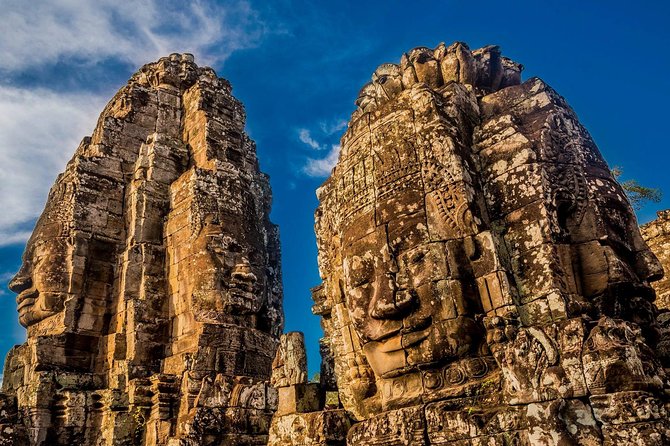
Bayon is known for its towers with large stone faces associated with Avalokitesvara. The stated count is 49 towers and 196 faces, though the important point is the visual effect: as you walk, different faces seem to appear between the towers. Take time to look down as well as up, since the lower reliefs show daily life, battles, processions, and animals.
Baphuon follows. Built as a Hindu temple before Angkor Wat, it has a tall pyramid form and a later reclining Buddha at the rear. The temple’s history is complicated by changes in religious use and reconstruction, so this is a good place to rely on your guide rather than simply take photographs.
Nearby Phimeanakas sits within the former royal area. You get only about 15 minutes here, so it is more of a concise historical stop than a full exploration. The Terrace of the Elephants and Terrace of the Leper King also receive short visits. Their carved platforms once related to royal display and ceremony, and they help you understand how Angkor Thom functioned as a capital, not just a collection of isolated ruins.
The day finishes at Phnom Bakheng. You climb the hill for views and a possible sunset, but access at sunset is limited by a cap on visitors. You may need to wait, and reaching the top is not guaranteed. If the line or climb does not appeal, the itinerary allows you to skip this part.
That long first day is rewarding, but it is not gentle. Wear practical shoes, carry sun protection, and keep some energy for the final hill.
Day two: sunrise, Grand Circuit, and Banteay Srei
The second day starts at 5:00 a.m. for sunrise at Angkor Wat. The early departure is the price of the experience. You will see the temple in the softer morning light, but the viewing area can be busy and the weather may not provide dramatic color.
After sunrise, you return for breakfast, then head back out to the Grand Circuit. Preah Khan is first, a large Buddhist temple built by King Jayavarman VII and dedicated to his father. Long corridors, carved doorways, and a layered plan make this a place where a guide’s explanation is especially useful.
Neak Pean is smaller and more unusual. The temple sits on an island in the middle of a baray, or reservoir. Depending on water levels and conditions, the approach gives you a different view of Angkor’s water engineering and sacred design. The stop lasts about 30 minutes, so expect an overview rather than a long walk.
Ta Som is another smaller Buddhist temple, with a quieter feel than Ta Prohm. Its position east of Neak Pean and its tree growth make it a pleasant contrast to the larger monuments. The 30-minute visit keeps the day moving.
Eastern Mebon rises in three levels and has five towers. Large elephant figures mark its corners, offering a clear example of how animals were used in temple symbolism and architecture. Pre Rup, built in the late tenth century, is another temple mountain, this one associated with Hindu worship and ideas surrounding funerary rites.
You then stop for lunch before continuing to Banteay Srei. Lunch is not included, and the supplied cost is about $5 per person depending on the menu. Restaurant choices are part of the practical arrangement, so ask your guide about the price before ordering if you want to keep spending predictable.
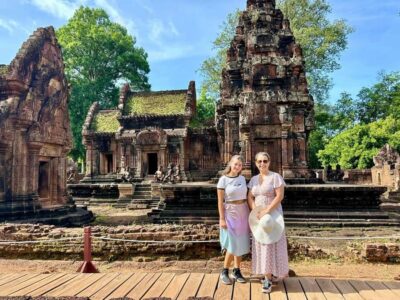
Banteay Srei is often the artistic high point of the trip. Built from pink sandstone in the tenth century, it is smaller than Angkor Wat but packed with fine carving. The stone allowed artisans to cut detailed figures, floral patterns, and scenes connected with Hindu mythology.
Its distance from the central Angkor zone adds driving time, but that is exactly why it deserves a place in a three-day plan. You do not have to choose between the central temples and this more delicate monument.
Banteay Samre follows. Its design is often compared with Angkor Wat, and its enclosed form gives you another way to see the development of Khmer architecture. The visit lasts about 45 minutes, enough to walk through the main spaces and compare its layout with the larger temples already seen.
The final stop is Banteay Kdei, a Buddhist temple with similarities to Ta Prohm and Bayon. By this point, the day will feel long. The temple is valuable because you can compare its decoration and plan with earlier stops while the details are still fresh.
Day two offers the strongest mix of iconic views, smaller temples, and fine carving. It is also the most demanding day because of the early start and the number of stops.
Day three: Beng Mealea and the Roulous temples
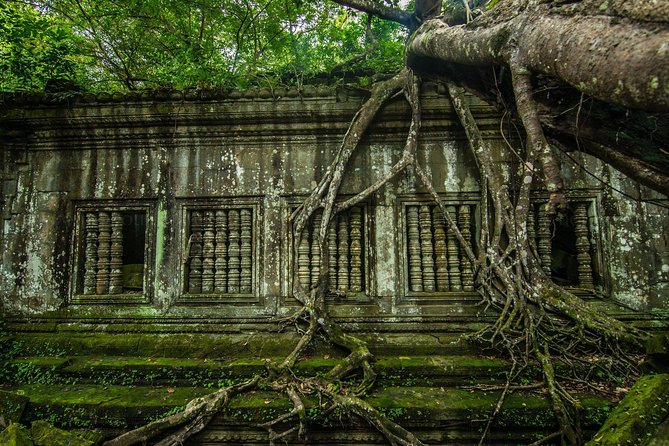
Day three begins with a longer drive to Beng Mealea, about 68 kilometers northeast of Siem Reap. Plan on three and a half hours at the temple itself, making this the day’s main event.
Beng Mealea feels less orderly than the central Angkor monuments. Stone blocks lie among trees and collapsed galleries, and nature has covered parts of the structure. The site is not simply a smaller Angkor Wat. Its rough condition is the point, offering a stronger sense of an archaeological ruin in an uncontrolled setting.
You should choose this day if you enjoy broken walls, uneven routes, and the visual puzzle of working out how a large temple once fit together. If you prefer restored corridors and clear paths, Beng Mealea may feel tiring. The private car helps, since you are not managing the long road connection yourself.
After lunch, the route visits the Roulous group, one of the earliest Khmer temple areas near the former city of Hariharalaya. Lolei is a small ninth-century Hindu temple. It is less imposing than Angkor Wat, but its early date helps you see that the Angkor tradition began long before the great capital reached its peak.
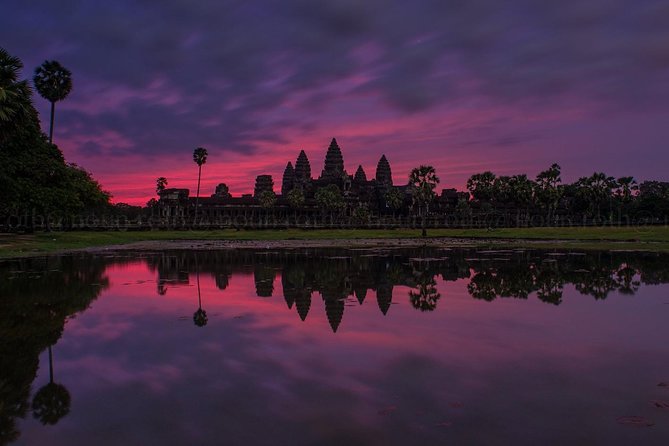
Preah Ko was the first temple built in Hariharalaya. Its importance lies partly in its place in the sequence of Khmer construction. You can compare its scale, towers, and decoration with the later temples visited on the first two days.
Bakong is the largest of the Roulous temples and the first major sandstone temple mountain built by Khmer rulers. It makes a strong final temple stop because its pyramid form recalls later monuments while still showing an earlier stage of the style.
The tour may also include Artisans Angkor, where traditional skills such as stone carving, wood carving, lacquering, gilding, and silk processing are represented. This stop is optional. It can add a modern craft connection to the ancient sites, but you can skip it if you would rather return to your hotel or spend more time in town.
Psar Chaa, or the Old Market, is also optional. It sits in central Siem Reap and gives you a chance to browse local goods and food stalls. After three full temple days, some people will enjoy the change of scene, while others will be ready for a shower and an early night.
A few more things to do in Siem Reap worth a look
- From Siem Reap: Angkor Wat and Floating Village 3-Day Trip
★ 5.0 · 100 reviews - 3-Day Angkor Wat & All Interesting Major Temples & Kulen Mount Waterfall
★ 5.0 · 63 reviews
Price, inclusions, and the real value
The listed price is $261 per person. Add the $62 admission fee for Angkor Wat and the other temples, plus lunch costs of about $5 per person per day depending on what you order. The total is therefore higher than the headline figure, but it covers three days of private transport and guiding rather than a single temple outing.
Included transport, parking, road tolls, hotel pickup and return, cool water, and wet towels remove several small costs and decisions. The private arrangement is the biggest value point. You are paying for a guide and driver dedicated to your group, not just a seat in a vehicle.
The price makes the most sense for a small group that wants the full route without arranging separate transport to Beng Mealea and Roulous. It is less compelling if you want only Angkor Wat, Bayon, and Ta Prohm, since those can be covered in a shorter plan.
Guides, comfort, and how to prepare
The tour has been led by guides including Mony, Vanna, Mr Thou, Mr Khmer, Mr Chen, and others. Their strengths vary. Mony is noted for an educational approach, while Mr Khmer is described as an archaeologist and teacher. Mr Thou is also associated with explanations of Cambodian history and local life.
You cannot assume a specific guide unless the provider confirms one, but it is reasonable to explain your interests before the first day. Ask for extra attention to architecture, religious symbolism, photography, or local culture.
The air-conditioned car is a real advantage. You will still walk, climb, and spend time in open courtyards, but the drive between sites gives you a chance to cool down. Water and cool wet towels are simple comforts that matter after several hours in the heat.
The schedule is active, so bring light clothing suitable for hot weather, walking shoes, and enough time for breakfast on the sunrise morning. Check temple access rules with your guide, and keep your camera ready for changing light at Angkor Wat, Bayon, Banteay Srei, and Beng Mealea.
Should you book this Angkor tour?
Book it if you want a serious three-day look at the Angkor area, prefer a private guide and car, and are happy to start early and keep moving. The strongest reasons are the combination of major temples, Banteay Srei, Beng Mealea, and the older Roulous group, plus the chance to ask questions throughout.
Skip it if you want leisurely mornings, long unplanned breaks, or only the best-known monuments. The schedule is full, the temple pass and meals cost extra, and the sunrise and sunset plans depend on crowds and access limits.
For a first visit to Siem Reap, this is a well-rounded choice. It gives you the famous images, but it also shows the quieter and less restored side of Angkor, which is where the three-day format earns its keep.
FAQ
Is hotel pickup included?
Yes. The guide and driver pick you up in the lobby of your hotel or guest house in Siem Reap and return you there at the end of each day.
How early does the tour start?
Day one begins at 8:00 a.m. Day two begins at 5:00 a.m. for sunrise at Angkor Wat. The day three start time is not specified.
Is the Angkor temple pass included?
No. The Angkor Wat and temple admission fee is listed separately at $62 per person.
Are meals included?
No. Lunch is separate. The listed estimate is about $5 per person, depending on the food ordered from the menu.
Is this a private tour?
Yes. Only your group takes part, with a private air-conditioned vehicle and an English-speaking licensed guide.
Can I cancel for a full refund?
Yes, if you cancel at least 24 hours before the experience start time. Cancellations made less than 24 hours ahead are not refunded, and changes within that period are not accepted.
Just added in Siem Reap
- 1-Day Angkor Wat Private Tour with Spanish Tour Guide.★ 5.0 · 9 reviews
- Angkor Wat: Small-Group Tour with Balloon Ride and Lunch★ 4.6 · 13 reviews
- Sky Venture Microlight Siem Reap★ 4.9 · 18 reviews
- Angkor Wat plus Balloon Ride with Khmer Lunch★ 5.0 · 46 reviews
- Private Temples Guided Tour (Angkor Wat, Ta Prom & Angkor Thom)★ 5.0 · 75 reviews
- Taxi Siem Reap to Phnom Penh-English Speaking Driver★ 5.0 · 62 reviews
- Siem Reap Apsara Dinner show & Hotel Pick up★ 4.5 · 66 reviews
- Siem Reap City to Siem Reap Angkor Airport by Shuttle Bus★ 5.0 · 65 reviews
Banteay Srei & Beng Mealea Tours, compared.
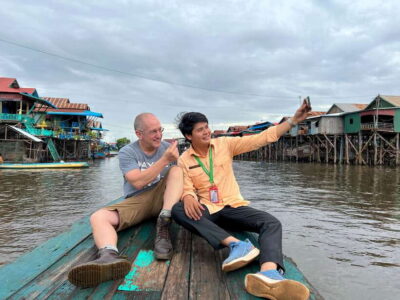
Kulen Mountain, Beng Mealea and Tonle Sap Tour
Read our review →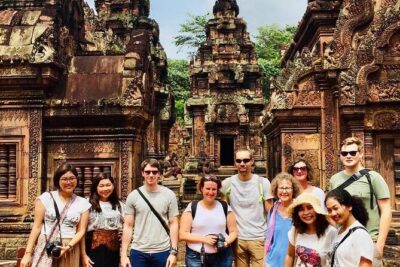
Full-Day Banteay Srei & 4 Temples – Grand Tours Join-in Tour
Read our review →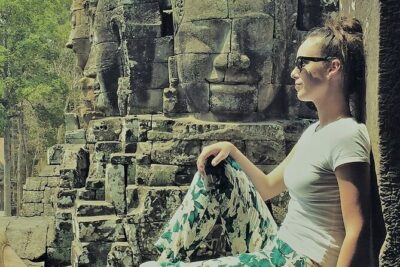
Siem Reap Tour: Angkor Wat Sunrise, Bayon, Ta Prohm, Banteay Srei
Read our review →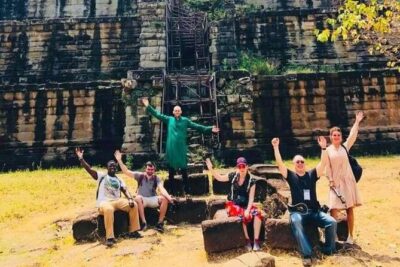
Koh Ker Temple Group & Beng Mealea Full-Day Join-in Tour
Read our review →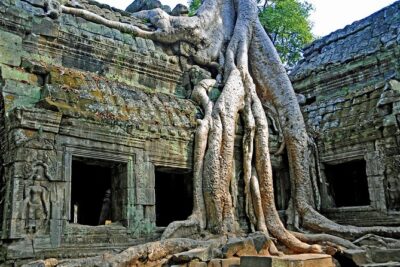
2-Day Angkor Wat With Small, Big Circuit and Banteay Srei Tour
Read our review →
3-Days Discovery Of Angkor: Waterfalls,Floating Village and Banteay Srei temple
Read our review →Browse the lists this tour appears in