
Reviewed · ANGKOR TEMPLE TOURS
3-Day Tour of Siem Reap, Angkor Temples & Phnom Kulen Waterfall
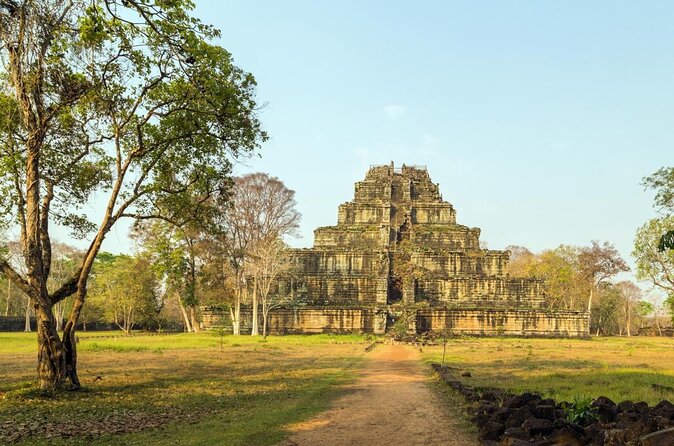
Angkor Wat is only the beginning here. Over three days, you see the famous temple at sunset and sunrise, then move beyond the main circuit to pink sandstone carvings, jungle ruins, a sacred waterfall, and life around Tonle Sap.
I like the private format and the freedom to choose your own hotel. I also like the guide-led storytelling, especially with Mr Hok, whose style is described as warm, humorous, clear, and serious when the subject calls for it. The main catch is cost: $250 per person does not include accommodation or admission tickets, so your final bill will be higher.
Key points at a glance
- Sunrise and sunset at Angkor Wat: The schedule gives you two very different views of Cambodia’s best-known temple.
- A private guide, not a fixed group: Your group travels alone, with hotel pickup and an English-speaking guide.
- A broad temple mix: See Angkor Thom, Bayon, Baphuon, Ta Prohm, Preah Khan, Ta Som, Neak Pean, and more.
- Beyond the main Angkor circuit: Banteay Srei, Phnom Kulen, Beng Mealea, and Tonle Sap add variety.
- Tickets are extra: Angkor temple admission and the Phnom Kulen ticket are not part of the $250 price.
- Early starts matter: Day two begins with a 4:30am hotel pickup for sunrise.
Three days that show more than Angkor Wat
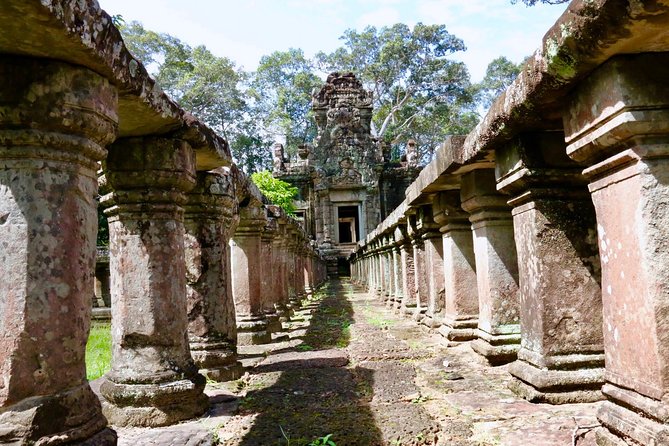
This is a wide-ranging Siem Reap program. It is not just a quick Angkor Wat visit with a few nearby temples added on. You get the major monuments, smaller ruins, countryside stops, Phnom Kulen National Park, Beng Mealea, and Tonle Sap Lake.
That range is the tour’s strongest feature. Angkor can blur together after several temples, so the change of setting matters. One morning brings carved stone galleries and royal terraces. The next takes you to a sacred mountain and waterfall. The final stop shifts attention from ancient kings to present-day life on Cambodia’s largest freshwater lake.
The private arrangement also changes the feel of the trip. You are not sharing the vehicle with strangers, and the guide can explain the religious images, royal capitals, and changing temple styles as you move along. The supplied information names Mr Hok as the guide associated with the experience. His approach is described as friendly, funny, attentive, and full of stories, with a clear effort to respond to the group’s needs.
The drawback is pace. The stated sightseeing times add up quickly, and they do not include the driving between stops. Day one has eight temple stops. Day two begins before dawn and continues through six more sites. Day three covers a national park, a remote temple, and the lake. You will see a lot, but this is not a slow, unhurried temple study.
More temples within reach of Siem Reap:
- Siem Reap Tour: Angkor Wat Sunrise, Bayon, Ta Prohm, Banteay Srei
★ 5.0 · 931 reviews - Siem Reap: Bike the Angkor Temples – Full-Day 30km Tour
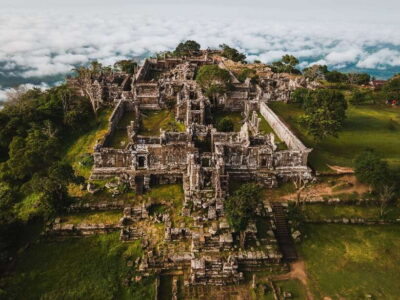
★ 5.0 · 463 reviews - Preah Vihear: Full-Day Preah Vihear and Koh Ker Temple Tour
★ 4.9 · 263 reviews
Day one: Angkor Wat, royal capitals, and a sunset climb
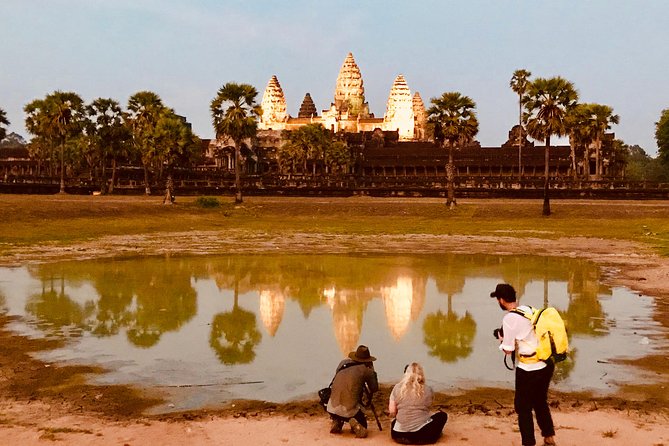
The first pickup is scheduled for 8:00am. The day begins at Angkor Wat, with about two hours at the temple, plus time in nearby villages and forest. That combination gives you more than the standard front-of-temple photo stop.
Angkor Wat was built as a major religious monument and remains the tour’s central sight. Two hours is enough to get a strong first look, though the scale of the site means you will not inspect every gallery at length. Your guide is especially useful here because the carvings, towers, courtyards, and religious symbols can be difficult to read without context.
From there, you enter Angkor Thom, the old fortified capital. The stop is listed at about 30 minutes, so expect a quick orientation rather than a full examination of every corner. Angkor Thom is important because it shifts the story from one grand temple to an entire royal city.
Bayon receives about an hour. Its famous stone faces are the main draw, but the crowded layers of galleries and reliefs deserve attention too. This is one of the places where a guide can help you notice details you might otherwise pass without understanding.
Next comes Baphuon, a large pyramid temple connected with Shiva and Mount Meru in Hindu belief. The listed time is 45 minutes. It is a strong contrast to Bayon, with a more open and monumental form.
The Terrace of the Elephants follows for about 30 minutes. This was a royal conference and ceremonial area in front of the palace zone. The carved elephants give the terrace its name, but the broader point is its connection to court life and public display.
Ta Prohm is given an hour, and that is sensible. Tree roots and ruined stonework have made this one of the most recognizable temples in Cambodia. Its connection with the film Tomb Raider has brought it extra attention, but the temple is worth seeing even if you have no interest in the movie. The setting gives you a strong sense of how the forest has overtaken parts of the old complex.
Pre Rup is a shorter 30-minute stop. This brick temple, built as a state temple for King Rajendravarman II, is a good place to compare construction materials and temple design with the sandstone monuments earlier in the day.
The finale is Phnom Bakheng, with about an hour planned for sunset. This is one of the best-known sunset points in the Angkor area, and it can draw large crowds. That is an important practical point. You should expect this stop to be popular, not secluded. The payoff is the chance to watch the light change over the Angkor area after a full day among temples.
Day two: a 4:30am start and the quieter temple circuit
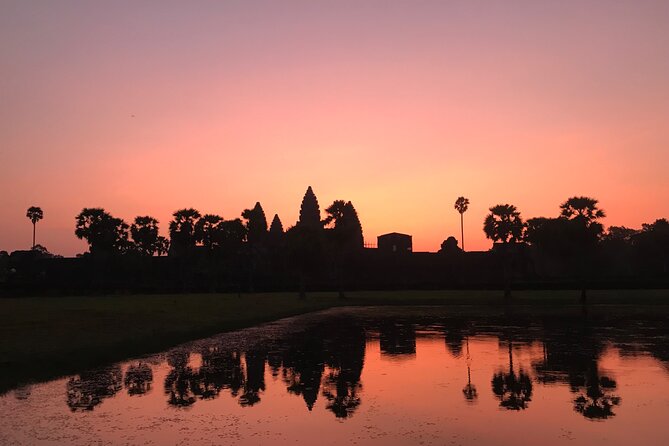
The second day begins at 4:30am. That is early even by sightseeing standards, but it is built around sunrise at Angkor Wat. You are scheduled to spend about 90 minutes there.
Sunrise gives the monument a different mood from the previous day’s visit. You see the temple before the heat of the day, with the sky changing behind its towers. The early start is the price of that experience, and you should be ready for a long day afterward.
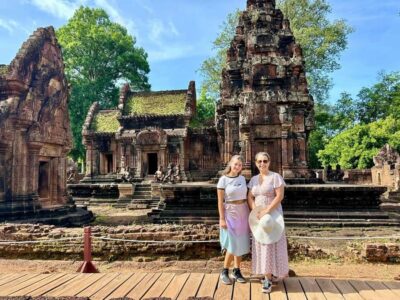
Banteay Srei is the first major change of scene. Located about 37 kilometers north of Angkor Wat, this temple is known for pink stone and fine carvings. The name means Lady Temple. Its smaller scale and detailed decoration make it different from the giant royal monuments around Angkor.
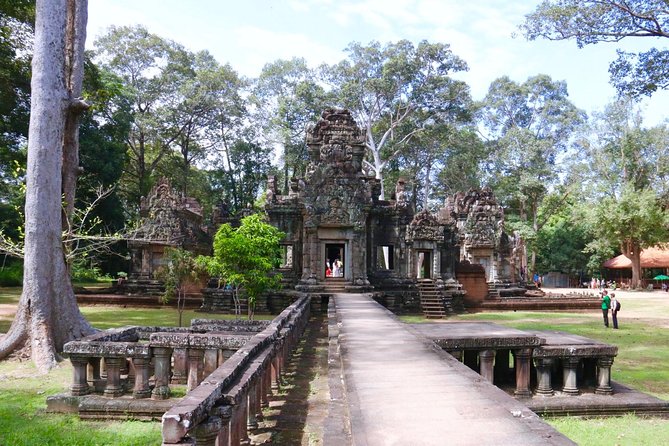
The route then returns to the larger temple zone for Preah Khan, a major complex built under King Jayavarman VII. You have about an hour here. Its relatively well-preserved carvings and long corridors reward a steady walk, though the scale can make it hard to take in all at once.
Ta Som is a shorter 30-minute visit. It is another Jayavarman VII temple, dedicated to ancestors and a teacher according to the supplied description. Its smaller footprint makes it a useful counterpoint to Preah Khan.
Neak Pean takes about 30 minutes. The temple sits in the center of a lake and was designed for medical purposes according to ancient beliefs. The water setting is the main visual change, and it gives the day a pause between larger temple compounds.
Banteay Samre closes the temple portion of the day. About 30 minutes are planned here. It is known for well-preserved stonework and was built under King Suryavarman II. Since it is less famous than Angkor Wat or Ta Prohm, the stop adds variety without asking you to spend another hour in a huge complex.
The day is impressive but demanding. You have the early sunrise, a drive to Banteay Srei, and several temple walks. Comfortable shoes, sun protection, and a willingness to start before dawn will matter more here than fancy equipment.
Day three: Phnom Kulen and Cambodia beyond the temple core
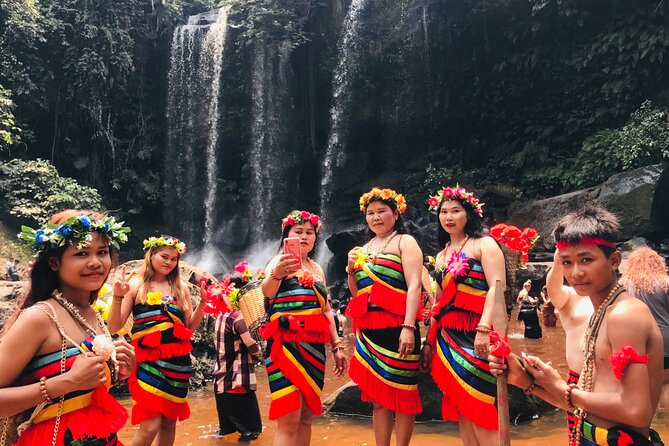
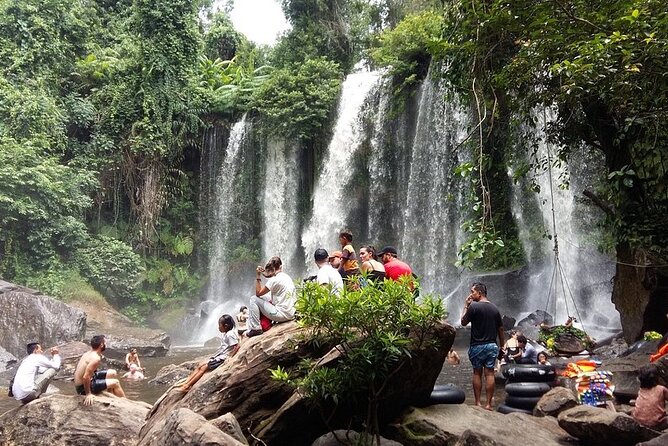
Phnom Kulen National Park gives the itinerary a welcome shift. The mountain is sacred, and the planned visit includes its waterfall, reclining Buddha, a river with thousand Lingas, Srah Damrei, and Bat Cave. About two hours are allocated to the park.
This is not simply another stone temple stop. Phnom Kulen links religious importance with water, forest, and local tradition. The waterfall is the headline attraction, but the reclining Buddha and river carvings add a spiritual dimension. The variety makes the day feel different from the two temple-heavy days before it.
The Phnom Kulen ticket is not included. This is one of the costs you need to add when comparing the tour with other options. The description does not give the ticket price, so check the current amount before booking.
After the mountain, the route continues to Prasat Beng Mealea, about 66 kilometers northeast of Siem Reap. You have about an hour at this remote jungle temple. Beng Mealea is known for its collapsed stonework and forest setting, and it gives you a look at a more distant site than the main Angkor circuit.
The final stop is Tonle Sap Lake, with about an hour planned. Tonle Sap is the largest freshwater lake in the Southeast Asian peninsula, and the stop broadens the trip beyond ancient monuments. Instead of royal capitals and carved gods, you get a sense of the lake’s place in Cambodian life.
The description does not specify a particular floating village or boat arrangement, so do not assume a boat ride is included. It says the tour visits the floating village at Tonle Sap, while the stop itself is listed as Tonle Sap Lake. Ask the operator what the exact lake program will be on your date.
More waterfall and mountain days from Siem Reap:
- Kulen Waterfall Join-in Tour (local Picnic lunch)
★ 5.0 · 2,434 reviews - Kulen Mountain: Small-Group Tour and Picnic lunch
★ 4.9 · 1,802 reviews - Siem Reap: Kulen Mountain, Beng Mealea and Tonle Sap Tour
★ 5.0 · 1,483 reviews - Phnom Kulen Waterfall & the Sacred 1000 Lingas (with Lunch)
★ 4.8 · 974 reviews
What the private format adds
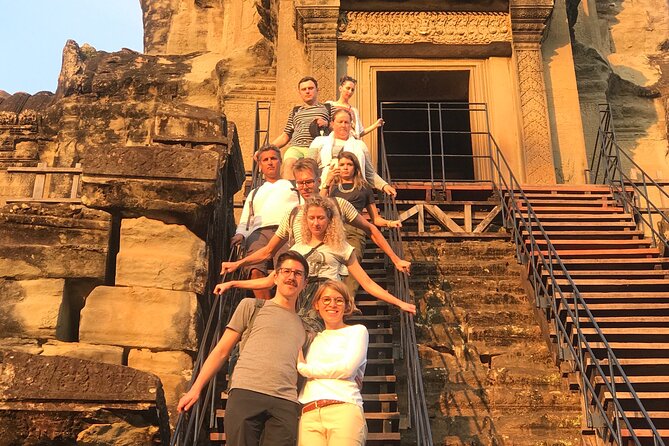
The tour is private, so only your group participates. That matters on a three-day schedule with several early starts. You are not waiting for a large coach group to gather at every entrance, and your guide can focus on your questions.
Hotel pickup is offered, and transport is by air-conditioned vehicle. Water, cool towels, drinks, and two lunches are included. Those are practical comforts, particularly during long temple days in Cambodia’s heat.
The strongest personal element is the guide. The name Mr Hok appears repeatedly in the supplied material, and the descriptions of his work are consistent: he explains sites as stories, uses humor, speaks clearly, and pays attention to safety and personal needs. That kind of guide can make the difference between simply seeing a wall and understanding why it was built.
Still, private does not mean flexible in every detail. The itinerary is packed, and the tour has set stops. If you want to remove several temples and spend a full afternoon at one site, ask before booking. The private format gives you a better chance of adjusting the experience, but no changes are promised in the tour details.
Is $250 a fair price?
At $250 per person, this is not a bare-bones temple transfer. You are paying for three days, private participation, an English-speaking guide, an air-conditioned vehicle, hotel pickup, two lunches, drinks, water, and towels.
The price looks more reasonable if you value a guide who can explain the temples and handle the driving between a wide spread of sites. Banteay Srei, Phnom Kulen, and Beng Mealea extend well beyond the most compact Angkor route, so transport and planning are a meaningful part of the service.
But compare the full cost, not just the headline price. Accommodation is excluded. Angkor temple tickets are excluded. Phnom Kulen admission is excluded. If you already have a hotel, that may be a benefit because you can choose your own location and budget. If you are comparing all-inclusive packages, add the admission fees before deciding.
Group discounts are offered, but no discount amount is provided. Ask for the total price for your party. Since this is a private tour, the value may improve when several people share the cost.
Who will enjoy this tour most?
I would choose this for someone who wants a broad first visit to Siem Reap and prefers one guide and vehicle for the whole program. It suits couples, families, and small private groups that want help with history, transport, and timing.
It is also a good fit if you want more than the famous three: Angkor Wat, Bayon, and Ta Prohm. The route adds Banteay Srei, Preah Khan, Ta Som, Neak Pean, Banteay Samre, Phnom Kulen, Beng Mealea, and Tonle Sap.
I would hesitate if you dislike early mornings, long driving days, or a full schedule. I would also think twice if your priority is slow photography at just a few temples. This program favors range and coverage over lingering.
The experience has a perfect recommendation record in the supplied material, with a five-star rating based on 12 reviews. The praise centers on Mr Hok’s warmth, organization, humor, and ability to make temple history understandable. That is the part of the tour I would value most, since the monuments are easier to appreciate when someone helps connect them to religion, kingship, and daily life.
Practical details before booking
You receive confirmation at the time of booking. The activity is listed as suitable for most people and is near public transportation, though the tour itself provides hotel pickup.
Plan carefully around day two’s 4:30am start. You also need to budget for the Angkor temple ticket, Phnom Kulen ticket, and your accommodation. The cancellation terms allow a full refund if you cancel at least three full days before the start time. Cancellations or changes made later are not accepted for a refund.
Should you book it?
Book this tour if you want a wide, guide-led introduction to Siem Reap, with sunrise, sunset, major temples, remote ruins, a sacred waterfall, and Tonle Sap in one private package. The guide is the key reason to choose it, especially if you like history explained through stories rather than a list of dates.
Skip it if you want a relaxed schedule or if the extra entrance fees push the total beyond your budget. Before paying, ask for the current ticket costs, confirm exactly what happens at Tonle Sap, and check how much flexibility you have on the packed temple days.
FAQ
How long is the tour?
The experience lasts approximately three days.
Is the tour private?
Yes. Only your group participates in the activity.
Is hotel pickup available?
Yes. Pickup is offered from your hotel.
What time does the first day begin?
Day one pickup is scheduled for 8:00am.
What time does the sunrise day begin?
Day two pickup is scheduled for 4:30am.
Is accommodation included?
No. You choose and pay for your own accommodation.
Are Angkor temple tickets included?
No. Admission to the Angkor temples is not included.
Is the Phnom Kulen ticket included?
No. The Phnom Kulen National Park ticket is not included.
What meals are included?
Two lunches and drinks are included.
What transport is provided?
Transport is provided in an air-conditioned vehicle. Water and cool towels are also included.
More 3-Day Experiences in Siem Reap
- From Siem Reap: Angkor Wat and Floating Village 3-Day Trip
★ 5.0 · 100 reviews - 3-Day Angkor Wat with All Interesting Major Temples, Banteay Srei & Beng Mealea
★ 5.0 · 70 reviews - 3-Day Angkor Wat & All Interesting Major Temples & Kulen Mount Waterfall
★ 5.0 · 63 reviews - 3 Days Siem Reap Explorer – Small Group
★ 5.0 · 50 reviews
Just added in Siem Reap
- Twilight Tastes of Siem Reap Include Dinner★ 5.0 · 13 reviews
- Ultimate Sunrise to Angkor Wat, Angkor Thom and Bayon Temple★ 5.0 · 3 reviews
- Trekking Tour at Phnom Kulen National Park from Siem Reap★ 5.0 · 3 reviews
- Full-Day Private Tour of Angkor Wat with Pick Up★ 5.0 · 12 reviews
- Private Day Trip to Angkor Temples with Expert Guide★ 5.0 · 4 reviews
- Siem Reap City Tour with War Museum and Killing Field★ 5.0 · 27 reviews
- Waterfall & River of 1000 Siva Linga- Kulen Mountain Private Tour★ 5.0 · 3 reviews
- Angkor Wat Experience Temple Pass and Siem Reap Food Tour★ 5.0 · 13 reviews
Angkor Temple Tours, compared.
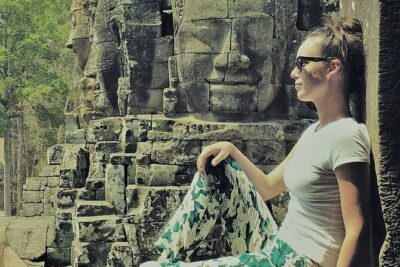
Siem Reap Tour: Angkor Wat Sunrise, Bayon, Ta Prohm, Banteay Srei
Read our review →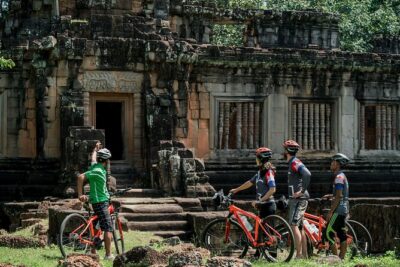
Angkor Wat one Day Private Tour for All Highlight Angkor Temples
Read our review →
1-Day private Angkor Temple Tour from Siem Reap
Read our review →
Private one-day tuktuk ‘small tour’ of the oldest Angkor temples
Read our review →Browse the lists this tour appears in