
Reviewed · TOURS IN SIEM REAP
5-Day ‘All The Sights’ Tour
Angkor is only the beginning here. This five-day private tour reaches the famous temples, remote Khmer ruins, a mountain waterfall, a stilt village on Tonle Sap, and the markets of Siem Reap. You get a broad look at Cambodia rather than five days spent circling the same few monuments.
I like the easy hotel-to-hotel transport, especially on long days such as Koh Ker and Phnom Kulen. I also like the private format, which lets you pause, ask questions, or change the pace with your own guide. The main drawback is the sheer amount of ground covered. Some days begin early, involve long drives, and require plenty of walking in heat.
Key points before you book

- Private touring with an English-speaking guide: Your group travels with its own guide and driver rather than joining a large coach.
- Two visits to Angkor Wat: You see the temple complex during the main circuit and return for sunrise on Day 3.
- Remote ruins beyond the usual Angkor circuit: Koh Ker, Beng Mealea, and Preah Vihear add long drives but offer a very different setting.
- A swim at Phnom Kulen: The mountain day includes the 1000 Lingas, a waterfall, a pagoda, and a reclining Buddha.
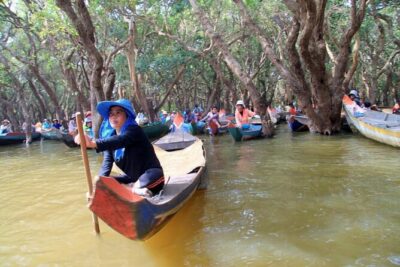
- Kompong Phluk by motorized boat: You cruise among stilt houses and see a community tied to the seasonal waters of Tonle Sap.
- Temple passes cost extra: The $309 price does not include Angkor admission, Koh Ker, Beng Mealea, meals, or drinks.
What this five-day route does well
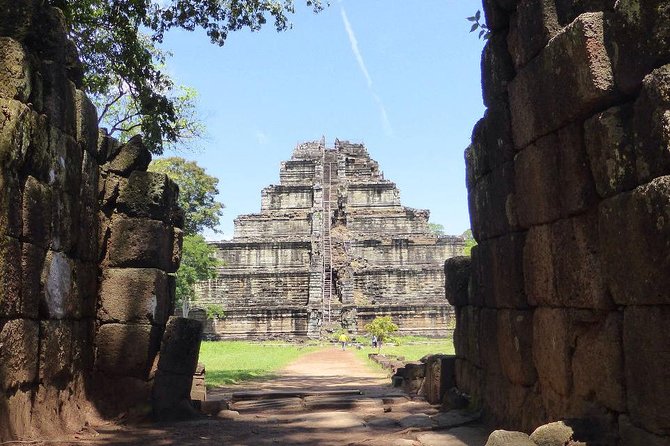
The smart idea behind this tour is range. You see Angkor Wat and Bayon, but you also get smaller temples, distant archaeological sites, countryside, a mountain park, and life on the lake. That mix helps Cambodia feel like a country, not simply a collection of old stone buildings outside Siem Reap.
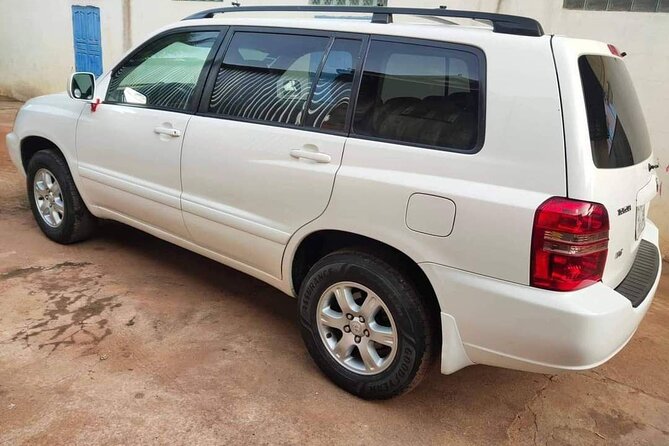
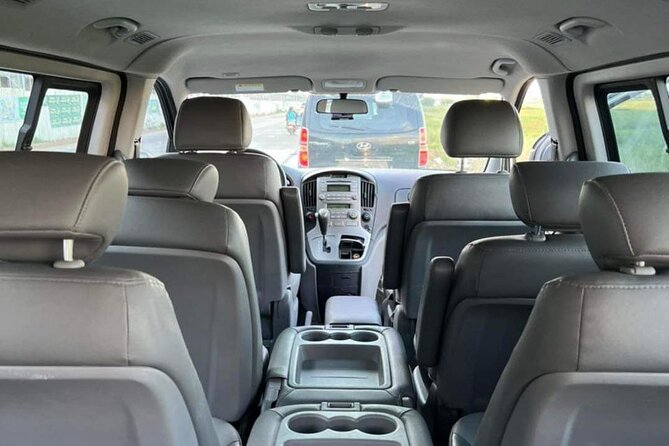
The private setup matters. You are picked up at your hotel at 8:30 am, ride in your own vehicle, and return to your hotel at the end of each day. Bottled water and cold towels are included, a small comfort when the tropical heat begins to wear you down.
The tour has a strong service record, with an overall rating of 5 from 11 published ratings and 100 percent recommendation. Guide Choup is singled out for clear English and strong command of the subject. Driver Mr Bean is praised for careful driving, an air-conditioned car, water, and steady attention throughout the day. Staff are also praised for friendly service and keeping the vehicle cool.
Still, you should read the route honestly. This is not a slow, one-temple-per-day holiday. It is an ambitious sightseeing plan. The remote sites require long journeys, and the temples involve uneven ground, stairs, sun, and walking. The tour is not suitable for anyone who cannot walk normally or has below-average fitness.
A few more things to do in Siem Reap worth a look
- Angkor Wat Sunrise and Tonle Sap Lake 1.5 Days
★ 5.0 · 39 reviews - Private Cambodia 5 Days Tour from Siem Reap to Phnom Penh
★ 5.0 · 19 reviews - 5-Day All Major Temples & Kulen Mount Waterfall & Koh Ker & Beng Mealea
★ 5.0 · 13 reviews
Day 1: Bayon faces, Ta Prohm roots, and Angkor Wat
Your first stop is the Angkor Enterprise ticket office, where you buy an Angkor pass. A three-day pass is listed at $62 per person, while a seven-day pass costs $72. Since the program returns to Angkor on Day 3, the three-day ticket is the logical choice for most people, though you should confirm the current price and ticket rules when booking.
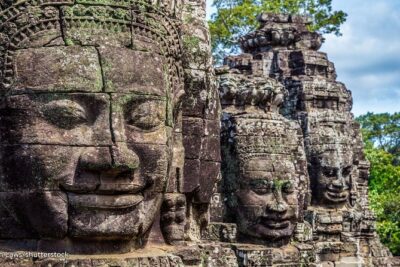
Bayon gives you a dramatic introduction. Its towers carry the famous carved faces associated with King Jayavarman VII and the late 12th or early 13th century. The temple sits at the center of Angkor Thom, so it also gives you a sense of how the old capital was organized.
Next comes Baphuon, a large temple mountain built in the mid-11th century as a Hindu temple dedicated to Shiva. Its three-tiered form feels different from Bayon, and the contrast helps you see that Angkor was built over many reigns and religious shifts.
Ta Prohm is the day’s most atmospheric stop. Trees grow through the stonework, and walls, galleries, and roots share the same visual space. It is also one of the most popular temples on the route, so your private guide can help you make the most of the allotted hour without wasting time finding the main features.
The Terrace of the Elephants and the Terrace of the Leper King mark the eastern edge of the old royal grounds. Allow about 30 minutes here. The terraces are more about carved detail, royal ceremony, and the shape of the former city than about exploring a complete temple.
After lunch, you reach Angkor Wat, the huge religious complex that gives the region its name recognition. The scale takes time to absorb. Plan on walking between major areas, and listen closely as your guide explains the temple’s Hindu origins, later Buddhist use, design, and carvings.
The schedule gives Angkor Wat an unusually long visit, recorded as 1 day and 6 hours in the supplied timing. That appears to be a formatting error, but the practical point is clear: this is the main attraction and not a quick photo stop. Ask your guide how the time is divided on your departure date.
The final stop is Phnom Bakheng, a temple mountain dedicated to Shiva and built during the reign of Yasovarman I. It sits on a hill and is associated with sunset views. The listed duration is three hours, so this can make for a long finish after a full day of temples. Bring water, wear shoes with a firm grip, and be ready for a climb.
Day 2: Phnom Kulen and the fine carvings of Banteay Srei
Day 2 moves north toward Phnom Kulen. First, you stop at the River of 1000 Lingas. Carvings in the riverbed represent lingas, a symbol linked with Shiva. Your guide can help connect this unusual site to Khmer religious practice and the wider role of water in temple culture.
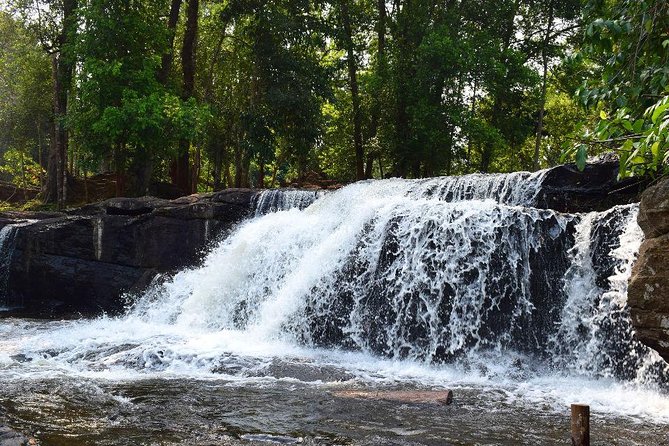
Phnom Kulen National Park supplies a change of mood. Instead of stone galleries, you get a mountain setting and time to swim at a waterfall. Two hours are allotted for the waterfall, followed by another two hours for a short walk to a pagoda and reclining Buddha. A water blessing may sometimes be available at the pagoda.
This is one of the tour’s best breaks from temple corridors. Pack swimwear and a change of clothes if you want to use the waterfall. The day also includes a local lunch, though meals are not included in the tour price, so plan to pay separately.
Banteay Srei is the artistic highlight of the afternoon. This 10th-century temple dedicated to Shiva is smaller than Angkor Wat, but its pink sandstone carvings are remarkably detailed. The nickname ladies temple is widely used, though the site deserves more than a quick label. Give yourself time to study the carved figures and fine borders.
Banteay Samre follows, a Hindu temple from the early 12th century built in the Angkor Wat style. It tends to feel more contained and less overwhelming than the headline monuments. That makes it a useful stop after Banteay Srei, particularly if you want to compare temple layouts and decorative styles.
The day ends at Pre Rup, a brick, laterite, and sandstone temple mountain built around 961 or 962. It is a strong place to see how Khmer builders combined different materials. After a waterfall, rural drive, and several temples, however, you may find the final hour tiring.
Day 3: Sunrise, the Grand Circuit, and quieter temples
Day 3 starts with a return to Angkor Wat for sunrise. The schedule allows three hours, then takes you back to the hotel for breakfast. This arrangement is practical. You do not need to carry a full breakfast into the temple grounds, and you get a break before the next group of monuments.
Sunrise is popular, so do not expect solitude. The value is seeing Angkor Wat change from a dark silhouette into a detailed stone complex while the sky brightens behind it. Your private guide can help you choose where to spend the limited morning time.
After breakfast, the route turns to Preah Khan, Neak Pean, Ta Som, and East Mebon. These temples are clustered together, which keeps driving between stops modest compared with the long-distance days.
Preah Khan was a major complex with long passageways and carved details. Neak Pean is known for its unusual water-centered design. Ta Som is smaller and more intimate, while East Mebon gives you another temple mountain and another chance to compare construction styles.
After lunch, you return to Ta Prohm and add Ta Nei. Seeing Ta Prohm twice may sound repetitive, but the second visit can work well if the first day felt rushed. You may also use the private format to focus on different carvings or spend less time in the busiest areas.
Banteay Kdei closes the day. Its name means Citadel of Chambers, and the Buddhist temple has a more worn, layered quality than the polished image many people carry of Angkor. The three days around Angkor are the heart of the program, and this day gives you a fuller sense of the site beyond its most famous buildings.
Same base, a different kind of day out:
- Angkor Wat Sunrise or Sunset Tour with Guide from Siem Reap
★ 5.0 · 12,109 reviews - Siem Reap: Angkor Wat: Small-Group Sunrise or Sunset Tour
★ 5.0 · 9,444 reviews - From Siem Reap: Kampong Phluk Floating Village Tour by Boat
★ 4.9 · 6,979 reviews - Sunset tour of Kampong Phluk stilts home village on the Tonle Sap
★ 5.0 · 4,865 reviews
Day 4: Koh Ker, Beng Mealea, and Preah Vihear
This is the most demanding day. The route begins with a drive of about 120 kilometers to Koh Ker, a remote archaeological area with more than 180 recorded sanctuaries in a sparsely populated, jungle-filled region. The listed time is six hours, which includes a substantial amount of road time and site exploration.
Koh Ker is a good choice if you want to see a less polished side of Cambodia’s ancient architecture. It feels far removed from the compact Angkor circuit. The tradeoff is simple: you spend a large portion of the day in the vehicle.
After lunch, you continue to Beng Mealea, a temple ruin from the Angkor Wat period located about 40 kilometers east of the main Angkor group. Its position on an old royal road adds context, while its ruined condition gives the site a rougher, more open feel than the restored or carefully managed monuments near Siem Reap.
The schedule allows four hours at Beng Mealea, though the long transfer pattern means you should ask how the day is timed in practice. The temple entrance fee is separate and listed at $5 per person.
Preah Vihear is the final major stop. This ancient Hindu temple sits atop a 525-meter cliff in the Dangrek Mountains. The setting is the attraction as much as the architecture, but the visit adds yet another long journey to an already full day.
Koh Ker, Beng Mealea, and Preah Vihear are valuable because they expand your view of Khmer architecture. They are not filler stops. They also explain why this tour suits people who would rather see more of Cambodia than spend every day inside the main Angkor zone.
Day 5: Stilt houses, Tonle Sap, and Siem Reap markets

The final day begins at Kompong Phluk, a group of villages built largely on tall stilts along Tonle Sap. The community depends heavily on fishing, with the wet season from May through October shaping daily life. The boat ride is included, and about four hours are allowed for the visit.
The water level changes the look of the village across the year. You cruise among the stilt houses and see how homes and livelihoods adapt to the lake. This is a useful counterpoint to the temples because it brings the present-day region into the trip.
Keep in mind that Kompong Phluk is a working community, not a museum set up only for sightseeing. Your guide can help explain what you are seeing, but you should approach the boat ride with respect and avoid treating homes as stage scenery.
The afternoon turns to Siem Reap shopping. The route includes Phsar Leu Thom Thmey, Phsar Chas, and Artisans d Angkor, with about three hours listed for the market and craft stops. Phsar Chas is the old market, while Phsar Leu is known as the top market. Artisans d Angkor adds a more organized look at Cambodian craft production.
This is a practical final day. You can buy food items, crafts, and souvenirs after learning enough about Cambodia to make better choices. Market prices and shopping conditions are not specified, so carry small amounts of cash and ask your guide for help when useful.
What the $309 price really covers
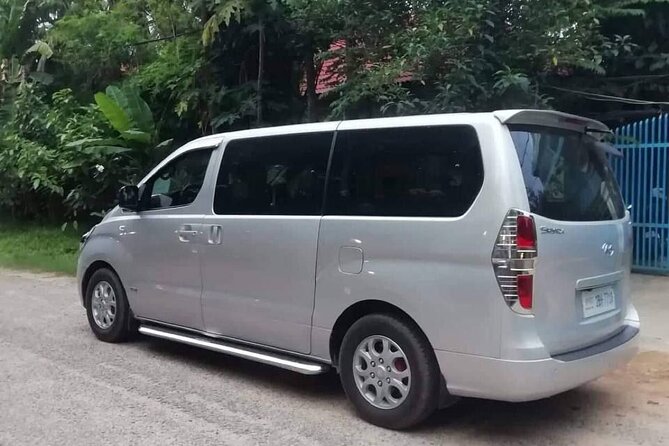
At $309, the tour offers strong value for a private five-day program, but the headline price is not your final trip cost. The package includes hotel pickup and drop-off, an English-speaking guide, private transport, the Kompong Phluk motorized boat, bottled water, and cold towels.
You must budget separately for:
- The Angkor pass, listed at $62 for three days or $72 for seven days
- Koh Ker admission, listed at $10 per person
- Beng Mealea admission, listed at $5 per person
- Meals, soft drinks, and alcohol
- Any other entrance charges not covered by the operator
The value comes from the number of sites and the private vehicle. Long drives to Koh Ker, Beng Mealea, and Preah Vihear would be harder to manage independently, especially if you do not want to arrange separate transport and local guidance for each area.
The price is less attractive if you only want Angkor Wat, Bayon, and Ta Prohm. A shorter Angkor-focused plan would give you more rest and fewer extra fees. This five-day option earns its keep when you genuinely want mountains, remote ruins, lake life, and markets as well as the main temples.
Practical advice for handling the pace

Wear light clothing that covers shoulders and knees for temple visits. Use sturdy footwear, since the route includes stairs, uneven temple surfaces, walking paths, and a mountain site.
Bring swimwear and dry clothes for Phnom Kulen. Keep sun protection, water, and a small day bag with you, even though bottled water and cold towels are supplied.
The vehicle leaves your hotel at the stated start time of 8:30 am. Some days may begin earlier in practice because of the Angkor sunrise, so confirm the exact pickup time for Day 3.
Children under three cannot join. Most people can take part, but the program is not suitable for anyone with below-average fitness or difficulty walking. A private tour gives you some control over breaks, but it cannot remove the walking and transfer demands built into this route.
Free cancellation is available if you cancel at least 24 hours before the experience begins. Within 24 hours, the payment is not refunded, and late changes are not accepted.
Who should book this tour?
Book it if you want one organized trip covering Angkor’s major temples, lesser-known ruins, Phnom Kulen, Tonle Sap, and Siem Reap markets. It is especially useful for first-time visitors who prefer one guide, one driver, and a clear plan.
The tour also suits families or small groups who value privacy and air-conditioned transport. The personal attention from guide Choup and the careful driving associated with Mr Bean are useful details to request when arranging your booking, though guide and driver assignments should be confirmed rather than assumed.
Think twice if you dislike long drives, early starts, heat, or packed sightseeing days. You may prefer a shorter Angkor plan with more free time in Siem Reap.
For the right person, this is a strong all-round Cambodia program. It gives you the headline temples, but it also shows the mountain, the lake, remote ruins, local markets, and the living communities around Siem Reap. Just budget for entrance fees and meals, and arrive ready to walk.
FAQ
What is included in the five-day tour?
Hotel pickup and drop-off, a professional English-speaking guide, private transportation, the Kompong Phluk motorized boat, bottled water, and cold towels are included.
Are Angkor temple passes included?
No. The Angkor pass is not included. The supplied pricing lists a three-day pass at $62 per person and a seven-day pass at $72 per person.
Are Koh Ker and Beng Mealea entrance fees included?
No. Koh Ker admission is listed at $10 per person, and Beng Mealea admission is listed at $5 per person.
Are meals included?
No. Meals, soft drinks, and alcohol are not included in the tour price. A local lunch is scheduled on the Phnom Kulen day, but you pay for meals separately.
Is this a private tour?
Yes. Only your group participates, with a guide and driver assigned to your party.
Is the tour suitable for young children or anyone with limited mobility?
Children under three are not permitted. Most people can participate, but the tour is not suitable for anyone who cannot walk normally or has below-average fitness.
Just added in Siem Reap
- Twilight Tastes of Siem Reap Include Dinner★ 5.0 · 13 reviews
- Ultimate Sunrise to Angkor Wat, Angkor Thom and Bayon Temple★ 5.0 · 3 reviews
- Trekking Tour at Phnom Kulen National Park from Siem Reap★ 5.0 · 3 reviews
- Full-Day Private Tour of Angkor Wat with Pick Up★ 5.0 · 12 reviews
- Siem Reap City Tour with War Museum and Killing Field★ 5.0 · 27 reviews
- Waterfall & River of 1000 Siva Linga- Kulen Mountain Private Tour★ 5.0 · 3 reviews
- Private Day Trip to Angkor Temples with Expert Guide★ 5.0 · 4 reviews
- Angkor Wat Experience Temple Pass and Siem Reap Food Tour★ 5.0 · 13 reviews
Tours in Siem Reap, compared.
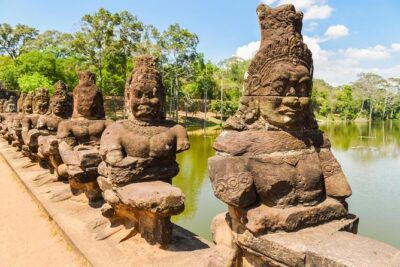
Angkor Wat Sunrise or Sunset Tour with Guide from Siem Reap
Read our review →
Angkor Wat: Small-Group Sunrise or Sunset Tour
Read our review →
Sunset tour of Kampong Phluk stilts home village on the Tonle Sap
Read our review →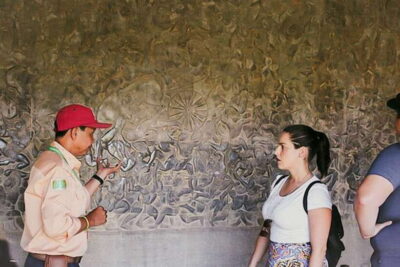
Angkor Wat 2-Day Tour with Sunrise and Sunset
Read our review →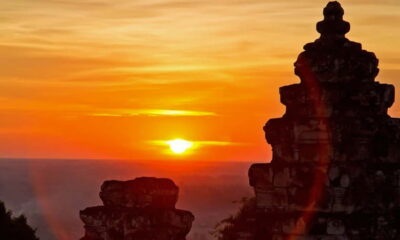
Angkor Wat Sunrise tour with Small – Group and Guide tours
Read our review →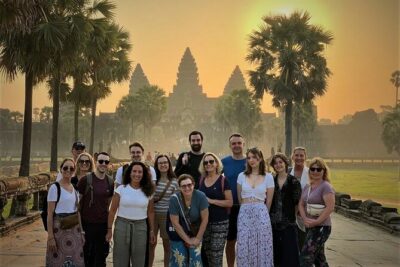
Angkor Wat Highlights and Sunrise Guided Tour from Siem Reap
Read our review →Browse the lists this tour appears in