
Reviewed · ANGKOR WAT SUNRISE TOURS
Angkor Wat Sunrise and Tonle Sap Lake 1.5 Days
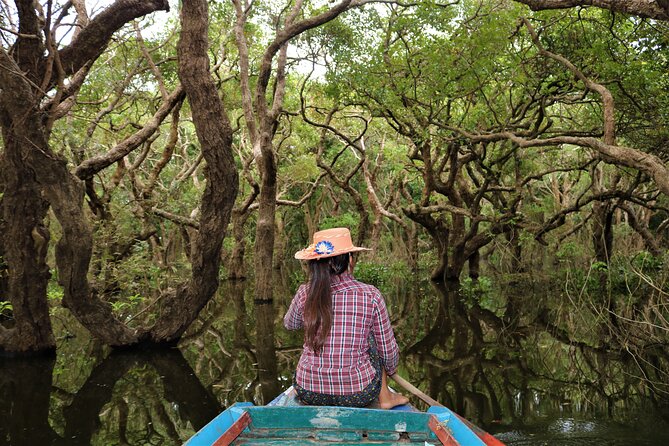
Angkor Wat at sunrise is the hook here, but the clever part is what comes after. You enter from the quieter eastern side before dawn, then spend the day moving through Angkor Thom, Bayon, the Terrace of the Elephants, and Ta Prohm. On day two, the temples give way to Tonle Sap Lake and Kampong Phluk, where life follows the lake’s changing water levels.
I like the small maximum group of 10, since that gives your guide a better chance to explain what you are seeing without turning every stop into a head-counting exercise. I also like that the $59 price includes air-conditioned transport, hotel pickup, water, and the Tonle Sap boat trip. The catch is the 4:20 am start and the extra $37 temple pass, which brings the basic cost to $96 before meals.
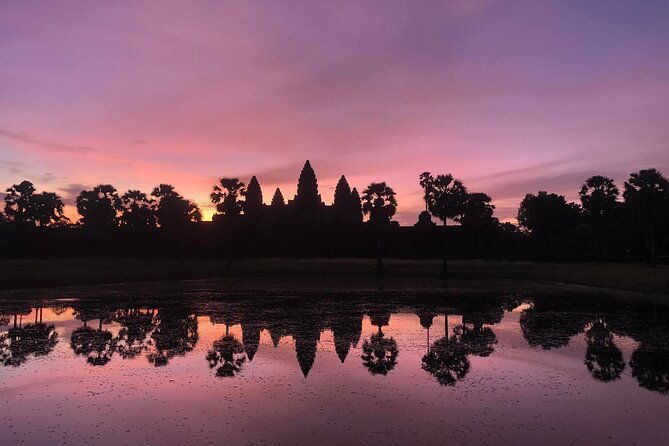
- Sunrise entry from Angkor Wat’s eastern side gives you a less typical approach to the temple.
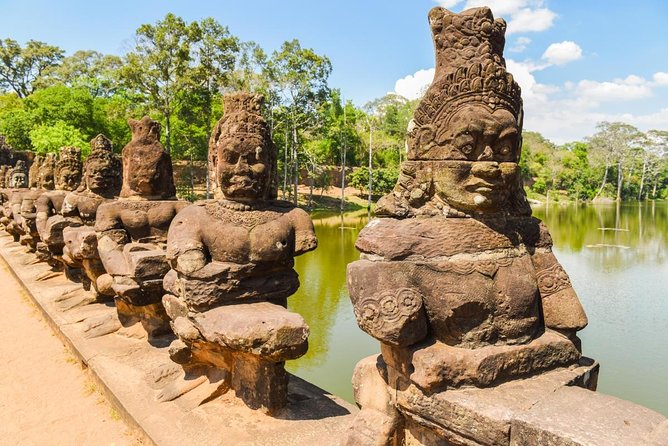
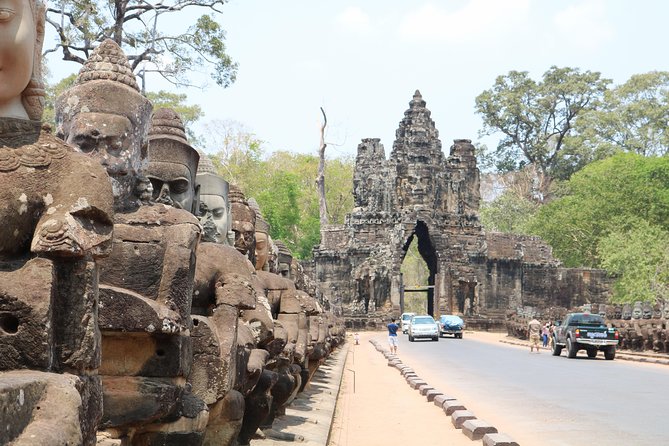
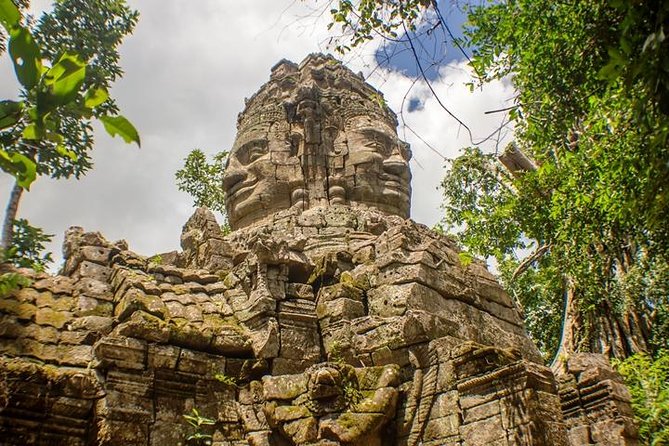
- Angkor Thom and Bayon add royal gates, giant stone faces, and a sense of the former capital.
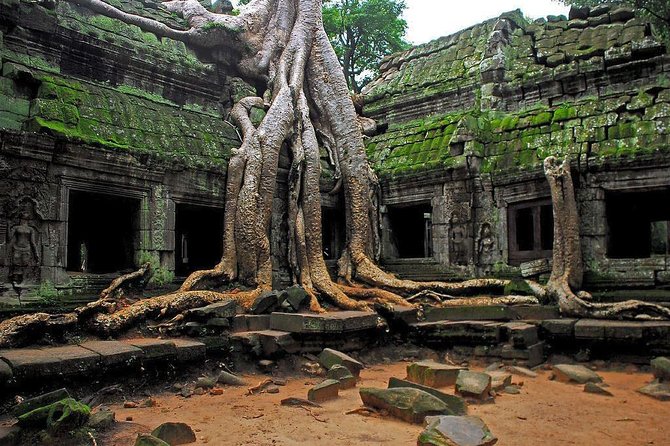
- Ta Prohm supplies the atmospheric stop, with trees and masonry sharing the same space.
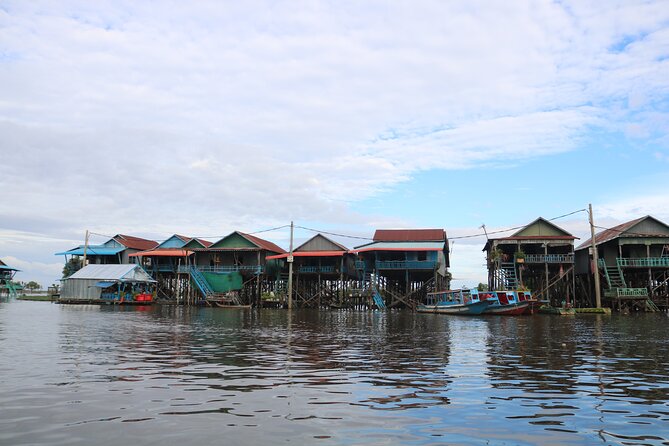
- Kampong Phluk shows a lake community shaped by Tonle Sap’s dramatic seasonal changes.
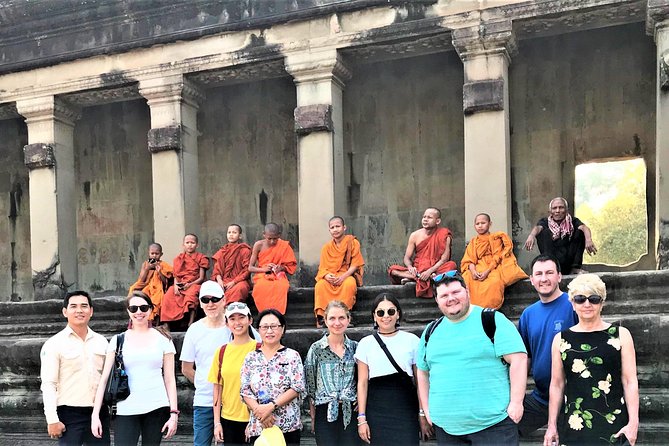
- A group of up to 10 keeps the outing more personal than a large coach tour.
- The $37 temple pass is separate, so add it to the advertised tour price when planning your budget.
Why This 1.5-Day Plan Works in Siem Reap
If your time in Siem Reap is tight, this tour covers the two big experiences most people hope to see: the Angkor temples and Tonle Sap Lake. It does not try to fill every hour with minor monuments. Instead, it uses day one for the main temple circuit and day two for a very different view of local life.
The arrangement also saves you from sorting out drivers, routes, and pickup times on your own. Your guide travels with you in an air-conditioned vehicle, and hotel pickup and drop-off are included. That matters most on the first morning, when finding your way to Angkor Wat in the dark would be an unnecessary chore.
The tour is listed at $59 per person, with a minimum booking of two people. Add the required $37 temple pass, paid directly on the day, and you are at $96 per person before food. For that total, you receive the guide, transport, hotel transfers, mineral water, the lake entrance fee, and boat cruise. I consider that fair value if you want both the major temples and Kampong Phluk without arranging separate outings.
The 4:20 am Start and Angkor Wat Sunrise
Your pickup is scheduled between 4:10 and 4:30 am, depending on the season, with a stated start time of 4:20 am. This is not a gentle holiday morning. You will need to set an alarm, prepare clothing the night before, and accept that the first part of the experience happens while most of Siem Reap is still asleep.
The reward is seeing Angkor Wat before the daytime heat builds. The tour enters through the eastern side, described as a little-visited approach, and reaches the temple in darkness. That route gives the morning a sense of occasion without relying only on the famous front view.
Sunrise itself is weather-dependent. Clear conditions can provide the classic early light around the temple, but the tour does not control the sky. Bring patience, comfortable shoes, and modest clothing. You need to cover your shoulders and knees for the temple visit, and walking shoes are recommended.
The Angkor Wat portion lasts about three hours. That is enough time to experience the early arrival and explore the temple area, but it is not a leisurely half-day archaeological study. Your guide is especially useful here, since the complex can feel confusing when you are tired and the light is changing.
One especially strong guide mentioned for this experience is Mr Sokpee. If he is leading your departure, you can expect explanations that extend beyond the stones to Cambodian culture. The guide’s role is important on a morning like this, since good context helps you understand why the buildings matter instead of simply collecting photographs.
Other early starts at the temples from Siem Reap:
- Angkor Wat Sunrise or Sunset Tour with Guide from Siem Reap
★ 5.0 · 12,109 reviews - Angkor Wat Sunrise tour with Small – Group and Guide tours
★ 5.0 · 3,655 reviews - Full-Day Angkor Wat Sunrise Private Tour with Guide from Siem Reap
★ 5.0 · 2,920 reviews
Angkor Thom, Bayon, and the Former Royal Center
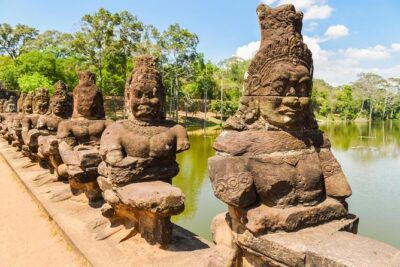
After Angkor Wat, the route continues to Angkor Thom South Gate. You have around 30 minutes here, enough to pause at the entrance and take in the scale of the old capital before going farther inside.
Angkor Thom was once the Khmer Empire’s capital, and the gate gives you an immediate sense of its planned grandeur. This is a useful contrast with Angkor Wat. Angkor Wat feels like a monumental temple complex, while Angkor Thom introduces a much larger city setting and the power that once operated from it.
The itinerary then allows about 90 minutes for Angkor Thom, including Bayon. Bayon is the stop where the stonework becomes especially personal and watchful, with carved faces looking out from its towers. I would give your attention to the changing views as you move around the temple rather than rushing to one famous angle.
The schedule is active, and the day has already started before sunrise. You may appreciate the steady pace because it keeps the main sights moving, but you should not expect long quiet periods at each monument. The small group limit helps here. With no more than 10 people, it should be easier to hear the guide and stay together without the feel of a large bus outing.
The Terraces and Ta Prohm’s Tangled Ruins
The plan next includes the Terrace of the Elephants and the Terrace of the Leper King, with up to two hours allocated to this part of the Angkor Thom area. These terraces are not just quick photo stops. They help you picture the ceremonial center of the former capital and the way royal processions and public displays once used the space.
The itinerary also lists pass-by stops along the route. That means some monuments are seen from the vehicle or while moving between the principal visits, rather than receiving a full guided stop. If you want to study every temple in detail, this is not the right format. If you want a strong first look at the major names, the selection is sensible.
Ta Prohm receives about an hour and is often the day’s most atmospheric temple. It was once home to 2,740 monks, and the site still has the weathered, partly reclaimed appearance that made it famous. Trees grow around and over sections of the masonry, giving the ruins a more unsettled appearance than the broad formality of Angkor Wat.
The appeal of Ta Prohm is also its limitation. Uneven surfaces, stones, and roots make comfortable shoes important. After a pre-dawn start and several temple visits, you may feel the day in your legs. Still, this stop earns its place because it shows a different side of Angkor: not only grand construction, but also time, weather, and vegetation pressing against it.
By the end of day one, you will have seen the core highlights, but you will probably want a quiet evening. The schedule begins early and includes a great deal of walking. Plan your dinner and bedtime with that in mind rather than treating the evening as another full sightseeing session.
Rolous Market and the Road to Tonle Sap
Day two begins with hotel pickup and a journey through small communities toward the lake. The first stop is Rolous Market, where you have about 20 minutes to look around and take photographs.
This short market visit is best understood as a window onto the route rather than a major market expedition. You will not have hours to shop or linger. Its value is the change of setting: after the monumental temples, you see a more ordinary part of daily Cambodia before reaching the water.
The time is brief, so keep your camera ready and stay aware of the departure schedule. A short stop can work well on a two-day plan, but it is not suited to anyone who wants extended time browsing stalls or speaking with vendors.
Other trips out on the lake from Siem Reap:
- From Siem Reap: Kampong Phluk Floating Village Tour by Boat
★ 4.9 · 6,979 reviews - Sunset tour of Kampong Phluk stilts home village on the Tonle Sap
★ 5.0 · 4,865 reviews - Kompong Phluk Floating Village Half-Day Tour ( Morning / Sunset )
★ 5.0 · 1,494 reviews - Siem Reap: Kulen Mountain, Beng Mealea and Tonle Sap Tour
★ 5.0 · 1,483 reviews
Kampong Phluk and the Seasonal Life of Tonle Sap
Kampong Phluk is the main focus of day two, with about three hours set aside for the village and boat cruise. The Tonle Sap is one of the world’s most productive freshwater bodies, and its size changes sharply with the seasons. In the wet season, it can swell to about 12,000 square kilometers. During the dry half of the year, it can shrink to roughly 2,500 square kilometers.
Those numbers explain why a village beside Tonle Sap cannot be understood as a fixed postcard scene. Water levels shape movement, work, and the look of the surrounding community. The boat ride lets you see that relationship directly, rather than viewing the lake only from shore.
The Tonle Sap entrance fee and cruise are included, which makes the second day easier to budget. You will still need to buy meals separately, and the tour leaves food to your own choice. That gives you flexibility, though you should not expect lunch to be part of the package.
Kampong Phluk also balances the temple-heavy first day. Angkor tells you about an empire and its monuments. The lake village shows how people live with a major natural system that changes dramatically between wet and dry seasons. I value that contrast because it keeps the tour from becoming only a procession of ruins.
Conditions on the lake can vary with the time of year. The provided schedule does not promise a specific water level or a particular village view, so you should go expecting the seasonal character of Tonle Sap rather than one fixed scene. The tour can be canceled or moved if poor weather prevents the experience.
What the Guide and Vehicle Add
The English-speaking guide is a major part of the value. Without a guide, you can certainly walk around Angkor, but it is harder to connect the gates, terraces, religious buildings, and former capital into one clear picture. A licensed guide can also help keep the schedule moving, which matters when the morning includes several major sites.
Mr Sokpee is specifically associated with a particularly strong experience on this route. If he is your guide, pay attention to the cultural explanations as well as the temple facts. The useful difference is not just knowing names and dates. It is having someone explain how the places fit into Cambodian culture and the wider story of the country.
Transport is by air-conditioned vehicle. That is a practical benefit in Siem Reap, especially after walking around exposed temple grounds. Hotel pickup and drop-off remove the need to arrange separate rides for two early starts.
The group maximum is 10 people. That does not guarantee a private experience, but it is small enough to make questions more realistic and instructions easier to hear. The minimum booking is two people, so solo visitors cannot book this particular arrangement alone unless they join another booking under the operator’s conditions.
Clothing, Cost, and Who Should Book
The temple dress rule is clear: cover your shoulders and knees. Pack light, breathable clothing that meets that requirement, along with walking shoes. Since the first pickup is before dawn, it also helps to have a layer you can carry until the morning warms up, though the tour information does not specify temperatures or provide clothing.
At $59, the headline price looks low for two sightseeing days, but the required $37 temple pass changes the calculation. Your working total is $96 per person, plus meals. The pass is paid directly at the site, so do not mistake the advertised tour price for the full cost of the temple day.
I think the package suits you best if:
- You have limited time in Siem Reap and want the major Angkor stops.
- You prefer a guide and arranged transport to independent navigation.
- You want to pair the temples with Tonle Sap rather than spend both days at monuments.
- You are comfortable with a very early start and a full first day.
- You want a small group rather than a large coach.
It may not suit you if you want slow temple photography, long market visits, or a flexible start. The itinerary covers a lot, and the dawn departure is the price of seeing Angkor Wat at that hour.
Free cancellation is available if you cancel at least 24 hours before the start time. Changes made inside that window are not accepted, and poor weather or failure to reach the minimum number of participants can lead to a new date, another experience, or a full refund.
Should You Book This Angkor and Tonle Sap Tour?
I would book this tour if I had about two days in Siem Reap and wanted a well-organized first look at both the Angkor temples and Tonle Sap Lake. The route makes good use of limited time, and the combination of Angkor Wat, Bayon, Ta Prohm, and Kampong Phluk gives you more range than a temple-only outing.
The strongest reasons are the eastern-side sunrise entry, the small group cap, the air-conditioned transport, and the guide’s cultural context. The main warnings are the 4:20 am pickup, the extra $37 temple pass, and the brisk pace.
Choose it for coverage and convenience, not for a slow, private archaeological experience. If that tradeoff suits you, the $96 base total before meals is a reasonable way to see Siem Reap’s essential sights without spending your short visit on transport planning.
FAQ
How long does the experience last?
The experience lasts approximately two days, or 1.5 days as described in its title.
What time does the tour start?
Pickup begins around 4:10 to 4:30 am, depending on the time of year. The stated start time is 4:20 am.
Is hotel pickup included?
Yes. Hotel pickup and drop-off are included.
Is transportation air-conditioned?
Yes. Transport is provided in an air-conditioned vehicle.
Is the temple pass included?
No. The Angkor temple pass costs $37 per person and must be paid directly at the site on the day of the activity.
Is the Tonle Sap boat cruise included?
Yes. The Tonle Sap entrance fee and boat cruise are included.
Are meals included?
No. Meals are not included and are available at your own choice.
What should I wear to the temples?
You need to cover your knees and shoulders during the temple visits.
How many people can join the tour?
The tour has a maximum of 10 travelers.
Can children join the tour?
Children must be accompanied by an adult, and children younger than 5 years old are not allowed.
More 5-Day Experiences in Siem Reap
- Private Cambodia 5 Days Tour from Siem Reap to Phnom Penh
★ 5.0 · 19 reviews - 5-Day All Major Temples & Kulen Mount Waterfall & Koh Ker & Beng Mealea
★ 5.0 · 13 reviews - 5-Day ‘All The Sights’ Tour
★ 5.0 · 11 reviews - Angkor Wat: Sunrise 2.5 Days Temples & Tonle Sap-Small Group
★ 5.0 · 10 reviews
Just added in Siem Reap
- Twilight Tastes of Siem Reap Include Dinner★ 5.0 · 13 reviews
- Ultimate Sunrise to Angkor Wat, Angkor Thom and Bayon Temple★ 5.0 · 3 reviews
- Trekking Tour at Phnom Kulen National Park from Siem Reap★ 5.0 · 3 reviews
- Full-Day Private Tour of Angkor Wat with Pick Up★ 5.0 · 12 reviews
- Waterfall & River of 1000 Siva Linga- Kulen Mountain Private Tour★ 5.0 · 3 reviews
- Private Day Trip to Angkor Temples with Expert Guide★ 5.0 · 4 reviews
- Siem Reap City Tour with War Museum and Killing Field★ 5.0 · 27 reviews
- Angkor Wat Experience Temple Pass and Siem Reap Food Tour★ 5.0 · 13 reviews
Angkor Wat Sunrise Tours, compared.
Angkor Wat Sunrise or Sunset Tour with Guide from Siem Reap
Read our review →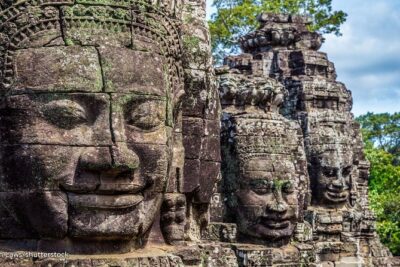
Angkor Wat Sunrise tour with Small – Group and Guide tours
Read our review →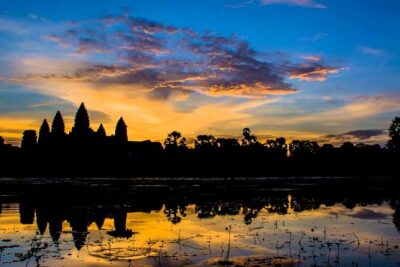
Full-Day Angkor Wat Sunrise Private Tour with Guide from Siem Reap
Read our review →
Angkor Wat Sunrise & 3 Main Temples with Breakfast – Small Group
Read our review →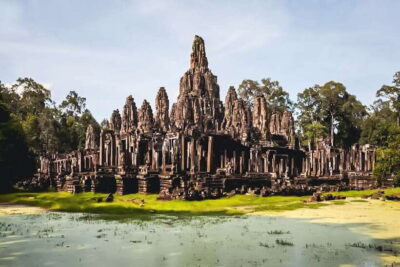
Angkor Wat Sunrise and Full-Day Sightseeing Tour
Read our review →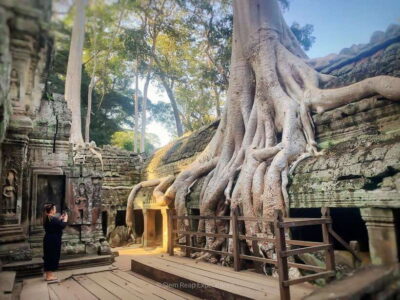
2 Days Exclusive Temple Highlights with Sunset and Sunrise Tour
Read our review →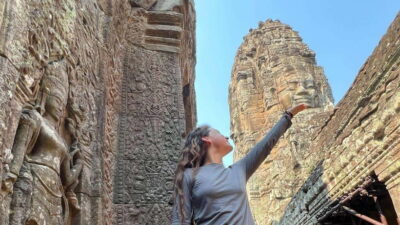
Angkor Sunrise 1- or 2-Day Guided Temples Tour
Read our review →Browse the lists this tour appears in