
Reviewed · BANTEAY SREI & BENG MEALEA TOURS
2-Day Angkor Wat Tour with Banteay Srei and Floating Village
Angkor Wat is only the beginning here. This two-day private tour brings you from Bayon’s giant stone faces and Ta Prohm’s tree roots to the fine carvings of Banteay Srei, then adds sunrise, sunset, and a boat trip through Kampong Phluk on Tonle Sap Lake. It is a full look at Siem Reap’s major sights, not just a quick temple stop.
I like the private vehicle and flexible schedule, which let you adjust the pace, skip a stop, or linger for photos. I also like the small comforts: air-conditioning, chilled water, cool towels, and an English-speaking guide such as Sean, Seila, Sam, or Makara, several of whom are praised for clear explanations and excellent photo spots.
The main drawback is the pace. You begin before sunrise on the second day, visit a long list of temples, and finish with Banteay Srei and the floating village. The boat trip costs extra, and the village can look quite different during the dry season.
Key points at a glance
- Two private days cover the major Angkor temples, including Angkor Wat, Bayon, Ta Prohm, Preah Khan, and Banteay Srei.
- Sunrise and sunset are both built into the plan, though weather and energy levels affect Phnom Bakheng.
- The private guide makes the schedule adjustable, useful for families, photographers, and first-time visitors.
- Kampong Phluk adds daily life beyond the temples, with an optional local boat ride on Tonle Sap Lake.
- Comfort matters in Cambodia’s heat, and the car provides air-conditioning, chilled water, and cool towels.
- Budget carefully for extras, especially the $62 Angkor admission fee, $15 Tonle Sap pass and boat charge, meals, and drinks.
Why this two-day Angkor plan works
Siem Reap’s temple park is too large for a casual morning. The best-known monuments sit among many other sites, and each has a different mood. Angkor Wat is grand and carefully ordered, Bayon is strange and expressive, Ta Prohm feels tangled and cinematic, and Banteay Srei rewards close attention to detail.
This tour gives you a sensible first look at that range. Day one concentrates on Angkor Thom and Angkor Wat, with a possible sunset from Phnom Bakheng. Day two starts early, then moves through several quieter temples before heading north to Banteay Srei and south to Tonle Sap.
I especially value the private format here. The schedule is not locked to a large group, so you can ask for more time at a favorite temple or cut a stop if the heat catches up with you. Families also benefit from this setup. One family said guide Makara kept preteen children interested, while other guests praised guides including Raman, Mony, Kamsan, and David for their friendly, clear presentations.
Other outlying temples from Siem Reap:
- Siem Reap: Kulen Mountain, Beng Mealea and Tonle Sap Tour
★ 5.0 · 1,483 reviews - Full-Day Banteay Srei & 4 Temples – Grand Tours Join-in Tour
★ 5.0 · 1,155 reviews - Siem Reap Tour: Angkor Wat Sunrise, Bayon, Ta Prohm, Banteay Srei
★ 5.0 · 931 reviews
Day one: Bayon, Angkor Thom, and the main temple
The first day begins inside Angkor Thom, the great walled city associated with King Jayavarman VII. It was once the center of a powerful Khmer empire, and the scale of the city helps you understand that Angkor was not one isolated temple. It was a huge royal and religious center.
Bayon’s stone faces
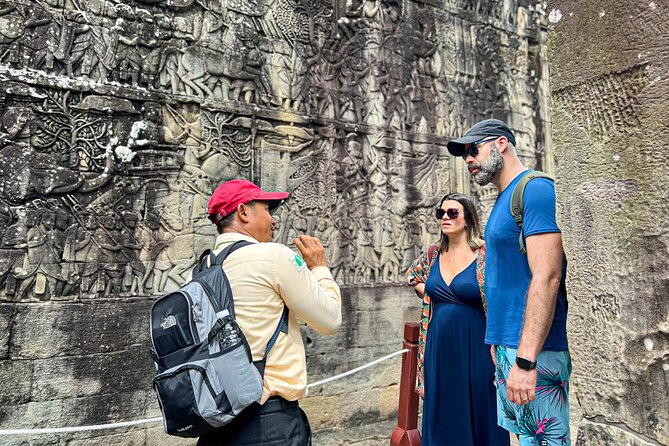
Allow about 45 minutes at Bayon. The temple is famous for its enormous carved faces, which appear from different angles as you move through the towers. Your guide can help you read the layout and explain the temple’s Buddhist setting under Jayavarman VII.
Bayon is visually busy, so a guide is useful. Without context, it can become a hunt for faces and photos. With a good explanation, you begin to see how the towers, galleries, and reliefs fit together. Guides such as Saylor and Seila are specifically praised for clear English and detailed answers.
Baphuon and the royal terraces
Baphuon receives about 30 minutes. This three-level temple mountain predates Bayon and offers a different style and sense of scale. It is a good place to compare earlier Khmer design with the later work of Jayavarman VII.
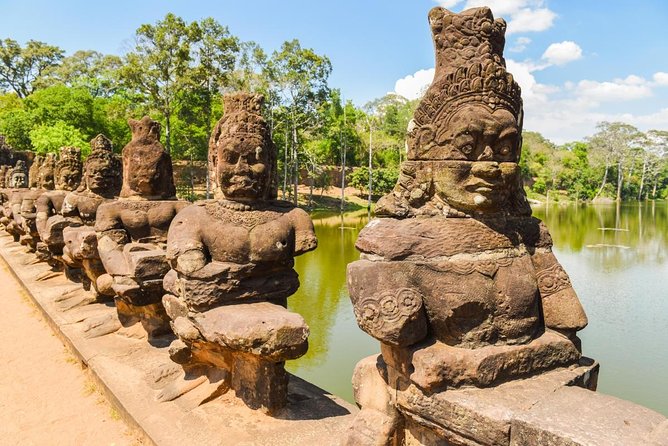
The Terrace of the Elephants is a short 15-minute stop. It served as a viewing platform for royal ceremonies and victories, and its carved elephants connect the structure to the power of the court. The nearby Terrace of the Leper King takes about 10 minutes and rewards a close look at its layered carved figures.
These stops are brief, but they help fill in Angkor Thom rather than reducing it to Bayon alone. If you are especially interested in architecture, ask your guide to slow down here. If you are hot or tired, these are logical places to keep moving.
Other trips out on the lake from Siem Reap:
- From Siem Reap: Kampong Phluk Floating Village Tour by Boat
★ 4.9 · 6,979 reviews - Sunset tour of Kampong Phluk stilts home village on the Tonle Sap
★ 5.0 · 4,865 reviews - Kompong Phluk Floating Village Half-Day Tour ( Morning / Sunset )
★ 5.0 · 1,494 reviews - Tonle Sap Lake & Kampong Phluk Village Half-Day Tour
★ 5.0 · 1,045 reviews
Lunch inside the park
The plan includes roughly 45 to 60 minutes for lunch at a local restaurant in Angkor Park. Food and drinks are your responsibility, so do not treat the $130 tour price as an all-inclusive figure.
A park lunch is practical rather than a major culinary event. It saves the drive back into Siem Reap and gives you time to cool down before Angkor Wat. Still, the middle of the day is demanding, so use the break properly. Eat, drink, and rest rather than rushing through another temple with no energy left.
Angkor Wat in the afternoon
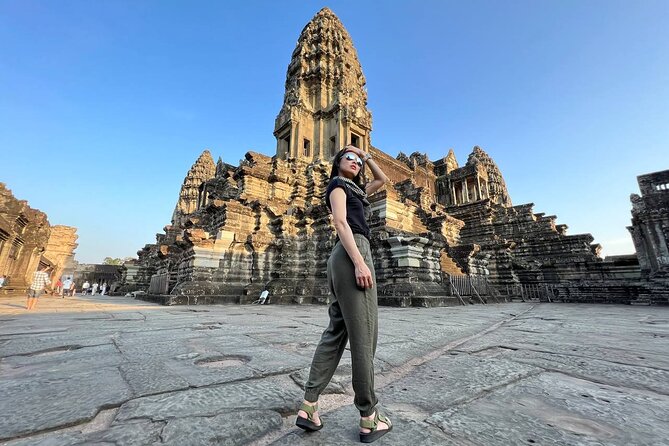
You get about 90 minutes at Angkor Wat on day one. The temple was built as a Hindu monument dedicated to Vishnu and later became a Buddhist site. Its galleries, towers, long causeway, and carefully balanced design make it the most complete architectural lesson of the tour.
An afternoon visit lets you see the temple without making sunrise the only event. You can focus on the structure, carved scenes, and movement through the galleries. Since sunrise returns on day two, this first visit can be less pressured.
Ninety minutes is enough for an introduction, though not enough for every corner. If Angkor Wat is your main reason for coming to Cambodia, tell your guide. The private arrangement may allow you to adjust the emphasis.
Phnom Bakheng sunset option
The final stop is Phnom Bakheng, with about 45 minutes if weather and energy permit. The plan treats this as an option, not a guarantee. That is sensible because the day already includes several major sites, and the second morning begins at 4:40 AM.
If you still have energy, the hill gives you a change of viewpoint and a chance to end the day outdoors. If you are worn out, skipping it is not a failure. You already have a full first day, and forcing one more climb can make the next morning harder.
Day two: sunrise, jungle roots, and smaller temples
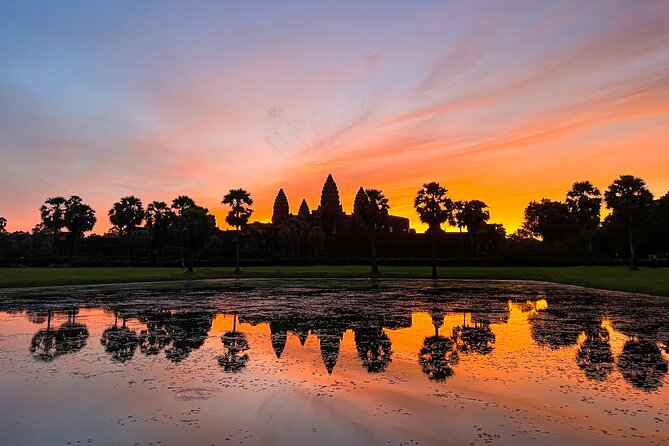
Day two begins with hotel pickup at about 4:40 AM. You go to Angkor Wat for sunrise, then have breakfast before continuing through the park.
This is the tour’s most memorable and most tiring morning. Sunrise depends on weather, and the sky may not produce the perfect colors shown in travel photos. Even so, arriving early lets you see Angkor Wat at a different hour and gives the monument a quiet, reflective start before the rest of the day unfolds.
Breakfast is included on day two. The details of the breakfast are not specified, so treat it as a useful included meal rather than plan around a particular menu.
Ta Prohm and the famous tree roots
After breakfast, Ta Prohm receives about an hour. This is the temple many people associate with jungle growth, where enormous roots press across walls and doorways. The site has been left partly overgrown, creating a strong contrast with Angkor Wat’s formal symmetry.
Ta Prohm can feel crowded at popular photo points, but a private guide can help you move efficiently and find better angles. Several guides are praised for knowing where to position a camera, and Makara is noted for taking portraits and panoramic photos. If pictures matter to you, tell your guide what kind of shots you want.
Pre Rup and East Mebon
Pre Rup takes about 40 minutes. This Hindu temple has a strong, stepped profile and was built as the state temple of King Rajendravarman. Its brick and stone surfaces offer another useful contrast with the grand sandstone work at Angkor Wat.
East Mebon takes about 30 minutes. It was built on an artificial island in the now-dry East Baray reservoir, so the setting tells you something about the water systems that supported Angkor. You will see the temple today, not the ancient reservoir, but the location makes more sense when your guide explains its original setting.
These are not simply spare stops to fill time. They show how Khmer builders worked with both temples and massive waterworks. I like this section because it moves you beyond the three most photographed monuments.
Ta Som and Neak Pean
Ta Som receives about 30 minutes. Built during Jayavarman VII’s reign, it is smaller and more intimate than the major temples. Its scale makes it easier to focus on doorways, carvings, and the way vegetation has returned around the ruins.
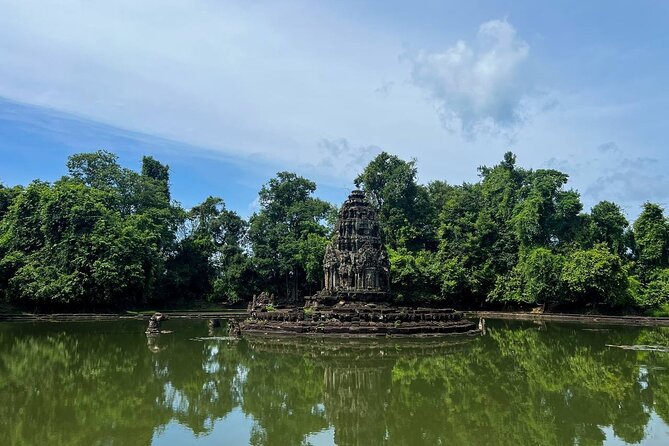
Neak Pean also takes about 30 minutes. It was built during the same broad period under Jayavarman VII and is associated with water and healing. The approach and setting make it unlike the temple mountains earlier in the day.
You may find these stops less dramatic than Angkor Wat or Ta Prohm. That is part of their value. They slow the visual rhythm and give your guide room to explain how different religious and royal projects worked.
Preah Khan before lunch
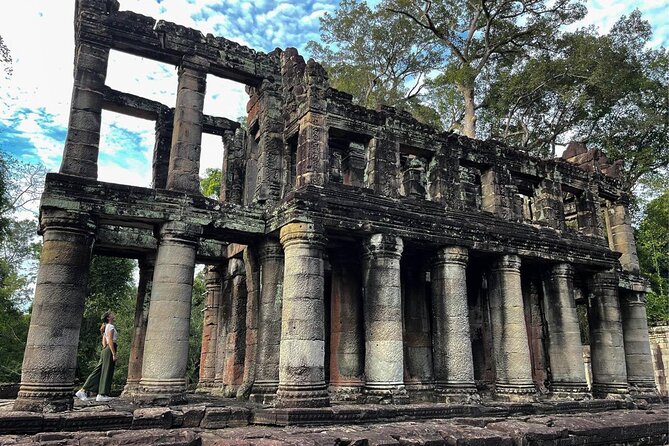
Preah Khan gets about an hour. Built in the 12th century for Jayavarman VII in honor of his father, it is a large complex with galleries, courtyards, and varied architectural details. It has the layered feel of a place that served more than one purpose over time.
By this point, heat and fatigue are real factors. Take the water offered by the driver and use the cool towels when you return to the vehicle. These small touches are repeated often by the tour’s past customers, and they matter after walking across hot stone.
Lunch follows at a local restaurant, with about an hour set aside. Again, food and drinks are not included. This break divides the temple-heavy morning from the longer drive to Banteay Srei.
Banteay Srei and its unusually fine carvings
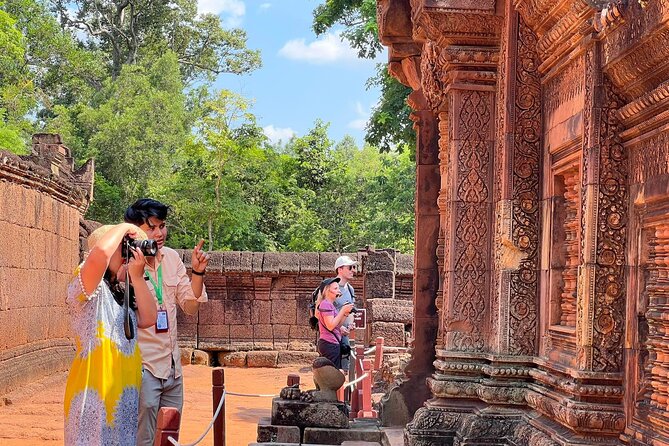
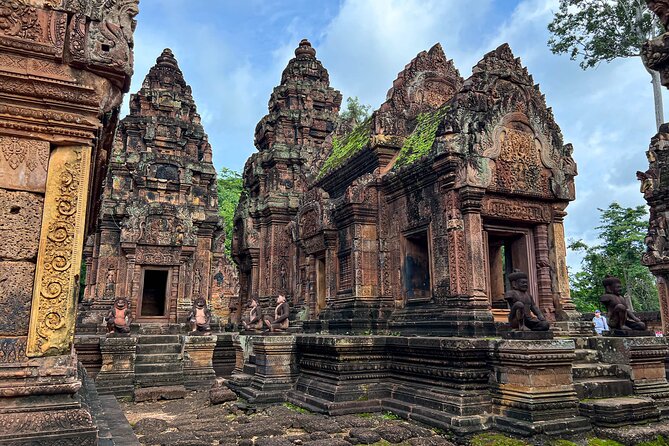
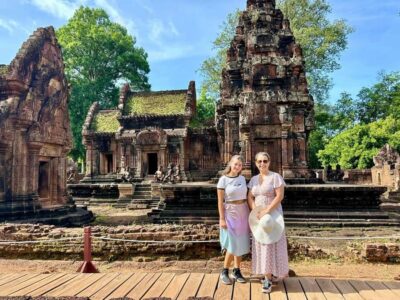
In the early afternoon, you drive to Banteay Srei for about 45 minutes. This smaller sandstone temple is known for exceptionally fine carving and careful detail. It does not have Angkor Wat’s huge scale, but it rewards the kind of close inspection that large monuments can make difficult.
Banteay Srei is a good late-day choice because the visit changes the pace. Instead of another vast complex, you get a compact structure where delicate relief work becomes the main subject. It is also farther from Siem Reap than the central park, so the private car makes the visit much easier to manage.
The timing can be hot, and 45 minutes is not a long visit. Wear comfortable shoes, use sunscreen, and bring a hat. The tour information lists Banteay Srei admission as free, but the broader Angkor admission charge is separate.
Kampong Phluk on Tonle Sap Lake
The final destination is Kampong Phluk, a flooded fishing village about 21 kilometers from Siem Reap. After reaching the lake port, you take a local boat through the village area.
This is a useful contrast to the temples. Instead of royal monuments, you see a community shaped by seasonal water levels and fishing. The visit is about 90 minutes, giving you time to observe the village and boat surroundings without turning the stop into a rushed photo break.
The boat experience is optional and costs $15 per person for the Tonle Sap pass and private boat ride. Confirm how this charge will be handled when you book, since it is not included in the $130 tour price.
The season matters here. From the end of March through the end of July, water levels begin to fall. Some boats may get stuck, and smaller canoes may not be able to enter the jungle area. The village may look less like a postcard, but the lower water can reveal more of the dry-season routine and how residents live when the floodwater recedes.
That honesty is useful. If you want dramatic water scenes, ask about conditions before committing to the boat. If you are interested in local life and changing seasons, the less polished version may be the more revealing one.
What the $130 price really covers
At $130 per person, the tour offers strong value for a private two-day service, but you need to count the add-ons. The price includes an English-speaking professional guide and driver, private air-conditioned transport by car or minivan, cool towels, water, and breakfast on day two.
The stated Angkor admission fee is $62 per person and is not included. The Tonle Sap pass and private boat are another $15 per person. You also pay for lunches, other food, and soft drinks.
If you add both listed admission costs, the total rises well above the headline price. That does not make the tour poor value. You are paying for private transport, a dedicated guide, two long days, and a schedule that covers far more than a single temple circuit. It simply means you should compare the final cost, not only the advertised base rate.
Comfort, guides, and the private format
The strongest part of this experience is the human service. Guides named in the feedback include Sean, Seila, Phanne, Saylor, Sam, Raman, Mony, David, and Kamsan. Their praised qualities are consistent: clear English, strong temple explanations, kindness, flexibility, and skill with photographs.
You are not guaranteed a particular guide unless the operator confirms it, but you can request one when booking. The private format also means the guide can tailor the day. You may be able to add or remove stops, alter the pace, or spend more time at a site that interests you.
The driver matters, too. Drivers such as Mark, Savong, Phat, Trea, and Kim are praised for punctuality and for having cold water and towels ready after temple walks. In Cambodia’s heat, a cool vehicle and a short rest between sites can make the difference between an enjoyable day and simple endurance.
Most people can participate, but you should expect substantial walking, steps, heat, and an early start. Bring insect repellent, sunscreen, a sun hat, and comfortable shoes.
Who should book this tour?
I would choose this tour if you have only two days for Siem Reap and want a broad first visit. It suits couples, families, and small private groups who value a flexible schedule more than the lowest possible price.
It is also a good fit if you want both major monuments and smaller sites. The plan does not stop at Angkor Wat, Bayon, and Ta Prohm. Pre Rup, East Mebon, Ta Som, Neak Pean, Preah Khan, and Banteay Srei give you a fuller sense of the park.
I would hesitate if you dislike early mornings, long temple days, or optional add-on costs. You may also prefer a slower plan if photography is your main goal, since this itinerary covers many sites and only allows limited time at some of them.
Free cancellation is available when you cancel at least 24 hours before the local start time. Changes or cancellations made later are not accepted for a refund.
Should you book it?
Book this tour if you want the efficient, well-supported version of Angkor: private transport, an adjustable schedule, a strong run of temples, sunrise, a possible sunset, and a Tonle Sap village visit. The guides’ photo help, clear explanations, and personal care add real value.
Before paying, ask about the assigned guide, confirm the $62 Angkor charge, decide if you want the $15 boat option, and check seasonal conditions at Kampong Phluk. If you accept the early start and demanding pace, this is a practical way to make two days in Siem Reap count.
FAQ
How long is the tour?
The experience lasts approximately two days.
Is hotel pickup included?
Yes. Pickup is offered, and day two pickup is scheduled for about 4:40 AM before sunrise.
Is this a private tour?
Yes. Only your group participates, using private air-conditioned transport by car or minivan.
What temples are visited on day one?
Day one includes Angkor Thom, Bayon, Baphuon, the Terrace of the Elephants, the Terrace of the Leper King, Angkor Wat, and an optional sunset visit to Phnom Bakheng.
What temples are visited on day two?
Day two includes Angkor Wat at sunrise, Ta Prohm, Pre Rup, East Mebon, Ta Som, Neak Pean, Preah Khan, and Banteay Srei.
Is breakfast included?
Breakfast is included on day two. Lunches, other food, and soft drinks are not included.
Is the Tonle Sap boat trip included?
No. The Tonle Sap pass and private boat ride cost $15 per person.
Is the Angkor admission fee included?
No. The stated Angkor Thom South Gate admission fee is $62 per person.
What should I bring?
Bring insect repellent, sunscreen, a sun hat, and comfortable shoes. The tour also provides cool water and towels during the trip.
More 2-Day Experiences in Siem Reap
- Siem Reap: Angkor Wat 2-Day Tour with Sunrise and Sunset
★ 4.9 · 4,429 reviews - Angkor 2-Day Sunset & Sunrise Small-Group Tour
★ 5.0 · 2,567 reviews - 2 Days Exclusive Temple Highlights with Sunset and Sunrise Tour
★ 5.0 · 1,157 reviews - Siem Reap: Angkor Sunrise 1- or 2-Day Guided Temples Tour
★ 4.9 · 1,132 reviews
Just added in Siem Reap
- 1-Day Angkor Wat Private Tour with Spanish Tour Guide.★ 5.0 · 9 reviews
- Angkor Wat: Small-Group Tour with Balloon Ride and Lunch★ 4.6 · 13 reviews
- Sky Venture Microlight Siem Reap★ 4.9 · 18 reviews
- Angkor Wat plus Balloon Ride with Khmer Lunch★ 5.0 · 46 reviews
- Angkor Silk Farm & Lotus Silk Farm: Siem Reap Discovery Tour★ 4.8 · 68 reviews
- Angkor Wat Sunrise Tour By E-Bike Experience With Breakfast Included★ 5.0 · 76 reviews
- Siem Reap: 1-Hour Cambodian Buddhist Water Blessing★ 4.9 · 68 reviews
- Angkor Wat Sunrise Private Experience with Guide from Siem Reap★ 5.0 · 62 reviews
Banteay Srei & Beng Mealea Tours, compared.
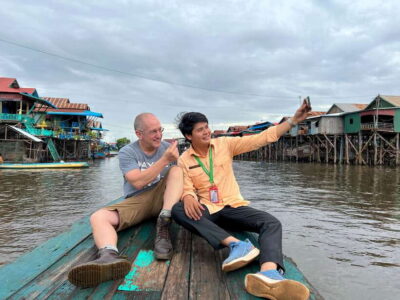
Kulen Mountain, Beng Mealea and Tonle Sap Tour
Read our review →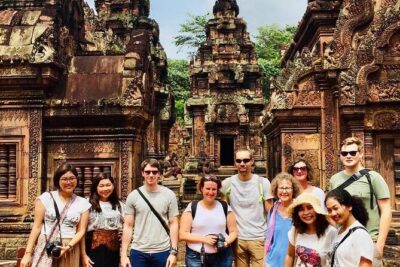
Full-Day Banteay Srei & 4 Temples – Grand Tours Join-in Tour
Read our review →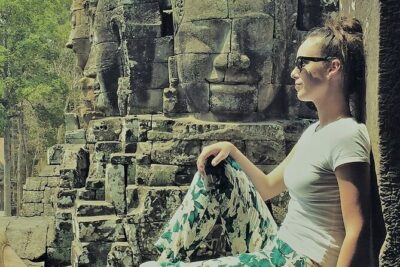
Siem Reap Tour: Angkor Wat Sunrise, Bayon, Ta Prohm, Banteay Srei
Read our review →
Koh Ker Temple Group & Beng Mealea Full-Day Join-in Tour
Read our review →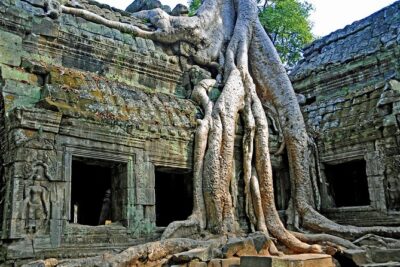
2-Day Angkor Wat With Small, Big Circuit and Banteay Srei Tour
Read our review →
3-Days Discovery Of Angkor: Waterfalls,Floating Village and Banteay Srei temple
Read our review →Browse the lists this tour appears in