
Reviewed · KULEN MOUNTAIN & WATERFALL TOURS
Siem Reap: Angkor Wat Temples & Phnom Kulen Park 3-Day Tour
Angkor Wat is only the grand finale here. This three-day private tour also takes you to carved Banteay Srey, the mountain where Angkor’s royal story began, Ta Prohm, and Tonle Sap’s Kampong Phluk. I like the early starts, which put you at the best-known sites before the heat and crowds build, and I like having one guide and driver for the whole run.
I also like the small-group setup for up to three people, along with practical touches such as chilled water, cold handkerchiefs, and umbrellas in wet weather. The drawback is the packed schedule: Phnom Kulen, the floating village, sunset, and long temple circuits make for full days. You will need comfortable shoes, covered shoulders and knees, sunscreen, and plenty of water.
Key points to know before booking
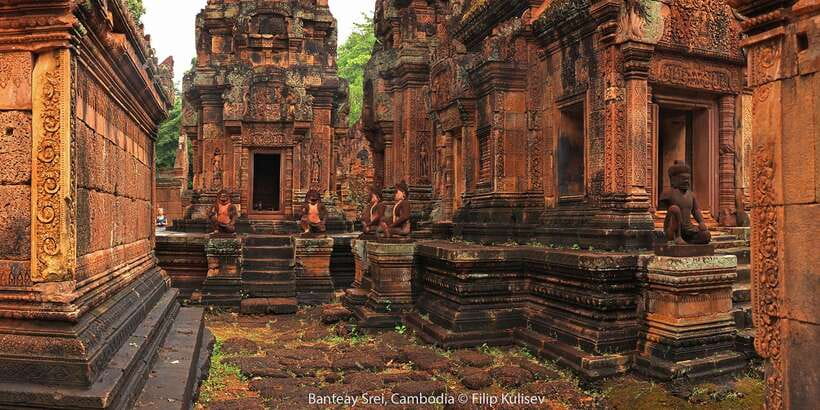
- Banteay Srey comes early on day one: You reach this finely carved temple before the main crowds, with village and palm sugar views along the road.
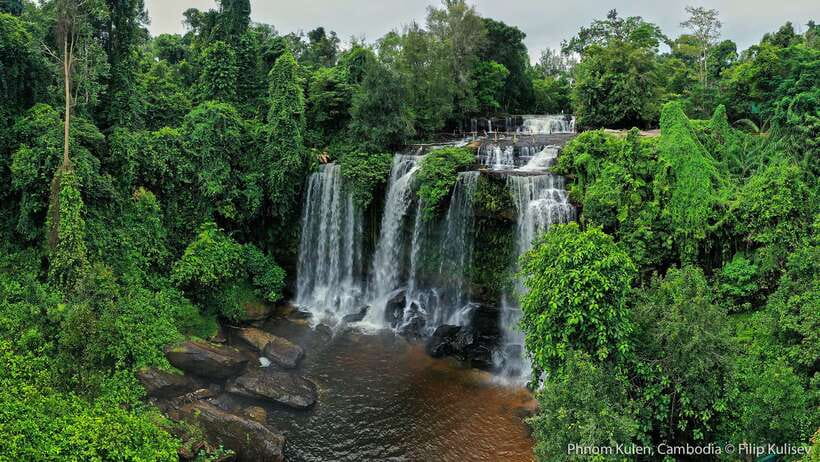
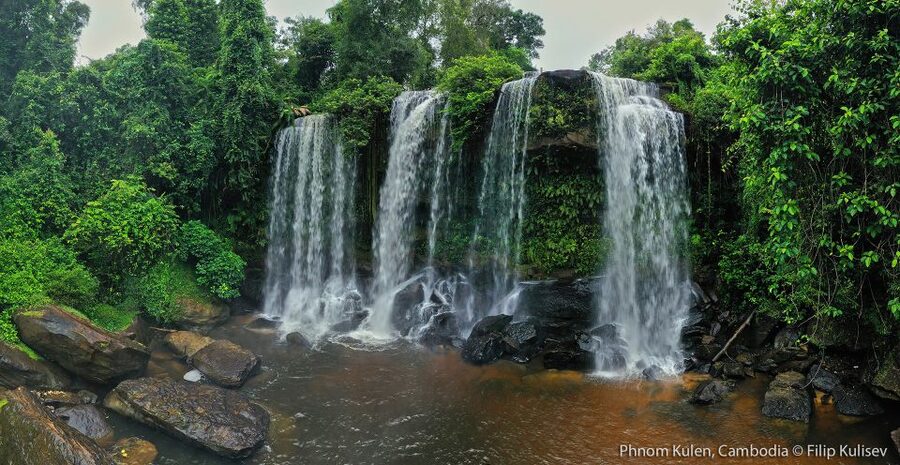
- Phnom Kulen adds important context: The mountain is linked to King Jayavarman II and the beginning of the Angkor period in 802 AD.
- Kampong Phluk breaks up the temple focus: You visit a floating village on Tonle Sap Lake rather than spending all three days among stone monuments.
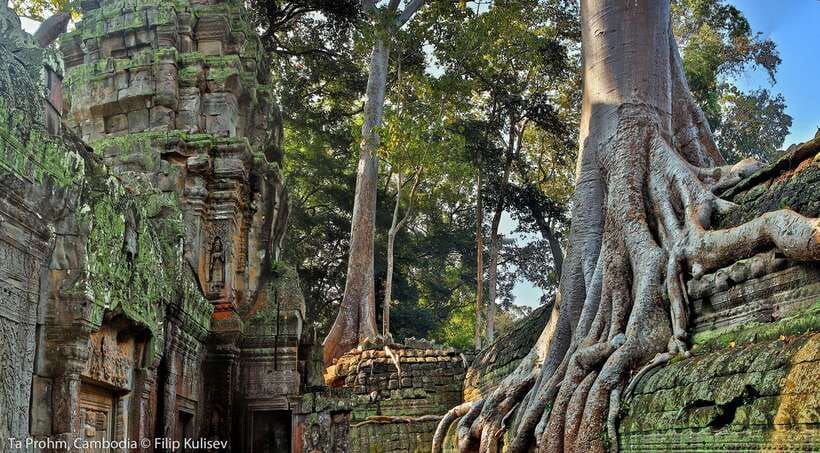
- Day two covers Angkor Thom and Ta Prohm: Expect Bayon, the royal terraces, smaller circuit temples, and the jungle setting made famous by Tomb Raider.
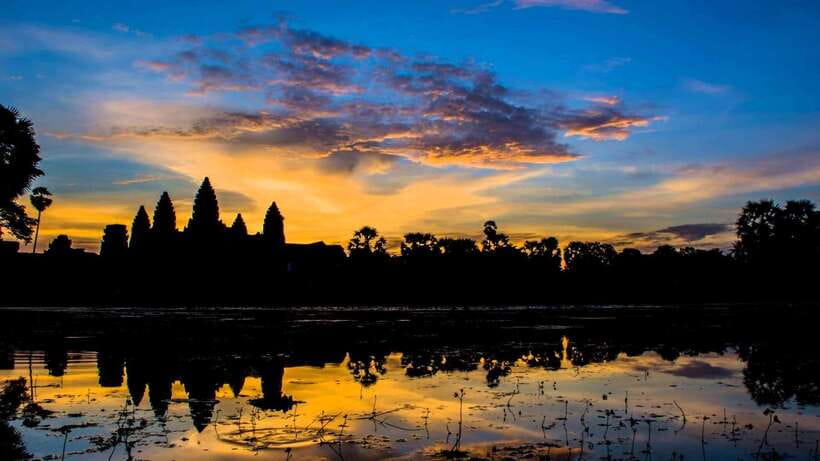
- Day three starts at 5:00 AM: Sunrise at Angkor Wat is followed by a quieter period to explore the temple at your own pace.
- The $336 price covers the vehicle and guiding, not entry: For up to three people, the cost can be good value, but you must budget separately for temple and Phnom Kulen tickets, meals, and optional museum admission.
Why the three-day route works
Siem Reap’s temple zone can feel confusing on a first visit. The monuments are spread across a broad area, and the difference between a short highlights trip and a useful visit is often the order of stops. This plan puts the outlying sites first, then gives you two days for the central temple groups.
I like that arrangement. Banteay Srey and Phnom Kulen require extra driving, so placing them on day one keeps the later days focused on Angkor Thom and Angkor Wat. You also get a change of scene at Kampong Phluk, which helps prevent three straight days of similar stone corridors and towers.
The tour is private, with a car described as a Mini Lexus RX300 or a Mercedes Istana minivan, plus gasoline and driver. For one to three people, that is more comfortable than joining a larger bus group, especially when you are leaving at 5:00 AM for sunrise. The private format also allows some adjustment to your pace. Guide Samuth, for example, was noted for adapting the route to a family with a small child, while guides such as Paul, Noy, Praim, and Sa have been praised for their English, photography help, and ability to adjust the day.
The schedule is still fixed enough that you should not expect a free-form temple hunt. You have many stops to cover, and the full value comes from seeing a wide range of sites rather than lingering for hours at one monument.
More waterfall and mountain days from Siem Reap:
- Kulen Waterfall Join-in Tour (local Picnic lunch)
★ 5.0 · 2,434 reviews - Kulen Mountain: Small-Group Tour and Picnic lunch
★ 4.9 · 1,802 reviews - Siem Reap: Kulen Mountain, Beng Mealea and Tonle Sap Tour
★ 5.0 · 1,483 reviews
Day one: Banteay Srey, Phnom Kulen, and Tonle Sap
Pickup is suggested for 7:30 AM. Your first practical task is buying the three-day temple pass before heading toward Banteay Srey. The early departure matters because this is one of the most delicate and popular temples in the area.
Banteay Srey is smaller than Angkor Wat, but its sandstone carving is unusually fine. Its name is often translated as Citadel of the Women, and the appeal is close-up detail: carved lintels, figures, floral patterns, and carefully worked surfaces. I would pay attention to the guide here, since this is the kind of place where a quick walk around the outer walls can cause you to miss the best details.
The road out gives you a look at traditional Khmer villages and palm sugar plantations. That matters because the tour is not only a procession between famous ruins. You get a sense of the countryside that supports Siem Reap, with rural views between the major stops.
You then have a choice involving the Landmine Museum or Phnom Kulen National Park. The museum admission is listed at $5 and is not included, so confirm the day’s plan with your guide before setting off. If you choose the museum, it adds modern Cambodian context. If you continue to Phnom Kulen, you are following the more historical thread of Angkor’s origins.
Phnom Kulen is identified with the beginning of the Angkor period. In 802 AD, King Jayavarman II initiated the royal God of the King Linga cult on this mountain. That makes the visit useful for understanding that Angkor did not appear fully formed at Angkor Wat. Its political and religious story developed over centuries, and Phnom Kulen gives you an earlier chapter.
The park also changes the feel of the trip. After carved temple walls and formal courtyards, you are visiting a national park setting. The supplied information does not specify every stop within the park, so you should ask what your day will include and allow for the fact that this is a long outing from Siem Reap.
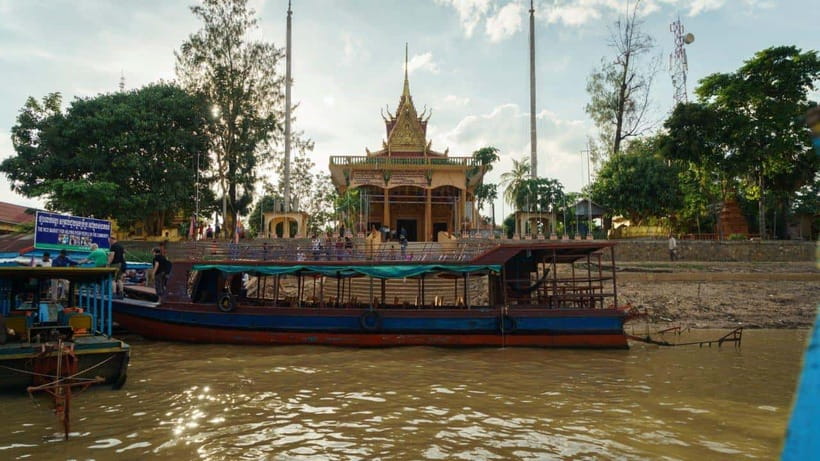
The final stop is Kampong Phluk, a floating village on Tonle Sap Lake. I like this inclusion because it adds local life and a water-based setting to a temple-heavy schedule. One party began unsure about the village and changed its mind after seeing it, which fits my view: it is worth keeping an open mind rather than treating the temples as the only worthwhile part of Cambodia.
Day one is also the most varied day, but it may be the most tiring. You have an early pickup, a long route, a park visit, and a lake stop. Keep water and sun protection close, and do not assume that the cool-looking vehicle means the day itself will feel cool.
Day two: Angkor Thom and the Ta Prohm circuit
Day two begins at the more forgiving hour of 8:00 AM. You start at Angkor Thom, the great ancient city that contains several major monuments.
The South Gate provides the first dramatic approach. From there, the route includes Bayon, Baphuon, Phimeanakas, the Terrace of the Elephants, the Terrace of the Leper King, and the North and South Khleangs. This is a lot of ground, but the variety is the point.
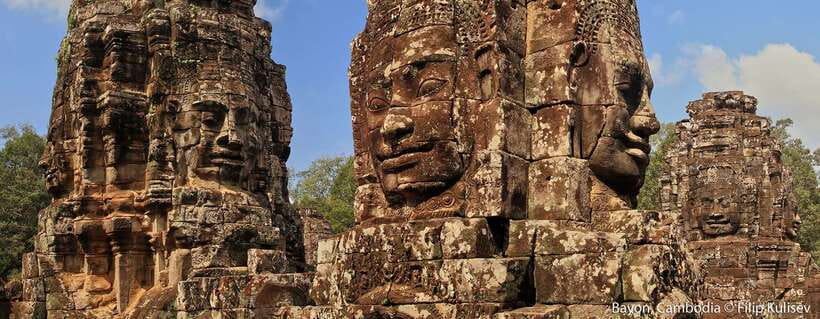
Bayon is the visual star of Angkor Thom, with its large carved faces looking out from the towers. Baphuon gives you a different architectural experience, while the terraces help explain how royal ceremonies and public display shaped the city. At Phimeanakas and the Khleangs, your guide can help you connect the smaller or less instantly famous structures to the wider plan of Angkor Thom.
I would resist rushing every stop simply to tick off the names. The private format gives you a chance to tell your guide which sites deserve more time, though the number of monuments means some stops will necessarily be brief.
Next comes the small circuit, including Chau Say Tevoda, Thommanon, and Ta Keo. These temples are useful comparisons. You can look at different building styles, states of preservation, and levels of carving without needing another long drive.
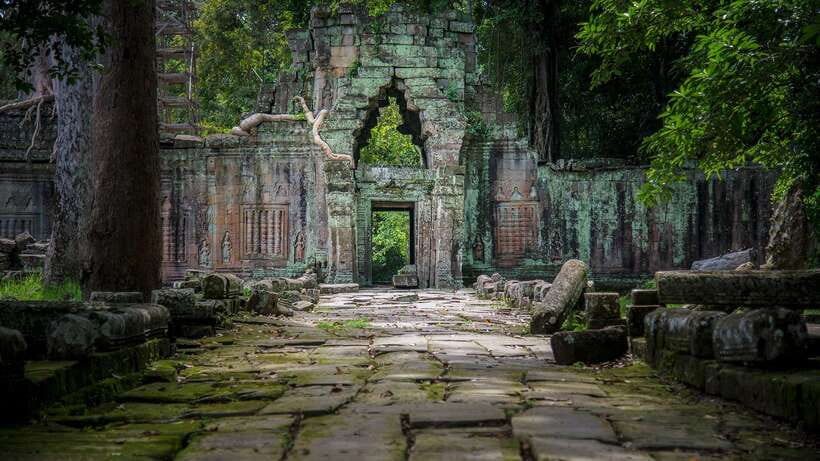
Ta Prohm is the most atmospheric stop of the day. Trees and roots press against the temple, and the site was used for scenes in Tomb Raider. The film connection draws attention, but the temple is worth visiting even if you have never seen the movie. The contrast between masonry and jungle growth gives Ta Prohm a mood that the more open monuments do not have.
After lunch, you visit Banteay Kdei. The plan allows time to explore this Buddhist temple at your own pace, which is welcome after the guided sequence at Angkor Thom. It is a chance to slow down, look closely, and compare the site with Ta Prohm without feeling that every minute is being narrated.
The day ends at Phnom Bakheng for sunset. Sunset timing gives the day a clear finish, but it also means you will have been walking and standing for many hours. Bring a hat and drink water throughout the afternoon. The schedule is attractive on paper, yet the heat can make the final climb or viewing period feel harder than expected.
Day three: sunrise at Angkor Wat and the outer temples
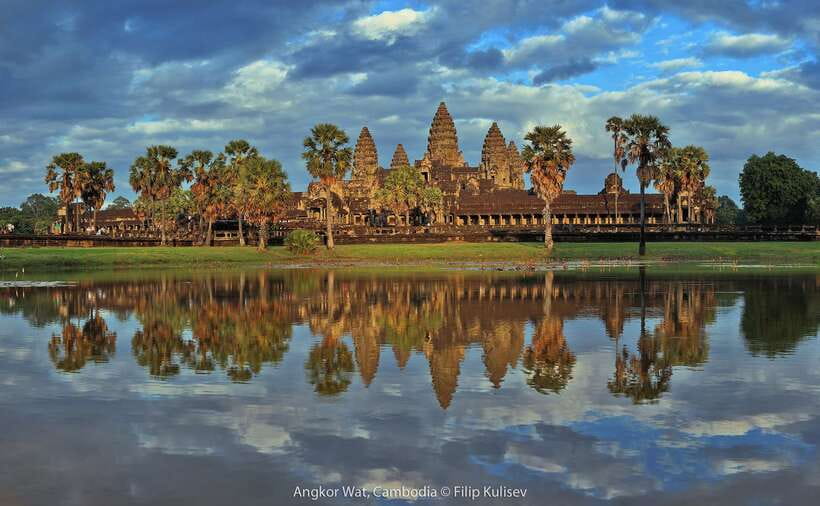
The alarm comes early. Pickup is suggested for 5:00 AM so you can reach Angkor Wat for sunrise.
Sunrise is one of the reasons to accept the early start. The temple silhouette and reflection are the classic image, but the real advantage is beginning before the day becomes hot. The schedule also allows time to explore Angkor Wat after the Chinese crowd leaves, giving you a quieter period inside the monument.
Your guide is especially useful here. Angkor Wat is large enough to overwhelm a first-time visitor, and carved scenes, galleries, bas-reliefs, and architectural details can blur together without some direction. Guide Paul was praised for explaining Cambodian history in an accessible way and adapting the route to different abilities. Other guides, including Noy and Sa, were noted for useful site details and photography help.
After Angkor Wat, the route includes Pre Rup and Banteay Samre. Pre Rup has a strong, brick-and-stone temple profile and makes a good contrast with Angkor Wat’s vast galleries. Banteay Samre gives you another chance to study careful carving away from the main crowds.
After lunch, the program continues to East Mebon, Ta Som, Neak Pean, and Preah Khan. These stops keep the day varied. East Mebon is a temple on what was once an island in a reservoir, while Ta Som is another site where trees and ruins meet. Neak Pean has a distinctive water-linked design, and Preah Khan gives you a large, layered complex to explore.
The return drive passes through local villages, with time to stop for photographs. That final stretch is a pleasant counterpoint to the formal monuments. You can watch the scenery change and finish the trip with a view of present-day rural Cambodia rather than one last stone tower.
Day three is the most temple-heavy day, and Angkor Wat is saved for the end of the main program rather than used as a quick opening stop. That works well if you want the largest monument to receive proper time. It is less suitable if you prefer a slow morning or dislike early starts.
A few more things to do in Siem Reap worth a look
- From Siem Reap: Angkor Wat and Floating Village 3-Day Trip
★ 5.0 · 100 reviews - 3-Day Angkor Wat with All Interesting Major Temples, Banteay Srei & Beng Mealea
★ 5.0 · 70 reviews - 3-Day Angkor Wat & All Interesting Major Temples & Kulen Mount Waterfall
★ 5.0 · 63 reviews - 3 Days Siem Reap Explorer – Small Group
★ 5.0 · 50 reviews
Guides, drivers, and the private format
The package includes a fully licensed English-speaking guide, driver, gasoline, drinking water, cold handkerchiefs, and rainy-season umbrellas. Those practical details matter in Siem Reap. A cold cloth after a hot temple walk is a small thing, but it can make the transfer to the next site much more comfortable.
The guide quality is one of the strongest parts of the experience. Paul is noted for full attention, strong historical explanations, and adapting the tours to the group’s abilities. Praim is praised for doing a good job and for taking photographs. Noy is described as helpful and well informed, while Sa is praised for excellent English, flexibility, and showing special places.
You should still tell your guide what you want. One useful style of guiding here is not constant talking, but pointing out carvings, stones, and photo positions that you might miss on your own. Samuth’s approach was described as lighter on long historical explanations but good at showing details and finding photo stops. That may suit you if you prefer to look around rather than listen continuously.
The driver matters just as much. A smooth ride becomes important on a three-day route with early mornings and some rougher roads. The private car also makes it easier to regroup between monuments, especially for families or anyone who needs a short break.
What the $336 price really includes
The price is $336 per group of up to three people. That makes the per-person value strongest when three people share the vehicle and guide. For two people, it can still be sensible because you are buying private transport, a licensed guide, fuel, hotel pickup, and three days of coverage rather than just individual entries.
The price does not include the three-day temple ticket, Phnom Kulen ticket, meals, accommodation, personal expenses, or the $5 Landmine Museum admission. These are not minor details, so add them to your budget before comparing this with a cheaper transport-only option.
I see the main value in the organization and coverage. You are not only hiring a tuk-tuk for one temple circuit. You are arranging Banteay Srey, Phnom Kulen, Kampong Phluk, Angkor Thom, Ta Prohm, Angkor Wat, and several outer temples with the same guide and driver. If you want to plan every stop yourself and use inexpensive local transport, you may spend less. If you want the route handled and the history explained in English, the price is easier to justify.
Free cancellation up to 24 hours before the activity and reserve-now-pay-later terms also make the booking less rigid. Pickup is included from hotels in Krong Siem Reap.
Clothing, heat, and the rhythm of the days
Temple dress rules apply to everyone. Cover your shoulders, knees, and chest. Lightweight clothing that meets those rules will serve you better than heavy layers, since most of the year is hot while you are walking among the monuments.
Wear comfortable shoes. You will cover uneven ground and spend long periods on your feet, even though the exact walking distance varies by day. Sunscreen, a hat, insect repellent, and regular water breaks are sensible choices. The tour supplies mineral water and cold handkerchiefs, but you still need to take responsibility for staying hydrated.
The activity is described as suitable for all ages, but the schedule is not effortless. Families can benefit from the private vehicle and flexible pacing, while older participants may want to discuss how much walking each day feels comfortable. The 5:00 AM start and long third day deserve special attention.
Who should book this three-day tour?
I would choose this tour if you want broad coverage without arranging separate drivers, guides, and tickets yourself. It suits first-time visitors who want the major temples plus two very different additions, Phnom Kulen and Tonle Sap.
It is also a good fit for a couple, family, or small group that values private transport and a guide who can adjust the pace. The guide names attached to the experience suggest a strong pool of English-speaking staff, with Paul, Sa, Praim, Noy, and Samuth each bringing a slightly different style.
I would hesitate if you want long, unstructured hours at a single temple. The itinerary is full, and day one in particular combines several distant stops. I would also think twice if you are not comfortable with sunrise starts, heat, or paying entry fees separately.
Should you book it?
Book it if your priority is a well-organized three-day introduction to the Angkor region, with reliable transport, an English-speaking guide, and more variety than a standard temple circuit. The best features are the early access at Banteay Srey, the careful Angkor Wat timing, the private group size, and the guide support at places where the carvings can be easy to miss.
Skip it in favor of a slower custom plan if you want to set your own pace or spend entire afternoons at just one site. For everyone else, $336 for up to three people is a fair starting price once you understand the extra costs, and the route gives you a much fuller picture of Siem Reap than Angkor Wat alone.
FAQ
How long is the tour?
The tour lasts three days.
What time does pickup begin each day?
The suggested pickup time is 7:30 AM on day one, 8:00 AM on day two, and 5:00 AM on day three for sunrise at Angkor Wat.
Is hotel pickup included?
Yes. Pickup is included from hotels in Krong Siem Reap.
Is the tour private?
Yes. It is a private group experience for up to three people.
Is an English-speaking guide included?
Yes. A fully licensed English-speaking guide is included.
Are temple tickets included?
No. The three-day temple ticket is not included in the price.
Is Phnom Kulen admission included?
No. The Phnom Kulen ticket is an additional cost.
What should I wear?
You should cover your shoulders, knees, and chest at the temples. Comfortable shoes, sunscreen, and insect repellent are also recommended.
Just added in Siem Reap
- Twilight Tastes of Siem Reap Include Dinner★ 5.0 · 13 reviews
- Ultimate Sunrise to Angkor Wat, Angkor Thom and Bayon Temple★ 5.0 · 3 reviews
- Trekking Tour at Phnom Kulen National Park from Siem Reap★ 5.0 · 3 reviews
- Full-Day Private Tour of Angkor Wat with Pick Up★ 5.0 · 12 reviews
- Private Day Trip to Angkor Temples with Expert Guide★ 5.0 · 4 reviews
- Siem Reap City Tour with War Museum and Killing Field★ 5.0 · 27 reviews
- Waterfall & River of 1000 Siva Linga- Kulen Mountain Private Tour★ 5.0 · 3 reviews
- Angkor Wat Experience Temple Pass and Siem Reap Food Tour★ 5.0 · 13 reviews
Kulen Mountain & Waterfall Tours, compared.
Kulen Waterfall Join-in Tour (local Picnic lunch)
Read our review →
Kulen Mountain: Small-Group Tour and Picnic lunch
Read our review →
Kulen Mountain, Beng Mealea and Tonle Sap Tour
Read our review →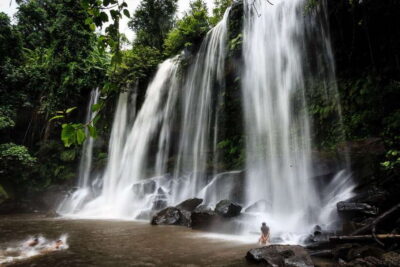
Phnom Kulen Waterfall & the Sacred 1000 Lingas (with Lunch)
Read our review →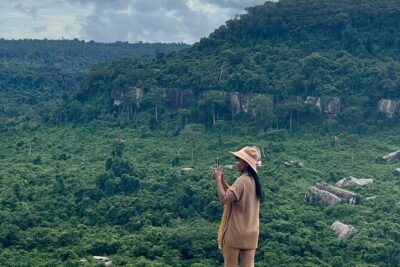
Guided Small-Group Tour in Kulen Mountain Park Waterfall
Read our review →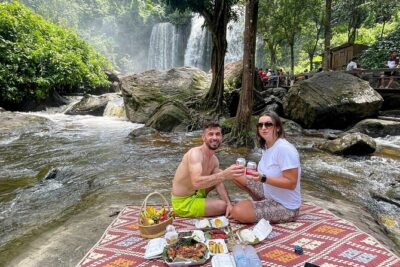
Kulen Mountain Waterfall Tour with Picnic Lunch from Siem Reap
Read our review →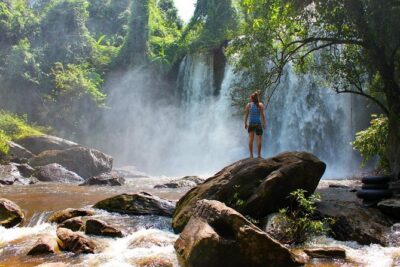
Kulen Waterfall & 1000 Linga River Small-Group Tours
Read our review →
3-Days Discovery Of Angkor: Waterfalls,Floating Village and Banteay Srei temple
Read our review →Browse the lists this tour appears in