
Reviewed · MUSEUMS
Siem Reap: War Museum included Ticket & Free Round trip
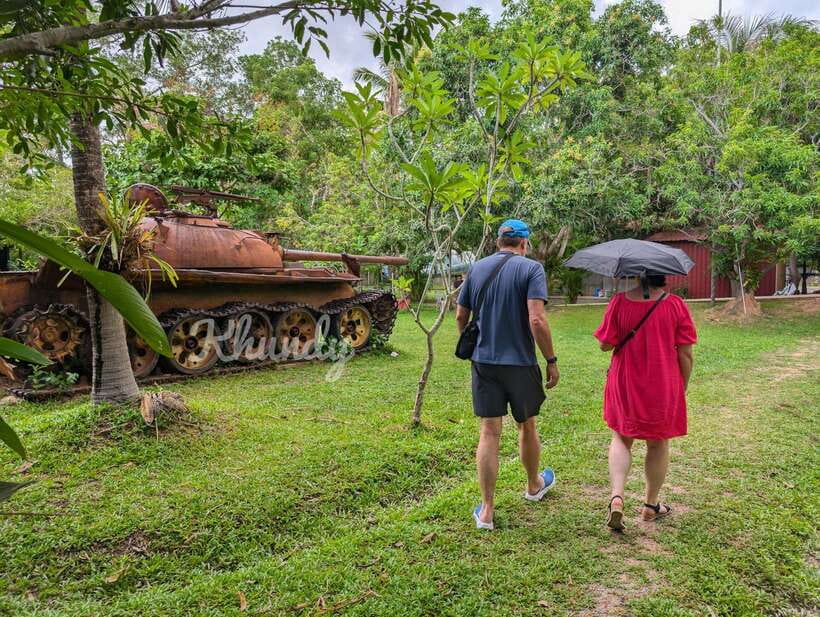
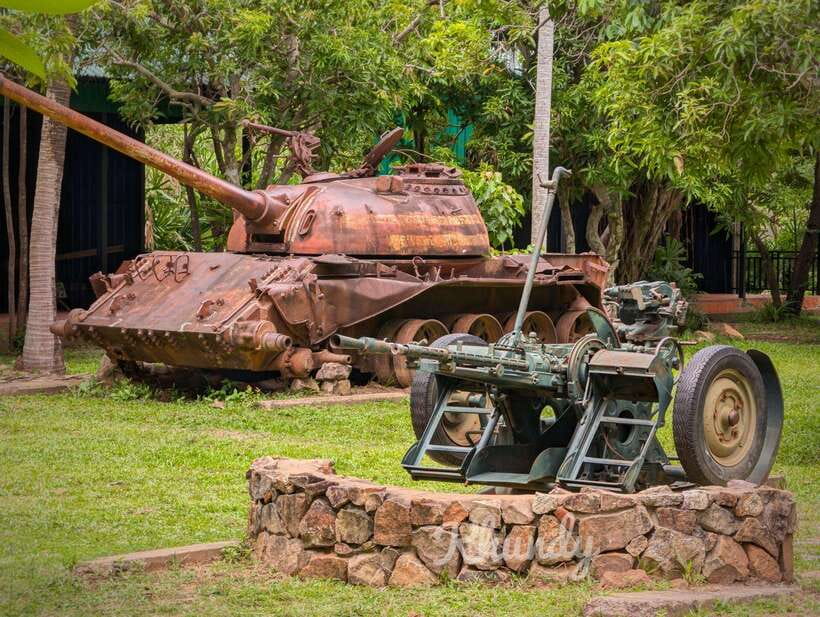
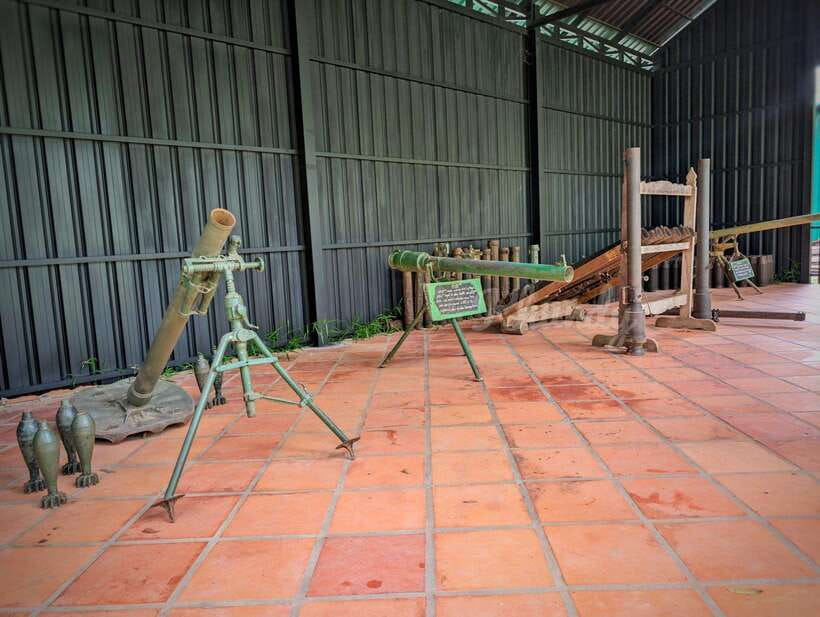
Siem Reap’s War Museum is not a polished military gallery. It is a broad, open garden where unrestored tanks, artillery, and vehicles sit among paths and trees. That rough, direct setting gives the visit a serious feel, especially when the displays turn to Cambodia’s painful past.
I like the simple hotel-to-hotel tuk-tuk ride, which removes the need to arrange transport, and I like the chance to hear personal explanations from a veteran or from a helpful driver-guide such as Savady, also spelled Sovaday. The main consideration is that many vehicles are weathered rather than restored, so this suits you better if you want atmosphere and firsthand context than a polished museum collection.
Key points at a glance
- Cambodia’s only war museum: See a collection devoted to the country’s wartime past in Siem Reap Province.
- Open-air military garden: Walk among vehicles and artillery rather than moving through a conventional indoor gallery.
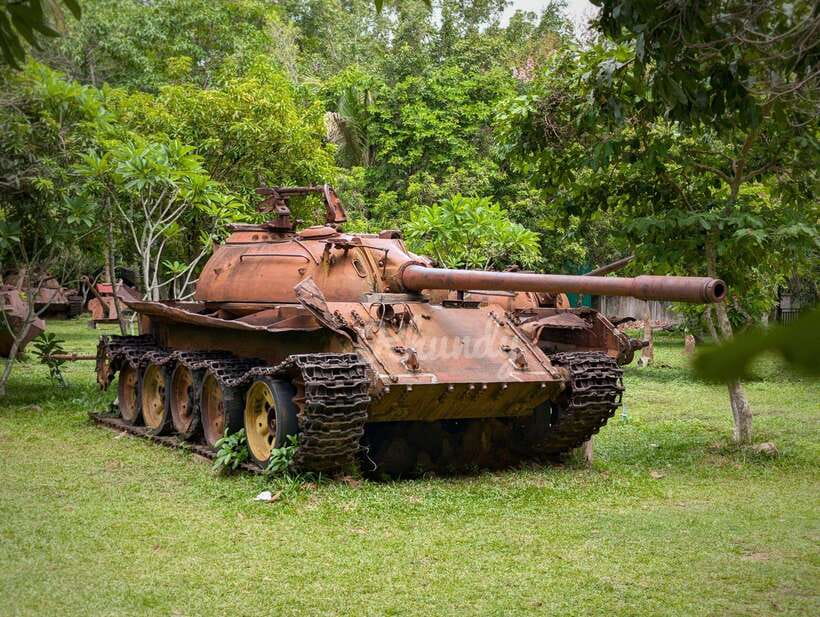
- Unrestored equipment: Tanks, guns, and other vehicles show age and wear, which may appeal to some visitors and disappoint others.
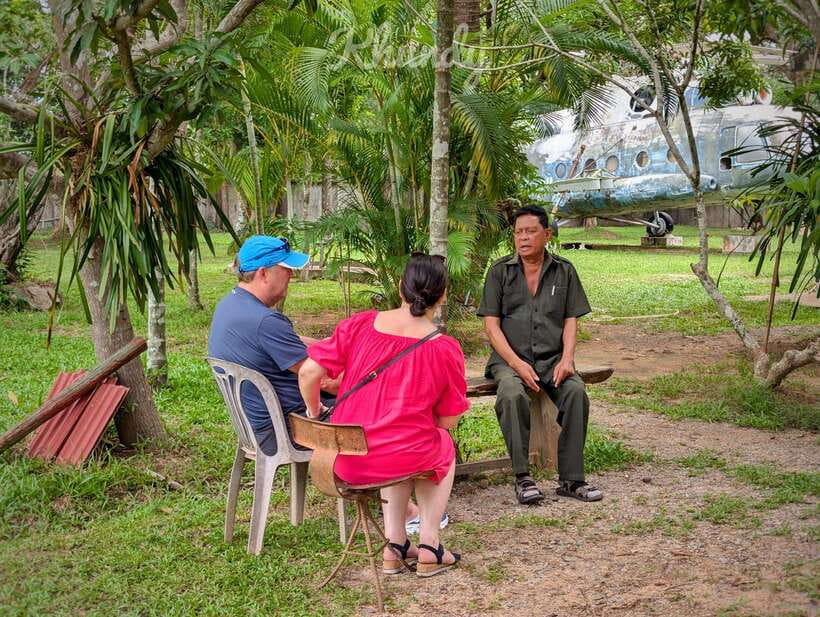
- Personal war stories: A veteran may provide firsthand information, while the English-speaking driver can help with the visit.
- Simple two-hour outing: Hotel pickup, museum entrance, and return transport are included.
- Small-group format: The group is limited to 10 participants, with free cancellation up to 24 hours before departure.
What the War Museum in Siem Reap actually feels like
The War Museum Cambodia offers a very different experience from Siem Reap’s grand temple visits. Instead of carved stone and religious art, you find a large garden filled with military vehicles, artillery, and smaller objects connected with Cambodia’s wars.
The museum is described as the only war museum in Cambodia. That gives the collection a particular importance, even though it is not presented as a highly restored or carefully staged exhibition. I would think of it as an open-air record of equipment and memory, not as a modern military museum with spotless displays and long technical labels.
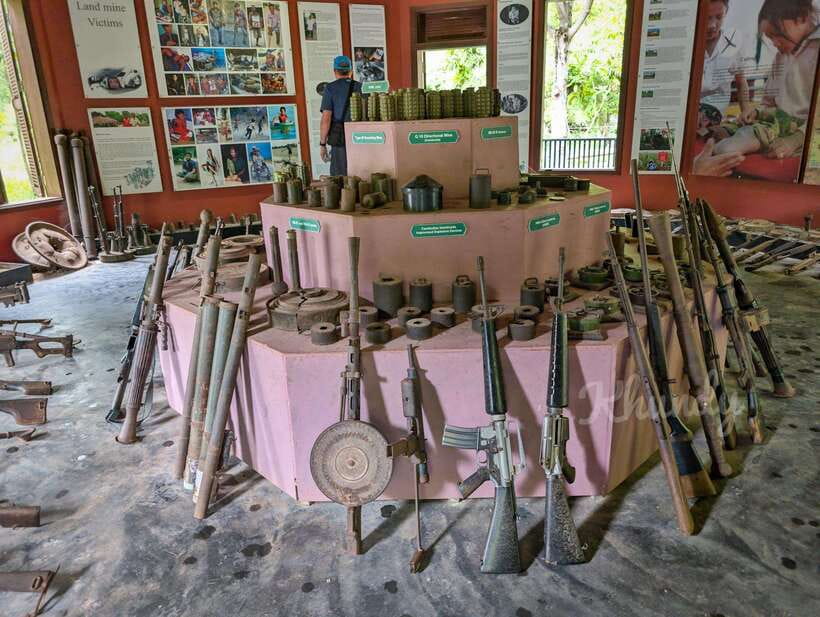
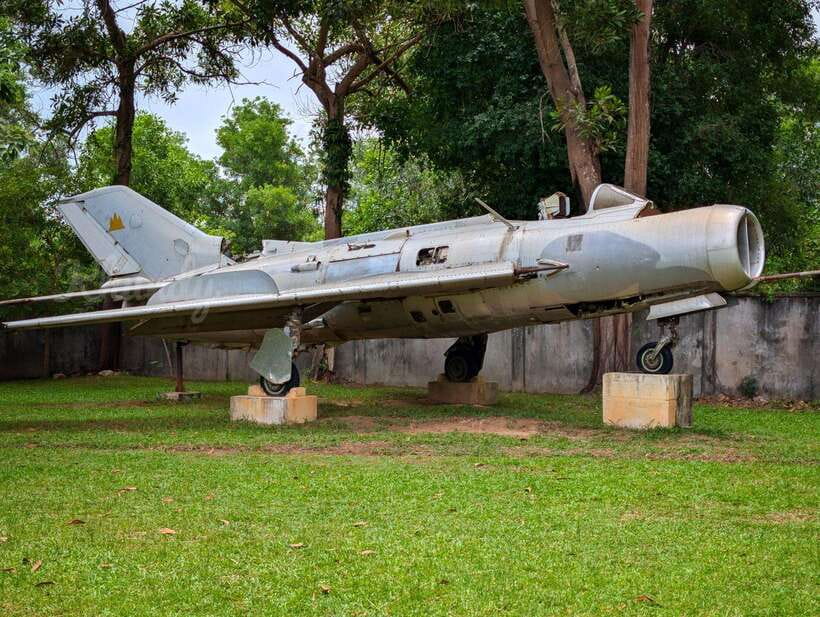
You walk along paths and look at vehicles placed around the grounds. The collection includes several types of military vehicles and artillery used during the Khmer regime. Smaller objects include guns, clothing, and other military artifacts.
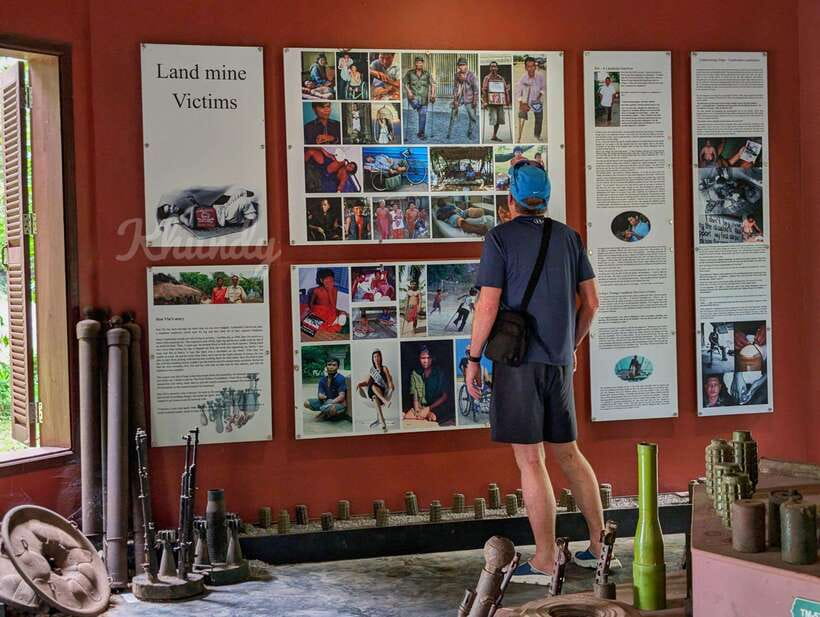
Large information boards add photographs and background details. They help place the equipment within Cambodia’s story, including the country’s culture, civilization, changing living standards, and painful past. The displays are useful, but you should expect the amount of written explanation to vary across the grounds.
A few more things to do in Siem Reap worth a look
- Bantey Srei, Kbal Spean and Landmine museum Private Tuk-Tuk
★ 4.7 · 30 reviews - Siem Reap City Tour with War Museum and Killing Field
★ 5.0 · 27 reviews - Private Tour: HERO Rats & Angkor National Museum
★ 4.5 · 16 reviews
The tuk-tuk pickup keeps the visit easy
Your driver collects you from your hotel in Siem Reap and takes you to the museum by tuk-tuk. After the visit, the same arrangement returns you to your hotel.
That transport matters more than it may first appear. The museum is an outing away from the usual temple circuit, and you do not need to bargain for a ride or work out a separate return trip. The price includes both the museum entrance fee and round-trip transport, so the $19 cost is easier to judge as a complete short excursion rather than as an admission ticket alone.
The driver speaks English. That does not necessarily mean you receive a long guided lecture throughout the visit, so I would ask at the start how much explanation is included. Several names connected with the experience are Savady and Sovaday, likely different spellings of the same driver-guide name. If you are able to request a driver, ask whether Savady or Sovaday is available.
The group limit is 10 people. That is small enough to keep the transfer manageable and gives you a better chance to ask questions than you might have in a large coach group.
Walking among unrestored vehicles and artillery
The central part of the visit is a walk through the museum garden. Large military vehicles and artillery form the main display, while smaller objects appear along the paths.
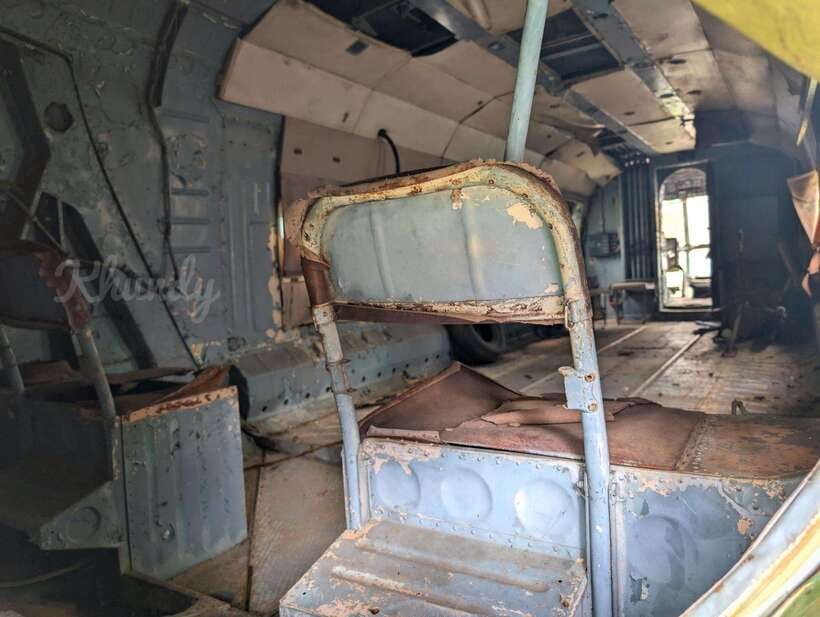
The vehicles are not restored. Paint may be worn, surfaces may look aged, and the equipment is presented as found rather than rebuilt for display. This is an important point when deciding if the museum is right for you.
I see the lack of restoration as part of the place’s character. Old vehicles can communicate the weight and age of the past without looking like showroom pieces. At the same time, you should not expect every item to be easy to identify or in museum-perfect condition. If you want technical detail, the collection may feel limited. If you want a direct look at the physical remains of war, the rough condition can make the visit more striking.
The garden setting also changes the pace. You are not moving from one sealed room to another. You stroll outdoors, pause beside large equipment, and read the boards when you want more context. Wear comfortable shoes and be ready for a walking visit, since the experience is built around moving through the grounds.
Guns, clothing, photographs, and personal stories
The smaller items add scale to the large vehicles. Guns and military clothing help show how conflict affected individual people, not only armies and machines.
Photographs and background boards provide another layer. They are especially useful if you know little about Cambodia’s recent past. The museum aims to cover more than equipment. It also connects the country’s difficult history with its culture, civilization, and present-day living standards.
The strongest part of the experience may be the human explanation. The information provided for this tour notes that you may hear from a veteran. That can bring a personal voice to material that might otherwise feel distant or abstract.
The driver can also shape the visit. Savady, or Sovaday, is described as helpful, engaging, and supportive, with strong explanations during the outing. Another driver, mentioned as offering a great deal of information about the war, is described as a veteran. If your driver is not the veteran, ask whether someone at the museum can explain the displays.
Keep your expectations sensible. The tour does not promise a formal historian-led seminar. It offers access to a collection, basic background material, and the possibility of personal stories. That combination can be more useful than a silent walk through old equipment, but the depth of explanation may depend on who accompanies you.
Same base, a different kind of day out:
- Angkor Wat Sunrise or Sunset Tour with Guide from Siem Reap
★ 5.0 · 12,109 reviews - Siem Reap: Angkor Wat: Small-Group Sunrise or Sunset Tour
★ 5.0 · 9,444 reviews - From Siem Reap: Kampong Phluk Floating Village Tour by Boat
★ 4.9 · 6,979 reviews - Sunset tour of Kampong Phluk stilts home village on the Tonle Sap
★ 5.0 · 4,865 reviews
Why the difficult history matters here
A visit to the War Museum is not just a stop for seeing tanks. The purpose is to help you understand Cambodia’s sad stories and the effect of conflict on the country.
The museum’s subject can be heavy. The displays include military objects connected with the Khmer regime, and the photographs and personal explanations may bring difficult memories close to the surface. I would not treat this as a casual novelty stop, even though the visit is short.
The collection gives you a chance to place modern Cambodia in a wider frame. The experience links the country’s past with its culture, civilization, and current standard of living. That makes it a useful counterpoint to Siem Reap’s temples, where the focus is usually much older history.
You should allow yourself time to look rather than rushing from vehicle to vehicle. Notice the difference between the large machines and the smaller personal objects. The guns and clothing can say as much about ordinary life during conflict as the artillery does about military power.
Is $19 good value for two hours?
At $19 per person, the value comes from the package. You receive the entrance fee and round-trip tuk-tuk transport from your hotel, with a small group capped at 10 people.
A two-hour schedule works well if you want one focused stop without giving up most of your day. You can visit the museum, hear some background, and return to Siem Reap without arranging several separate services.
The price is less attractive if you only want a quick look at old vehicles and would be comfortable arranging a very cheap local ride yourself. It becomes more worthwhile if you value the convenience of pickup and return, the included admission, and the chance to receive English-language help.
The personal element also affects the value. A detailed explanation from a veteran or a strong driver-guide makes the visit more meaningful. A shorter, less informative visit may leave you feeling that the garden itself was the main product. I would book it for the transport and context together, not for restoration quality.
Who will appreciate this museum most?
I would recommend this experience to you if you want to understand more of Cambodia beyond the temples. It suits visitors interested in military history, recent Cambodian history, personal testimony, and modest museums with a direct local feel.
It also works well for anyone who wants a short cultural outing with transport included. You do not need to commit to a full-day tour, and the return ride keeps the plan simple.
Families and mixed-age groups should consider the subject carefully. The museum includes weapons, war-related objects, and sad stories from the past. The open garden may make the visit easier to manage, but the topic itself is not light entertainment.
You may want to skip it if your main interest is polished presentation, restored vehicles, or detailed technical information about each machine. The museum is well maintained as a place, but the vehicles themselves are not restored. That distinction is central to the experience.
Practical advice before you book
Check the available starting times before choosing your date. The activity lasts about two hours, but you should be ready at your hotel for the tuk-tuk pickup and leave enough flexibility around the scheduled start.
Wear shoes suitable for walking through an outdoor garden. The museum is built around paths and displays spread across the grounds, so this is not simply a quick indoor room visit.
Bring questions. Ask the driver about the vehicles, the photographs, and the history behind the objects. If you are paired with Savady or Sovaday, ask for the kind of explanation you want early in the visit.
You can cancel up to 24 hours in advance for a full refund. The reserve-now-and-pay-later option also lets you hold a place without paying at the time of booking, which is useful when your Siem Reap plans are still changing.
Should you book the Siem Reap War Museum visit?
Book it if you want a short, serious look at Cambodia’s recent past and prefer a simple hotel pickup with the entrance fee included. The strongest reasons are the open-air collection, the unrestored military equipment, and the possibility of hearing personal stories from a veteran or a helpful driver-guide.
Do not book it expecting a gleaming museum, fully restored vehicles, or a long formal lecture. The value depends on your interest in the subject and on the quality of the explanation you receive.
For $19, this is a fair choice for a focused two-hour outing, especially if you want to add historical context to a temple-heavy Siem Reap itinerary. Go with patience, ask questions, and treat the place as a record of painful memory rather than a display of impressive machines alone.
FAQ
Where is the War Museum experience located?
It takes place at the War Museum Cambodia in Siem Reap Province, Cambodia.
How long does the activity last?
The stated duration is two hours. Starting times depend on availability.
Is transportation included?
Yes. An English-speaking tuk-tuk driver collects you from your hotel and returns you there after the museum visit.
What does the $19 price include?
The price includes the museum entrance fee and round-trip transport.
How large is the group?
The activity is offered as a small group, limited to 10 participants.
Can I cancel the booking?
Yes. You can cancel up to 24 hours in advance for a full refund. You can also reserve now and pay later.
Just added in Siem Reap
- Twilight Tastes of Siem Reap Include Dinner★ 5.0 · 13 reviews
- Ultimate Sunrise to Angkor Wat, Angkor Thom and Bayon Temple★ 5.0 · 3 reviews
- Trekking Tour at Phnom Kulen National Park from Siem Reap★ 5.0 · 3 reviews
- Full-Day Private Tour of Angkor Wat with Pick Up★ 5.0 · 12 reviews
- Private Day Trip to Angkor Temples with Expert Guide★ 5.0 · 4 reviews
- Siem Reap City Tour with War Museum and Killing Field★ 5.0 · 27 reviews
- Waterfall & River of 1000 Siva Linga- Kulen Mountain Private Tour★ 5.0 · 3 reviews
- Unveiling 2 Days Private Angkor Wat/Beyond In Sunrise/Sunset Tour★ 5.0 · 48 reviews
Museums, compared.
Killing field and Toul Sleng genocide museum Tour
Read our review →
Private Half Day To Killing Field & S21 Genocidal Museum in Phnom Penh
Read our review →
Tuol Sleng Genocide Museum (S-21) and Choeung Ek Killing Fields Tour
Read our review →
Phnom Penh City Tour, Silver Pagoda, Genocide Museum, Killing Fields
Read our review →
Bantey Srei, Kbal Spean and Landmine museum Private Tuk-Tuk
Read our review →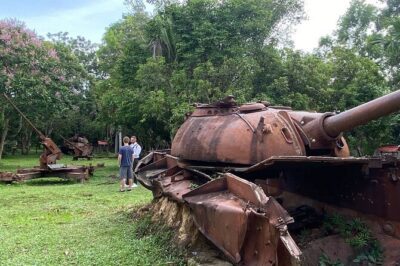
Siem Reap City Tour with War Museum and Killing Field
Read our review →
Khmer Rouge, genocide museum &killing field tour
Read our review →
Private Tour: HERO Rats & Angkor National Museum
Read our review →Browse the lists this tour appears in