
Reviewed · BANTEAY SREI & BENG MEALEA TOURS
3 Day Angkor Wat Kulen Mountain Beng Mealea and Floating village
Angkor Wat at sunrise is only the opening act here. Before the day gets hot, you’ll see the temple, Ta Prohm, and the enormous stone faces of Bayon, then return to Siem Reap around lunchtime. Over three days, the tour adds sacred mountain sites, a waterfall, a floating village, and a long list of temples.
I like the private format, which gives your group one guide and driver rather than a bus full of strangers. I also like the range: Kulen Mountain and Kampong Phluk keep this from becoming three straight days of stone corridors.
The main caution is stamina. Day 1 begins at 4:40 AM, Day 2 runs roughly from 8 AM to 6 PM, and Day 3 finishes with sunset. You’ll handle stairs, uneven ground, heat, and plenty of walking, so this is not a gentle sightseeing schedule.
Key points to know before booking
- Angkor Wat before sunrise: Start at 4:40 AM for the classic reflection-pool view, then tour the temple before the day’s heat builds.
- A private guide makes a difference: Guides including Sean, Sotin Kim, Raman, and Mr. Ho are praised for clear history lessons, kindness, and taking good photos.
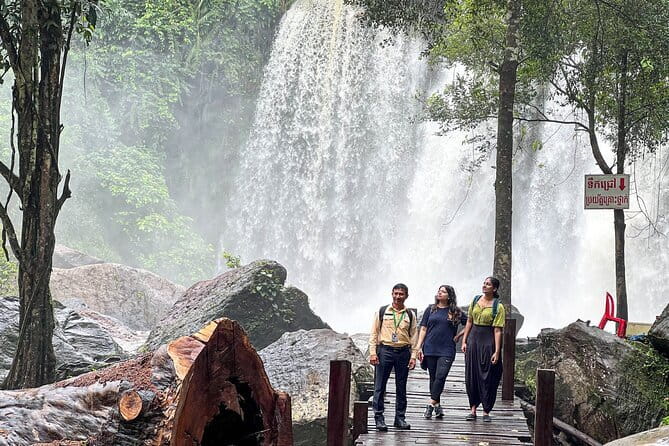
- Kulen Mountain adds nature and pilgrimage sites: See the River of 1000 Lingas, Preah Ang Thom, Poeng Ta Kho, and a waterfall where swimming is possible.
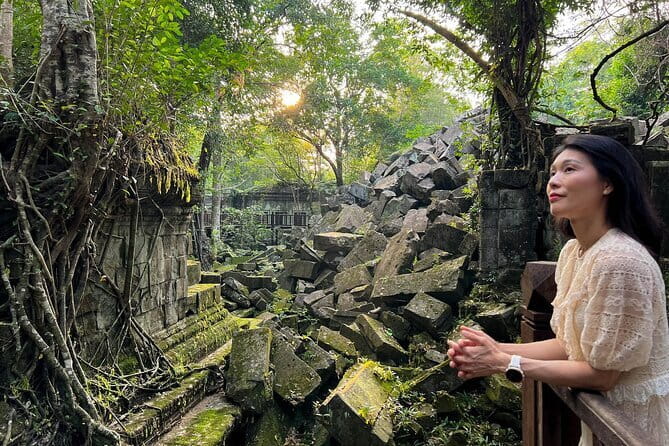
- Beng Mealea feels raw and overgrown: This 12th-century temple offers a rougher, less polished counterpoint to Angkor Wat.
- Kampong Phluk brings life on Tonle Sap: See stilt houses, waterways, mangroves, and a Buddhist site by boat.
- The $195 price covers the major basics: Entrance tickets, breakfast, two lunches, transport, guide, driver, water, and towels are included.
Why this three-day route works
Many Siem Reap temple visits stay inside the Angkor Archaeological Park. This one reaches farther, giving you a better sense of Cambodia beyond the famous central temples.
You begin with the best-known sights, move into Kulen Mountain and Beng Mealea on Day 2, then return to Angkor’s quieter and more varied temples on Day 3. That order makes sense. The first day gives you the essential monuments while your energy is fresh. The second breaks up the stonework with mountain views, water, and a village. The third fills in the gaps with smaller temples and a countryside stop.
The private setup matters most when the schedule gets demanding. Your group can leave your hotel, stop for photos, and return to town without waiting for a large coach. Pickup is offered, and the vehicle comes with an experienced driver, cool water, and towels.
Your guide is the key part of the experience. Sean, Sotin Kim, Raman, and Mr. Ho are named as guides associated with particularly strong experiences. The useful traits to look for are clear explanations, patience, local history, and help with photography. Raman, in particular, is praised for taking photos as well as explaining the sites.
Other outlying temples from Siem Reap:
- Siem Reap: Kulen Mountain, Beng Mealea and Tonle Sap Tour
★ 5.0 · 1,483 reviews - Full-Day Banteay Srei & 4 Temples – Grand Tours Join-in Tour
★ 5.0 · 1,155 reviews - Siem Reap Tour: Angkor Wat Sunrise, Bayon, Ta Prohm, Banteay Srei
★ 5.0 · 931 reviews
Day 1: Angkor Wat before breakfast
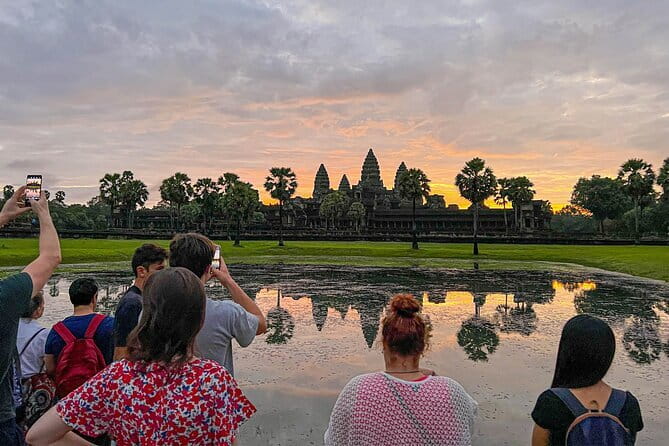
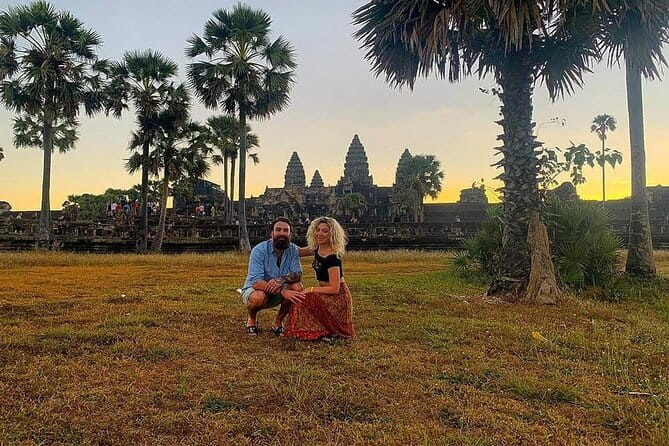
Pickup begins at about 4:40 AM from your hotel lobby. That is early even by temple standards, but sunrise is the reason to make the effort. You’ll arrive at Angkor Wat while the sky changes and the temple’s towers appear behind the water.
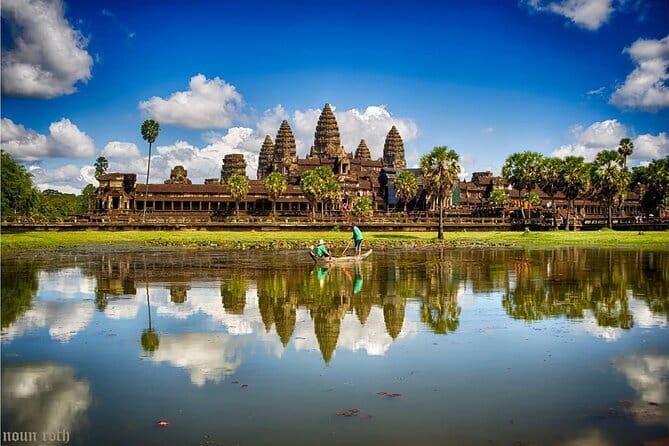
The famous view is the reflection of the five towers in the pond. Conditions vary, so do not expect the same colors every morning. The value is being inside the temple area before the midday heat and before the main crowds reach every gallery.
After sunrise, you spend about two hours at Angkor Wat with your guide. This is not just a photo stop. The temple’s galleries, courtyards, bas-reliefs, towers, and long approaches make more sense when someone explains how the space was designed and used.
You’ll need suitable clothing for a religious site. The supplied information does not give a full dress code, so modest clothing is the sensible choice. Bring something warm or light for the pre-dawn start, then prepare for much warmer conditions later.
Breakfast near Srah Srang
Breakfast comes at a local family restaurant in the countryside near Srah Srang. This is a useful pause after the early start, and it gives your money a more direct connection to a local family business than a quick meal back at the hotel.
The exact breakfast menu is not specified. Breakfast is included, but soft drinks and meals not listed in the package are not. If you need coffee, snacks, or extra drinks, plan to pay separately.
Ta Prohm and the trees
Ta Prohm is one of the most memorable stops because the temple has been left partly overgrown. Huge tree roots push over walls and wrap around stone towers, giving the site a rough, unsettled look that is very different from the ordered lines of Angkor Wat.
The temple is also linked with the film Tomb Raider, but the real appeal is the clash between architecture and forest. You’ll walk through narrow passages and uneven areas, so sturdy footwear is useful.
Other trips out on the lake from Siem Reap:
- From Siem Reap: Kampong Phluk Floating Village Tour by Boat
★ 4.9 · 6,979 reviews - Sunset tour of Kampong Phluk stilts home village on the Tonle Sap
★ 5.0 · 4,865 reviews - Kompong Phluk Floating Village Half-Day Tour ( Morning / Sunset )
★ 5.0 · 1,494 reviews - Tonle Sap Lake & Kampong Phluk Village Half-Day Tour
★ 5.0 · 1,045 reviews
Angkor Thom and the Bayon faces
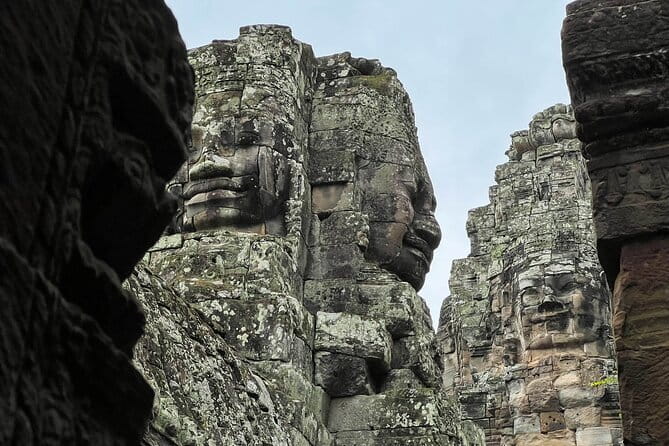
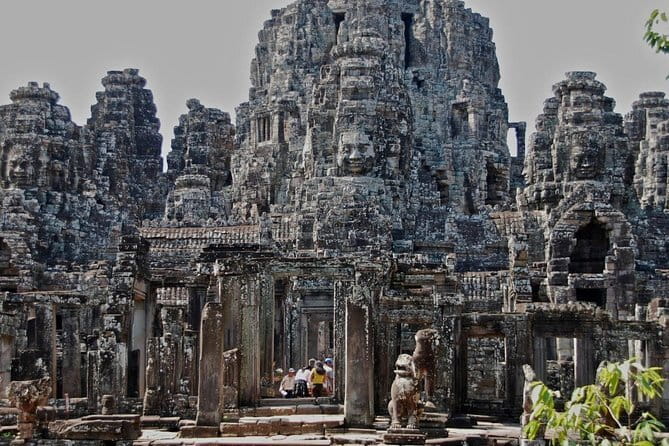
The route continues to Angkor Thom’s South Gate, then to Bayon and Baphuon. Bayon is famous for its large carved faces, identified in the tour description as images of Avalokitesvara. The faces look calm, but their sheer number makes the temple feel watchful from every direction.
You’ll also see the Terrace of the Elephants and the Terrace of the Leper King. Together, these stops show how Angkor Thom worked not only as a religious center but also as a grand royal city.
Day 1 ends with a return to central Siem Reap at about 1 PM. That early finish is welcome. You can rest, eat on your own, or explore the Old Market before the next full day.
Day 2: Kulen Mountain, waterfall, and Beng Mealea
Pickup is at about 8 AM, followed by a drive toward Phnom Kulen National Park. This day covers a lot of ground, and the long road time is part of the trade-off for reaching sites outside the main Angkor area.
Poeng Ta Kho viewpoint
The first stop is Poeng Ta Kho, a cliff viewpoint over forest and canyon country. The walk from the parking area is short, but the reward is a wide view rather than another enclosed temple.
This is a good place to take a breath and see how different northern Cambodia feels from the temple park. The stop lasts about 30 minutes, so it is a scenic pause rather than a long hike.
Preah Ang Thom and the River of 1000 Lingas
At Preah Ang Thom, you climb to see an eight-meter reclining Buddha carved directly into the mountainside. The site remains a place of pilgrimage, and the presence of incense, prayer, and monks gives it a living religious purpose.
The climb and steps matter here. The tour information notes that the three days involve many stairs and steps, and this is one of the places where you’ll feel it.
Next comes the River of 1000 Lingas. Nine-hundred-year-old carvings in the riverbed turn the waterway into a religious monument. These fertility symbols, known as lingas, were intended to bless the water flowing toward the Angkor kingdom.
This stop is easy to rush past if you only want dramatic towers. Give it time. The setting explains how religion, water, farming, and royal power were tied together.
Phnom Kulen Waterfall
The waterfall is the most relaxed stop of the day. You’ll have about two hours for the pools, a picnic-style lunch, and time near the falling water. Swimming is part of the experience described, and the water is cold enough to wake you up quickly.
Bring swimwear if you want to enter the pools. The package includes lunch, but it does not specify exactly what is served. Water and towels are provided during the tour, which is especially helpful after a swim.
Kulen is valuable because it changes the rhythm. After the early temples and mountain shrines, you get shade, water, and a chance to sit down. Still, remember that the stop is not a full rest day. You have another major temple ahead.
Beng Mealea, the rough-edged temple
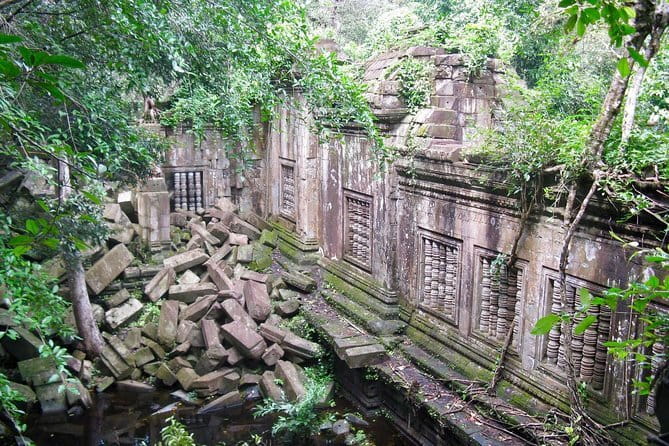
Beng Mealea was built in the 12th century and has been heavily taken over by vegetation. It is often compared with what Angkor Wat might look like without regular clearing and repair, though it has its own design and character.
The temple feels more broken and untamed than the central Angkor sites. Stones lie in piles, roots press through the structure, and the route can feel more physical. That roughness is exactly why I would not skip it.
If polished paths and complete monuments are your priority, Beng Mealea may feel less convenient. If you like seeing how time and weather change an ancient site, it is one of the strongest stops of the three days.
Kampong Phluk on Tonle Sap
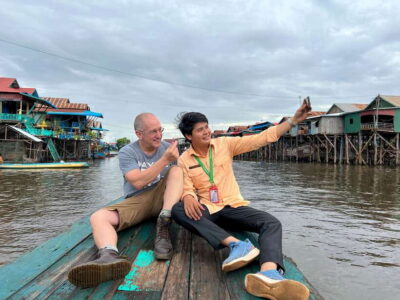
The final major stop is Kampong Phluk, a floating village on Tonle Sap Lake. You’ll take a boat through waterways lined with tall stilt houses and mangrove forest, then visit a Buddhist site.
The value here is not a staged cultural show. You get a look at a community built around the changing water level and boat travel. The tour description says families live their lives on the water, surrounded by stilt houses and mangroves.
The boat ride lasts about 90 minutes. It is a pleasant contrast to the temples, but conditions can vary with water levels and weather. You’ll return to Siem Reap around 6 PM, so keep the evening easy.
Day 3: Smaller temples and the final sunset
Day 3 begins at 8 AM and returns to the Angkor area. It is the most temple-heavy day, but the sites are smaller and more varied than the headline monuments from Day 1.
Banteay Kdei and Pre Rup
Banteay Kdei is the first stop, with about 45 minutes to explore. It has a quieter feel than Angkor Wat and gives you another chance to see how galleries, courtyards, and towers were arranged.
Pre Rup follows, with about an hour. Its raised brick form gives you a sense of height and ceremony. Expect steps and uneven surfaces, especially at temples built on upper platforms.
Banteay Srei
Banteay Srei receives an hour and deserves your attention. Its detailed carvings are a major reason it is included in this route. The temple is smaller than Angkor Wat, but its decorative work can be easier to appreciate because the scale is more intimate.
This is one place where a good guide adds real value. A clear explanation helps you notice the carved figures and fine stonework instead of treating the stop as another quick photo.
East Mebon and Ta Som
East Mebon takes about 40 minutes. The temple’s elevated position and historic connection with a former reservoir make it useful for understanding the water systems that supported Angkor.
Ta Som is a shorter 30-minute visit. It is known for its compact ruins and trees growing through the structure. After Ta Prohm and Beng Mealea, you will notice a familiar theme, but Ta Som is smaller and easier to take in quickly.
Phum Preah Dak and lunch
Lunch is served at a local restaurant, followed by a visit to Phum Preah Dak community. You’ll see how local people make palm cake and palm sugar.
This is one of the more grounded parts of the tour. Instead of only looking at royal monuments, you see a food tradition and a village economy connected to Cambodia’s countryside. The package includes two lunches across the tour, and this stop is one of them.
Neak Pean and Preah Khan
Neak Pean takes about 40 minutes. It sits on an island within an ancient water system, making the approach part of the experience. The site is smaller than the grand temples, but its setting gives you another view of Angkor’s skill with water and sacred design.
Preah Khan gets about an hour. It is large enough to feel exploratory, with long corridors and a mix of ruined stonework and vegetation. By this point, you may be tired, but a guide can help you focus on the sections that matter most rather than wandering without context.
Phnom Bakheng at sunset
The final stop is Phnom Bakheng, where you climb the mountain for sunset over Angkor Park. It is a fitting end, but also a demanding one. You have already spent the day walking, and the climb comes when many people are ready to sit down.
The sunset view is the reward. The timing can also make this a crowded stop, and the exact sunset conditions cannot be promised. Treat it as a final viewpoint rather than a guaranteed perfect photograph.
After sunset, you return to your hotel. The full third day is long, but it closes the tour with a broad view after three days of close-up temple visits.
What the $195 price really covers
At $195 per person, the value depends on how much of this route you would otherwise arrange yourself. The price includes a private English-speaking guide, driver, transportation, attraction admission tickets, breakfast, two lunches, bottled water, and towels.
That is a strong list of inclusions for three days. The entrance fees alone would add up across Angkor, Kulen Mountain, Beng Mealea, and the other stops. Private transport is also useful because several sites are far beyond the central park.
The price does not include soft drinks, unlisted meals, or tips. You should also allow for the time cost: this is a packed program, not a slow temple retreat.
Who will enjoy this tour most
I would choose this tour if you want major Angkor temples plus places that show Cambodia’s religious life, rural economy, mountain traditions, and lake communities.
It suits:
- First-time visitors who want the major temples covered efficiently
- History fans who value guided explanations
- Photographers who want sunrise, sunset, carved faces, tree-covered ruins, and village scenes
- Active couples and families comfortable with steps and long days
- People who prefer a private vehicle and flexible attention from one guide
I would hesitate if you dislike early mornings, cannot manage stairs, or want long unplanned breaks. The program covers a great deal, and the strongest days are also the most tiring.
The tour has received full ratings in the supplied feedback, with repeated praise for guides who explain Cambodia clearly, share historical detail, help with photographs, and treat the group kindly. That pattern is worth considering because the temples are far better when you understand what you are seeing.
Practical details before you go
Pickup is offered from your hotel, with the first collection around 4:40 AM and later starts at 8 AM. Bring water-friendly clothing for the waterfall, comfortable shoes for uneven temple ground, and a light layer for the dark morning start.
Confirmation is provided at booking. Free cancellation is available up to 24 hours before the start time, while changes or cancellations inside that window are not refunded. The tour requires a minimum number of participants, although the activity itself is private for your own group.
Should you book it?
Book this tour if you want a broad, active introduction to Siem Reap rather than a narrow Angkor-only visit. The combination of sunrise, sunset, small temples, Kulen Mountain, Beng Mealea, palm sugar making, and Kampong Phluk gives you a much fuller picture of the area.
Skip it if you want a slow schedule or only care about Angkor Wat itself. For everyone else, $195 is a reasonable price for the number of included sites, private transport, meals, admission tickets, and three days of guiding. Go in prepared for early starts and tired legs, and this becomes a strong all-around choice.
FAQ
What time does the tour begin?
Day 1 pickup is at about 4:40 AM for sunrise at Angkor Wat. Days 2 and 3 begin at about 8 AM.
Is the tour private?
Yes. Only your group participates in the private activity, with an English-speaking guide and experienced driver.
Are temple admission tickets included?
Yes. Admission tickets to all listed attractions are included in the price.
Are meals included?
Breakfast and two lunches are included. Soft drinks and meals not mentioned in the package are not included.
Does the tour visit a floating village?
Yes. Day 2 includes a visit to Kampong Phluk on Tonle Sap Lake, including a boat ride through the village area.
Can you swim at Kulen Mountain?
Swimming is included as part of the described waterfall stop at Phnom Kulen. Towels and cool bottled water are provided during the tour.
More 3-Day Experiences in Siem Reap
- From Siem Reap: Angkor Wat and Floating Village 3-Day Trip
★ 5.0 · 100 reviews - 3-Day Angkor Wat with All Interesting Major Temples, Banteay Srei & Beng Mealea
★ 5.0 · 70 reviews - 3-Day Angkor Wat & All Interesting Major Temples & Kulen Mount Waterfall
★ 5.0 · 63 reviews - 3 Days Siem Reap Explorer – Small Group
★ 5.0 · 50 reviews
More Kulen Mountain tours from Siem Reap
- Kulen Waterfall Join-in Tour (local Picnic lunch)
★ 5.0 · 2,434 reviews - Kulen Mountain: Small-Group Tour and Picnic lunch
★ 4.9 · 1,802 reviews - Phnom Kulen Waterfall & the Sacred 1000 Lingas (with Lunch)
★ 4.8 · 974 reviews - Kulen Mountain with Beng Mealea and Tonle Sap Small Group Tour
★ 5.0 · 780 reviews
Just added in Siem Reap
- Twilight Tastes of Siem Reap Include Dinner★ 5.0 · 13 reviews
- Ultimate Sunrise to Angkor Wat, Angkor Thom and Bayon Temple★ 5.0 · 3 reviews
- Trekking Tour at Phnom Kulen National Park from Siem Reap★ 5.0 · 3 reviews
- Full-Day Private Tour of Angkor Wat with Pick Up★ 5.0 · 12 reviews
- Private Day Trip to Angkor Temples with Expert Guide★ 5.0 · 4 reviews
- Siem Reap City Tour with War Museum and Killing Field★ 5.0 · 27 reviews
- Waterfall & River of 1000 Siva Linga- Kulen Mountain Private Tour★ 5.0 · 3 reviews
- Angkor Wat Experience Temple Pass and Siem Reap Food Tour★ 5.0 · 13 reviews
Banteay Srei & Beng Mealea Tours, compared.
Kulen Mountain, Beng Mealea and Tonle Sap Tour
Read our review →
Full-Day Banteay Srei & 4 Temples – Grand Tours Join-in Tour
Read our review →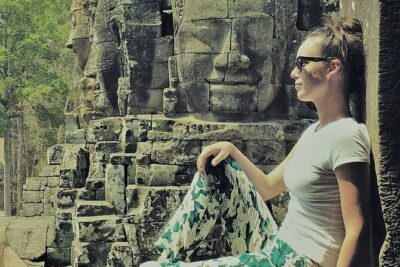
Siem Reap Tour: Angkor Wat Sunrise, Bayon, Ta Prohm, Banteay Srei
Read our review →
Koh Ker Temple Group & Beng Mealea Full-Day Join-in Tour
Read our review →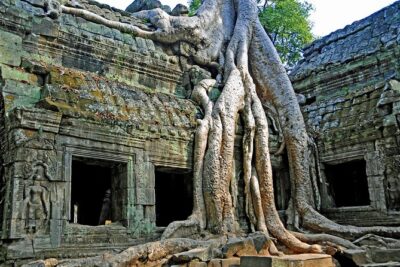
2-Day Angkor Wat With Small, Big Circuit and Banteay Srei Tour
Read our review →
3-Days Discovery Of Angkor: Waterfalls,Floating Village and Banteay Srei temple
Read our review →Browse the lists this tour appears in